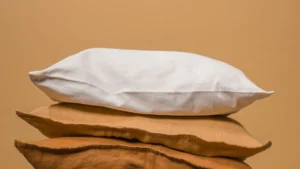
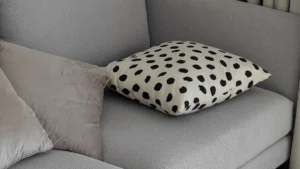
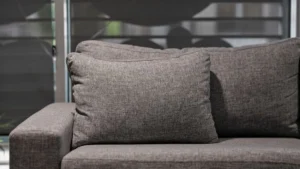
A velvet cushion is a strange thing to spend serious money on. It holds no weight and does no work, and the cheapest version looks, from across the room, almost exactly like the most expensive one. Yet in any well-dressed living room in 2027 there it is: a deep green or ink-blue square that makes a plain sofa look considered rather than merely bought.
The question is not whether velvet looks good. It does. The question is whether it is worth what it costs, once you count the price, the years it lasts, and the care it demands. Our answer is yes — but only for some homes, and only in some fibres. A well-chosen cotton velvet cushion is one of the cheapest ways to buy years of daily pleasure from a room you already own.
A silk velvet cushion in a house full of children, dogs and direct sun is money thrown at a fabric that will punish you for it. The difference is not taste. It is arithmetic: what you paid, divided by how long it stays beautiful, minus what it costs in time and cleaning.
- Key takeaways: Velvet cushions are worth it when the cost is spread over years of use — a well-made cotton velvet cushion can outlast three cheap ones.
- The fibre decides the verdict: cotton velvet is the practical middle ground, silk velvet the most beautiful and demanding, and a good polyester blend suits sunny or busy rooms.
- Durability is about the pile, the seams and the filling, not the label — a dense pile that springs back and feather filling that plumps up again beat a designer name.
- Upkeep is the real price: brushing, steaming and rotating out of sun are small jobs, but weekly ones, and skipping them is what makes velvet look tired.
- Velvet is not worth it for every home: pale silk velvet in a sunny room with pets and small children costs more in cleaning and replacement than linen or a performance fabric.
The Verdict First: Worth It, With Conditions
Start with the money, because that is where most cushion arguments go wrong. A velvet cushion is not expensive the way a sofa is expensive. Even a good one costs roughly what a household spends on a meal out. Spread over three or four years, the cost per day is pennies.
A cheap cushion that flattens, sheds or fades within a season and has to be replaced twice is the expensive purchase, not the dear one. That is the core of the case for velvet: you are not paying for a cushion, you are paying for how many years it stays worth looking at. But the argument only holds if the cushion actually lasts.
A thin velvet with a sparse pile will look tired within months whatever you paid, because the pile is the whole point of the fabric and a thin pile has nothing to recover with. So the verdict is conditional: the right fibre for the room, a dense pile, a filling that can be revived, and a colour dark enough to hide the marks of daily life.
What You Are Actually Paying For

When one velvet cushion costs thirty pounds and another costs a hundred, the difference is rarely the label stitched inside. It is the density of the pile, the quality of the dye, the filling and the finishing — four things that decide whether the cushion is still beautiful in three years.
A dense pile springs back when pressed; a sparse pile stays dented. Feather filling can be shaken back into shape each morning; hollowfibre pads go lumpy and stay lumpy. A hidden zip and removable cover mean the cushion can be cleaned; a sewn-shut cover means the first bad spill ends it.
The fibre is the biggest factor in the price. Cotton velvet is the traditional choice and still the best all-rounder: a soft pile, deep colour, and a fabric that can be brushed, steamed and spot-cleaned at home. Silk velvet is finer, but it marks with water, usually needs dry cleaning, and costs far more for a cushion that is harder to live with. Our roundup of the best luxury velvet cushions of 2027 finds the same pattern: the middle of the price range, in cotton velvet, is where the value sits.
The Durability Argument: Where Velvet Earns Its Keep
Durability is where velvet surprises people, in both directions. The fabric has a reputation for delicacy, and silk velvet earns it, but a good cotton velvet cushion is tougher than it looks. The dense pile protects the weave underneath, and a feather-filled cushion plumped daily keeps its shape for years.
Its enemies are specific and avoidable: sitting on the same spot every day without rotating, strong direct sun, water, and being crushed under heavier objects in storage. None of those is daily life in an ordinary living room, provided the cushion is turned and shaken when the room is tidied.
A linen cushion is easier to wash and ages gracefully, but it creases and looks informal in a way that suits some rooms and not others. A plain cotton cushion is cheap and washable, and it is also the first thing in the room to look flat and tired, because a flat fabric has no pile to catch the light and no depth to hide a crease. Velvet keeps looking deliberate: the pile hides small marks and a quick brush restores the surface.
The Upkeep Bill Nobody Puts on the Price Tag
If durability is the case for velvet, upkeep is the case against it, and it deserves a fair hearing. A velvet cushion is not a buy-it-and-forget-it object. The weekly routine is small but real: a quick plump and shake each morning, a brush of the pile once or twice a week, a rotation so the same face is not always to the sun, and a lint roller if there are pets.
None of that takes more than a few minutes, but it is a few minutes every week for years, and a household that will not do it will watch the cushion slowly lose its looks and conclude, wrongly, that velvet is a bad fabric. The fabric is not bad; it is demanding in a small, regular way.
Cotton velvet can usually be steamed and spot-cleaned at home, and a removable cover can often be washed on a gentle cycle. Silk velvet usually needs dry cleaning, and a single bill can cost a quarter of what the cushion cost. Water is the quiet enemy: a spill on silk velvet can leave a ring no cleaning removes. Count the upkeep as part of the price.
The Look, Weighed Honestly
It would be dishonest to pretend the look does not matter, because it is half the reason anyone buys velvet. The pile catches light and holds shadow in the same square of fabric, so a cushion looks different from every angle and at every hour of the day, and no flat fabric does that.
But the look is not a free benefit. It is the reason the upkeep exists: the same pile that catches the light also shows every crease and every place someone has sat. The beauty and the burden are the same feature. Two or three velvet cushions in one strong colour make a room look considered; a full set in many colours looks like a shop display. Deep, muted tones — forest green, ink blue, oxblood, mustard, charcoal — hide marks far better than pale velvet, which shows every crease within a week.
The Caveats That Matter at a Glance
| Detail | What is known |
|---|---|
| True cost | The price on the tag is only part of it — add dry cleaning for silk velvet, and replacement if the fibre suits the room badly. |
| Cost per year | A well-made cotton velvet cushion kept for three or four years costs less per year than two cheap ones replaced in the same time. |
| Pile crushing | Velvet crushes where it is pressed or sat on. Brushing and steaming restore the pile if caught early. |
| Fading in sun | Velvet fades unevenly in strong direct sunlight. Rotate cushions and keep them out of the strongest sun. |
| Cleaning | Silk velvet usually needs dry cleaning. Cotton velvet can often be steamed, spot-cleaned or washed on a gentle cycle. |
| Lint and pet hair | Velvet attracts lint and pet hair. A soft brush or lint roller is part of the weekly routine with pets. |
| Water marks | Water can mark silk velvet permanently. Keep it away from damp hands and spills, and never rub a wet spot. |
| Who should not buy velvet | Anyone needing a fully washable everyday cushion, or a sunny room with pets and small children, may get better value from linen or performance fabric. |
Checklist Before You Buy
- Work out the cost per year, not the price on the tag: divide the price, plus any dry cleaning, by the years you expect it to last.
- Press the pile and check it springs back, then run your palm across it in both directions and watch the shade change.
- Read the fibre and care labels, and be honest about whether you will dry clean it or brush it weekly.
- Check the filling — feather plumps back into shape, hollowfibre goes lumpy — and check the zip is hidden and the cover removable.
- Choose a deep, muted colour for an everyday sofa, and try it in your own room, in natural light, against the sofa.
- Count the cushions you already own: two or three velvet cushions in one strong colour beat a full set in many colours.
Frequently Asked Questions
Are velvet cushions worth the money?
Yes, when the fibre suits the room and the cushion is well made. A cotton velvet cushion with a dense pile and feather filling, kept for three or four years, costs less per year than cheap cushions replaced twice.
How long do velvet cushions last?
A well-made cotton velvet cushion, brushed and rotated regularly and kept out of strong sun, can stay beautiful for several years of daily use.
Are velvet cushions hard to look after?
They need small, regular care: a daily plump, a weekly brush, rotation out of sun, and a lint roller if there are pets. Cotton velvet can usually be steamed and spot-cleaned at home; silk velvet usually needs dry cleaning.
Do velvet cushions fade in sunlight?
Yes, velvet fades unevenly in strong direct sunlight, and cotton and silk fade faster than a polyester blend. Rotate the cushions and keep them out of the strongest sun, or choose a fade-resistant blend for a sunny room.
Are velvet cushions good for homes with pets?
They can be, with conditions. Velvet attracts pet hair and shows claw marks, so a pet household needs a lint roller, a darker colour, and cotton velvet rather than silk. Pale silk velvet with a heavy-shedding dog means more cleaning than enjoying.
What is the best velvet cushion to buy first?
One cushion in cotton velvet, in a deep muted colour, about 50 centimetres square for a three-seat sofa, with feather filling and a removable cover. Our explainer on what a velvet cushion is sets out the fibre types in full.
The Bottom Line
Velvet cushions are worth it when the arithmetic works: a well-made cushion, in the right fibre for the room, bought once and cared for in small weekly ways, costs pennies a day over the years it stays beautiful. Cotton velvet is the value choice for everyday rooms, a polyester blend the honest choice for sunny rooms, and silk velvet a luxury for rooms admired more than lived in.
The money is wasted only when the fibre fights the household — pale silk in a sunny room with pets and children — or when the cushion is bought to rescue a sofa that needs a bigger fix first. Our guide to how to choose a luxury sofa is the place to start. Otherwise, buy one good cushion before you buy three: press the pile, read the care label, choose a deep colour, and count the cost per year rather than the price on the tag.
Note: Prices are approximate, based on late-2026 boutique listings, and vary by country and season. Check the official boutique for the current price before buying.
Meet Our Experts
Our home and lifestyle editors cover luxury interiors, fabrics and seasonal styling, and review each guide against current boutique listings and published fabric guidance before it is published.
Why Trust BrassSmile
We describe fabrics, fits and care from verifiable specifications and published reviews, and we flag the caveats that matter, such as cleaning needs and pile care, rather than only the selling points. We do not accept payment for placement in our guides.
Sources
Byrdie, Vogue, Harper’s Bazaar, Elle Decoration, and published fabric and care guidance from luxury interiors houses.