

What if the most memorable stop on your Ireland trip turned out to be a place you had never heard of a month earlier? Ireland packs an absurd amount of scenery, history, and personality into a small island, and that is exactly the problem. With limited days and a long list of candidates, choosing where to go becomes the real work. This guide narrows the field to the places that genuinely reward the time and money, explains what each one demands in logistics, and flags the mistakes that catch first-time visitors off guard.
Why Ireland Rewards a Focused Itinerary
Ireland is roughly the size of Indiana, yet it holds three UNESCO World Heritage Sites on the island, a capital city with a thousand years of layered history, and a western coastline that draws road-trippers from everywhere. The catch is that distances deceive. A two-hour drive on a map can stretch to three or four on narrow coastal roads, and weather can rewrite a day’s plan by breakfast.
The practical lesson: pick a region and go deep rather than circling the whole island. Two weeks allows a comfortable loop; one week means choosing either the west or a Dublin-and-surrounds base. Anyone building a longer European trip around this visit can compare seasonal options in this guide to the best places to visit in Europe in 2026 before locking dates.
Dublin: The Compact Capital

Dublin works best as a two-day bookend rather than the main event. Trinity College (founded 1592) holds the Book of Kells, an illuminated manuscript of the Gospels dated to around 800 AD, displayed in the college’s famous Long Room library. Book tickets online in advance; walk-up queues regularly swallow an hour or more.
Beyond Trinity, the essential stops are compact: Dublin Castle, St Patrick’s Cathedral, and the historic gaol that anchors the city’s revolutionary history. Pubs around Grafton Street and Temple Bar deliver the atmosphere, though locals will point you toward quieter streets for better value.
Common mistake: treating Dublin as a checklist to sprint through in a day. It rewards a slower pace, especially in the evenings.
The Cliffs of Moher: Ireland’s Signature View
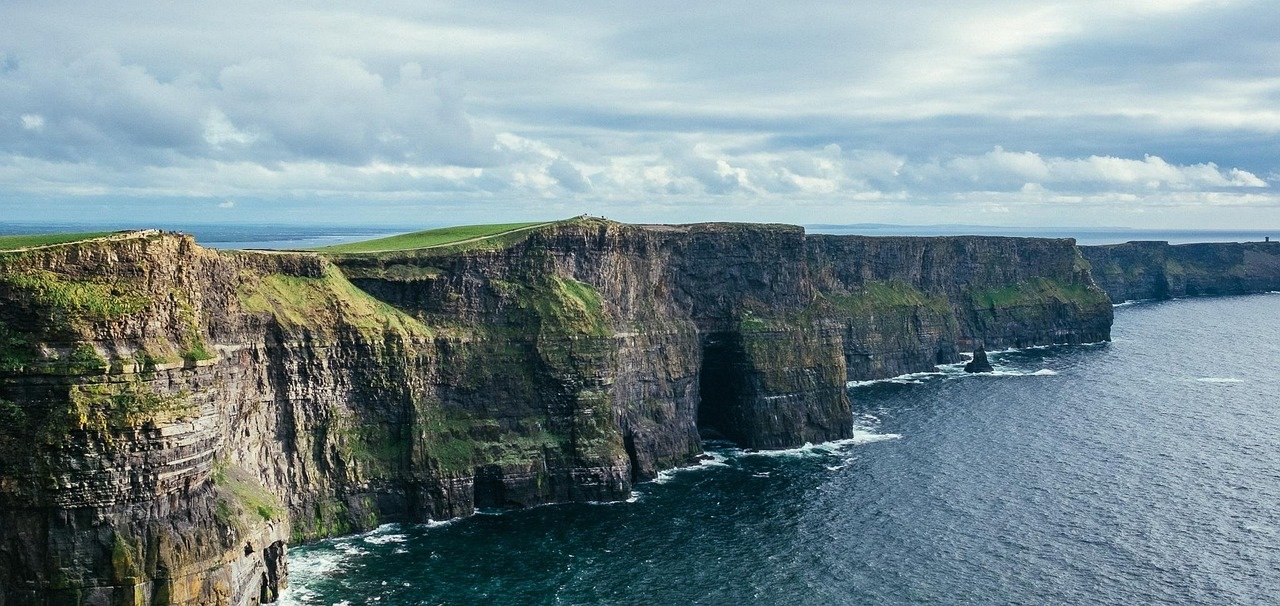
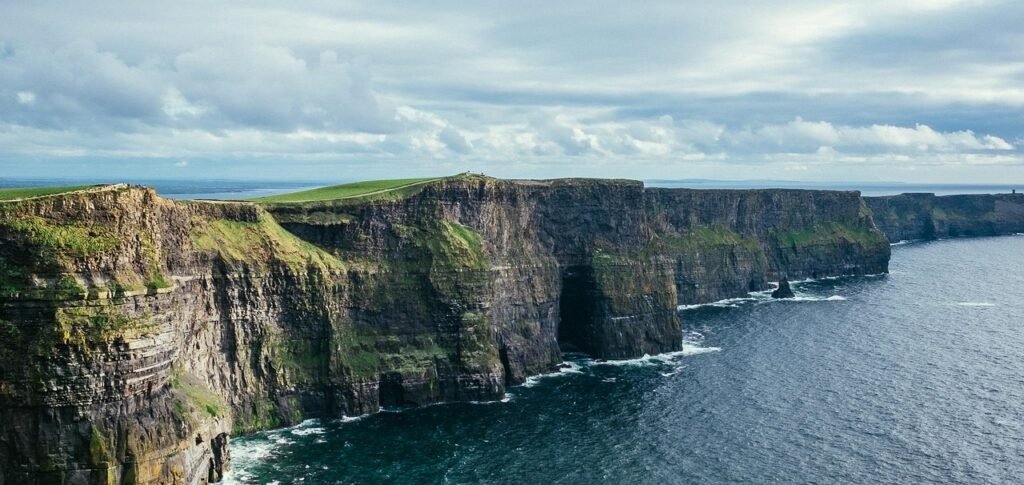
The Cliffs of Moher in County Clare rise to about 214 metres at their highest point near O’Brien’s Tower, and they remain the country’s most-visited natural attraction, with visitor numbers commonly reported at roughly 1.5 million a year. Arrive before 9am or after 5pm to dodge the coach crowds, and check the weather forecast the night before, because fog can erase the view entirely.
Two practical notes. First, the cliff-edge paths are exposed and winds can be fierce, so sturdy shoes matter more than a nice outfit. Second, the visitor centre charges for parking, and the ticket is worth keeping if you plan to return the same day. The cliffs pair naturally with the Burren’s limestone landscape and the coastal village of Doolin, home to some of the country’s best traditional music sessions.
The Wild Atlantic Way: A Route, Not a Destination
Launched in 2014 by Fáilte Ireland, the Wild Atlantic Way is a signposted coastal route along the west coast, commonly described as about 2,500 km long. Treat it as a framework rather than a thing to “complete.” Driving the entire route takes at least a week of solid motoring and leaves little time to actually stop.
The strongest stretches for most visitors:
| Section | Highlights | Time Needed |
|---|---|---|
| Donegal | Slieve League cliffs, remote beaches | 2 days |
| Mayo | Achill Island, Clew Bay | 1–2 days |
| Galway & Connemara | Kylemore Abbey, Sky Road | 2 days |
| Clare | Cliffs of Moher, the Burren | 1–2 days |
| Kerry | Ring of Kerry, Dingle Peninsula | 3 days |
| West Cork | Mizen Head, coastal villages | 2 days |
The single biggest mistake on the Wild Atlantic Way is over-scheduling. Narrow roads, tour buses, and sheep crossings are all part of the deal. Build in slack, and never plan a tight ferry or tour booking at the end of a long driving day.
Galway and Connemara: Music, Pubs, and Empty Landscapes
Galway city has the energy of a university town with the soul of a fishing port. Shop Street’s buskers, the Spanish Arch, and a dense cluster of excellent pubs make it the most sociable base on the west coast. From here, Connemara spreads out in bog, mountain, and lake country that feels genuinely empty once you leave the main road.
Kylemore Abbey and its Victorian walled garden justify a half-day. The Sky Road loop outside Clifden delivers coastal views without the crowds of the Ring of Kerry. And if you are travelling with a flexible calendar, shoulder-season trips often beat July and August on both price and peace; this roundup of places to visit in spring for a perfect getaway covers the trade-offs.
Killarney and the Ring of Kerry
Killarney National Park, established in 1932, was Ireland’s first national park and holds lakes, ancient oak woods, and Muckross House. The town itself is touristy but well set up, with jaunting cars, boat trips, and easy access to the park’s walking trails.
The Ring of Kerry is a roughly 179 km scenic loop around the Iveragh Peninsula. Drive it anticlockwise to avoid meeting tour buses head-on, and start early. Better still, consider the Dingle Peninsula instead if you want similar scenery with fewer vehicles. Slea Head Drive on Dingle is arguably the more rewarding loop, and Dingle town has a stronger food and music scene than its size suggests.
Skellig Michael: The Trip That Requires Planning
Skellig Michael is an early Christian monastic settlement, occupied roughly from the 6th to the 12th century, perched on a steep Atlantic island off the Kerry coast. It is a UNESCO World Heritage Site, inscribed in 1996, and it is also the hardest place on this list to visit.
Landings are seasonal, capacity-limited, and entirely weather-dependent. Boats leave from Portmagee and Ballinskelligs, and permits are strictly controlled. Book months ahead for summer sailings, and accept that a cancelled crossing is a real possibility. The reward is one of Europe’s most extraordinary historic sites: stone beehive huts clinging to a rock in the open ocean.
Brú na Bóinne: Older Than the Pyramids
In County Meath, the Newgrange passage tomb at Brú na Bóinne dates to about 3200 BC, making it older than both Stonehenge and the Egyptian pyramids. The site was inscribed as a UNESCO World Heritage Site in 1993, and access is by guided tour only through the visitor centre, with timed slots that sell out in peak season.
The winter solstice sunrise illuminates the tomb’s inner chamber through a roof box, a phenomenon recreated for visitors in the chamber itself. Pair the visit with the Hill of Tara and the monastic ruins at Monasterboice for a full day of Ireland’s deep past.
The Giant’s Causeway and Northern Ireland
The Giant’s Causeway in County Antrim consists of about 40,000 interlocking basalt columns formed by ancient volcanic activity, and it became a UNESCO World Heritage Site in 1986. One crucial planning detail: this is Northern Ireland, part of the United Kingdom, so currency switches to sterling and travel logistics differ from the Republic. Budget accordingly and check your car rental agreement covers cross-border travel, because many do not by default.
Nearby, the Carrick-a-Rede rope bridge and the Dark Hedges make for a strong day out, and Belfast rewards an overnight with its Titanic history and food scene.
West Cork and the South Coast
West Cork is where Irish holidaymakers go on holiday. Towns like Clonakilty, Skibbereen, and Schull combine food markets, craft brewing, and a coastline that stays quiet even in August. Mizen Head’s signal station marks Ireland’s southwesterly tip, and the offshore islands reward a ferry crossing.
Kinsale, closer to Cork city, is a gourmet hub with a colourful harbour. Cobh, the last port of call for the Titanic, adds a sobering historical stop. For travellers weighing a winter visit, this guide to warm places to visit in December is useful context, though Ireland in December is reliably cold and wet rather than warm.
How to Choose Your Bases
Rather than listing every town, think in terms of bases. A workable structure for a ten-day trip:
- Two nights in Dublin on arrival.
- Two nights in Galway, with a Connemara day trip.
- Two nights in Dingle or Killarney.
- Two nights in West Cork.
- One night near Dublin airport before departure.
This keeps daily drives under three hours and leaves room for weather contingencies. Bookable sites like Newgrange and Skellig Michael should be reserved first, then accommodation built around those fixed dates.
Mistakes That Cost Visitors Time and Money
The most common errors are predictable. Renting a car in Dublin city centre and immediately driving into traffic wastes a day; collect the car on the way out of the city instead. Underestimating drive times on secondary roads leads to missed bookings. Packing an itinerary with five stops a day leaves no room for the unplanned pub lunch or beach detour that tends to become the highlight.
Another frequent trap: assuming card payment works everywhere. Rural pubs and small shops still occasionally deal in cash, and Northern Ireland uses a different currency entirely. Finally, many visitors overpack for the weather. Rain is likely in any month, so a waterproof shell beats an umbrella in Atlantic wind.
When to Go
June through August brings the longest days and the best odds of dry weather, along with peak prices and crowds. May and September offer a strong balance. Winter is quiet, cheap, and atmospheric in cities, but many coastal attractions run reduced hours or close entirely. If Christmas markets are part of the plan, this roundup of places to visit for Christmas around the world puts Ireland’s offerings in wider context.
Conclusion
The best places to visit in Ireland are not the ones that photograph best from a drone. They are the ones that fit your pace: Dublin’s compact history, the Cliffs of Moher at dawn, the empty roads of Connemara, the weight of Newgrange’s five-thousand-year-old stone, and a Dingle pub session that runs past midnight. Choose fewer stops, book the limited-access sites first, and leave room for the detour. Ireland rewards the traveller who slows down, and it punishes the one who tries to see it all in a week.
Frequently Asked Questions
How many days do you need in Ireland?
Seven days covers Dublin plus one region, such as the west or the southwest. Ten to fourteen days allows a comfortable loop including Northern Ireland. Anything under five days means picking a single base and exploring nearby.
What is the single best place to visit in Ireland?
The Cliffs of Moher deliver the most dramatic scenery for the least planning, while Newgrange offers the deepest sense of history. For most first-time visitors, the west coast between Galway and Dingle combines both better than any single stop.
Do you need a car to get around Ireland?
A car is the most flexible option outside Dublin, especially along the Wild Atlantic Way. Trains connect major cities, and guided bus tours cover the headline sights, but rural attractions and small villages are much easier to reach by car.
Is Skellig Michael worth the effort?
Yes, for travellers who plan ahead and can tolerate weather risk. The monastic remains are genuinely unique, but landings are seasonal and capacity-limited, so book months in advance and keep a backup plan for a cancelled crossing.
What currency is used in Ireland?
The Republic of Ireland uses the euro. Northern Ireland uses sterling, so a cross-border itinerary such as Dublin to the Giant’s Causeway requires both currencies or a card with no foreign transaction fees.
What should you avoid doing on an Ireland trip?
Avoid over-scheduling drives, skipping advance bookings for Newgrange and Skellig Michael, and collecting a rental car in central Dublin. Also resist packing an umbrella instead of a waterproof jacket, since Atlantic wind makes rain gear far more practical.














