


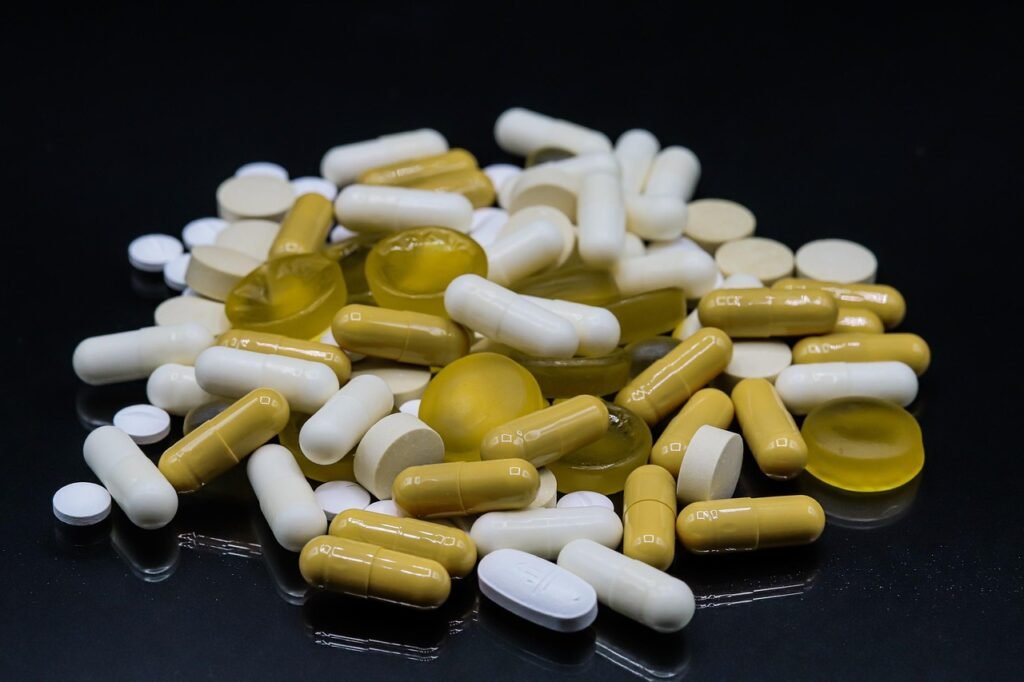
What if the most popular supplement on the shelf is also the one with the weakest proof behind it? That question runs through the supplement aisle, where shelves carry promises and the science behind them ranges from rock solid to practically nonexistent. In any pharmacy, hundreds of bottles carry confident labels. In a research library, the story is much quieter.
This is not a story about miracle pills. It is a practical guide to which supplements have real evidence behind them, which ones are mostly hype, and how to tell the difference without a pharmacology degree. The short version: a handful of supplements earn their place for specific people in specific situations. Most of the rest are optional at best.
Why the “best supplement” question is harder than it looks
Supplements are regulated as food, not medicine, in the United States. Under a law passed in 1994, products do not need pre-market approval for safety or effectiveness before they hit shelves. That means the burden of judgment falls largely on the buyer.
In the European Union, the rules are different. Health claims on supplement labels must be authorized and backed by generally accepted scientific evidence. Even so, enforcement varies, and a product can be legally sold while offering little measurable benefit.
The result is a market where quality varies enormously. Independent third-party testing programs exist precisely because contamination and mislabeling are real problems. Analyses of herbal products have found inconsistent levels of active compounds between batches and brands. For products marketed for weight loss or sexual enhancement, regulators have repeatedly warned about tainted formulations.
So the honest answer to “what is the best supplement?” starts with a reframe: the best supplement is the one that fills a gap your body actually has, from a brand you can verify, at a dose that matches the evidence.
The supplements with the strongest evidence
A small group of nutrients has well-established support. These nutrients are not glamorous, and they rarely appear in flashy ads, but they are where the science is most settled.
Folic acid before and during early pregnancy
This is arguably the best-established supplement benefit of all. Taking 400 micrograms of folic acid daily before conception and through early pregnancy reduces the risk of neural tube defects, serious birth defects of the brain and spine. Public health bodies recommend it for anyone who could become pregnant. If there is one supplement with near-universal agreement behind it, this is it.
Vitamin D for people with limited sun exposure
Vitamin D sits in a middle zone. It is clearly important for bone health, and guidance in the UK advises a daily 10 microgram (400 IU) supplement during autumn and winter, plus year-round for people who cover their skin or spend little time outdoors. What remains debated is the optimal dose and target blood level. Some researchers argue for higher doses; others point to trials showing modest returns. The sensible read: a standard daily dose is reasonable for many people, but megadoses are not a shortcut to better health.
Vitamin B12 for vegans and some older adults
B12 occurs naturally almost entirely in animal foods. People following vegan diets, and many older adults who absorb it less efficiently, benefit from a supplement. This is a case where the deficiency is real and the fix is simple.
Iron, but only with a diagnosis
Iron supplements help people with confirmed iron deficiency, which is common in some menstruating women and in pregnancy. But iron is not a casual add-on. It can cause constipation and, in excess, serious harm. Testing first is not optional.
| Supplement | Who benefits most | Evidence strength |
|---|---|---|
| Folic acid | People who could become pregnant | Very strong |
| Vitamin D | Limited sun exposure, winter months | Strong for bone health |
| Vitamin B12 | Vegans, some older adults | Strong |
| Iron | Diagnosed deficiency only | Strong when deficient |
| Multivitamin | Possibly marginal groups | Mixed and modest |
The supplements with mixed or weak evidence
Here is where most of the shelf lives. The pattern is consistent: promising early findings, large trials that disappoint, and marketing that never quite catches up.
Multivitamins
The Physicians’ Health Study II, published in 2012, followed male physicians taking a daily multivitamin and found no reduction in cardiovascular events or cancer mortality. Later analyses have hinted at modest signals, including possible cognitive benefits, but the overall picture is mixed. A multivitamin is unlikely to hurt most people, and it may help those with poor diets. It is not a longevity strategy.
Vitamin C, zinc and the common cold
These are among the most purchased supplements in the world. The evidence is far thinner than the sales figures suggest. Zinc lozenges may shorten a cold slightly if started very early, but results vary and side effects are common. Vitamin C does not prevent colds in most people.
Herbal extracts
St John’s wort, ginkgo, echinacea and their relatives are biologically active, which cuts both ways. They can interact with prescription drugs, sometimes seriously. St John’s wort in particular affects how the body processes many medications. Quality control is also uneven, so the dose on the label may not match what is in the capsule.
Personalized and genetic-based recommendations
Companies now sell supplement plans based on DNA or biomarker tests. It sounds futuristic. The problem is that well-designed trials showing health benefit from genotype-guided supplementation are scarce. That is an absence of evidence rather than proof of no effect, but it is a reason to be skeptical of expensive personalization.
How to judge a supplement in thirty seconds
Most people make supplement decisions in the aisle, not in a library. A few quick checks separate the serious products from the noise.
- Look for third-party testing seals. Independent programs verify identity, potency and contaminants. A seal is not a guarantee of benefit, but it is a signal of manufacturing care.
- Check the dose against the evidence. A product with a token sprinkle of an ingredient is not the same as one matching studied doses.
- Read the nutrition label, not the front of the bottle. Front-of-pack claims are marketing. The supplement facts panel is the actual product.
- Be wary of blends. Proprietary blends hide individual doses, which makes it impossible to judge whether the product matches any research.
- Check for interactions. If you take prescription medication, this step matters more than any other.
A common mistake is buying a large multivitamin plus three single-nutrient supplements, then doubling up on the same vitamins without noticing. Fat-soluble vitamins such as A, D, E and K can accumulate in the body, and minerals like iron can reach harmful levels. More is not better; it is just more.
What actually works in practice
The people who get the most from supplements tend to follow a boring pattern. They test before they treat. They take the smallest effective dose. They buy from brands that publish testing information. And they treat supplements as a supplement to food, not a replacement for it. (The row)
There is a parallel here with other areas of wellness. Gut health products, for example, are marketed heavily, and the gap between hype and evidence is worth examining closely, as this look at SBI Protect and whether this gut health supplement really delivers shows. The same skepticism applies across categories, whether the product promises better digestion, thicker hair, or more energy.
Hair supplements deserve a special mention. Biotin is popular, but it can interfere with certain lab tests, including thyroid tests, and evidence for hair growth in people without a deficiency is thin. Anyone searching for solutions to textured hair types, such as 4C hair, will find far more reliable results from proven treatments than from a bottle of vitamins. The pattern repeats: the marketing moves faster than the science.
Common mistakes people make
The same errors show up again and again.
- Assuming natural means safe. Herbs are chemicals. They interact with drugs and can cause liver injury in rare cases.
- Trusting a single study. One small trial is a hint, not a verdict. Look for the pattern across many studies.
- Ignoring food first. Most nutrient gaps close with diet. Supplements are for the gaps that remain.
- Buying based on influencer endorsements. Enthusiasm is not evidence.
- Stopping prescribed medication in favor of a supplement. This is the most dangerous mistake of all.
There is also a quieter error: expecting supplements to fix lifestyle problems. No capsule compensates for poor sleep, low activity, or a diet built on ultra-processed food. The foundation matters more than the add-ons.
How to choose a trustworthy brand
Brand trust is not about the label’s design. It is about transparency.
A reliable brand publishes where its ingredients come from, provides certificates of analysis, and submits to independent testing. It avoids exaggerated claims and lists allergens clearly. It also responds to questions. If a company cannot tell you the dose of each ingredient in its blend, that is your answer.
Price is a weak signal. Expensive products are not automatically better, and cheap ones are not automatically bad. What matters is verification. Look for testing seals, clear dosing, and a willingness to show their work.
When to talk to a professional
Supplements are not a do-it-yourself project for everyone. Certain groups should get advice before starting anything: people who are pregnant or breastfeeding, people taking prescription medication, people with liver or kidney conditions, and anyone managing a chronic disease.
A pharmacist is often the fastest, most accessible expert on interactions. A doctor can order blood tests to check for actual deficiencies. That test-first approach is the single most useful habit in this whole field. It turns guesswork into a decision.
Conclusion
The best supplements are not the ones with the loudest ads. They are the ones with the clearest evidence, matched to a real need, bought from a source you can verify. Folic acid for people who could become pregnant, vitamin D for those with limited sun exposure, B12 for vegans, and iron for diagnosed deficiency all earn their place. Multivitamins are a reasonable safety net for some, and most herbal products are a gamble with modest odds.
The supplement industry rewards confidence and punishes nuance. Readers who want the full picture should follow the quiet signals: third-party testing, honest dosing, and evidence that survives replication. And when a product promises to change everything, remember that the best supplements change very little, very specifically, for very specific people. That is not a disappointing answer. It is the honest one.
Frequently Asked Questions
What is the single most important supplement to take?
For anyone who could become pregnant, folic acid is the standout. A daily 400 microgram dose before conception and during early pregnancy substantially reduces the risk of neural tube defects, and this is one of the most firmly established findings in nutrition science.
Do multivitamins actually work?
The evidence is mixed and modest. Large trials have not shown clear reductions in heart disease or cancer mortality, though some later analyses suggest small possible benefits for cognition. A multivitamin is unlikely to harm most people and may help those with poor diets, but it is not a proven path to longer life.
Are natural supplements safer than synthetic ones?
Not necessarily. Herbal products are biologically active and can interact with prescription drugs, sometimes seriously. St John’s wort, for example, affects how the body processes many medications. “Natural” describes the source, not the safety profile.
How can I tell if a supplement is high quality?
Look for independent third-party testing seals that verify identity, potency and contaminants. Check that the dose matches what research has studied, and be cautious with proprietary blends that hide individual amounts. A transparent brand will share testing information on request.
Can supplements replace a healthy diet?
No. Food provides fiber, protein and a wide range of compounds that pills do not replicate. Supplements are designed to fill specific gaps, such as folic acid in pregnancy or B12 in vegan diets. They work alongside a good diet, not instead of one.
Should I get tested before taking supplements?
Testing first is the most useful habit in supplementation. Blood tests can confirm whether a deficiency actually exists, which prevents unnecessary spending and avoids risks like iron overload. Anyone taking prescription medication should also check with a pharmacist about interactions before starting anything new.














