A tinted moisturizer is the product that sits between skincare and makeup, and it is the one most people reach for on a normal day. It gives skin a little colour, a little coverage, and a little hydration, without the weight or the commitment of a full foundation. The problem is not finding one. It is finding one that actually matches your skin tone, stays comfortable for hours, and does not slide off, settle into lines, or leave a grey cast by lunchtime.
That is why this guide is organised by skin type and finish, not just by popularity. A dewy, hydrating formula can be perfect for dry skin and far too shiny for oily skin. A sheer tint with a wide shade range can be the right everyday choice, even if it does not cover a stubborn blemish on its own. Price is a poor guide here. Some of the most reliable tinted moisturizers are mid-priced, and some of the most expensive are the hardest to wear under sunscreen.
Below are nine tinted moisturizers worth considering in 2027, from a classic sheer tint to skin-tint formulas with serious sun protection. Each one is described by what it is good at, what to watch for, and who it suits best.
Key takeaways
- A tinted moisturizer gives sheer to light coverage with hydration, and it is best for everyday wear rather than full coverage.
- Shade range matters more than brand: a formula in your undertone disappears, while the wrong undertone looks grey or orange.
- Oily skin should look for oil-free, gel-cream textures, while dry skin needs a hydrating, dewy formula.
- Many tinted moisturizers include SPF, but you still need a full layer of sunscreen underneath for reliable protection.
- No tinted moisturizer covers deep pigmentation or active breakouts on its own, and a shade that looks right in the tube can look different in daylight.
What a tinted moisturizer actually does for skin
A tinted moisturizer is a hybrid. It combines a light moisturiser with a small amount of pigment, so it evens out skin tone, softens the look of redness, and adds a little glow, while still letting your skin look like skin. It does not hide everything. It is not meant to. The point is a healthier-looking version of your own skin, not a mask.
What it does well is save time. One step replaces a separate moisturiser and a light base, and most formulas are forgiving to apply. Fingers work fine, a damp sponge works a little better, and there is no need for the careful blending a full-coverage foundation demands.
What it does not do is replace skincare or sunscreen. A tinted moisturizer with SPF 30 sounds like enough on its own, but most people apply far less product than the amount used in SPF testing, so the real protection is lower than the label suggests. Use a proper sunscreen underneath, let it set for a few minutes, and treat the SPF in your tint as a bonus, not as your only defence.
How we chose these tinted moisturizers and what to look for
Look first at the shade range and the undertone. A tinted moisturizer only works if the colour disappears into your skin. Check the shade in daylight, on your jawline, not on the back of your hand, and give it a minute to settle. A shade that looks right in the tube can dry down darker, greyer, or warmer than you expect. Brands with ten or more shades give you a real chance of a match; brands with three or four rarely do.
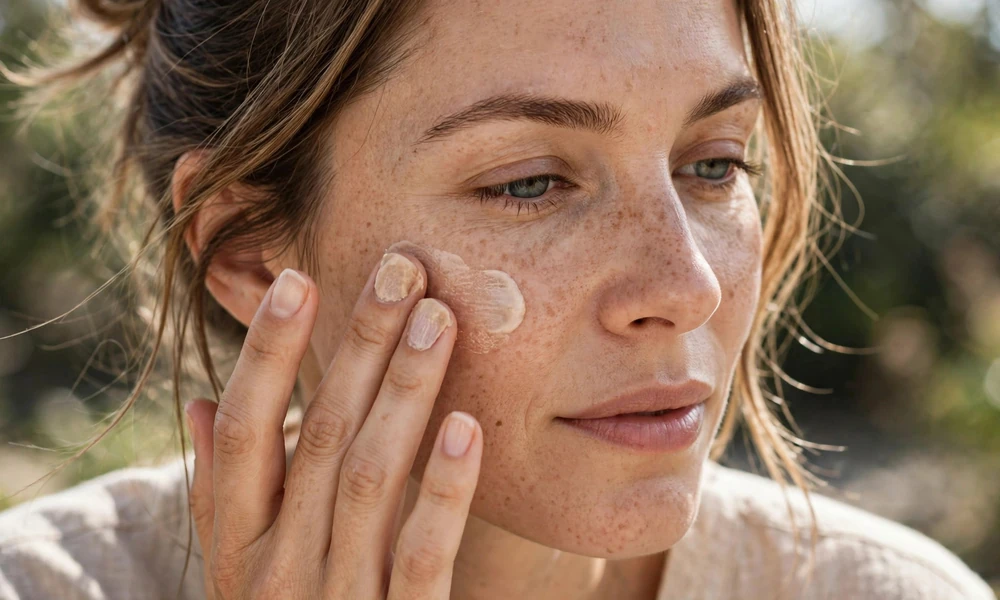
Look next at the finish and the texture. A dewy, hydrating formula suits dry and mature skin, because it adds the glow that dry skin often lacks. A gel-cream or oil-free formula suits oily and combination skin, because it stays in place and does not add shine by midday. A matte finish can look flat on dry skin, and a very dewy finish can look greasy on oily skin, so match the finish to your skin, not to the trend.
Finally, look at the coverage and the wear. Sheer coverage evens tone and lets freckles show through. Light coverage softens redness and small marks. Neither will cover a dark spot or a raised blemish on its own, and that is fine. A little concealer on the spots that need it, over a good tint, looks better than a heavy base everywhere. Our guide to the best moisturizers for combination skin is a useful companion here, because the right tint starts with skin that is properly hydrated, and a tint cannot do the work of a moisturiser underneath it.
The 9 best tinted moisturizers of 2027
Laura Mercier Tinted Moisturizer Natural Skin Perfector SPF 30
What we like: The original tinted moisturizer, still one of the best, with a natural, skin-like finish, sheer buildable coverage, and 24 shades. What to consider: Premium price, and the dewy finish can look shiny on very oily skin. Best for: Normal, dry, and combination skin. Shade range: 24 shades. Price range: Around $52. Standout feature: The most natural, undetectable finish in the group.
This is the tint other tints are measured against. It is not the cheapest, and it is not the most long-wearing, but for a natural finish that never looks like makeup, it remains a strong first choice.
NARS Pure Radiant Tinted Moisturizer SPF 30
What we like: A radiant, oil-free formula with 16 shades, light coverage, and a luminous finish that suits dull or tired skin. What to consider: The glow can be too much for very oily skin, and the shade range is narrower than some rivals. Best for: Normal, dry, and dull skin. Shade range: 16 shades. Price range: Around $45. Standout feature: A lit-from-within radiance that flatters tired skin.
A practical, polished option for people who want their skin to look rested and bright without a full face of makeup. One thin layer is enough.
bareMinerals Complexion Rescue Tinted Hydrating Gel Cream SPF 30
What we like: A gel-cream texture that feels light and cooling, with 20 shades, sheer to light coverage, and a fresh, hydrated finish. What to consider: Sheer coverage, so it will not hide stronger redness on its own. Best for: Normal, combination, and sensitive skin. Shade range: 20 shades. Price range: Around $39.50. Standout feature: The lightest, most comfortable texture in the group.
This is a good starting point if you dislike the feel of makeup, or if you want a tint that feels like skincare and wears like nothing at all.
IT Cosmetics Your Skin But Better CC+ Cream SPF 50
What we like: The highest SPF in the group at 50, with fuller coverage than most tints, anti-ageing skincare ingredients, and 12 shades. What to consider: Heavier than a true tinted moisturizer, and the shade range is limited. Best for: Mature skin and anyone wanting more coverage. Shade range: 12 shades. Price range: Around $47. Standout feature: SPF 50 with real coverage in one step.
The coverage here is closer to a light foundation than a sheer tint, which makes it a good choice when you want more evening-out, and a less good one when you want to look bare-faced.
Saie Slip Tint Dewy Tinted Moisturizer SPF 35
What we like: A clean-beauty favourite with a dewy, glassy finish, 14 shades, and a lightweight texture that layers well over skincare. What to consider: Very dewy, so oily skin may need powder, and the wear time is shorter than some rivals. Best for: Dry and normal skin. Shade range: 14 shades. Price range: Around $38. Standout feature: The dewiest, most skin-like glow in the group.
For dry skin and anyone who loves a fresh, hydrated look, this is an easy, low-fuss place to start.
Ilia Super Serum Skin Tint SPF 40
What we like: A serum-style skin tint with niacinamide, squalane, and hyaluronic acid, 30 shades, and a natural finish that improves with wear. What to consider: Premium price, and the finish can look shiny on oily skin without powder. Best for: All skin types, especially dry and mature. Shade range: 30 shades. Price range: Around $48. Standout feature: The widest shade range and a genuine skincare formula.
If your skin is dry and you want a tint that treats your skin while it evens tone, this serum-style formula is often much more comfortable than a standard tint.
Smashbox Halo Healthy Glow All-in-One Tinted Moisturizer SPF 25
What we like: A primer, moisturiser, and tint in one, with goji berry and gold, 8 shades, and a healthy glow finish. What to consider: Only 8 shades, so matching is harder, and SPF 25 is the lowest in the group. Best for: Normal and combination skin. Shade range: 8 shades. Price range: Around $42. Standout feature: A true all-in-one that replaces three morning steps.
A sensible choice for people who want the shortest possible routine. It will not suit everyone, because the shade range is narrow, but when the shade matches, the result is quick and polished.
Neutrogena Hydro Boost Hydrating Tint
What we like: The most affordable tint in the group, with hyaluronic acid for hydration, a light, fresh texture, and a natural finish. What to consider: A small shade range and light coverage, so it suits fair to medium skin best. Best for: Dry and normal skin on a budget. Shade range: Around 10 shades. Price range: Around $17. Standout feature: The best value, with real hydration built in.
This is the budget-friendly, beginner-friendly entry point. Used daily, it evens tone and keeps skin hydrated without irritation or a heavy feel.
Fenty Beauty Eaze Drop Blurring Skin Tint
What we like: A blurring, flexible formula with 25 shades, light buildable coverage, and a soft, natural finish that suits a wide range of skin tones. What to consider: The finish is more matte than dewy, so very dry skin may want a richer moisturiser underneath. Best for: Combination and oily skin. Shade range: 25 shades. Price range: Around $36. Standout feature: A blurring effect that softens pores and texture.
A straightforward, inclusive option for people who want a tint that stays put, blurs texture, and comes in a shade that actually matches. It is gentle enough for most people to use daily.
Which tinted moisturizer is right for your skin type
Dry skin usually does well with a richer, dewy formula or a serum-style tint with hyaluronic acid and squalane. The goal is even tone without tightness, so a tint that leaves skin feeling comfortable after five minutes is a better sign than one that looks perfect for ten minutes and then feels dry.
Oily and combination skin often prefer a gel-cream, oil-free, or blurring formula, used in a thin layer, with a light dusting of powder only where shine appears. A dewy finish will not last on oily skin, and a heavy cream will slide off by midday. A foundation made for oily skin is worth considering on days when you need more staying power, because a tint is not designed to hold up through heat, humidity, or a long day on its own.
Sensitive skin needs a short ingredient list and no fragrance. Choose a mineral SPF tint or a fragrance-free formula, patch-test on your jawline for two to three days, and introduce it on its own, not at the same time as a new active. Mature skin often benefits most from a tint, because heavy foundation settles into fine lines, while a sheer, hydrating tint softens the look of uneven tone without emphasising texture.
The caveats that matter
A tinted moisturizer is a useful everyday product, but it has real limits. It will not cover deep pigmentation, it will not hide a raised blemish, and its SPF is not a substitute for sunscreen. It can also oxidise slightly as it dries, which is why a shade that matches in the tube can look a touch darker or warmer an hour later.
| Detail | What is known |
|---|---|
| Best coverage for most skin | Sheer to light coverage, buildable in thin layers, never heavy |
| When to use it | Morning, after moisturiser and sunscreen, as your everyday base |
| How long it lasts | Usually 4 to 6 hours; set with powder if you need longer wear |
| Who should check the shade first | Very fair and very deep skin tones, where ranges are often narrowest |
| What to avoid pairing at first | A heavy oil or a rich cream underneath, which can make it slide |
| Storage | Cool place, away from light and heat; use within 12 months of opening |
| When to replace it | If it smells off, separates and will not mix, or the colour has changed |
| What it does not do | It does not cover deep pigmentation alone, hide blemishes, or replace sunscreen |
If you are pregnant, breastfeeding, or using prescription skincare, check with your clinician or dermatologist before adding a new product, especially one with chemical SPF or active ingredients. That is not a formality. Prescription treatments change what your skin can tolerate, and a simple check avoids weeks of irritation.
Checklist: choosing a tinted moisturizer honestly
Use these checks before you buy, and again after two weeks of use.
- Check the shade in daylight on your jawline, and wait a minute for it to settle before deciding.
- Check the finish: dewy for dry skin, gel-cream or blurring for oily and combination skin.
- Check the shade range: ten or more shades gives you a real chance of a match.
- Patch-test first: apply to your jawline or inner arm for two to three days before full-face use.
- Start thin: one pea-sized amount, blended outward, then add more only where you need it.
- Protect the result: use a full layer of sunscreen underneath, because the SPF in a tint is not enough on its own.
Frequently asked questions
How much tinted moisturizer should I use?
A pea-sized amount is enough for most faces. Start in the centre of the face, blend outward with fingers or a damp sponge, and add a little more only where you need extra evening-out.
Can I use a tinted moisturizer instead of sunscreen?
No. Most people apply far less tint than the amount used in SPF testing, so the real protection is much lower than the label. Use a proper sunscreen underneath and treat the SPF in your tint as a bonus. Our guide to the best tinted sunscreens explains how to layer the two without pilling.
Can I use a tinted moisturizer with oily skin?
Yes, but choose the right formula. Look for oil-free, gel-cream, or blurring textures, apply a thin layer, and set the T-zone with a light powder if shine appears. Avoid very dewy formulas, which tend to slide off oily skin by midday.
Why does my tinted moisturizer look grey or ashy?
It is usually the wrong undertone, not the wrong depth. A shade with a pink or neutral undertone can look grey on warm skin, and a warm shade can look orange on cool skin. Try a shade with the opposite undertone, and test it in daylight on your jawline.
Is a tinted moisturizer safe for sensitive skin?
Often yes, if you choose a fragrance-free formula with a short ingredient list. Patch-test on your jawline for two to three days first, and introduce it on its own. If redness persists, stop and try a gentler routine.
Do I still need concealer if I use a tinted moisturizer?
For most people, yes, a little. A tint evens overall tone, but it will not cover a dark spot or a blemish on its own. A small amount of concealer on the spots that need it, over a good tint, looks better than a heavy base everywhere.
The bottom line
The best tinted moisturizer in 2027 is not the most expensive or the one with the highest SPF on the label. It is the one whose shade disappears into your skin, whose finish suits your skin type, and that you will actually use every morning. For dry skin, a dewy or serum-style tint is the smart choice. For oily or combination skin, a gel-cream or blurring formula will last longer and look better by midday.
Choose one tint, test the shade in daylight, use it consistently for two weeks, and judge it on how your skin looks and feels at the end of the day, not on how it looks in the first five minutes.