

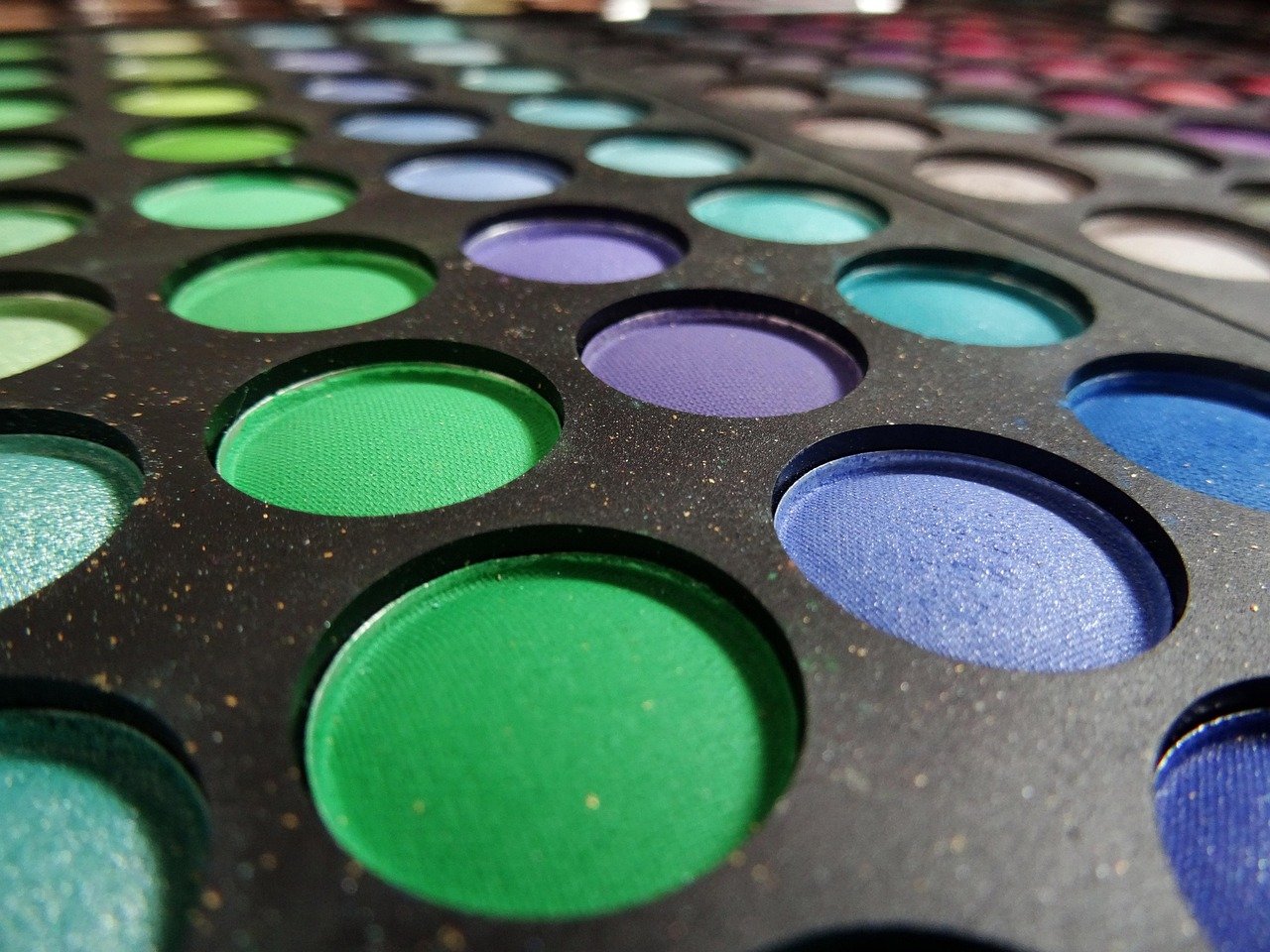
Has blue eyeshadow ever really been a mistake, or is it just the most misunderstood color in the palette? Ask ten people and you will get ten opinions. Some will call it a relic of the 1980s, a frosted smear of disco nostalgia. Others will point to runway photos and argue that blue is having another moment. Both camps are right, which is exactly why blue eyeshadow is such an interesting subject. It has been a status symbol, a drugstore staple, a punchline, and a trend piece more times than almost any other shade. This guide walks through the history, the pigment chemistry, the application techniques that actually work, and the mistakes that make people swear off blue forever.
Why Blue Eyeshadow Has Such a Complicated Reputation
Blue is the only eyeshadow color that carries genuine cultural baggage. Green, purple, and orange have all had their awkward decades, but none of them get mocked the way a bright blue lid does. The reason is partly historical and partly technical.
Historically, blue eyeshadow was a screen invention before it was a street trend. Vivid makeup read better on early color film stock, so saturated blues and greens became a convention in 1930s to 1950s cinema. What worked under hot studio lights looked dramatically different in a bathroom mirror, and that gap between screen and reality never fully closed.
Technically, blue is unforgiving. It is a cool, high-contrast shade that shows every application flaw. A patchy blend, a crease line, a heavy hand, and suddenly the whole look reads as costume rather than makeup. That is not the color’s fault. It is a pigment and technique problem, and it is solvable.
There is also a documented cycle of opinion. Beauty writing has framed blue eyeshadow as either retro-chic or a mistake for decades, and the argument repeats roughly every couple of decades. That pattern alone should tell readers something: the color is not inherently dated. The styling around it is what ages.
From Malachite Paste to Technicolor: A Short History
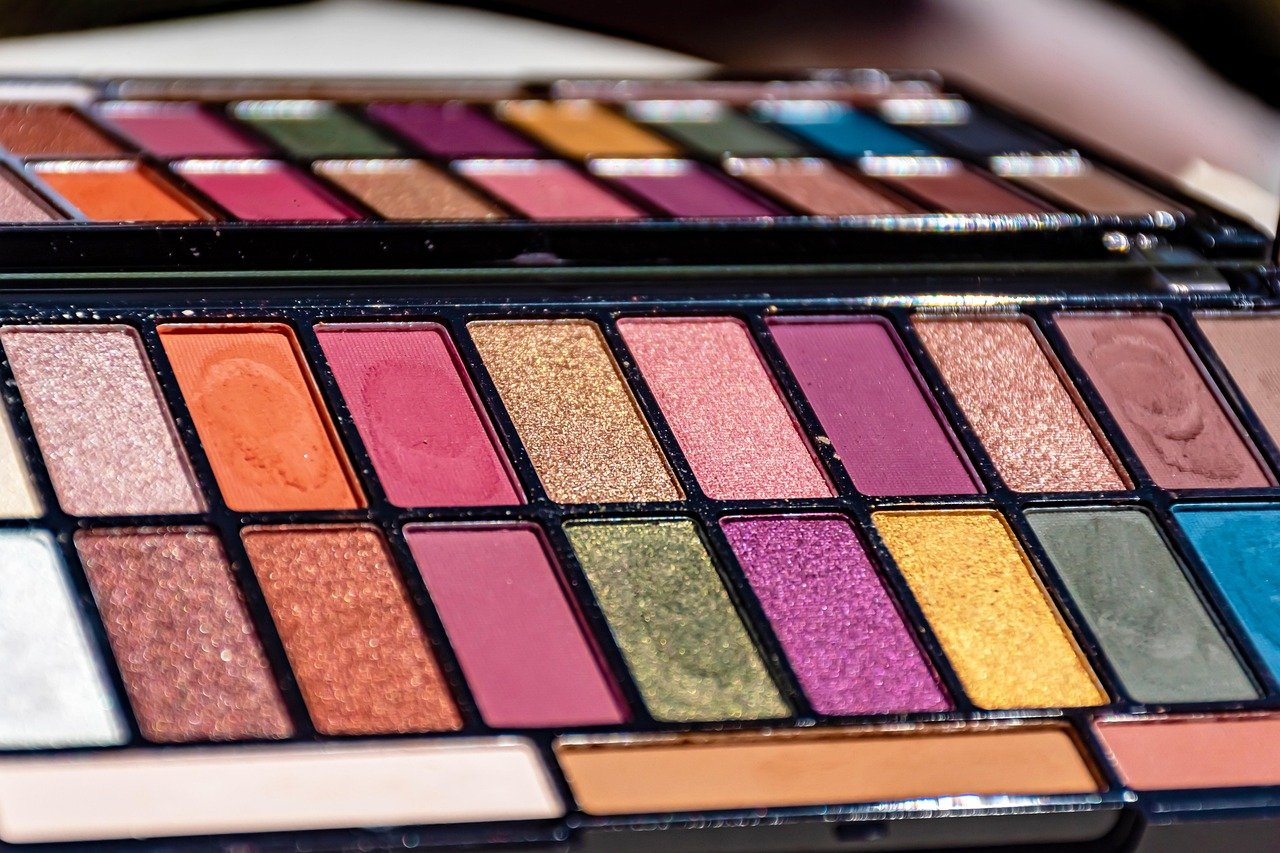
The oldest eye colorants were not shadows in the modern sense. Around 4000 BCE and onward, ancient Egyptian eye paint combined black kohl made from galena with a green paste made from malachite. That malachite paste is the closest ancient analogue to colored eyeshadow, and it was applied around the eyes for protection and ritual as much as decoration.
The word “eyeshadow” as a distinct product category is relatively modern. Earlier sources describe “eye paint” or “eye cosmetics,” which is a useful reminder that the object itself changed before the name caught up.
The twentieth century changed everything. Synthetic pigments got cheaper, cosmetics moved into drugstores, and the 1960s pushed bright pastel and electric blues into mainstream fashion through mod and pop-art aesthetics. By the 1970s and 1980s, frosted and shimmering blues paired with heavy liner became a recognized period style tied to disco and early-MTV styling. Fashion historians debate the exact decade boundaries, but the broad arc is not controversial.
If you want a sense of how deeply blue runs through culture, the story of indigo coloration and how this ancient blue still defines modern taste is a good companion read. It explains why blue keeps returning to fashion in cycles rather than fading out.
What Is Actually in Blue Eyeshadow?
Here is a fact that surprises most people: a blue eyeshadow is rarely one pigment. Many shades are blends of ultramarine (CI 77007), ferric ferrocyanide, also called Prussian blue (CI 77510), and mica- or bismuth-based pearlescents. The combination of a base blue, a pearl, and a binder determines whether the shade reads as matte, satin, or frost.
Ultramarine has a famous backstory. It was historically made from lapis lazuli and was extraordinarily expensive in Renaissance painting before a synthetic version was developed in 1826. The same pigment family that once cost more than gold now sits in drugstore palettes.
Regulation matters too. In the United States, color additives must be pre-approved for their specific use. FD&C Blue No. 1, also known as Brilliant Blue FCF or CI 42090, is permitted in cosmetics and drugs, but its permitted uses and labeling rules differ by jurisdiction and change over time. Anyone with sensitive eyes or a contact lens habit should treat blue shades like any other cosmetic and check the ingredient list rather than assume.
Formulation also explains a common complaint. Cheaper blues can stain the lid or apply unevenly because the pigment load is high and the binder is thin. A better-formulated blue costs more for a reason, and it is usually worth it.
Choosing the Right Blue for Your Skin Tone and Eye Color
The single biggest mistake people make is buying the wrong blue. There is no universal blue. There is a blue that flatters you and a blue that fights you.
| Blue family | Best for | What it does |
|---|---|---|
| Navy and ink | Almost everyone, especially beginners | Reads as a neutral, doubles as liner, hard to overdo |
| Slate and gray-blue | Cool undertones, mature lids | Softens texture, looks expensive, blends easily |
| Teal and peacock | Warm and olive undertones | Adds warmth without going green, flattering on brown eyes |
| Cobalt and royal | Medium to deep skin tones, bold looks | High impact, needs a clean base and sharp edges |
| Pastel and baby blue | Fair skin, editorial or costume looks | Very unforgiving, best used as an accent |
| Frosted and metallic | Anyone who wants shimmer on the center of the lid | Reflects light, but creases if applied over bare skin |
A practical rule: the darker and grayer the blue, the easier it is to wear. The lighter and more saturated the blue, the more precision it demands. If someone is new to blue, starting with navy or slate is not a compromise. It is the smart path.
For more specific shade and design inspiration, a broader blue nails guide with eight shades, designs, and ideas shows how the same color logic plays out elsewhere in beauty. The principles of warm versus cool blue transfer almost perfectly.
Application Techniques That Actually Work
Blue rewards preparation more than any other shadow color. Here is a sequence that holds up in practice.
- Prime the lid. A thin, even primer or a concealer set with powder prevents creasing and stops pigment from migrating into fine lines.
- Build in thin layers. Load a small brush, tap off the excess, and press rather than sweep. Two thin layers beat one heavy one every time.
- Place the darkest blue at the lash line. This anchors the look and stops the color from floating.
- Keep the crease neutral. A warm brown or taupe in the crease keeps blue from reading as costume.
- Blend the edges with a clean brush. No product on the brush, just small circles. This is the step most people skip.
- Finish with mascara and a defined brow. Blue needs structure above and below, or the face looks unfinished.
The Placement Trick Most People Miss
Blue works best as a single-focus accent. Choose one zone: a thin line along the upper lash line, a pop on the center of the lid, or a soft wash on the outer third. When blue appears everywhere at once, the eye loses its shape and the color takes over.
Another underrated technique is using blue as liner rather than shadow. A damp angled brush and a deep blue powder creates a crisp line that reads as intentional rather than retro. This is the most reliable way to wear blue at an office or in daylight.
Common Mistakes and How to Fix Them
Most blue eyeshadow failures come down to a handful of repeatable errors. Each one has a fix.
Applying over bare, unprimed lids. The color creases within an hour and looks patchy. Fix: prime and set.
Choosing a frost for a mature lid. Frosted blues emphasize texture. Fix: switch to satin or matte and keep shimmer to the inner corner.
Pairing bright blue with bright lipstick. The face ends up with two competing focal points. Fix: keep the lip nude or a soft rose.
Skipping the brow. Blue draws the eye upward, and an undefined brow makes the whole look feel unbalanced. Fix: fill the brow lightly before starting the eyes.
Using a dirty brush. Residual brown or black pigment muddies blue instantly. Fix: wash brushes or keep a dedicated blue brush.
Ignoring the lighting. A shade that looks subtle in a bathroom can look electric in daylight. Fix: check the look near a window before committing.
Blue Eyeshadow and Eye Safety
The eye area is thin, vascular, and easy to irritate, so eye cosmetics carry specific safety concerns. Products intended for the eye area are expected to be adequately preserved and tested for eye irritation, and sharing eye makeup is a known infection risk. That last point matters more than people think. Mascara wands and eyeliner tips pick up bacteria, and a blue pencil borrowed from a friend is still a borrowed pencil.
Practical habits that help:
- Sharpen pencils before each use.
- Replace liquid eye products on a sensible schedule rather than waiting for a smell.
- Never add water or saliva to dried-out powder or mascara.
- Remove eye makeup fully before sleep, especially pigment-rich blues.
- Patch test a new blue on the inner arm if the skin is reactive.
None of this is specific to blue, but blue’s high pigment load makes clean application habits more important, not less.
Blue Eyeshadow in 2020s Makeup
The current revival looks nothing like the 1980s version. Today’s blue is more likely to appear as a graphic liner flick, a wash of slate across the lid, or a single cobalt dot at the inner corner. The styling is minimal everywhere else: bare skin, brushed brows, a clear gloss.
There is also a practical reason blue keeps coming back. It photographs well, it reads clearly on video calls, and it offers contrast that neutral palettes cannot. In a market saturated with beige, blue is the easiest way to look deliberate.
For anyone building a color wardrobe, the tag archive of blue nail ideas is a useful reminder that blue can accent a whole look, including areas beyond the eyes. Matching a deep blue liner to a deep blue nail is a simple, cohesive move that reads as styled rather than accidental.
If shimmer is the goal, the blue nail designs collection shows how finishes change a color’s personality. The same frosted-versus-matte decision applies to lids, and the answer is usually the same: matte for daytime, shimmer for evening.
How to Build a Small, Useful Blue Collection
Nobody needs twelve blues. Three will cover almost every situation.
Start with a deep navy that can be used as shadow or liner. Add a slate or gray-blue for soft daytime washes. Finish with one saturated accent, either cobalt or teal, for evenings and photos. That trio handles neutral, soft, and bold, and it costs less than a single trend palette.
Two tools make the trio work harder: a small flat shader for packing color onto the lid and a damp angled brush for liner. A clean blending brush is the third. With those three brushes, a $30 trio outperforms a $90 palette applied with the wrong tools.
One more practical note: store blue powders away from humidity. Pigment-heavy shadows absorb moisture, harden on the surface, and lose payoff. A tight lid and a dry drawer extend their life considerably.
Conclusion
Blue eyeshadow is not inherently dated, difficult, or risky. It is a high-contrast color that punishes skipped steps and rewards preparation. The people who look best in it are rarely the ones with the boldest shade. They are the ones who primed properly, chose a blue that suited their undertone, kept the rest of the face quiet, and blended the edges.
The history backs this up. Blue has cycled through ritual paint, cinema convention, drugstore trend, and runway staple, and it has survived all of it. The color was never the problem. The application was.
So the next time someone insists blue eyeshadow is a mistake, the honest answer is that it depends entirely on how it is worn. Start with navy. Prime the lid. Keep the crease neutral. Build in thin layers. That approach works in daylight, in photographs, and in 2026 as well as it did in 1985.
Frequently Asked Questions
Does blue eyeshadow make you look older?
It can, but the color is not the cause. Frosted finishes and heavy application emphasize lid texture and fine lines. Switching to a satin or matte blue and keeping shimmer to the inner corner usually solves the problem entirely.
What blue eyeshadow suits brown eyes?
Warm-leaning blues flatter brown eyes most reliably. Teal, peacock, and blue-greens create contrast without clashing, while deep navy adds definition. Cobalt works well for evening looks, especially on medium to deep skin tones.
Can you wear blue eyeshadow to work?
Yes, if the placement is restrained. A thin line of deep blue along the upper lash line, or a soft slate wash on the lid, reads as polished rather than dramatic. Save the bright cobalt and pastel shades for evenings and weekends.
Why does blue eyeshadow crease so badly?
Creasing usually comes from application over bare or oily lids, not from the pigment itself. A primer plus a light setting powder underneath gives the color something to grip. Thin layers also crease far less than one heavy application.
Is blue eyeshadow back in style?
It never fully left. Blue appears in cycles, and the current version is minimal and graphic rather than frosted and heavy. Graphic liner, soft slate washes, and single accent dots are the modern interpretations, and they are considerably easier to wear.
How do you stop blue eyeshadow from staining the lid?
Staining is most common with high-pigment and cheaper formulations. A primer creates a barrier, and a proper oil-based remover lifts residue that micellar water alone can leave behind. If staining persists, switch to a formula with a finer-milled pigment.









