



Can a scoop of Epsom salt and a splash of apple cider vinegar pull toxins out through your skin? This is one of the most shared wellness ideas online, and recipes are everywhere: baking soda soaks, bentonite clay baths, hydrogen peroxide soaks, and “drawing” salts with aromatic plant oils. They promise clearer skin, better sleep, less inflammation, and a cleaner body from the inside out.
The honest answer is more complicated than the recipe cards suggest. Baths can absolutely help you relax, ease sore muscles, and feel human again after a long week. But the “detox” part of the promise deserves a closer look, because some of these recipes are harmless, some are useless, and a few can actually hurt you. Here is what the science supports, what it doesn’t, and how to build a bath that does something real for your body.
What “Detox” Actually Means in a Bath
The word detox has no standard medical definition. That is not a small detail. It means anyone selling a detox bath recipe, tea, or supplement can use the term freely without proving it does anything.
Your body already has a sophisticated waste-removal system: the liver processes and breaks down substances, and the kidneys filter waste into urine. Lungs, skin, and digestion play supporting roles. This system runs constantly, whether or not you ever drop a cup of Epsom salt into hot water.
The skin’s main job is to be a barrier. It keeps water in and keeps most things out. Transdermal absorption is real but limited and selective: some molecules get through, most do not. The popular idea that a warm bath “opens your pores” so toxins can pour out does not match how skin physiology works. Pores are openings for oil and sweat glands, not waste disposal chutes for whatever is floating in your bathwater.
That does not mean baths are pointless. It means the benefits are different from the marketing. Warm water relaxes muscles, eases joint stiffness, softens skin, and creates a forced pause in a busy day. Those are real, measurable goods. They just aren’t detoxification.
The Common Ingredients, Ranked by What They Do
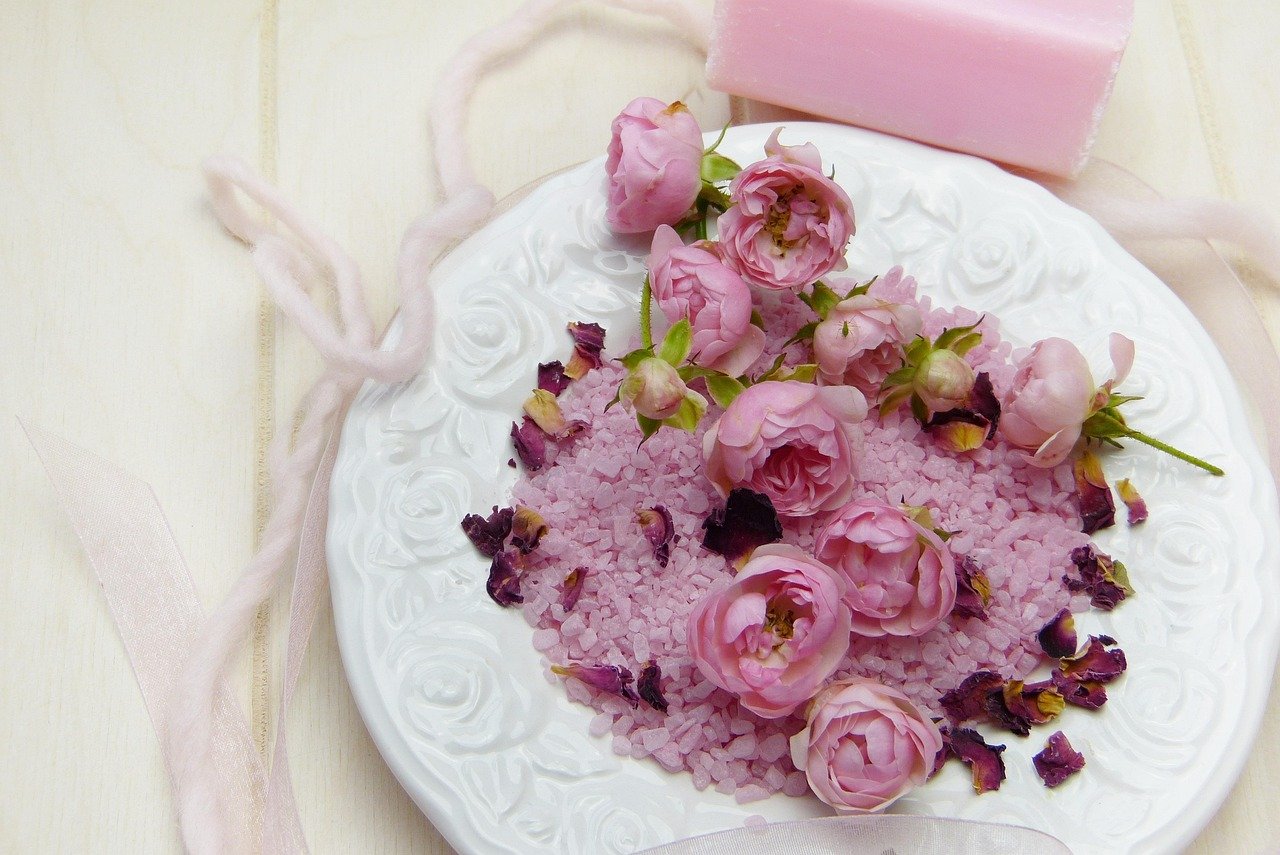
Most detox bath recipes combine a few of the same players. Here is how each one holds up.
| Ingredient | What it actually does | Evidence for “detox” | Risk level |
|---|---|---|---|
| Epsom salt (magnesium sulfate) | Soothes muscles, softens skin, aids relaxation | Weak; skin absorption is limited | Low unless swallowed |
| Baking soda | Softens water, calms itchy skin | None | Low |
| Apple cider vinegar | Slightly acidic; may irritate skin | None | Moderate for sensitive skin |
| Bentonite clay | Makes water silky; marketed as “drawing” | None proven | Some clays contain heavy metals |
| Hydrogen peroxide | Antiseptic at low strength | None for baths | High; can burn skin |
| Aromatic plant oils | Scent, relaxation | None | Moderate; dilution matters |
| Sea salt | Similar to Epsom, less magnesium | None | Low |
Epsom salt: the star that underdelivers
Epsom salt is the backbone of nearly every detox bath recipe. The claim is that magnesium absorbs through your skin and relaxes you from the inside. A small pilot study found only a modest rise in blood magnesium after a short soak, and the researchers themselves flagged the evidence as limited. Some magnesium does appear to cross the skin, but the amounts are tiny compared with what you get from food.
What Epsom salt does do well is feel good. The salt changes how water feels against your skin, and a long soak in warm magnesium-rich water is a genuinely pleasant way to unwind. Just do not count on it to fix a magnesium deficiency. If your doctor says you need more magnesium, ask about dietary sources or supplements first.
One important warning: Epsom salt is a laxative when swallowed and can cause magnesium toxicity in people with kidney problems. Keep it out of reach of children and pets, and never drink bathwater with salts in it.
Baking soda: the gentle workhorse
Baking soda is the least dramatic ingredient in the bunch, which is probably why it is the safest. It softens hard water, which makes a bath feel silkier, and it can calm itchy or irritated skin. There is no evidence it removes toxins, but it also does not pretend to. If you have sensitive skin, a plain baking soda bath is a reasonable choice.
Apple cider vinegar: skip it if your skin is sensitive
Apple cider vinegar has a devoted following, and it does have legitimate uses in the kitchen. In a bath, though, it makes the water acidic. For some people that is fine. For others, especially anyone with eczema, psoriasis, or broken skin, it can sting, dry, or irritate. There is no evidence it pulls toxins out of your body, so if your skin is at all reactive, leave it out. A splash in a full tub is unlikely to hurt most people, but it is not doing the job the recipe claims.
Bentonite clay: the risky one
Bentonite clay baths are marketed as “drawing” toxins out through the skin. There is no good evidence this happens. More concerning, some clays have been found to contain lead and other heavy metals, and the FDA has issued warnings about clay products over the years. If you want to try a clay mask on your face, that is a different conversation. A full-body clay bath is not worth the risk.
Hydrogen peroxide: do not do this
Hydrogen peroxide baths show up in detox recipes with alarming regularity. This is the one to avoid outright. Concentrated peroxide causes skin burns, and even the 3% bottle from the drugstore can irritate skin with prolonged contact. Poison control centers advise against using it on skin for “detox” purposes. There is no scenario where soaking in peroxide is a good idea.
How to Build a Bath That Actually Helps
If you want the real benefits of a bath, skip the detox framing and focus on what works. Here is a simple, evidence-friendly approach.
- Start with warm, not hot, water. Hot baths can cause dizziness, fainting, and cardiovascular strain, especially for people with heart conditions. Warm water is safer and just as relaxing.
- Add two cups of Epsom salt or plain sea salt. It softens the water and makes the soak more pleasant. This is the one ingredient worth keeping.
- Add half a cup of baking soda if your skin is itchy or the water is hard. It is cheap, gentle, and effective.
- Skip the vinegar, clay, and peroxide. None of them add benefit, and each carries some risk.
- Keep it to 15 to 20 minutes. Longer soaks dry out skin and increase the chance of lightheadedness.
- Drink water before and after. Warm water raises your body temperature and can leave you dehydrated.
- Moisturize within a few minutes of getting out. A bath strips some natural oils, so lock moisture back in while your skin is still damp.
If you want a ritual that feels like self-care, that is a perfectly good reason to take a bath. You do not need a detox label to justify it.
Common Mistakes People Make With Detox Baths
Even a harmless recipe can go wrong with the wrong technique. These are the mistakes that show up again and again.
Using water that is too hot. The hotter the water, the greater the strain on your heart and blood vessels. If you feel lightheaded, flushed, or your heart is racing, get out slowly.
Bathing with broken or irritated skin. Any cut, rash, or patch of eczema is an open door for irritation from salts, acids, and aromatic plant oils. Wait until skin heals.
Overdoing the aromatic plant oils. A few drops diluted in a carrier oil are enough. Straight aromatic plant oils in bathwater can cause contact dermatitis, and citrus oils can make skin sensitive to sunlight.
Soaking for an hour. Long baths dry out skin and increase dizziness risk. Twenty minutes is a good ceiling.
Expecting a bath to replace medical care. If you are dealing with fatigue, skin problems, or other symptoms you think are “toxin” related, a bath will not fix them. A doctor can help you figure out what is actually going on.
Forgetting about kids and pets. Children can absorb more through their skin relative to their body size, and pets will happily drink bathwater. Keep the door closed and the water drained.
What About the Wellness Trends Around Baths?
Detox baths sit in a crowded wellness landscape. The same internet that brought you Epsom salt soaks also brought the cowboy colostrum trend that actually delivers for your body, a reminder that not every viral health idea is nonsense, but each one deserves scrutiny. The pattern is familiar: a simple habit gets dressed up in detox language, and the language outruns the evidence.
The same thing happens in fitness. People chase the “best” workout, whether that is HIIT, Pilates, or barre, when the real answer is usually the one you will actually do consistently. You can read a full breakdown of HIIT vs Pilates vs barre and which full body workout actually works if you are weighing options. The lesson carries over: consistency and basic physiology beat dramatic claims every time.
Even something as simple as a manicure gets swept up in trend language. Searches for bubble bath nail ideas and OPI bubble bath nails show how a single phrase can spawn a whole aesthetic. A “bubble bath” manicure is just a soft, sheer pink polish, and that is fine. Not everything needs a health claim attached.
The takeaway is not to be cynical about every trend. It is to ask a simple question: what is the actual mechanism here, and is there evidence for it? For detox baths, the mechanism is relaxation, and the evidence for that is strong. The toxin removal part is where the trail goes cold.
When a Bath Is a Bad Idea
Baths are low-risk for most healthy adults, but not everyone should soak without checking first. Talk to a doctor before regular hot baths if you have a heart condition, low or unstable blood pressure, diabetes with nerve damage, or you are pregnant. People with open wounds, widespread rashes, or recent surgery should also wait.
If you have kidney disease, be especially careful with Epsom salt. Impaired kidneys clear magnesium slowly, and too much can build up to dangerous levels. That is true of supplements and bath products alike.
And if you ever feel faint, nauseated, or your heart is pounding during a bath, get out slowly, sit down, and drink water. Do not try to “push through” a detox reaction. There is no such thing, and the symptoms are your body telling you the water is too hot or the soak is too long.
A Realistic Detox Bath Recipe
Here is a version that keeps what works and drops what doesn’t.
- 2 cups Epsom salt or sea salt
- 1/2 cup baking soda (optional, for itchy or dry skin)
- Warm water, not hot
- 15 to 20 minutes
- Water to drink before and after
- Moisturizer for right after
That is it. No peroxide, no clay, no vinegar unless you know your skin tolerates it. It will not detox anything, but it will help you sleep better, ease sore muscles, and feel like a person again. That is a fair trade.
Conclusion
Detox bath recipes are built on a promise the science does not keep. Your liver and kidneys handle detoxification, and your skin is a barrier, not a waste pipe. Epsom salt soaks are pleasant and mildly soothing, baking soda is a gentle option for sensitive skin, and the rest of the ingredient list ranges from useless to genuinely risky. Hydrogen peroxide belongs nowhere near a bathtub, and bentonite clay is not worth the heavy metal concern.
None of that means you should skip the bath. A warm soak is one of the cheapest, simplest forms of self-care there is, and the relaxation benefits are real. Just call it what it is: a bath, not a detox. Your body is already doing that job, and doing it well.
Frequently Asked Questions
Do detox baths actually remove toxins?
No. There is no clinical evidence that bath additives draw toxins out through your skin. Your liver and kidneys do the detoxifying, and skin is designed to keep substances out rather than let them out. A bath can help you relax, but it does not cleanse your body of toxins.
Is an Epsom salt bath good for you?
It can be, for comfort rather than detox. Epsom salt softens the water and makes a soak more pleasant, and warm water eases muscle soreness. The magnesium absorption through skin is limited, so do not rely on it to correct a deficiency. Never swallow Epsom salt or use it if you have kidney disease without asking a doctor.
Can I put hydrogen peroxide in my bath?
No. Hydrogen peroxide can burn or irritate skin, and even the 3% drugstore solution is not meant for prolonged skin contact. Poison control guidance advises against using it on skin for detox purposes. There is no benefit to offset the risk.
How long should a detox bath last?
Keep it to 15 to 20 minutes. Longer soaks dry out your skin and raise the risk of dizziness or fainting from the heat. If you feel lightheaded at any point, get out slowly and drink water.
Is apple cider vinegar safe in a bath?
It depends on your skin. A small splash in a full tub is unlikely to harm most people, but the acidity can sting and irritate sensitive, dry, or broken skin. There is no evidence it removes toxins, so if you have eczema or psoriasis, skip it.
What is the safest detox bath recipe?
The simplest one: two cups of Epsom or sea salt, optional baking soda, warm water, and 15 to 20 minutes. Skip peroxide, clay, and vinegar, moisturize afterward, and drink water before and after. It will not detox you, but it is a safe and genuinely relaxing soak.









