

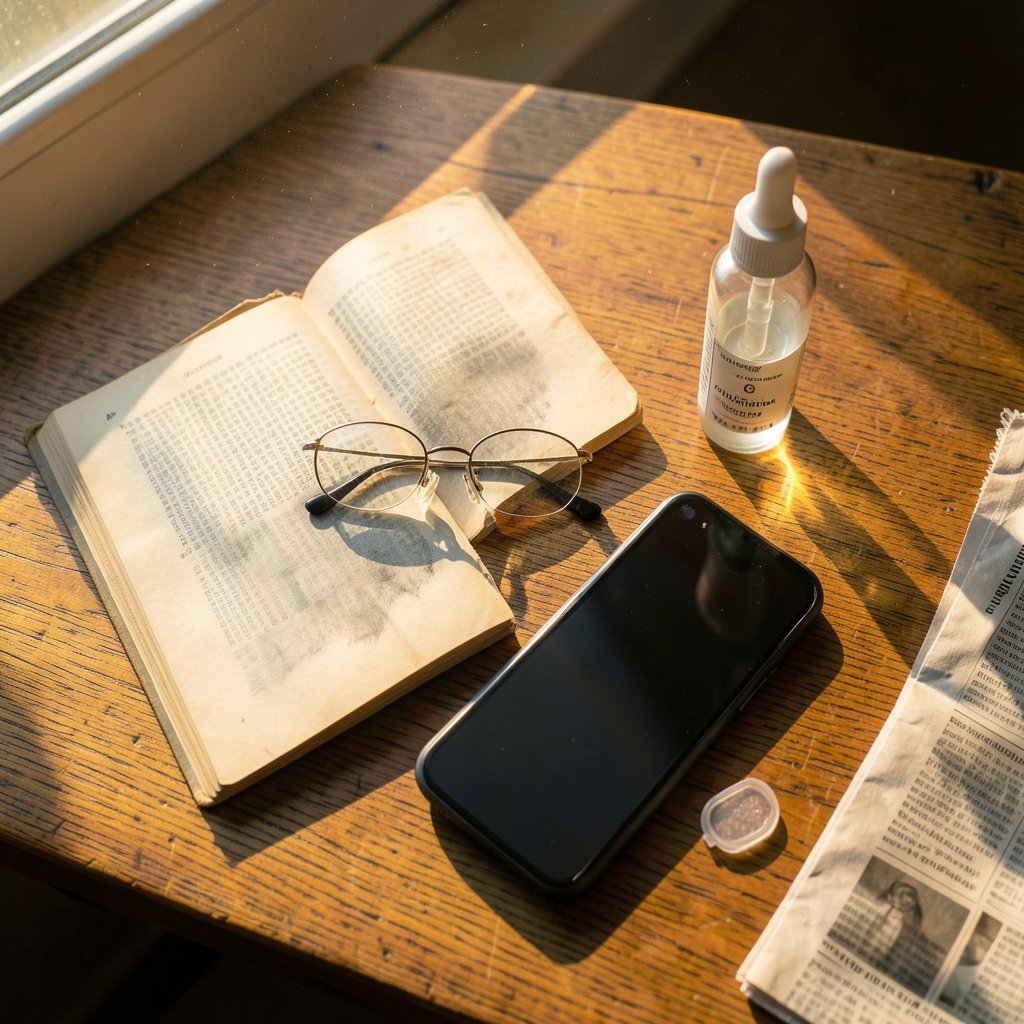
Have you ever squinted at a text message and realized the words had turned into soft gray smudges? Or rubbed your eyes after a long day at a screen, only to find the world still looked slightly out of focus? That fuzzy, unfocused feeling is what most people mean by blurred vision, and it is one of the most common reasons people book an eye exam. It is also one of the most misunderstood symptoms in everyday health, because it can mean anything from “you need glasses” to “call an ambulance right now.”
The trick is knowing the difference. This guide walks through what blurred vision actually is, the everyday causes behind it, the red flags that demand urgent care, and the practical steps that genuinely help. No panic, no false reassurance, just a clear picture.
What Blurred Vision Actually Means
Blurred vision is a symptom, not a diagnosis. It describes a loss of sharpness that does not clear up simply by blinking or resting your eyes. That last part matters. If a few blinks fix the fuzziness, you are probably dealing with dry eyes or a temporary tear-film problem. If the blur lingers, something more consistent is going on.
People use “blurred vision” and “blurry vision” interchangeably, and clinically they mean the same thing. Eye care professionals tend to prefer “blurred vision” in written records, but nobody will misunderstand you either way.
The causes fall into a few broad buckets: refractive errors (your eye’s shape does not bend light correctly), ocular surface problems (dry eye, allergies, infection), eye disease (cataract, glaucoma, retinal conditions), systemic disease (diabetes, blood pressure issues), and neurological causes (migraine, stroke). Each bucket behaves differently, which is why the pattern of your blur matters so much.
The Everyday Causes Most People Miss

Before assuming the worst, it helps to know that the majority of blurry vision complaints trace back to fairly ordinary, fixable problems.
Refractive error
Uncorrected refractive error is one of the leading causes of vision impairment worldwide, according to the World Health Organization’s 2019 World Report on Vision. In plain terms: you are nearsighted, farsighted, or have astigmatism, and your eyes are not focusing light cleanly on the retina. The blur is usually consistent, affects both distance and near vision differently, and sharpens dramatically the moment you put on the right prescription.
Hair and beauty routines can even play a role here. Someone with tightly coiled 4c hair who regularly wears heavy braids or tight protective styles may notice tension headaches and eye strain that mimic visual fatigue, especially when styling sessions run long under bright bathroom lighting. It is not the hair itself causing blur, but the sustained squinting and strain around it can absolutely make your vision feel worse by the end of the day.
Dry eye and screen strain
Dry eye is a frequent, benign cause of fluctuating blur. Symptoms often worsen with prolonged screen use and improve with blinking or lubricating drops. Here is the practical detail most people get wrong: when you stare at a screen, your blink rate drops sharply, and the tear film that keeps your cornea smooth starts to break up. The result is a smear that comes and goes.
What actually works in practice is the boring stuff. Follow the 20-20-20 rule (every 20 minutes, look at something 20 feet away for 20 seconds). Position your screen slightly below eye level. Use lubricating drops before your eyes feel gritty, not after. And if you work in air conditioning or heating, a humidifier does more than most people expect.
Diabetes and blood sugar swings
Diabetic retinopathy is a leading cause of vision loss in working-age adults, and it often has no symptoms early on. As it progresses, it can cause blurred vision. Separately, uncontrolled high blood sugar can cause temporary blurring by changing the shape of the lens itself, which is why eye doctors tell patients not to get a new glasses prescription right after a period of poor glucose control. Wait until your numbers stabilize, or you will pay for lenses that no longer fit your eyes.
When Blurred Vision Is an Emergency
This is the section worth reading twice. Most blur is not urgent. Some blur is. The distinction usually comes down to onset and associated symptoms.
Sudden blurred vision, especially in one eye, accompanied by flashes of light, a shower of new floaters, or a dark “curtain” creeping across your field of view, may signal retinal detachment. That is a medical emergency requiring immediate care. Every hour of delay matters for saving sight.
| Pattern of blur | Likely category | Urgency |
|---|---|---|
| Gradual, both eyes, worse at distance or near | Refractive error | Routine exam |
| Fluctuating, worse with screens, improves with blinking | Dry eye | Routine, self-care helps |
| Sudden, one eye, with flashes or a curtain | Retinal detachment | Emergency |
| Gradual loss of side vision, painless | Glaucoma | Prompt assessment |
| Temporary blur with zigzag lights or aura | Migraine | Discuss with a doctor |
| Blur with weakness, slurred speech, facial droop | Stroke or TIA | Emergency |
Glaucoma deserves a special note because it is sneaky. It usually causes gradual, painless peripheral vision loss and is often asymptomatic until late. Blurred vision can occur, but it is not the classic early sign, which is exactly why regular pressure checks matter more than symptom-watching. (The row)
How Eye Doctors Narrow It Down
A proper evaluation is more systematic than most people expect, and understanding the process helps you describe your symptoms well.
- History first. Your doctor will ask about onset (sudden or gradual), which eye, whether it is constant or intermittent, what makes it better or worse, and what medications you take.
- Visual acuity test. The classic eye chart, done with and without your current glasses.
- Refraction. Checking whether a new prescription sharpens things, which quickly rules refractive error in or out.
- Slit-lamp exam. Looking at the cornea, lens, and tear film for dryness, cataract, or inflammation.
- Dilated fundus exam. Eye drops widen the pupil so the retina and optic nerve can be inspected directly.
- Pressure check. Screening for glaucoma.
- Systemic workup if needed. Blood sugar, blood pressure, or referral to a specialist when the eye looks fine but the blur persists.
One common mistake: people describe their blur as “just tired eyes” and skip mentioning that it only happens in one eye, or only in the morning. Those details change the entire diagnostic path. Write your symptoms down before the appointment if you tend to forget under pressure.
Cataract, Migraine, and Other Named Causes
Cataract, the clouding of the lens, commonly causes blurred or dim vision and is treatable with surgery. It is a leading cause of reversible blindness globally. The blur tends to be gradual, often described as looking through a foggy window, and glare at night becomes a real problem. The good news is that cataract surgery is one of the most routinely performed and successful procedures in medicine.
Migraine is a different animal. Visual aura can cause transient blurring, often as shimmering or zigzag patterns that expand across the visual field over 20 to 30 minutes before a headache arrives. Some people get the aura without any headache at all. These episodes are typically temporary and resolve, but any first-time neurological visual event deserves medical assessment rather than a self-diagnosis.
Medication effects and systemic conditions round out the list. Certain drugs can affect focus or tear production, and any new medication started shortly before blur appeared is worth flagging to your doctor. This is also where lifestyle context matters. Someone managing fine, fragile hair alongside a chronic condition knows how many variables are already in play; the same goes for someone with 2b hair juggling product routines and long styling sessions. When your body is already balancing several systems, a new symptom like blur is easier to dismiss than it should be. Do not dismiss it.
Practical Habits That Protect Your Vision
None of these replace an eye exam, but they genuinely reduce the everyday blur that sends people searching for answers.
- Get a baseline exam. Adults should have a full eye exam every one to two years, more often with diabetes or a family history of glaucoma.
- Manage blood sugar and blood pressure. These are among the most controllable factors in long-term eye health.
- Wear sunglasses outdoors. UV exposure contributes to cataract and surface damage over decades.
- Take screen breaks seriously. Set a timer if you have to. Willpower alone rarely beats a deadline.
- Do not rub your eyes hard. Chronic vigorous rubbing is linked to corneal shape changes over time.
- Keep drops handy, not hidden. A bottle in your bag gets used. A bottle in a drawer does not.
- Know your family history. Glaucoma, macular degeneration, and severe nearsightedness all run in families.
The Bottom Line on Blurry Vision
Blurred vision is a message, not a malfunction. Most of the time the message is simple: your prescription is stale, your eyes are dry, or your screen habits need adjusting. Sometimes the message is more serious, and the pattern of your blur is the clue. Sudden changes, one-sided blur, flashes, floaters, or a curtain across your vision mean pick up the phone, not the eye drops.
The people who handle this best are not the ones who never get blur. They are the ones who notice the pattern, write it down, and get it checked without spiraling. Your eyes are doing a lot of work for you. A two-year exam schedule and a little honesty about your screen time is a small price for keeping the picture sharp.
Frequently Asked Questions
What is the main cause of blurred vision?
Uncorrected refractive error is the most common cause worldwide, followed by dry eye and age-related changes like cataract. That said, the “main” cause depends heavily on your age, health, and lifestyle, which is why a single global statistic rarely describes any one person’s situation accurately.
Is blurred vision a sign of something serious?
Usually not. Most blur traces back to correctable vision problems or dry eyes. However, sudden blurred vision, especially in one eye, with flashes, new floaters, or a dark curtain, can indicate retinal detachment and needs emergency care. Blur alongside weakness, facial droop, or slurred speech also requires immediate attention.
Can stress or screen time cause blurry vision?
Screen time absolutely can, mainly by reducing your blink rate and drying out the tear film, which produces fluctuating blur that improves with blinking or lubricating drops. Stress itself does not directly damage the eyes, but it can worsen dry eye, trigger tension headaches, and increase awareness of existing visual problems.
Why does my vision blur only sometimes?
Intermittent blur is a classic sign of dry eye, tear film instability, or blood sugar fluctuation. It can also happen with early cataract or when your eyes are fatigued. If the blur comes and goes with blinking, screens, or time of day, dry eye is the most likely explanation. If it comes and goes unpredictably, get it checked.
Can blurred vision be fixed without glasses?
It depends entirely on the cause. Dry-eye blur often improves with lubricating drops, humidifiers, and screen breaks. Blood-sugar-related blur resolves when glucose stabilizes. Refractive error, cataract, and glaucoma do not resolve on their own and require professional treatment. There is no universal home fix, and eye exercises marketed as cures for refractive error do not correct it.
How often should I get my eyes checked if I have blurred vision?
If you are experiencing new or persistent blur, book an appointment now rather than waiting for a scheduled exam. For general prevention, adults should have a full eye exam every one to two years, and more frequently if you have diabetes, a family history of glaucoma, or a condition that affects the eyes.









