A pre-owned designer handbag may already exist in someone else’s closet, available for a second life at half the price. The pre-owned luxury market has grown to an estimated €32 billion, and pre-loved designer handbags are central to it. Still, many shoppers hesitate at checkout, worried about fakes, hidden damage, or paying too much for a bag that will not hold its value. (Black owned wig companies find vet buy confidence)
The good news: buying secondhand is a skill, not a gamble. Follow a set order of steps, know the red flags, and you can shop with the same confidence as someone walking into a boutique. Here is the practical playbook.
What You Need Before You Start Shopping
Most bad pre-loved purchases go wrong before the first message is sent. Preparation is the whole game.
First, decide on a specific bag: model, size, material, and colorway. Vague browsing leads to impulse buys. Fashion editors note that being specific in your search is one of the first rules of secondhand shopping, because it lets you compare like with like instead of guessing whether a price is fair.
Second, set two numbers: your budget ceiling and your condition floor. Are you happy with visible corner wear in exchange for a lower price, or do you need “like-new”? Decide before you browse, because the thrill of the hunt is real and it bends judgment.
Third, learn the typical price range for your chosen style across several platforms. If a bag that usually sells for thousands appears at €100, it is too good to be true. That single rule filters out most scams.
Finally, check whether the model is still in production. Discontinued styles and steady-demand classics tend to hold value better, while trend-driven pieces can drop fast. A fashion expert quoted in consumer press suggests thinking less about today’s price and more about whether the value will be locked in for later.
Step 1: Choose the Right Type of Seller
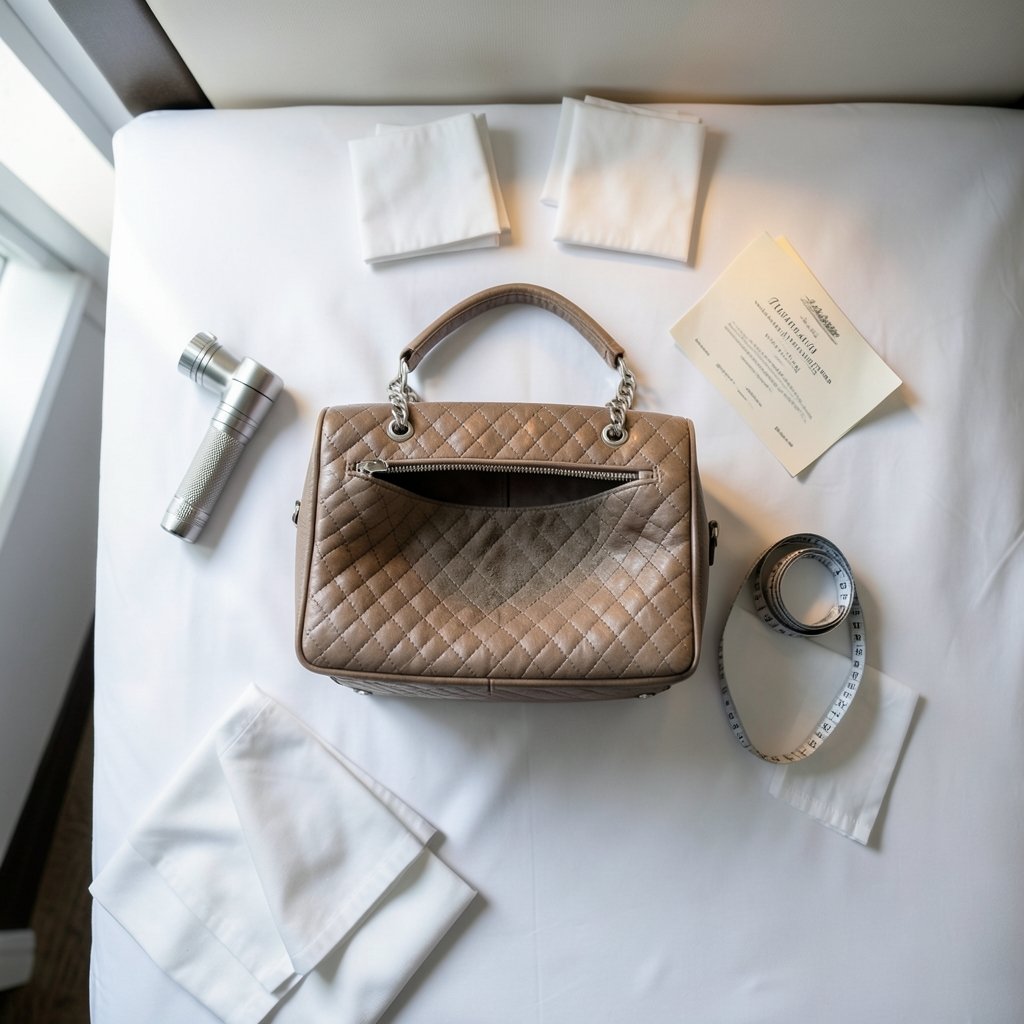
Not all sellers carry the same risk. Match the seller type to the size of your purchase.
| Seller type | Best for | Main risk |
|---|---|---|
| Peer-to-peer marketplaces | Bargains, rare finds, lower-stakes buys | Seller sets the price and does the describing, so value and condition can be misjudged |
| Professional resellers | Investment bags, authenticated stock | Higher prices, but usually with returns and guarantees |
| Specialist platforms with authentication | Mid-to-high budgets, peace of mind | Fees, and authentication is not infallible |
A useful rule of thumb from experienced buyers: scroll peer-to-peer apps for shoes or dresses, but go professional for a big-ticket bag. Professional resellers authenticate, grade condition, and stand behind the sale, which matters when a single purchase costs more than a month’s rent.
Step 2: Research the Exact Bag and Its Telltale Details
Before you message a seller, spend an evening learning your target. Look at official product images, then at photos of the same model in different years. Pay attention to:
- Hardware: logo shape, engraving depth, and the weight and finish of clasps and rings.
- Stitching: even spacing, consistent thread, and clean finishing at stress points.
- Materials: leather grain, lining fabric, and how the bag ages.
- Date codes and serial tags: where they sit and what format the brand used.
One resale CEO’s advice is blunt: if you do not have dozens of browser tabs open, you have not researched enough. Cross-compare the same bag across several resale sites before you commit to a price.
Step 3: Vet the Seller Like a Detective
This is where confidence is won or lost. Look for listings that offer many photos from multiple angles, including the interior, base, corners, and any flaws. A seller who volunteers extra information has nothing to hide.
Ask yourself:
- Does the seller have a track record, reviews, or a business history?
- Do the photos look original, or reused from another listing?
- Is the description detailed, or vague and copy-pasted?
- Will the seller answer specific questions about wear and repairs?
- Is there a written return policy and an authenticity guarantee?
That last point is non-negotiable for expensive bags. If something goes wrong, you need to know exactly where you stand. A returns policy in writing is worth more than any verbal promise. (Designer gift bags)
Step 4: Request Extra Photos and Ask Direct Questions
Professionals recommend asking for close-ups of the areas that wear first: handles, corners, zipper pulls, and the interior lining. Ask whether the bag has been repaired, repainted, or re-stitched. Ask for the date code photo if the brand uses one. Ask why the seller is letting it go.
A short, specific question list does two things. It gives you evidence to judge, and it tests the seller. Honest sellers answer happily. Evasive ones reveal themselves fast.
Step 5: Verify Authenticity Before You Pay
Superfake replicas are now made so convincingly that even a trained eye can struggle to tell them from originals in photos alone. That changes the strategy: do not rely on your own spot-the-fake skills for an expensive purchase.
Instead, use these safeguards:
- Buy from platforms or resellers that authenticate in-house and guarantee it.
- Request a third-party authentication service before final payment where possible.
- Compare the bag’s details against known authentic examples of the same model and year.
- Walk away from any seller who refuses authentication or rushes you.
Step 6: Pay Safely and Keep a Paper Trail
Pay through the platform’s own system whenever you can. That usually gives you buyer protection if the item never arrives or is not as described. Avoid bank transfers to strangers, and be wary of sellers who want to move the conversation off-platform.
Keep screenshots of the listing, the description, and your messages. If a dispute happens, that record is your evidence. Read the platform’s terms, confirm what is covered, and keep the confirmation.
Step 7: Inspect the Bag the Day It Arrives
Do not cut tags or remove protective wrapping until you have inspected the bag properly. Check the hardware, stitching, lining, and smell. Compare it to the listing photos. Photograph everything before you use it.
If something is wrong, contact the seller or platform immediately, within the return window. Waiting a week weakens your case.
Common Mistakes That Cost Buyers Money
Buying on emotion. The chase is thrilling, and that is exactly when people overpay. Sleep on any purchase above your comfort zone.
Skipping the price comparison. A bag priced slightly below market can still be a bad deal if its condition is poor. Compare sold prices alongside asking prices.
Trusting a single photo. One flattering front shot hides corner rub, faded hardware, and interior stains.
Ignoring the resale angle. Some models hold or grow in value; others do not. If you might resell later, buy a style with steady demand.
Overlooking the extras. Dust bags, cards, and receipts are not proof of authenticity on their own, but missing extras affect resale value.
Forgetting the wider collection. If you are building a wardrobe, thinking about how the bag pairs with your other pieces pays off, so the bag you choose will actually get used.
Troubleshooting: When Something Feels Off
The price is far below market. Walk away. Genuine bargains exist, but not at 90 percent off a classic.
The seller will not send extra photos. Treat it as a no. Serious sellers document their items.
The listing photos appear elsewhere online. Reverse-image search them. Stolen photos are a classic scam signal.
The bag arrives with undisclosed damage. Use the platform’s dispute process and your photo record. Do not accept a partial refund you did not agree to.
You are unsure about authenticity after delivery. Pay for a professional authentication while you are still inside the return window.
Where Confidence Actually Comes From
Confidence is not a feeling you summon at checkout. It is the product of preparation: a specific target, a known price range, a vetted seller, authenticated goods, and a safe payment method. Buyers who follow that order rarely get burned, and when they do, they have the paperwork to fix it.
There is also a quieter benefit. Shopping pre-loved keeps beautiful bags in circulation and reduces the environmental cost of fashion, since the manufacturing impact is already spent. Whether you are hunting a vintage classic or a discontinued favorite, the same discipline applies: research the seller, ask direct questions, and never let urgency override judgment.
Conclusion
Buying a pre-loved designer bag with confidence comes down to sequence. Define the bag and your budget, pick a seller type that matches the stakes, research the details, vet the seller, verify authenticity, pay safely, and inspect on arrival. Do those things in order and the secondhand market stops feeling like a risk and starts feeling like an advantage: better prices, rarer finds, and a bag with a story. Start with one careful purchase, and the process becomes second nature.
Frequently Asked Questions
How can I tell if a pre-loved designer bag is authentic?
You cannot rely on photos alone, especially with high-quality replicas. Buy from sellers who authenticate and guarantee it, request close-ups of hardware, stitching, and date codes, and pay for third-party authentication on expensive pieces before the return window closes. (Lancome rouge love 183n be my date know before you buy)
Is it safer to buy from a professional reseller or a peer-to-peer app?
Professional resellers cost more but usually authenticate, grade condition, and offer returns. Peer-to-peer apps can deliver better prices but put more responsibility on you. Many experienced buyers use apps for lower-stakes items and professionals for investment bags.
What is a fair price for a pre-loved designer bag?
There is no single number. Research the typical range for your exact model across several platforms and compare sold prices alongside asking listings. If a bag is priced far below the going rate, treat it as a warning sign rather than a bargain.
Should I ask for extra photos before buying?
Yes, always. Request close-ups of corners, handles, zipper pulls, the interior, and any flaws the seller mentions. A seller who happily provides them is a better bet than one who dodges the request.
What should I do if the bag arrives damaged or fake?
Do not use it or remove tags. Photograph everything, then contact the seller or platform immediately within the return window. Keep your screenshots of the listing and messages, and use the platform’s dispute process if needed.
Do pre-loved designer bags hold their value?
Some do. Classic, discontinued, and in-demand styles tend to hold value better than trend-driven pieces. Research how popular a model is and whether demand looks steady before you buy if resale value matters to you.
How do I know if a price is too good to be true? Compare it against sold listings for the same model, year, and condition. If it sits dramatically below that range, assume something is wrong until the seller proves otherwise—with extra photos, authentication, and a written return policy. Genuine bargains are usually modest, not spectacular.