

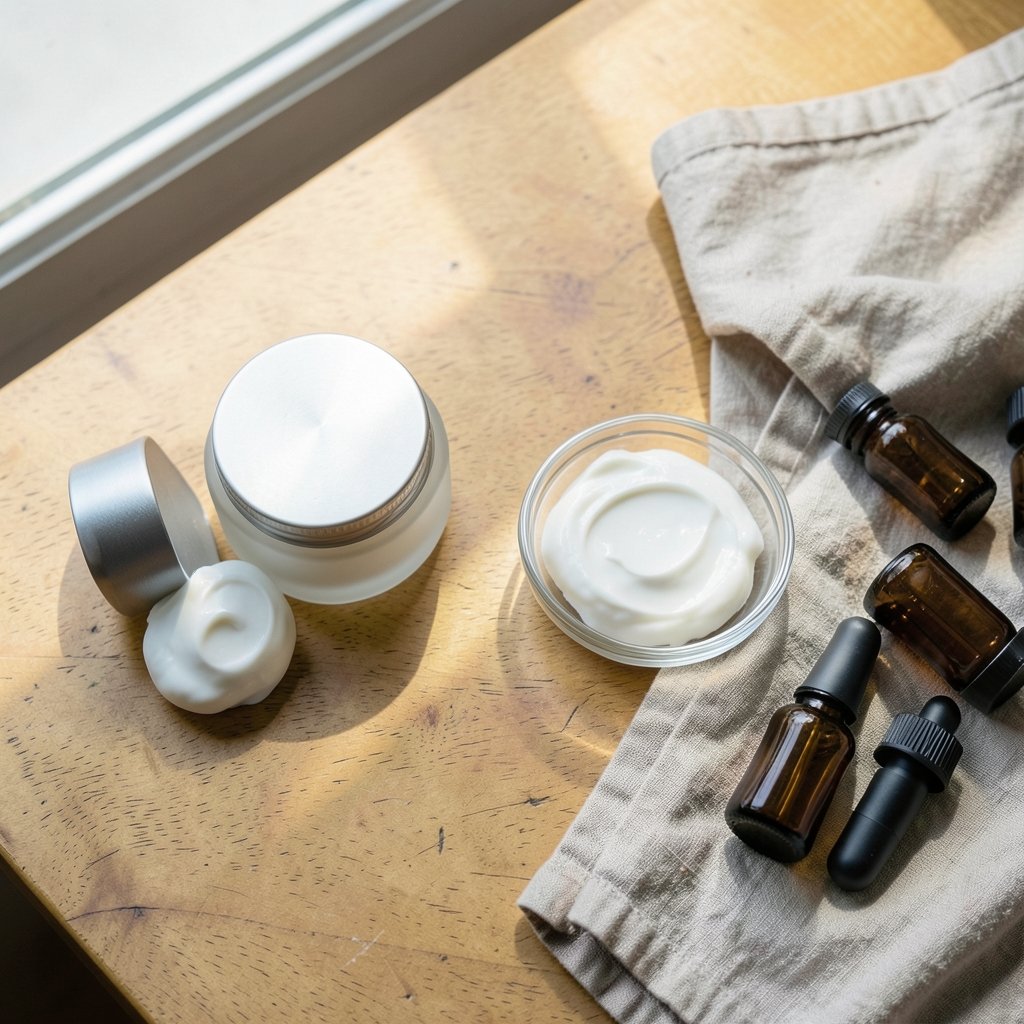
What if the $149 face cream on your wishlist and the $3 jar down the street share almost the same ingredient list? That question sits at the heart of one of beauty’s biggest shifts, and in 2027 the answer is more complicated than “buy the cheap one” or “stick with the label.”
Dupes, meaning affordable products built to mimic the look, feel, or formula of a prestige item, have moved from a shady corner of the internet into supermarkets, investment portfolios, and courtrooms. They are legal in many cases, wildly popular with younger shoppers, and deeply uncomfortable for the brands being copied. Here is what is actually happening, what the research shows, and how to shop smart without wasting money on either end of the shelf.
What Counts as a Dupe, and What Does Not
A dupe copies the look or the function of a product, not its name. That distinction matters. A counterfeit pretends to be the original, complete with a fake logo and packaging. A dupe borrows the silhouette, the shade range, or the ingredient list and sells under its own name. One is illegal trademark infringement; the other is often perfectly lawful.
This is why a €70 shoe can echo the shape of a €1,000 designer original, or a $9 lip oil can sit beside a $42 prestige version. The copyable part of a serum is its ingredient list. The copyable part of a shoe is its silhouette. What remains, after you strip those away, is the brand itself.
That gap between product and brand is the whole story. Dupes separate the portion of the price that buys the formula from the portion that buys the name. Whether that feels like justice or theft depends entirely on where you stand.
Why Dupes Exploded in Popularity

The rise is not a fringe trend. A Statista report on fakes and dupes in consumer goods confirms the shift is structural, with real implications for how people shop and how brands market. The appeal is easy to understand: shoppers get a similar experience for a fraction of the cost, without the guilt of buying something counterfeit.
Social media accelerated everything. Beauty influencers on platforms like TikTok shortened trend cycles and made comparison shopping a spectator sport. A creator can hold two products side by side, zoom in on the texture, and declare a winner in under sixty seconds. Millions watch, and the dupe often wins on price alone.
There is also a generational story. Younger shoppers increasingly treat luxury as an experience rather than a status badge. They want value, transparency, and products that fit real budgets. That mindset has pushed dupes from a guilty secret into a mainstream shopping strategy.
The Supermarket Shelf Effect
The most striking change is where dupes now live. Discount supermarkets and budget chains have launched lookalike beauty lines, and dedicated dupe companies have attracted serious investment money. When a private equity fund buys a company whose entire business model is “inspired by classic fragrances,” you know the category has arrived. If you follow how premium positioning is being rewritten elsewhere, the parallel with the 8 luxury yacht trends that will dominate 2027 is hard to miss: access is the new luxury battleground.
The Price Gap in Plain Numbers
The numbers make the pitch concrete. Consider how wide the spread can get:
| Product Type | Dupe Price | Original Price | What Gets Copied |
|---|---|---|---|
| Fragrance (100 ml) | Under €3 | €149 | Scent profile |
| Lip oil | $9 | $42 | Shine, tint, texture |
| Shoe | €70 | €1,000 | Silhouette |
| Cashmere jumper | £50 | About three times more | Knit and cut |
These examples come from real market comparisons reported in 2026, and they explain why the category keeps growing even as news coverage cools. The word “dupe” is not fading. It is simply being attached to more and more product categories.
What the Quality Debate Gets Right
Here is where the honest answer gets uncomfortable for both sides. Dupe fans argue that a close match at a third of the price is simple common sense. Critics argue that something always gets lost: the refinement of a fragrance’s dry-down, the weight of a cream, the finish of a pigment.
Fragrance communities have debated this for years, and the consensus is rarely clean. Many enthusiasts report being genuinely happy with certain clones, happy enough that they skip the original entirely. Others insist that even a close match reveals itself over hours of wear. Both experiences are real, which suggests the smarter question is not “are dupes good?” but “which dupes are good, and for what?”
Where the Savings Actually Hold Up
In practice, the categories behave differently:
- Fragrance. The hardest to copy well, because a scent evolves on skin over hours. A dupe can open beautifully and fall apart by lunchtime. Test on skin, never on paper.
- Skincare. The ingredient list is visible, so comparison is easier. But concentration and delivery matter as much as the ingredient name. A 0.3% retinol dupe is only useful if the formula is stable and the percentage is honest.
- Makeup. Texture and wear time are where dupes most often stumble. Swatch in person if you can, and read reviews that mention how a product holds up after eight hours, not just how it looks on application.
- Haircare. Claims of salon-equivalent results at a third of the price deserve skepticism, but the gap is narrowing in basic cleansing and conditioning.
The Legal Fight Nobody Sees Coming
Luxury brands are not sitting still. The legal picture is messier than most shoppers realize. Trade dress protection, the area of law that covers a product’s overall appearance, has proven hard to apply to beauty. Generic designs like a lipstick tube or a mascara wand are difficult to claim as distinctive, which leaves many brands without a clear remedy when a lookalike appears.
Legal scholars have argued that this gap needs closing, and the debate is far from settled. At the same time, other experts stress that non-infringing dupes should be separated from outright copies of luxury goods that do break the law. The line between inspiration and imitation is exactly where the lawsuits live.
For shoppers, the practical takeaway is simple: buying a dupe is not the same as buying a fake, but not every dupe is automatically on the right side of the line. If a product uses another brand’s name or logo to sell itself, walk away.
What Brands Are Doing About It
The industry response has split into three camps. Some brands double down on exclusivity, investing in proprietary ingredients and storytelling that cannot be copied. Some quietly launch their own budget lines to capture price-sensitive shoppers before a competitor does. And some pursue legal action, with mixed results.
Marketing professors have framed the dupe wave as a critique of the entire logic of brand economics, a direct challenge to the idea that a name justifies a premium. Perfume makers, unsurprisingly, push back hard, arguing that dupe companies paint themselves as fair-price heroes while cutting the craftsmanship that made the original worth wanting.
The tension is real, and it is not going away. The brands that thrive will be the ones that give shoppers a reason to pay more than the cost of the formula.
How to Shop Dupes Without Regret
First-hand testing habits matter more than brand loyalty here. A few practical rules separate smart dupe shopping from expensive disappointment.
Check the ingredient order, not just the headline ingredient. Lists are ordered by concentration. If the star ingredient sits near the bottom of a dupe and near the top of the original, the comparison is marketing, not chemistry.
Buy the smallest size first. A travel size or sample settles the question for a few dollars instead of a full commitment. This is especially true for fragrance and foundation, where skin chemistry decides everything.
Ignore “same factory” claims. They are unverifiable and frequently repeated without evidence. What matters is the finished formula in your hand.
Watch for the switching cost trap. A dupe that costs a third as much but needs three times as many applications is not a saving. Track how long a product actually lasts.
Read reviews that mention wear time. “Looked identical in the photo” tells you nothing about hour eight.
The most common mistake is buying a dupe of something you have never tried. You end up guessing at what the original even does, which makes it impossible to judge whether the copy works. Sample the original where you can, then decide what the difference is worth to you.
The Beauty Gifting Angle
Dupes get complicated when gifts are involved. A lookalike can feel thoughtful or cheap depending on context, and the packaging often gives it away. If the goal is a genuinely luxurious gesture, the calculus shifts toward smaller quantities of the real thing rather than larger quantities of a copy. The same logic applies across categories, from luxury beauty gifts to the way premium beauty lines position themselves in the first place, as explored in this look at what the Byredo makeup luxury beauty line actually offers.
The 2027 Outlook
Three forces will shape the next year. First, search interest in dupes remains strong even as media coverage of the topic has fallen sharply, which suggests shoppers are quietly comparing products without needing articles to tell them to. Second, legal pressure is building, and the outcome of trade dress cases will determine how bold copycats can be. Third, brands are learning to compete on transparency rather than mystique.
The dupe economy is not a bubble. It is a permanent correction in how people value beauty products. The winners will be shoppers who treat dupes as one option among many, judged on formula, performance, and honest price, rather than as a moral crusade in either direction.
Conclusion
The truth about luxury beauty dupes in 2027 is that they are neither the scam luxury brands describe nor the free lunch their fans promise. They are a legitimate market response to a real pricing gap, and they work best when you treat them like any other purchase: read the label, test before you commit, and decide for yourself what the name on the bottle is worth. Sometimes the dupe is the smarter buy. Sometimes the original earns every cent. The only reliable way to know is to stop guessing and start comparing.
Frequently Asked Questions
Are beauty dupes legal?
In many cases, yes. A dupe copies a look or a function under its own name, which is different from a counterfeit that pretends to be the original. Legality depends on whether the product infringes trademarks or trade dress, and that area of law has proven difficult to apply to beauty packaging. Products that use another brand’s name or logo to sell themselves cross the line.
Are dupes as good as the original products?
Sometimes close, sometimes not. Fragrance is the hardest category to copy well because a scent develops on skin over hours. Skincare is easier to compare because the ingredient list is visible, though concentration and formula stability still matter. Makeup dupes most often fall short on texture and wear time.
Why are dupes so popular right now?
Price is the obvious driver, but not the only one. Social media made side-by-side comparisons mainstream, trend cycles sped up, and younger shoppers increasingly value transparency and tangible value over brand status. Discount retailers and dedicated dupe companies have also made these products far easier to find.
How can I tell a dupe from a counterfeit?
A dupe sells under its own brand name and does not claim to be the original. A counterfeit copies the logo, packaging, and branding to pass itself off as the real product. If the name on the box belongs to the luxury brand but the price seems impossibly low, treat it as a counterfeit.
Do dupes hurt luxury brands?
They pressure the premium that comes from branding rather than formula. Some brands respond with proprietary ingredients and stronger storytelling, others launch budget lines, and some pursue legal action. The outcome depends on whether shoppers still see a reason to pay more than the cost of the product itself.
What is the biggest mistake people make when buying dupes?
Buying a copy of something they have never tried. Without a reference point, it is impossible to judge whether the dupe actually performs. Sampling the original first, even in a small size, makes the comparison meaningful and prevents wasted spending on products that only look similar in photos.











