

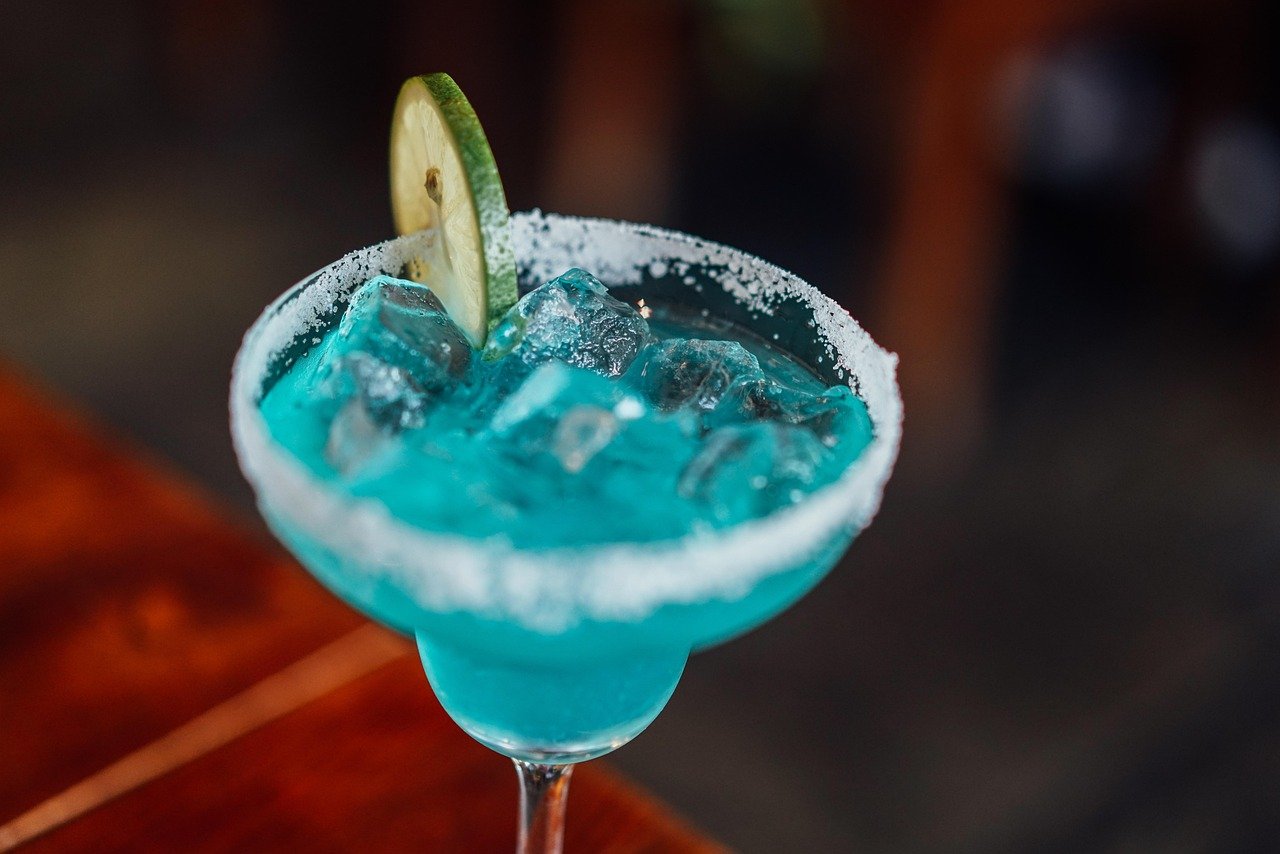
What separates a good margarita from a great one? Ask ten bartenders and you will get ten answers, but most of them circle back to the same two moves: better tequila and Grand Marnier instead of triple sec. That combination has a name. The Cadillac margarita is the dressed-up cousin of the standard margarita, and it has quietly become one of the most requested upgrades in American bars.
The drink is not complicated. It is a margarita with premium parts, usually finished with a float of orange liqueur on top. But the details matter more than the drink’s simplicity suggests. Choosing the wrong tequila, skipping the float, or over-sweetening the mix can turn a twenty-dollar cocktail into a fancy glass of regret. This guide walks through what the drink actually is, how to build one properly, where the recipe goes wrong, and how it compares to the margaritas people already know.
What Is a Cadillac Margarita?
A Cadillac margarita is a margarita made with premium tequila, typically a reposado, and Grand Marnier in place of the triple sec or cheap orange liqueur found in a standard version. Many bars serve it on the rocks with a float of Grand Marnier poured over the top rather than shaken into the drink.
That float is the visual signature. It sits as a golden band above the pale cocktail, and it signals to the drinker that the orange liqueur is the good stuff. Some bars shake everything together instead. Both approaches work, but the float lets the drinker taste the liqueur on its own before it blends into the mix.
The name itself is generally understood as a nod to the Cadillac car brand as a byword for luxury. There is no documented trademark arrangement or official origin story behind the name, so treat the marketing angle as folklore rather than fact. What is clear is the intent: this is the margarita you order when you want the upgrade.
No single authority defines the drink. The International Bartenders Association lists a standard margarita among its official cocktails, but it has no separate canonical Cadillac recipe with fixed proportions. Bars vary on tequila style, liqueur ratio, and whether to add sweetener. That flexibility is part of the drink’s charm and explains why two Cadillacs can taste wildly different.
The Ingredients That Earn the Name
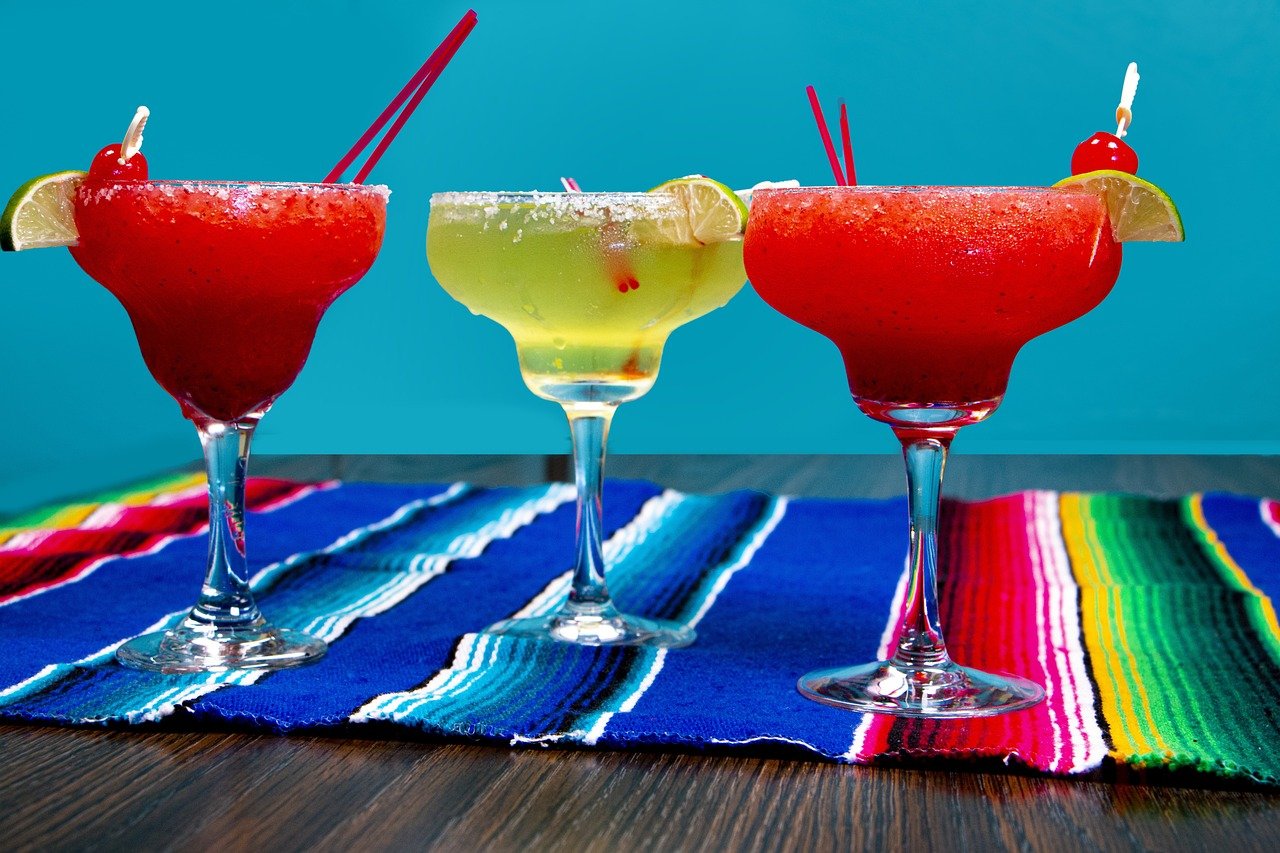
Every component in this drink has a job. Swap one out carelessly and the upgrade stops being an upgrade.
The tequila
Reposado means “rested” in Spanish. Under Mexican rules, tequila is a protected geographic designation, and reposado refers to tequila aged in oak for a period after distillation. The wood softens the raw agave bite and adds gentle vanilla and caramel notes that play well with orange.
A blanco tequila also works. It brings brighter, more vegetal agave flavor and a sharper edge against the lime. The choice comes down to preference: reposado for a rounder, more luxurious drink, blanco for a crisper one. What matters most is that the tequila is 100 percent blue agave rather than a mixto, which blends agave spirit with other sugars. Mixto tequila exists for cost reasons, and it tastes like it. (4c hair)
The orange liqueur
Grand Marnier is a French liqueur that combines cognac with orange essence, introduced in the late nineteenth century and commonly dated to 1880. The cognac base gives it a depth that triple sec cannot match. Triple sec is a lighter, sweeter orange liqueur, and it is fine in a house margarita. In a Cadillac, it undercuts the whole point.
Cointreau is the other common premium choice. It is a triple sec by style but a high-quality one, cleaner and more focused on pure orange. Grand Marnier leans richer and rounder. Neither is wrong, but they produce noticeably different drinks.
The lime and the sweetener
Fresh lime juice is non-negotiable. Bottled lime juice has a flat, almost metallic taste that no amount of premium spirits can rescue. As for sweetener, a classic margarita balances tequila, liqueur, and lime without added sugar. Grand Marnier is sweeter than triple sec, so many Cadillac recipes skip simple syrup or agave nectar entirely.
If the drink tastes too sharp, a small amount of agave syrup is the right fix. It echoes the agave in the tequila rather than introducing a new flavor. Add it in quarter-ounce increments and taste as you go.
The salt rim
A salt rim is traditional but optional. Coarse salt, applied to half the rim rather than the whole glass, gives drinkers a choice with each sip. Some bars use a spiced salt or a mix of salt and lime zest. Neither is required, and a badly applied wet rim that drips salt into the drink is worse than no rim at all.
How to Build a Cadillac Margarita
The method below produces a balanced drink at roughly 2 ounces of tequila per serving. Adjust to taste, but start here before improvising.
- Chill the glass. Place a rocks glass in the freezer for at least ten minutes, or fill it with ice water while you work.
- Prepare the rim, if using. Run a cut lime wedge around half the rim of the chilled glass, then dip that half into coarse salt. Shake off the excess.
- Measure the core ingredients. Combine 2 ounces of reposado tequila, 1 ounce of fresh lime juice, and 3/4 ounce of Grand Marnier in a shaker.
- Add ice and shake. Fill the shaker two-thirds with ice and shake hard for about twelve seconds. The drink should feel cold to the touch on the outside of the tin.
- Strain over fresh ice. Fill the prepared glass with fresh cubes and strain the cocktail over them. Do not pour the shaking ice into the glass; it has already done its job and will water down the drink.
- Float the Grand Marnier. Pour an additional 1/4 ounce of Grand Marnier slowly over the back of a bar spoon so it rests on top of the drink.
- Garnish and serve. A lime wheel or a twist of orange peel works well. Serve immediately.
The float in step six is where many home versions fall apart. Pouring directly from the bottle creates a cloudy swirl instead of a clean layer. The bar spoon trick slows the pour and keeps the liqueur sitting on the surface.
Ratio variations worth trying
| Style | Tequila | Lime | Grand Marnier | Notes |
|---|---|---|---|---|
| Classic balance | 2 oz | 1 oz | 3/4 oz plus 1/4 oz float | The starting point above |
| Richer and boozier | 2 oz | 3/4 oz | 1 oz plus 1/4 oz float | For drinkers who want the cognac to lead |
| Brighter and tarter | 2 oz | 1 1/4 oz | 1/2 oz plus 1/4 oz float | Closer to a sour; add agave only if needed |
| Blanco version | 2 oz blanco | 1 oz | 3/4 oz plus 1/4 oz float | Crisper, more vegetal, less round |
Frozen versions exist too. Blend the core ingredients with a cup of ice until smooth, then drizzle the float on top. The texture changes, but the flavor logic stays the same. (The row)
Common Mistakes and What Actually Works
Most disappointing Cadillac margaritas fail for predictable reasons. These are the ones that come up again and again.
Using a mixto tequila. The whole premise of the drink is premium spirits. A mixto tequila with a fancy liqueur on top is a contradiction. Check the label for “100% agave” before anything else.
Skipping the fresh lime. This is the single most common shortcut and the most damaging. Fresh juice takes two minutes with a hand press. The difference is not subtle.
Over-sweetening. Grand Marnier carries real sugar. Adding simple syrup out of habit, because a standard margarita recipe calls for it, pushes the drink into candy territory. Taste before sweetening.
Shaking too long. A short, hard shake chills and dilutes properly. A long shake turns the drink watery and foamy. Twelve seconds is plenty.
Warming the glass. A room-temperature glass ruins the first few sips. Chill it while you assemble the drink.
Pouring a sloppy float. If the layers blend immediately, the pour was too fast or the drink beneath was too warm. Chill everything and use a spoon.
Ignoring the ice. Small, wet ice melts fast and dilutes the cocktail within minutes. Large, clear cubes melt slowly and keep the drink cold without watering it down.
There is also a practical point about glassware. A heavy rocks glass holds temperature better than thin glass, and it gives the drink room to breathe. It is a small detail that separates a bar-quality serve from a home pour.
Cadillac vs. Standard Margarita: What Changes
The table below sums up the practical differences between the two drinks.
| Feature | Standard Margarita | Cadillac Margarita |
|---|---|---|
| Tequila | Blanco, often mixto | Premium, usually 100% agave reposado |
| Orange liqueur | Triple sec | Grand Marnier or premium triple sec |
| Sweetener | Simple syrup or agave common | Usually none needed |
| Serve | Rocks or frozen | Typically rocks with a float |
| Garnish | Lime wedge, salt rim | Lime or orange peel, salt optional |
| Cost | Lower | Noticeably higher |
| Flavor profile | Bright, tart, light | Rounder, richer, more complex |
The jump in cost comes almost entirely from the two bottles. Grand Marnier and a good reposado both carry premium price tags, and a bar passes that along. Whether the upgrade is worth it depends on how much the drinker cares about the orange liqueur. For someone who mostly tastes lime and salt, a well-made standard margarita is a perfectly good order.
Where the Drink Fits in the Margarita Family
The margarita itself is a tequila-based sour built on tequila, orange liqueur, and lime. Its origin is disputed, with claimants spanning Mexico and the United States border region from the 1930s into the 1940s. The Cadillac sits at the premium end of that family tree.
Other branches exist. The skinny margarita strips out sugar and leans on fresh citrus. The frozen margarita blends the same ingredients with ice. The tommy’s margarita swaps orange liqueur for agave nectar entirely. Each variation makes a different trade-off between sweetness, strength, and texture.
The Cadillac’s particular bet is that better bottles beat clever technique. It is a drink that rewards spending, which is exactly why the name borrowed from a luxury car. That logic does not appeal to every drinker, and it does not need to. It just needs to deliver on the promise, and a properly built Cadillac does.
There is a texture angle worth mentioning too. Drinks built on fresh juice and premium spirits tend to feel silkier on the palate than versions made with bottled mixers. That mouthfeel is part of what people are paying for, even if they cannot name it. (2b hair)
Frequently Asked Questions
What tequila should I use for a Cadillac margarita?
A 100 percent blue agave reposado is the standard choice. The oak aging adds softness and warmth that pairs well with Grand Marnier. A blanco tequila also works if you prefer a sharper, more agave-forward drink. Avoid mixto tequilas, which blend agave spirit with other sugars and taste thinner.
Is Grand Marnier required, or can I substitute?
Grand Marnier is the traditional choice, but Cointreau is a widely accepted premium substitute. Both are far better than standard triple sec. Grand Marnier brings a cognac base and a rounder, richer flavor, while Cointreau is cleaner and more purely orange. The drink will taste different but still qualify as an upgrade.
Why do bars float the liqueur on top instead of shaking it in?
The float lets the drinker taste the Grand Marnier on its own before it mixes into the cocktail. It also looks striking, with a golden band resting above the pale drink. Shaking everything together is perfectly valid and produces a more uniform flavor from the first sip.
Does a Cadillac margarita need simple syrup?
Usually not. Grand Marnier is sweeter than triple sec, so the drink often balances without added sugar. If it tastes too sharp, add agave syrup in small increments rather than simple syrup, since agave echoes the flavor of the tequila. Taste before sweetening, not after.
How strong is a Cadillac margarita?
With 2 ounces of tequila and roughly 1 ounce of Grand Marnier at about 40 percent alcohol, the drink lands close to a strong cocktail, comparable to a well-built martini variation. The exact strength depends on the bottles used and how much ice melts during shaking. It is not a light drink.
Can I make a Cadillac margarita in advance for a party?
Yes, with one caveat. Combine the tequila, lime juice, and shaken Grand Marnier in a pitcher and refrigerate for up to a few hours. Add the float to each glass at serving time. Fresh lime juice fades with time, so mix no more than a few hours ahead for the best result.
Conclusion
The Cadillac margarita earns its name through restraint as much as through spending. Two good bottles, fresh lime, and a careful pour do most of the work. The drink rewards anyone who checks the tequila label, squeezes real citrus, and resists the urge to add sugar out of habit.
It is also a drink with room to move. Reposado or blanco, Grand Marnier or Cointreau, floated or shaken, the formula bends without breaking. That flexibility means home bartenders can tune it to their own taste rather than chasing a single correct version that does not exist.
For anyone who has ordered a margarita and found it thin or cloying, the Cadillac is the fix worth trying. Build one at home with a bottle you trust, taste it before you tweak it, and the difference between a standard pour and this upgrade becomes obvious in the first sip.









