


What do people actually mean when they type “shorts maximum” into a search bar? That odd little phrase is a genuine puzzle, because it sits at the crossroads of two very different worlds. One is fashion and beauty, where “shorts” means cropped trousers and “maximum” means the boldest possible look. The other is the world of limits and caps, where “maximum” means the ceiling on how short something can be.
This article takes the practical route. It focuses on the meaning most readers are looking for: how to push short styles to their best, most flattering limit, especially for short nails, short outfits, and short formats. It also explains what “maximum” should mean in each context, where people go wrong, and how to get the look or result you want without overshooting.
Why “Shorts Maximum” Is an Ambiguous Search
Search engines reward clarity, and “shorts maximum” is anything but clear. The phrase could describe a pair of shorts at their shortest legal or comfortable length. It could describe the maximum number of characters in a short-form video. It could even describe a maximum short position in trading.
For most casual searchers, though, the intent is aesthetic. They want to know how short is too short, how to style a cropped hem, and how to make short nails or short outfits look intentional rather than accidental. That is the thread this article follows, with a clear-eyed look at limits along the way.
The key insight is that “maximum” is not one number. It is a relationship between three things: the length you choose, the shape or proportion around it, and the context it lives in. Get those three aligned, and “maximum” stops meaning “extreme” and starts meaning “best possible.”
What “Maximum” Means for Short Nails
Short nails have moved from compromise to choice. A clean, short manicure reads as polished, low-maintenance, and modern. But there is a real ceiling on how short you can go before the nail stops doing its job.
The practical maximum shortness is the point where the nail still covers the fingertip and protects the nail bed. Trim past that, and you invite tenderness, ingrown edges, and a look that reads as bitten rather than styled. A good rule of thumb: leave a sliver of free edge, even a millimeter, so the nail has structure.
There is also a shape ceiling. Very short nails cannot hold a sharp stiletto or a long coffin. They can, however, hold beautiful rounded, squoval, and soft almond shapes. If you want the elegance of an almond without the length, a short almond is the sweet spot: tapered enough to look refined, short enough to be practical.
For a deeper walkthrough of proportions, shapes, and upkeep, this guide to short almond nails covers the details that make the difference between “neat” and “unfinished.” And if you are still deciding on a silhouette, this overview of short nail shapes helps you match shape to finger length and lifestyle.
Finding Your Maximum Short Length in Nails
The mistake most people make is treating “short” as a single setting. In practice, the ideal short length depends on your nail bed, your hands, and how much you use them.
| Nail bed type | Best short length | Shape that flatters most |
|---|---|---|
| Long, narrow beds | Just past the fingertip | Soft almond or oval |
| Short, wide beds | Slight free edge, squared corners | Squoval or rounded square |
| Uneven or ridged beds | Minimal free edge, smooth surface | Rounded |
| Hands with short fingers | A touch of free edge | Almond or oval for elongation |
The pattern is simple: the shorter and wider your nail bed, the more a rounded or almond shape helps. The longer and narrower the bed, the more you can afford a squarer finish without it looking stubby.
One practical tip that rarely gets mentioned: file in one direction rather than sawing back and forth. Sawing weakens the free edge, which matters far more on short nails because there is so little edge to spare. A glass file used in a single sweeping motion leaves a cleaner, stronger tip.
Care Tips That Make Short Nails Look Intentional
Short nails live or die on grooming. A long nail can hide a rough cuticle behind length; a short nail cannot hide anything. That is why the “maximum” version of short nails is really a maximum effort in care.
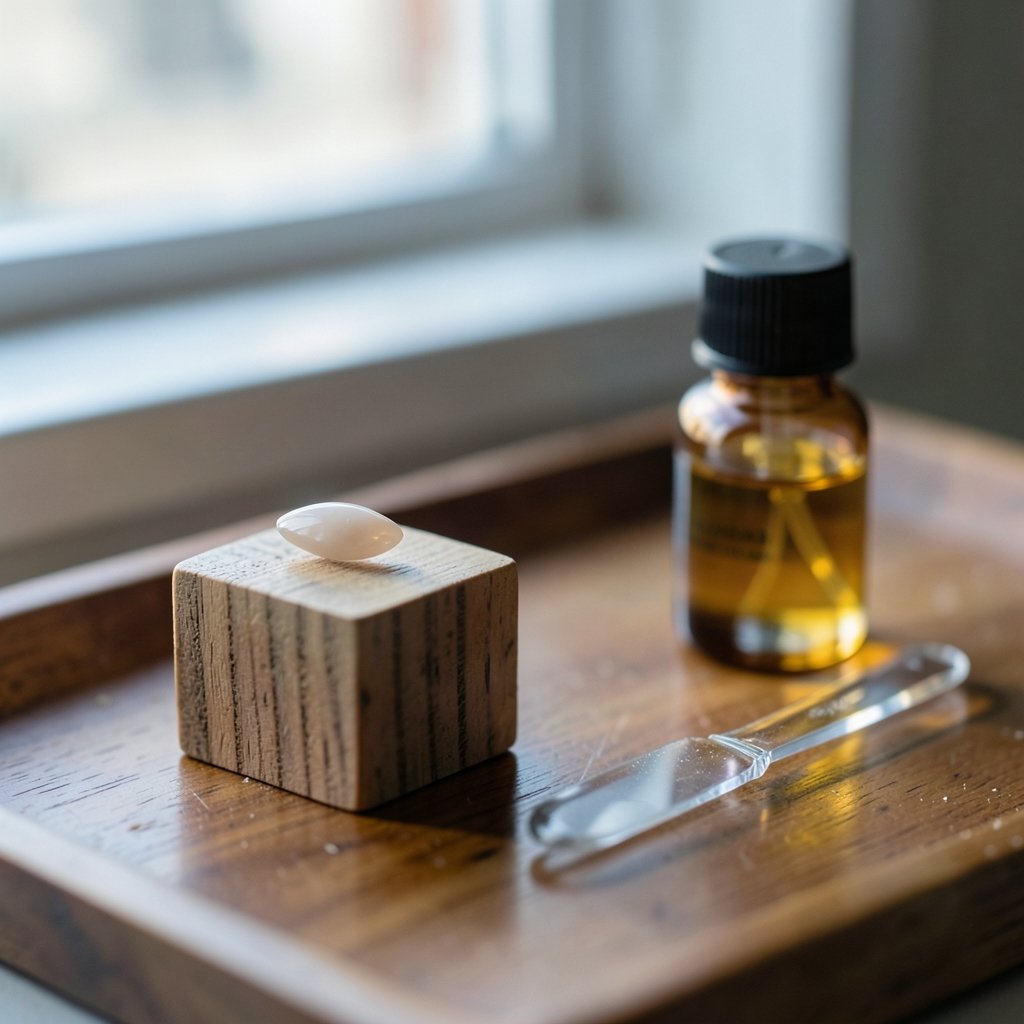
Start with cuticle oil, used daily rather than weekly. Dry cuticles make even a perfect manicure look tired. Keep nails slightly rounded at the corners to prevent snagging. Buff the surface gently to smooth ridges, which catch the light and make short nails look dull.
Another common mistake is over-buffing. Done too aggressively or too often, buffing thins the nail plate, and thin nails bend and peel. Once every few weeks is plenty.
Color choice matters more than people expect. On short nails, very dark shades can make the nail look smaller, while light and mid-tone shades, especially soft pinks and nudes, make the nail read as longer and healthier. This collection of short pink nails shows how much a well-chosen shade can do for a cropped length. For a full rundown of designs, shapes, and care routines, this guide to short nails pulls the essentials together in one place.
The Maximum Short Look in Fashion
When “shorts maximum” refers to clothing, the question becomes: how short can shorts go before they stop working? The honest answer is that there is no universal number. There is only proportion.
The most reliable styling rule is balance. The shorter the short, the more coverage up top tends to look intentional. A high-waisted, tailored short paired with a relaxed top reads as deliberate. A very short short with a cropped top can tip into costume territory unless the fit is impeccable.
Fabric and structure matter as much as length. A stiff denim or tailored wool short holds its shape and looks sharp even when cropped. A soft, clingy fabric at the same length looks accidental. If you want to push the maximum short length, choose structure.
Fit at the waist and rise is the real make-or-break. A short that sits properly at the waist and has a clean rise will look better at a shorter length than a longer short that gapes or rides. Tailoring beats length every time.
Short-Form Content and the Real Maximums
Away from fashion, “shorts maximum” often points to short-form video. Here the word “maximum” is literal, and the limits are set by platforms rather than by taste.
Short-form video platforms cap upload length, and those caps change over time. The practical takeaway is not to memorize a number but to design for the shortest effective version of your idea. A video that lands its point in the first few seconds works on every platform, regardless of the current cap. A video that needs three minutes to get going will struggle wherever it is posted.
The same principle applies to short written formats. Brevity is not about hitting a character count. It is about cutting everything that does not earn its place. The maximum value of a short format comes from density, not from filling the space.
Where People Go Wrong With “Maximum”
Several mistakes show up again and again when people chase the maximum version of something short.
The first is confusing extreme with optimal. Maximum shortness is not automatically the best shortness. In nails, in hems, and in video, the best result usually sits a step or two back from the absolute limit.
The second is ignoring the supporting details. A short nail needs care. A short hem needs structure. A short video needs a strong opening. The short element is only as good as what holds it up.
The third is copying a look without matching the context. A shape that flatters one hand shape can look wrong on another. A hem that works at a certain height works because of proportion, not because of the number of centimeters.
The fourth is overcorrecting. People who decide to go short often go too short in one go, then spend weeks growing it back. A gradual trim lets you find the length that actually suits you.
A Practical Checklist Before You Commit
Before you commit to the maximum short version of anything, run through a short checklist.
- Decide what “maximum” means for you: boldest look, shortest length, or tightest limit.
- Check the supporting details: nail care, fabric structure, or a strong opening line.
- Test at one step short of the limit before going all the way.
- Match the choice to your context, not to someone else’s photo.
- Plan the upkeep, because short styles need more frequent maintenance, not less.
That last point surprises people. Short nails need filing more often because any growth is visible. Short hems need pressing and tailoring. Short content needs more frequent publishing. The maximum short look is a commitment to maintenance.
Conclusion
“Shorts maximum” is one of those phrases that means different things to different people, but the underlying question is the same: how far can you push short before it stops working? The answer, in nails, fashion, and short-form content alike, is that the best maximum is rarely the absolute limit. It is the point where length, shape, and care line up so the result looks chosen rather than cut short.
Go short, but go deliberate. Leave a sliver of free edge. Choose structure over cling. Cut the filler before you cut the idea. Do that, and “maximum” becomes a compliment rather than a warning.
Frequently Asked Questions
What does “shorts maximum” actually mean?
It is an ambiguous phrase with several possible meanings. Most commonly it refers to pushing short styles, such as short nails or cropped shorts, to their best or boldest limit. In other contexts it can mean a platform’s maximum length for short-form video or a cap on a short position in trading. The meaning depends entirely on context.
How short can I safely cut my nails?
Leave at least a thin sliver of free edge beyond the fingertip. That protects the nail bed, keeps the nail structurally sound, and prevents tenderness. Trimming flush to the fingertip or shorter raises the risk of irritation and makes the nail look bitten rather than groomed.
Which nail shape works best on very short nails?
Rounded, squoval, and soft almond shapes work best because they follow the natural curve of the fingertip and add a sense of length. Sharp stiletto and long coffin shapes need more length to hold their form. Matching shape to nail bed width matters more than following a trend.
How short is too short for shorts?
There is no fixed number. The practical limit is where the short stops looking intentional. Structure, fit at the waist, and balance with the rest of the outfit matter more than the inseam. A tailored, high-waisted short can go shorter than a soft, unstructured one and still look sharp.
Do short nails need more or less maintenance?
More. Because there is so little length to work with, any growth, chip, or dry cuticle shows immediately. Short nails benefit from daily cuticle oil, regular gentle filing in one direction, and more frequent touch-ups than long nails typically need.
Is the maximum short length always the best choice?
No. In most cases the best result sits one or two steps back from the absolute limit. Going to the extreme often costs comfort, durability, or proportion. Testing a slightly longer version first lets you find the length that genuinely suits your hands, your wardrobe, or your format.









