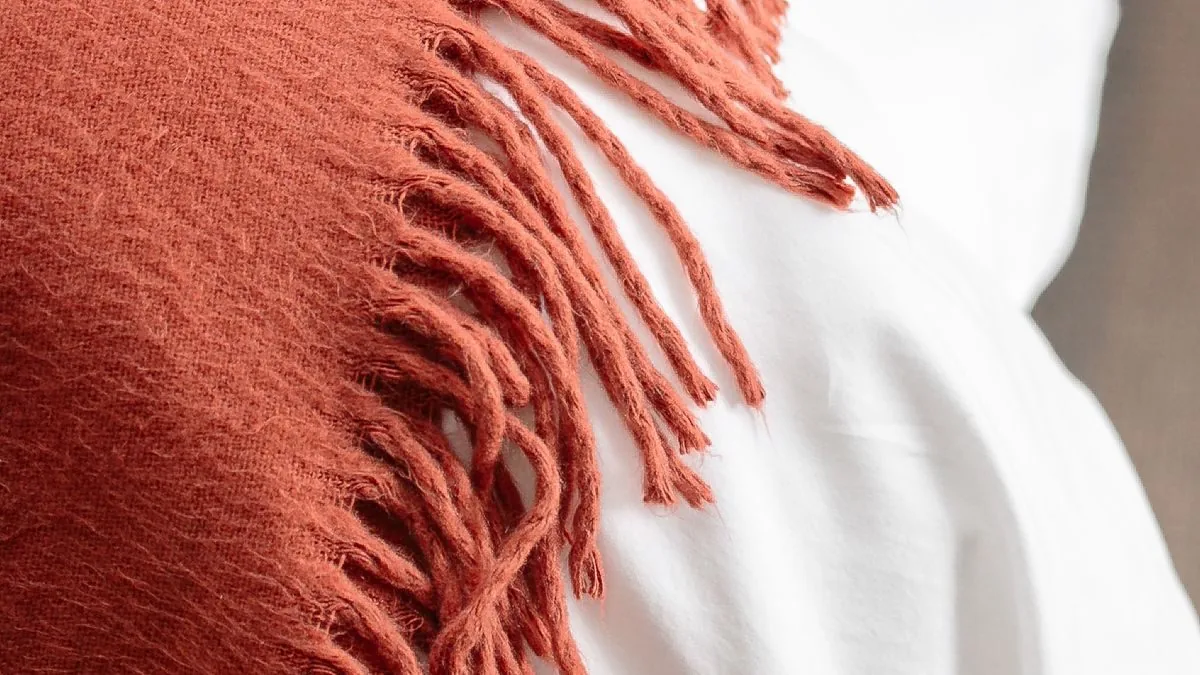
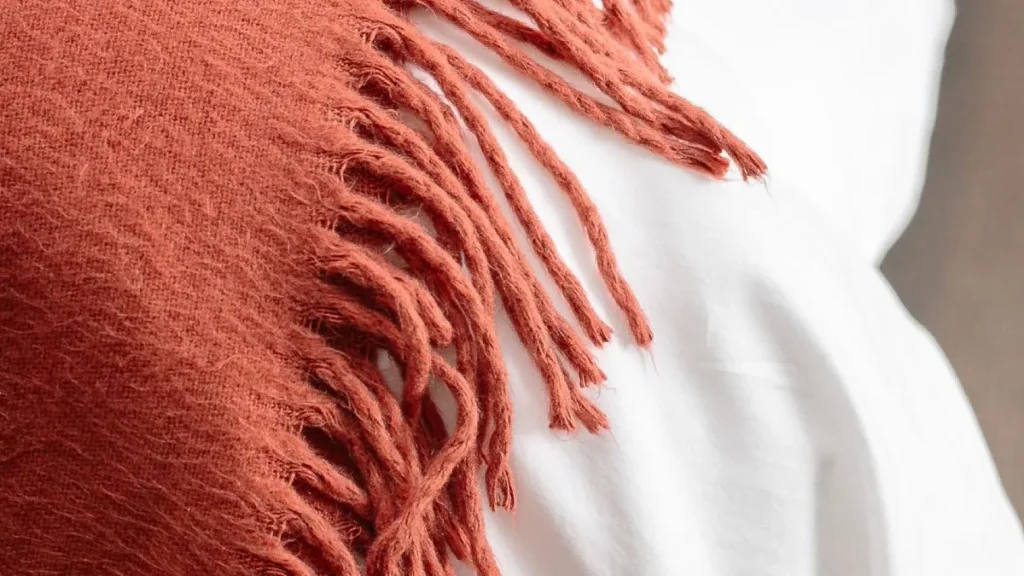
Pick up a cashmere blanket in one hand and a merino blanket in the other and the first surprise is how little separates them. Both are soft, both are warm, and both look like the kind of thing you buy once and keep for years. The second surprise is how differently they behave once they are in your home.
The confusion is understandable, because merino is not ordinary wool. It is the finest wool sheep produce, and at its best it overlaps with cashmere on the measurement that matters most: fibre fineness.
This is a head-to-head between cashmere blankets and merino wool blankets only — not wool in general. Warmth, weight, softness, durability, care and price are each judged on merino’s own terms, so you can choose the blanket that fits the way you actually live.
Key takeaways
- Cashmere is warmer for its weight and softer at its best, but it pills more, costs far more, and needs gentler care than merino.
- Merino is the tougher, more practical blanket: its springy fibres hold their shape, regulate temperature through the night, and many superwash merino throws can be machine-washed on a cold cycle.
- Softness is decided by microns, and the two fibres overlap: superfine merino under 18.5 microns feels close to cashmere, while cheap cashmere and coarse merino can both feel scratchy.
- A good merino blanket used every evening can last ten to twenty years; a good cashmere blanket can last a decade or more, but only with careful handling.
- Neither fibre wins outright. Cashmere wins on lightness and luxury; merino wins on durability, temperature regulation and value — so the right choice depends on where the blanket will live and how often it will be washed.
What cashmere and merino actually are
Cashmere is the soft undercoat of cashmere goats, combed out during the spring moult, mostly in Mongolia and Inner Mongolia. Each goat yields only about 150 to 200 grams of usable fibre a year, and the raw down then has to be de-haired by hand. The finest fibres, Grade A, measure about 15 to 15.5 microns across.
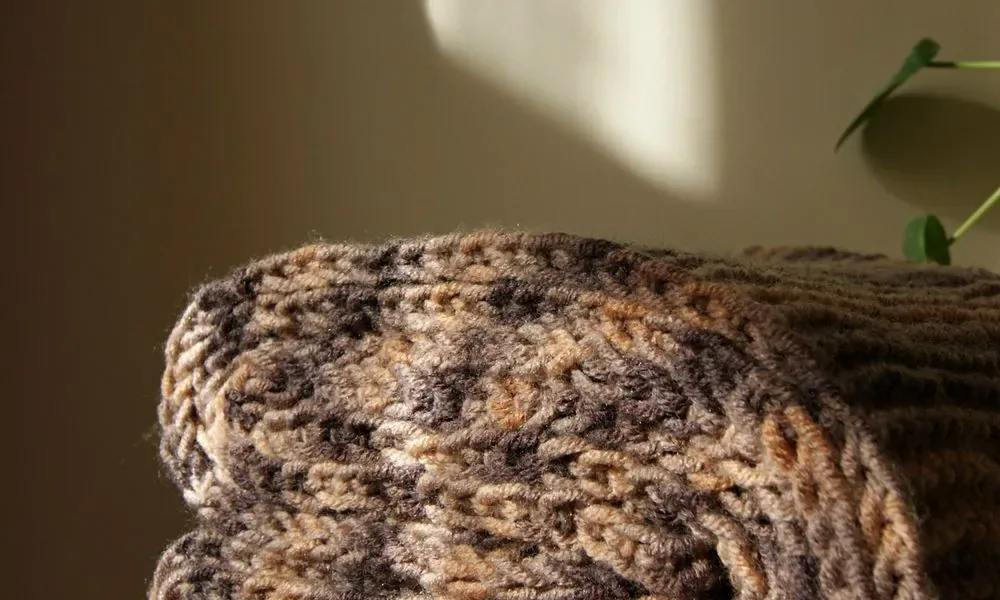
Merino comes from merino sheep, bred over centuries for the finest fleece of any wool-bearing animal, and raised mostly in Australia and New Zealand. A merino sheep is shorn once a year and yields roughly 3 to 6 kilograms of fleece, which is why merino can be a premium fibre at a far lower price than cashmere. Merino fibres measure about 15 to 24 microns, with superfine grades under 18.5 microns. If you want the wider picture first, our broader cashmere versus wool blanket comparison sets out how cashmere differs from wool as a whole.
Check the composition label before anything else. Pure cashmere should say 100 percent cashmere, and pure merino should say 100 percent merino wool, usually with the micron grade named. Blends are common and honest when the percentages are printed: a little merino adds strength to cashmere, and a little cashmere adds softness to merino.
Warmth, weight and temperature regulation
Cashmere wins on warmth per gram, and it is not close. Its fine, hollow fibres trap a great deal of still air in very little weight, so a typical cashmere throw weighs only 300 to 500 grams and still feels properly warm. For a reading chair, a gift, or a light layer over a bed, that lightness is the whole point.
Merino wins on warmth in real-world conditions, and on temperature regulation through the night. Its fibres absorb up to about 30 percent of their own weight in moisture before feeling wet, and they keep insulating when damp, which cashmere does less well. A merino throw of 600 grams to 1.2 kilograms feels more substantial, and that substance pays off on a cold sofa or a draughty evening.
Weight is best judged in grams per square metre, or gsm. A merino blanket of 200 to 300 gsm is light; the everyday sweet spot is 300 to 450 gsm, and anything over 450 gsm is genuinely heavy. Our guide to how to choose a wool blanket explains the gsm bands and sizes worth checking before you buy.
Softness against skin: the micron story
Softness is not a mystery and it is not a matter of taste. It is mostly a matter of fibre diameter, measured in microns, where one micron is a thousandth of a millimetre. Fibres thicker than about 25 to 30 microns stay stiff against skin and prickle, which is what people mean when they say wool is itchy.
Cashmere at its best is the softest of the two, at 14 to 16 microns, with a silky, almost buttery hand and no prickle at all. But superfine merino under 18.5 microns comes remarkably close, and most people could not tell a good superfine merino throw from a mid-grade cashmere throw with their eyes closed.
The difference appears at the cheap end of both fibres. Cheap cashmere, made from short fibres, can feel rough once those fibres start to break, and it pills fast. Coarse merino above 22 microns, the kind used for outerwear rather than throws, can itch on bare skin. Test any blanket on the inside of your wrist, where skin is thin and honest: if it prickles there, it will prickle on your neck at midnight.
Durability, pilling and lifespan
Merino is the clear winner on durability. Its longer, crimped fibres bend thousands of times and recover, so a merino blanket resists crushing, keeps its loft, and holds its shape after being sat on, folded and washed. A well-made merino blanket used every evening can last ten to twenty years.
Both fibres pill, because pilling is what happens when short fibres work loose and tangle on the surface. Cashmere pills more, especially in the first few weeks, because its fibres are so fine and short. The good news is that cashmere pilling usually settles down once the loose fibres have shed, and a cashmere comb restores the surface.
Care, washing and storage
This is where merino pulls furthest ahead, and it is the difference that decides most purchases once people know about it. Many merino blankets are labelled superwash, which means the fibres have been treated so they can be machine-washed on a cold wool cycle with a gentle wool detergent.
Cashmere should be hand-washed in cool water with a gentle wool detergent, pressed to remove water without wringing, and dried flat on a towel away from direct heat. Hot water and agitation will felt it, shrinking a throw into a stiff mat. Be honest with yourself here: a fibre you will not wash properly is a fibre that will disappoint you.
Price and value in 2027
A decent pure cashmere throw in 2027 starts at around $130 to $200, and a well-made one from a good maker runs $300 to $600 or more. A good pure merino throw starts at around $90 to $150, and a premium superfine merino throw runs $200 to $350. Our guide to what to look for in a cashmere blanket explains the grades, weaves and labels that separate genuine cashmere from a good story.
The price gap comes from supply, not from marketing. One goat gives up 150 to 200 grams of usable cashmere a year; one sheep gives 3 to 6 kilograms of merino fleece. Cashmere then needs labour-intensive de-hairing, while merino goes through standard carding and combing. That is why merino can cost roughly half to a third of comparable cashmere while still being a premium fibre.
Cashmere vs merino at a glance
| Detail | Cashmere | Merino wool |
|---|---|---|
| Source | Undercoat of cashmere goats, combed in spring | Fleece of merino sheep, shorn once a year |
| Fibre fineness | 14 to 16 microns, Grade A about 15 to 15.5 | 15 to 24 microns; superfine under 18.5 |
| Warmth for its weight | Higher — the lightest warm blanket you can buy | Very good, and stays warm when damp |
| Temperature regulation | Good, but can overheat as a bed blanket | Excellent — breathes when warm, insulates when cold |
| Weight of a typical throw | 300 to 500 grams, almost weightless | 600 grams to 1.2 kilograms, reassuringly substantial |
| Durability | Delicate — thins at friction points, pills early | Tough and springy — ten to twenty years of daily use |
| Care | Hand wash cold or dry clean, dry flat | Often machine-washable if labelled superwash |
| Typical price in 2027 | $130 to $600 or more for a pure throw | $90 to $350 for a good pure throw |
Checklist: before you buy
- Check the composition: 100 percent cashmere or 100 percent merino wool, with the micron grade named, or a blend with percentages stated.
- Feel the fibre on your wrist: superfine merino under 18.5 microns and fine cashmere should both feel soft, never scratchy.
- Weigh the throw and check the gsm: 300 to 450 gsm is the everyday sweet spot for a merino blanket, and cashmere should feel almost weightless.
- Read the care label first: if a merino blanket is not labelled superwash, do not assume it can go in the machine.
- Buy the size you will use: about 50 by 60 inches covers one person on a sofa, and a bed blanket should overhang the mattress by at least 8 inches on each side.
- Plan the storage: a breathable cotton bag with cedar or lavender, and a clean blanket before it goes away for the summer.
Frequently asked questions
Is merino as soft as cashmere?
At its best, almost. Superfine merino under 18.5 microns feels close to cashmere, and most people could not tell a good superfine merino throw from a mid-grade cashmere throw by touch alone. Fine cashmere still has the edge on pure softness, because its fibres are finer still, but the gap is far smaller than the price gap suggests.
Is a merino blanket warmer than a cashmere blanket?
Gram for gram, no: cashmere is warmer for its weight. In real-world use, a merino blanket is often warmer, because there is more of it, it stays warm when damp, and it regulates temperature instead of overheating you. For a bed blanket through the night, merino usually wins. For a light layer, cashmere wins.
Can I machine-wash a merino blanket?
Many merino blankets can, if they are labelled superwash. Machine-wash on a cold wool cycle with a gentle wool detergent, and dry flat rather than tumble-drying. If the label does not say superwash, hand-wash it in cool water like cashmere. Never use hot water and never wring either fibre.
Which lasts longer, cashmere or merino?
Merino, by a clear margin. Its longer, crimped fibres spring back and resist crushing, so a good merino blanket lasts ten to twenty years of daily use. A good cashmere blanket can last a decade or more, but only with gentle handling, careful washing and moth protection.
Is merino good for sensitive skin?
Superfine merino under 18.5 microns is generally comfortable against bare skin, because the fibres bend instead of prickling. True wool allergy is rare; most reactions are to coarse fibres above 25 microns. Fine cashmere is still the safest choice for very reactive skin, but superfine merino is the closest second.
Which should I buy for the bed, and which for the sofa?
Buy merino for the bed: its weight keeps it in place, it regulates temperature all night, and a superwash throw can be machine-washed. Buy cashmere for the sofa or reading chair: its lightness and drape are made for a lap throw, and it will be handled gently there rather than slept under every night.
The bottom line
Buy cashmere if you want the softest, lightest blanket you can own, and you are willing to hand-wash it, store it properly and treat it gently. Buy merino if you want a blanket that works hard every evening, survives children and pets, regulates temperature through the night, can be machine-washed, and costs roughly half as much.
The real mistake is buying on the label alone. Feel the fibre, check the micron grade and the composition, read the care instructions, and choose the blanket that fits your life. A merino throw you use every night is better value than a cashmere throw you are afraid to touch, and a cashmere throw you reach for every evening is worth every penny it cost.
Note: Prices, fibre measurements and gsm bands are typical for 2027 throws and vary by maker and retailer; check the composition and care labels on the blanket you buy.