

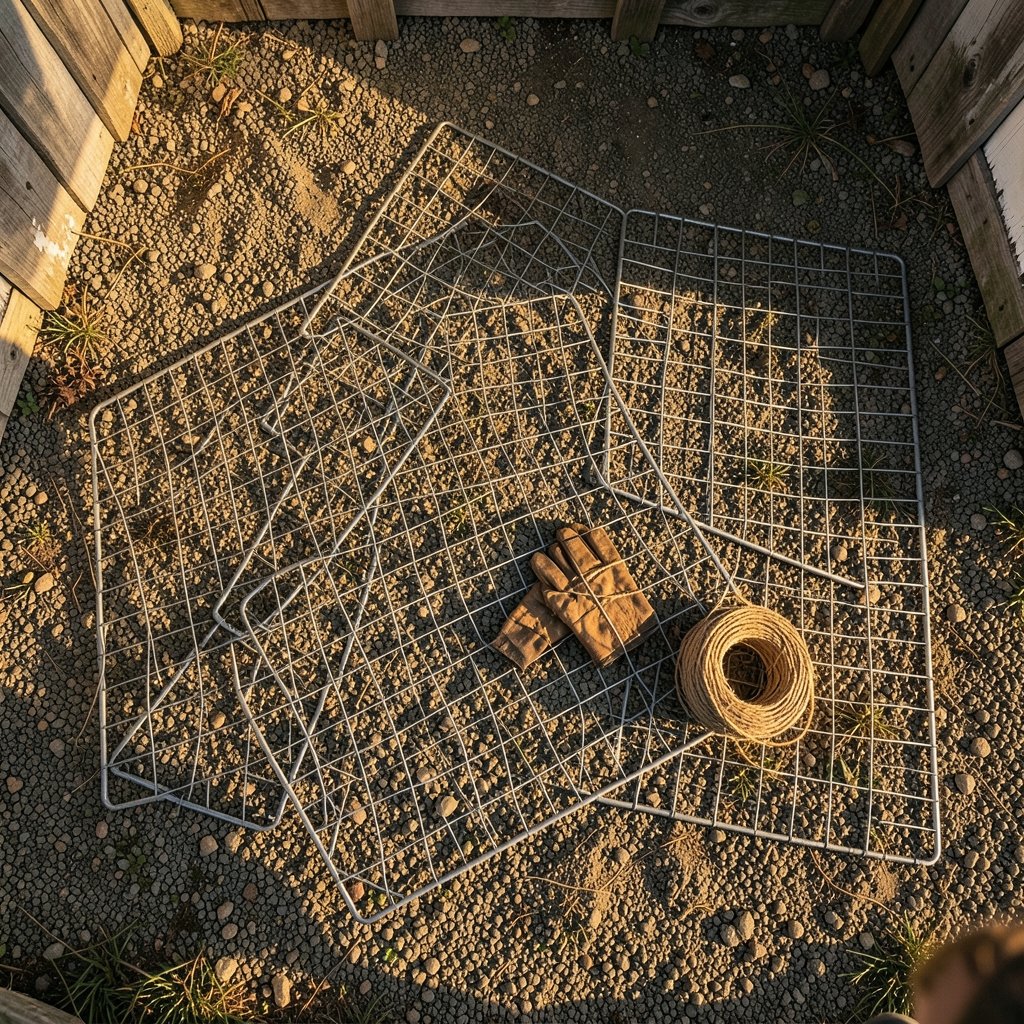
What do a rancher sorting calves, a hobby farmer building a hay feeder, and a gardener training tomatoes all have in common? They may all reach for the same piece of equipment: a cattle panel. This humble welded-wire rectangle has quietly become one of the most versatile tools on small farms and large operations alike. Yet ask three different buyers what makes a good one, and you will get three different answers. That is because “cattle panel” describes a category, not a single standardized product.
This guide walks through what cattle panels actually are, how they are sized and built, where they shine, and where they fall short. It also covers the mistakes that cost people money and the safety details that are easy to overlook.
What Is a Cattle Panel, Exactly?
A cattle panel is a welded-wire livestock fence panel. It is made of steel rods welded into a rectangular grid, then usually galvanized to resist rust. Ranchers use them to build temporary or permanent pens, corrals, and fencing for cattle and other livestock. You will also hear them called corral panels, stock panels, horse panels, hog panels, or feedlot panels.
Those names are not formal categories. They mostly reflect the intended animal and the grid spacing. A panel marketed for hogs typically has tighter spacing near the bottom so small animals cannot slip through. A panel sold for cattle tends to have wider spacing and heavier rods. In practice, the labels blur together, and regional usage varies. What one store calls a cattle panel, another may call a corral panel.
The key thing to understand is that there is no single product standard for cattle panels as a category. Buyers rely on manufacturer specifications rather than a universal benchmark. That means the numbers on the tag matter far more than the name on the sign.
Common Sizes and What the Numbers Mean
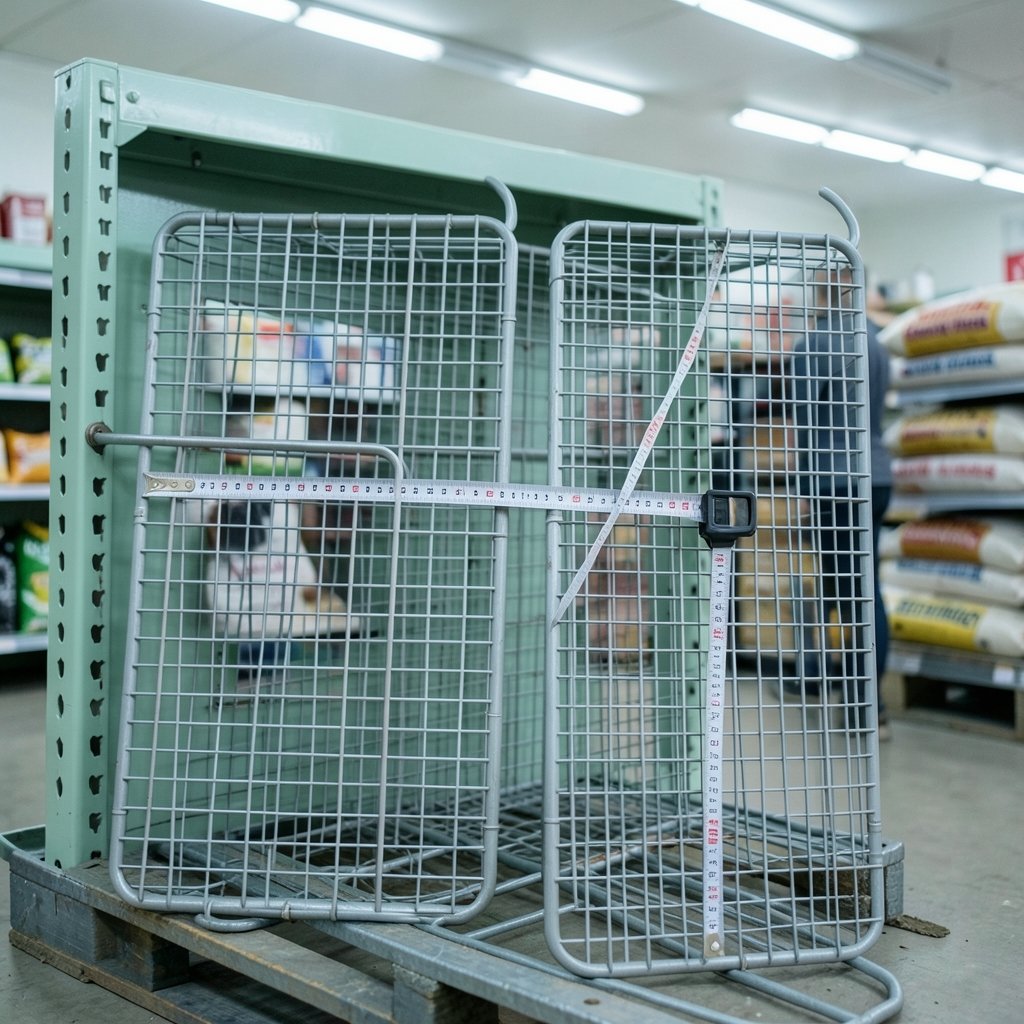
Cattle panels are commonly sold in roughly 4 to 5 feet in height and 10 to 16 feet in length. Rod diameters and grid spacing vary by manufacturer. Because there is no single standard, dimensions and gauge differ widely between brands and countries.
When you shop, you will encounter a few recurring specs:
| Spec | What It Tells You | Why It Matters |
|---|---|---|
| Height | Vertical reach of the panel | Taller panels contain larger, more active animals |
| Length | Span per panel | Affects how many panels you need for a pen |
| Rod gauge | Thickness of the steel | Heavier rods resist bending and leaning |
| Grid spacing | Distance between wires | Tighter spacing holds smaller animals |
| Coating | Galvanized, painted, or coated | Galvanization is the main durability factor |
A practical rule of thumb: the heavier the animal and the more pressure it puts on a fence, the more you should care about rod thickness and weld quality. A lightweight panel that works fine for poultry or a garden trellis will not hold up to a nervous heifer leaning on it.
Galvanization and Build Quality
Most cattle panels are made of galvanized steel for corrosion resistance, and some are painted or coated. Galvanization is the key durability factor. A well-galvanized panel can last years outdoors; a poorly coated one can start rusting at weld points and cut ends within a season or two.
Build quality shows up in details that are easy to miss in a photo:
- Weld integrity. Look for consistent, fully fused welds at every intersection. Weak welds are where panels fail first.
- Rod consistency. Uneven rod thickness suggests loose manufacturing tolerances.
- Cut ends. Sharp wire ends are common on welded panels. Check whether ends are capped, folded, or left raw.
- Straightness. A panel that arrives bent tends to stay bent and never sits flush in a line.
If you are buying in person, flex the panel gently and listen. Rattling or creaking at the joints is a warning sign. If you are buying online, read the spec sheet closely and check the return policy before ordering a pallet of panels.
Where Cattle Panels Earn Their Keep
Cattle panels are widely used in small-scale and hobby farming as well as commercial operations. Their value comes from being portable, stackable, and quick to set up. Common uses include:
- Temporary pens and corrals for sorting, loading, or holding animals during handling.
- Hay feeders built by forming panels into a ring or basket.
- Permanent or semi-permanent fencing when set with proper posts and bracing.
- Calf and small-stock enclosures, where tighter grid spacing keeps young animals contained.
- Non-livestock uses such as garden trellises, compost bins, and temporary barriers.
That last point surprises people new to farming. A cattle panel is a structural grid, and structural grids have uses far beyond livestock. Many buyers pick up panels for the garden and never put an animal near them.
Matching the Panel to the Animal
Because “cattle panel” is a loose label, the smartest approach is to match the panel to the animal rather than the name. Here is how the logic usually breaks down:
| Animal | Priority | Practical Consideration |
|---|---|---|
| Adult cattle | Strength and height | Heavier rods, taller panels, solid bracing |
| Calves | Containment | Tighter spacing so heads and legs cannot slip through |
| Horses | Visibility and safety | Sturdy, visible panels with no trap points |
| Hogs | Tight spacing | Small gaps near the bottom to stop rooting escapes |
| Poultry and small stock | Fine mesh | Panels alone are usually too open |
For anyone working with woolly or tightly curled coats, containment is only half the battle. Breeds with dense fleece, including 4c hair in the human sense and heavy-coated livestock in the barn sense, remind us that gaps sized for one animal may not suit another. The point is simple: measure the smallest gap and compare it to the smallest animal you plan to hold.
Hair texture and coat type also matter when you are handling animals up close. Someone who spends time around show animals and also follows grooming and coat-care content, whether that means 2b hair or a winter coat on a Highland calf, tends to notice the same thing: dense coats trap debris, and pens with rough wire ends make that worse. Smooth, well-finished panels are kinder to coats and hides alike. (The row)
Installation: What Actually Works
Panels are only as good as their installation. A few practices separate a pen that holds from one that fails at the worst moment.
- Set proper end posts. Drive sturdy posts at corners and ends, then brace them. Panels tied to nothing will walk and lean.
- Tie panels together at every joint. Use wire or panel clamps at the top, middle, and bottom of each connection.
- Keep panels tight to the ground. Gaps at the bottom invite escapes and hoof traps.
- Align the line. A straight run distributes pressure; a wavy one concentrates it at weak points.
- Inspect after every use. Check welds, ties, and cut ends before putting animals in.
A common mistake is treating panels as self-supporting. They are not. Another is skipping the brace at corners, which is where livestock pressure concentrates. A third is buying the cheapest panels for the heaviest job. The savings disappear the first time a panel bends and has to be replaced.
Livestock handling guidance generally emphasizes sturdy, visible, well-maintained fencing and pens to reduce injury and stress. Panel-based pens are common for temporary handling, but they need the same care as any other fence. Visibility matters too. Animals that can see the barrier are less likely to run into it.
Safety Details People Overlook
Welded panels can have sharp wire ends and gaps that trap hooves or heads. Proper installation and inspection are commonly advised, and for good reason. A few practical checks:
- Run a gloved hand along cut ends and cap or fold anything sharp.
- Check the bottom gap against hoof size.
- Look for any intersection where a weld has failed, leaving a loose wire that can hook an ear tag or a leg.
- Confirm that panel joints do not create pinch points where animals crowd.
None of this is exotic. It is the same inspection routine you would apply to any fence. The difference is that panels are often moved and reused, so they get more handling and more chances to develop problems.
Cattle Panels vs. Other Fencing
It helps to see where panels fit relative to other options.
| Option | Best For | Trade-off |
|---|---|---|
| Cattle panels | Temporary pens, quick setups, feeders | Not self-supporting; needs posts and ties |
| Barbed wire | Large pasture perimeter | Less visible; not ideal for temporary pens |
| Woven wire | Permanent boundary fencing | Slower to install; harder to reconfigure |
| Electric fence | Rotational grazing, temporary strips | Needs power and training; not a physical barrier |
| Wooden corral | Permanent handling facilities | Costly and time-consuming to build |
Panels win on speed and flexibility. They lose on permanence and on cost per linear foot for long runs. Most operations end up using both: panels for the working pen, wire or electric for the pasture.
Buying Checklist
Before you commit, run through this list:
- Confirm the height and length against your pen plan.
- Check rod gauge and grid spacing rather than trusting the label alone.
- Verify galvanization and look for coating defects.
- Ask about weld quality and end finishing.
- Compare cost per panel against cost per linear foot.
- Confirm delivery and return terms for bulk orders.
If the seller cannot answer basic spec questions, that is your answer. Move on.
Conclusion
A cattle panel is one of the most useful pieces of equipment on a farm precisely because it is so simple. It is a welded steel grid that becomes a pen, a feeder, a fence, or a trellis depending on how you set it up. But simple does not mean interchangeable. Because there is no single product standard, the buyer carries the responsibility for checking height, length, rod gauge, grid spacing, and galvanization before money changes hands.
The operators who get the most from their panels are the ones who match the panel to the animal, install it with real posts and ties, and inspect it every time it moves. They treat panels as a system, not a shortcut. Do the same, and a stack of panels will earn its place in the barn for years. Skip those steps, and you will be buying replacements sooner than you expect.
Frequently Asked Questions
What is a cattle panel used for?
A cattle panel is used to build temporary or permanent pens, corrals, and fencing for cattle and other livestock. It is also common for hay feeders, calf enclosures, and non-livestock jobs such as garden trellises and compost bins. Its main appeal is that it is portable, stackable, and quick to set up.
How big is a standard cattle panel?
There is no true standard. Panels are commonly sold in roughly 4 to 5 feet in height and 10 to 16 feet in length, with rod diameters and grid spacing varying by manufacturer. Because dimensions and gauge differ widely between brands, always check the spec sheet rather than assuming a size.
Are cattle panels the same as corral panels or horse panels?
They overlap heavily. The names usually reflect the intended animal and the grid spacing rather than a formal distinction. A panel sold for hogs typically has tighter spacing near the bottom, while a cattle panel tends to have wider spacing and heavier rods. Regional usage varies, so compare specs, not labels.
Do cattle panels need posts?
Yes. Cattle panels are not self-supporting. They need sturdy end and corner posts with proper bracing, and panels should be tied together at every joint at the top, middle, and bottom. Panels tied to nothing will lean, walk, and eventually fail under livestock pressure.
How long do cattle panels last?
It depends mostly on galvanization and build quality. Most panels are galvanized steel for corrosion resistance, and galvanization is the key durability factor. A well-coated panel with solid welds can last years outdoors, while a poorly coated one may rust at weld points and cut ends within a season or two.
Are cattle panels safe for animals?
They can be, with proper installation and inspection. Welded panels can have sharp wire ends and gaps that trap hooves or heads, so it is commonly advised to cap or fold sharp ends, check the bottom gap against hoof size, and inspect welds before each use. Sturdy, visible, well-maintained pens reduce injury and stress.














