



What do you say when someone asks, “Was it a funeral or a celebration of life?” The question matters more than it sounds, because the answer shapes everything from the venue to the music to whether guests wear black or bright colors. A celebration of life is a gathering that honors a person’s story, personality, and impact rather than following a fixed ritual script. It can sit alongside a traditional funeral, replace it, or happen weeks later when the family has had time to breathe. This guide walks through what the term actually means, how these events differ from funerals, and the practical choices that separate a meaningful tribute from a stressful production.
What Is a Celebration of Life?
A celebration of life is a memorial event centered on gratitude and storytelling. Instead of a structured religious rite with set prayers and processionals, it usually leans on shared memories: friends telling stories, a slideshow of candid photos, favorite foods, and music the person loved. The tone can be joyful, reflective, or both at once. Grief does not disappear because the event is called a celebration, and good planners make room for tears alongside laughter.
The term is used loosely. Some families use it as a synonym for a memorial service. Others reserve it for something distinctly informal and personal. There is no single authority that defines what must happen at one, which is both the freedom and the challenge of planning it.
How a Celebration of Life Differs From a Funeral
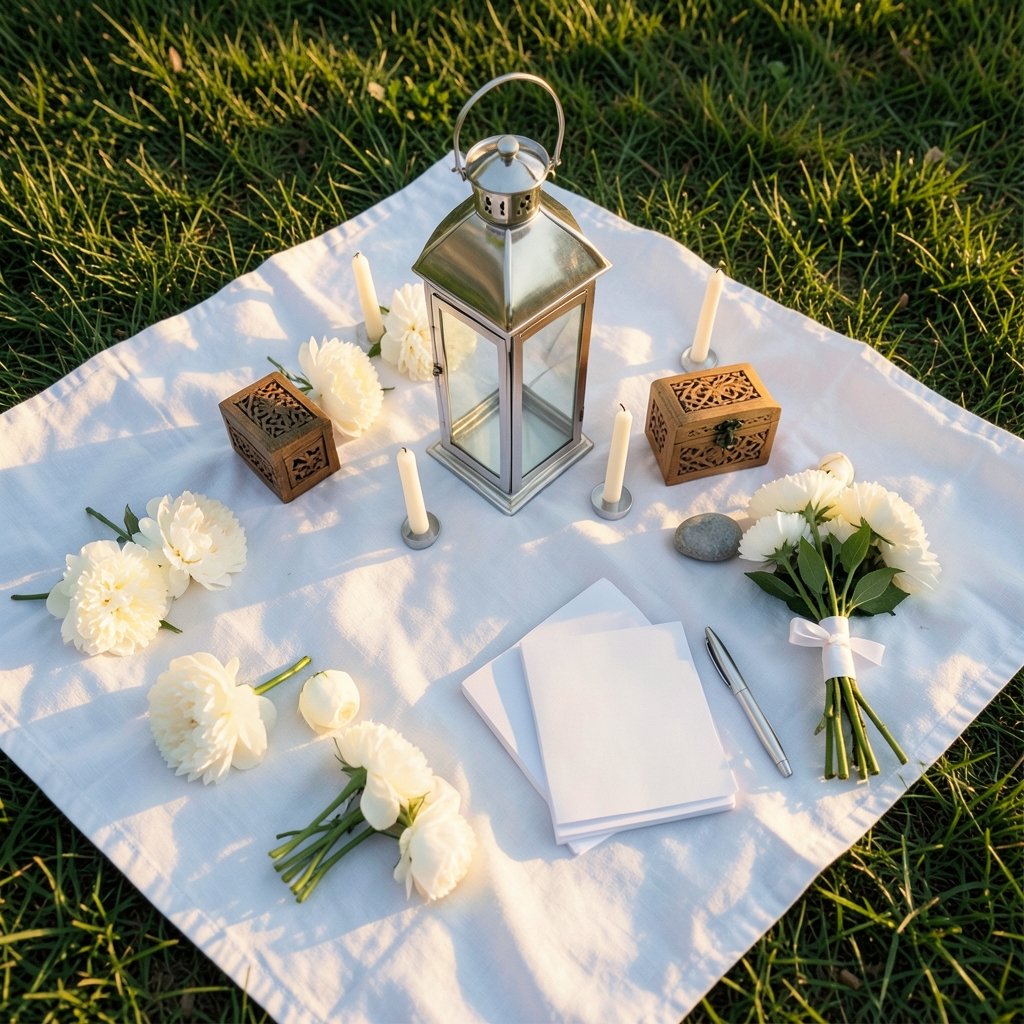
The two events overlap, but they tend to differ in structure, tone, and timing. Understanding the contrast helps families decide what they actually want.
| Element | Traditional funeral | Celebration of life |
|---|---|---|
| Structure | Set order of service, often religious | Flexible, often informal |
| Tone | Solemn, formal | Reflective, sometimes joyful |
| Timing | Usually within days of death | Can be days, weeks, or months later |
| Location | Church, chapel, funeral home | Home, park, restaurant, beach, club |
| Dress | Typically dark and formal | Often casual or bright colors |
| Focus | Ritual and mourning | Stories, personality, shared memories |
| Body present | Often yes, with burial or cremation following | Usually no |
A funeral often exists to move the body through a rite of passage, while a celebration of life exists to move a community through remembering. Many families hold both: a small graveside service for closure, then a larger gathering later for storytelling.
Where the Term Comes From and Why It Spread
The phrase gained traction in English-speaking countries during the late twentieth and early twenty-first centuries, alongside rising cremation rates and a broader shift toward personalized memorials. As fewer families had a fixed religious liturgy to follow, they needed a different frame for gathering. The language of celebration gave them one.
It is worth being clear about what is not well documented. The first recorded use of the phrase and precise statistics on how common these events are today are not reliably established. Claims that “X percent of families now choose a celebration of life” should be treated with caution unless a specific, verifiable survey is named. What is clear is that the vocabulary has moved into everyday use, and funeral homes, celebrants, and venues have adapted to it.
Choosing the Right Format
There is no correct format, but there are formats that work better for different circumstances. A few common approaches:
- The open-house gathering. Guests drop in over a two- to four-hour window at a home or hall. Low pressure, flexible for large networks, and easy for people who cannot stay long.
- The storytelling service. A hosted program with a few scheduled speakers, music, and a short welcome. Good for people who need structure to feel comfortable.
- The activity-based tribute. A hike, a beach day, a cooking class, or a round of golf in the person’s honor. Works well when the deceased had a defining passion.
- The livestream hybrid. An in-person event with a streamed component for distant family and friends who cannot travel.
- The delayed gathering. Held weeks or months later, sometimes on a birthday or anniversary, when the immediate shock has eased.
In practice, the most common mistake is over-programming. Families sometimes build a two-hour agenda with eight speakers, three slideshows, and a catered meal, then discover that grief makes schedules slippery. A looser frame with a few anchors usually serves people better than a packed run sheet.
Setting the Tone Without Forcing It
Calling something a celebration does not obligate anyone to feel cheerful. This is where well-meaning planning goes wrong. Telling grieving guests to “keep it light” or “no crying today” can leave people feeling policed. A better approach is to let the tone emerge from the content: choose stories that capture the person honestly, including their flaws and humor, and let guests respond as they will.
Practical moves that tend to work:
- Open with a short, warm welcome that explains what will happen and invites people to participate at their own comfort level.
- Build in a quiet space or a corner with photos and a guest book for people who need a moment alone.
- Offer a structured way to contribute, such as a memory jar, a recording station, or index cards for written stories.
- Skip the eulogy marathon. Two or three speakers with time limits beat ten speakers with none.
Personalization That Actually Lands
The details people remember are usually specific, not grand. A playlist of the person’s actual favorite songs, including the embarrassing ones. A table of foods they genuinely loved rather than generic catering. Photos from ordinary days, not only formal portraits. A display of their tools, books, records, or hobby gear.
One useful test: if the event could be swapped with any other person’s memorial without anyone noticing, it needs more personal detail. Conversely, families should resist the pressure to turn the gathering into a production. Elaborate decor and rented venues do not create meaning on their own. Thoughtful, low-cost touches often do more work than a big budget, a principle that applies well beyond memorials and shows up in broader conversations about living well within your means, such as this look at how to live a luxurious lifestyle on a budget, where the emphasis lands on intention over expense.
Practical Planning: Venue, Budget, and Logistics
A realistic plan starts with three numbers: guest count, budget, and date flexibility. Venue choice follows from those. Homes and parks are inexpensive but weather-dependent and limited in capacity. Restaurants and halls cost more but handle food, seating, and cleanup. Religious spaces may be available to families with a connection to the congregation, sometimes at low or no cost.
Costs add up in predictable places: catering, rentals, printing, flowers, and travel. Families often overspend on flowers and underspend on food and seating, which are what guests actually notice. A simple rule is to spend first on comfort (enough chairs, decent food, accessible parking) and last on decor.
Common practical mistakes worth avoiding:
- Forgetting accessibility. Check step-free access, hearing loops, and parking before booking.
- Ignoring dietary needs. Collect a rough sense of allergies and restrictions when guests RSVP.
- No assigned point person. Someone other than the closest family members should manage vendors, doors, and timing on the day.
- No plan for the after. Grief often hits hardest once the event ends and the house goes quiet. A follow-up call or meal train helps.
For families thinking about how to mark milestones and occasions with care and a bit of style, resources on luxury lifestyle ideas can inform the aesthetic side of an event without turning it into a spectacle.
Involving Children and Older Relatives
Children grieve differently from adults and often benefit from a concrete role: drawing a picture for a memory table, placing a flower, or helping hand out programs. Short, honest explanations work better than euphemisms. Older relatives may need transportation, seating, and a quieter space, and they often hold the family stories that make the event worth attending. Giving them a chance to talk, on their terms, is one of the simplest ways to add depth.
Cultural and Religious Variation
The phrase is not universal, and it does not translate neatly. Many cultures have their own established mourning practices with set timelines, dress codes, and community obligations, and a “celebration of life” format may not fit or may need to be blended carefully with tradition. Families navigating more than one tradition sometimes hold separate events for different communities. Asking elders and religious leaders what is expected, before booking anything, prevents awkward conflicts later.
Writing an Invitation That Sets Expectations
A good invitation answers four questions: what this is, when and where, what to wear, and what to bring or do. Keep the wording warm and plain. If donations are preferred over flowers, say so directly. If children are welcome, say that too. If the event includes a memory-sharing segment, tell guests in advance so they can prepare a story.
For families who want their gathering to feel considered and well-crafted, the broader ideas in this exploration of the new meaning of luxury living can translate into hosting choices that prioritize experience over display.
A Short Checklist for the Final Weeks
- Confirm the date, venue, and guest count.
- Choose two or three speakers and set time limits.
- Build a photo and music list with the family.
- Arrange food, seating, and accessibility.
- Assign day-of roles to people outside the immediate family.
- Prepare a short welcome and a closing thank-you.
- Plan the follow-up: who checks in on whom, and when.
Conclusion
A celebration of life works when it tells the truth about a person and gives the people who loved them something to do with their grief: tell stories, eat together, laugh at the right moments, and cry when it comes. The format matters less than the honesty. Start with the person’s real life, keep the logistics simple enough to survive a hard day, and let guests participate in ways that feel natural to them. Whether the gathering happens in a week or in six months, in a church hall or a backyard, the goal is the same: a room full of people who remember, and who leave feeling a little less alone.
Frequently Asked Questions
What is the difference between a funeral and a celebration of life?
A funeral typically follows a set order of service, often religious, and is usually held within days of a death, sometimes with the body present. A celebration of life is more flexible and focuses on storytelling, personality, and shared memories. It can happen weeks or months later and often takes place in a home, park, or restaurant rather than a chapel.
Can you have a celebration of life without a funeral?
Yes. Many families choose a celebration of life instead of a funeral, particularly when cremation is involved or when the deceased was not religious. Others hold a small private burial or cremation first and a larger gathering later. There is no legal or customary requirement to hold a traditional funeral.
When should a celebration of life be held?
Timing is flexible. Some families hold it within a week or two, while others wait a month or more, sometimes aligning it with a birthday or anniversary. A delayed gathering gives distant relatives time to travel and gives the immediate family space to plan without pressure.
What should guests wear to a celebration of life?
Check the invitation first, since families set their own expectations. Many celebrations of life invite casual or colorful clothing rather than traditional black. When in doubt, smart casual in muted or neutral tones is a safe choice, and it is always acceptable to ask the host directly.
Do you bring flowers to a celebration of life?
Not always. Many families request donations to a charity, a memory contribution, or nothing at all in place of flowers. Read the invitation carefully. If flowers are welcome, a simple arrangement or a plant that can be kept afterward is usually appreciated.
How do you plan a celebration of life on a small budget?
Prioritize the elements guests actually notice: comfortable seating, enough food, and a clear program. Host at home or in a park, ask friends to contribute dishes, use printed photo boards instead of rented displays, and borrow tables and chairs where possible. Personal details cost little and carry more meaning than expensive decor.














