



What makes a boot that has barely changed in 170 years still feel modern today? That’s the quiet magic of the Chelsea boot. No laces, no fuss, just a clean silhouette that slides on in seconds and works with almost everything in a closet. It shows up on construction sites, at weddings, in muddy festival fields, and on red carpets, often the very same week.
This guide breaks down what actually makes a Chelsea boot, how to pick the right pair for your feet and lifestyle, how to style it without looking like you tried too hard, and how to keep it alive for years. Along the way, there are practical tips and the mistakes people make most often, so you can skip the trial and error.
What Exactly Makes a Boot a Chelsea Boot?
The definition is stricter than most people assume. A true Chelsea boot has four defining features:
- An ankle-height shaft that sits just above the ankle bone
- Elastic side gussets (the stretchy panels on both sides)
- Pull tabs at the front and back of the collar to help you get them on
- No laces or buckles anywhere on the upper
That’s it. If a boot has laces, it’s a lace-up boot. If it has a buckle strap across the ankle, it’s a jodhpur or a harness boot. The elastic gusset is the signature, and it’s what gives the Chelsea its famously clean front profile.
The style traces back to the Victorian era, when an elastic-sided boot was patented in the mid-1800s as a practical riding and walking shoe. It was originally called a paddock boot or jodhpur boot. The name “Chelsea” came later, tied to the artistic and musical crowd around Chelsea in London in the 1950s and 1960s who adopted the boot as part of their look. From there it spread into mainstream fashion and never really left.
The Elastic Gusset: Small Detail, Big Difference
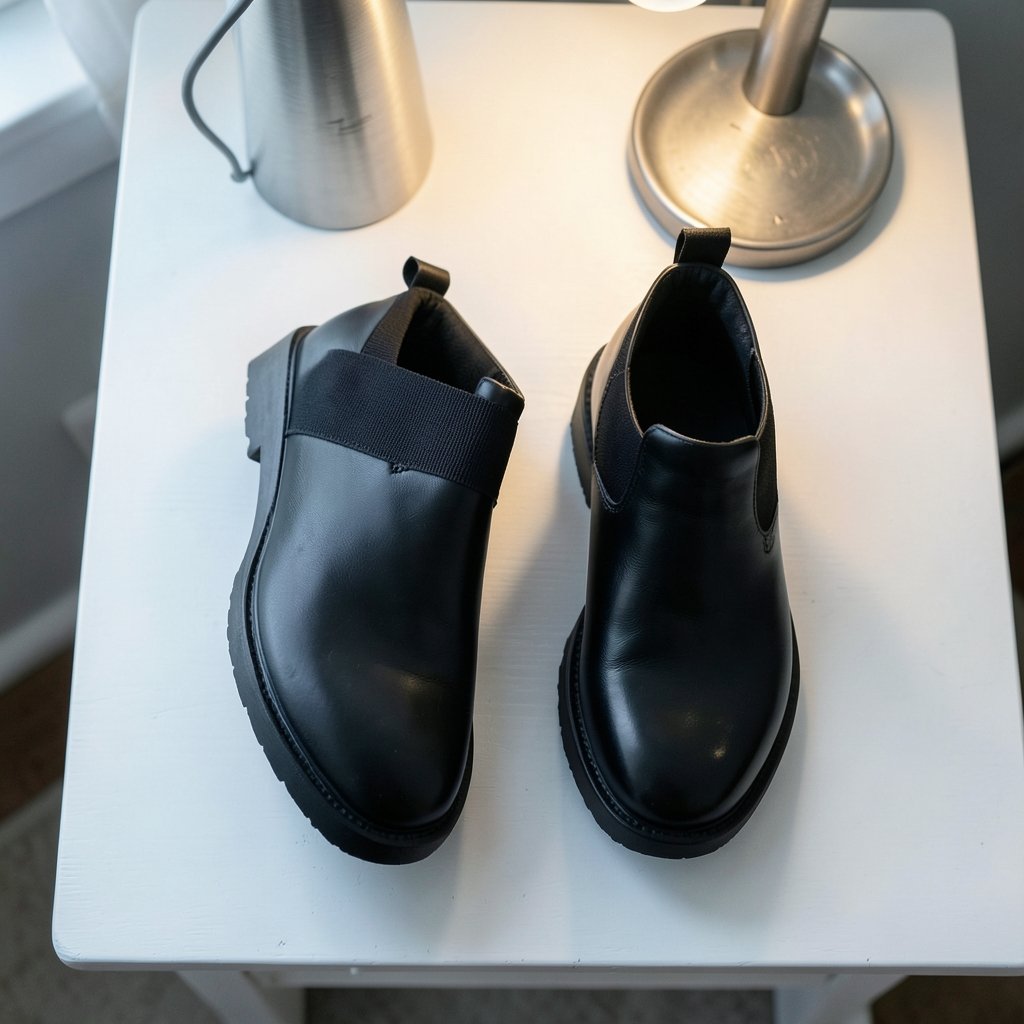
Beginners often underestimate the gusset. It does more than decorate the boot. The elastic panel lets the boot open wide enough to get your foot in, then snap back to hold the ankle. That single piece of engineering is why Chelsea boots feel secure without laces.
A few practical notes from experience:
Cheap elastic fails first. On budget boots, the gusset is often thin and loses stretch within a year, leaving you with a floppy ankle. Look for a thick, tightly woven elastic that springs back when you pull it.
Gusset depth matters for fit. A deeper gusset accommodates a higher instep and wider feet. A shallow one suits narrow, low-volume feet. If you have a high arch, try before you buy.
Two tabs, not one. The front and back pull tabs aren’t cosmetic. Use both when pulling the boot on, and never yank by the elastic itself, which stretches it out over time.
Choosing the Right Pair: Materials, Soles, and Fit
Most Chelsea boot regret comes from buying on looks alone. The material and sole decide how the boot performs, and the fit decides whether you actually wear it.
Leather, Suede, or Something Else?
| Material | Best for | Watch out for |
|---|---|---|
| Smooth leather | Everyday wear, office, rain | Needs regular conditioning; can scuff |
| Suede | Dry weather, smart-casual looks | Stains easily; needs a protector spray |
| Grained leather | Bad weather, textured look | Slightly bulkier feel |
| Vegan/synthetic | Budget, ethics-driven buyers | Can crack; less breathable |
Full-grain leather is the most durable choice and ages best. Suede looks softer and dressier but demands care. If you live somewhere wet, a grained or oiled leather with a rubber sole is the safer bet.
Sole Types and What They Signal
A leather sole is dressier and traditional, great for offices and formal events, but slippery on wet pavement. A rubber or commando sole grips better and handles weather, making it the practical pick for daily wear. Crepe soles are soft and casual but wear down faster. Think about where you’ll actually walk before choosing.
Getting the Fit Right
Chelsea boots should feel snug at the ankle and roomy enough at the toe to wiggle your toes. Because there are no laces to adjust, the fit is fixed, so sizing matters more than with other shoes.
Practical tips that actually work:
- Try boots late in the day when feet are at their largest.
- Wear the socks you’ll normally pair with them.
- Check the heel slip. A little slip at first is normal; a lot means the boot is too big.
- Test the instep. If the top of your foot feels pinched when you walk, size up or try a wider fit.
- Break them in gradually with short wears before a long day.
A common mistake is buying a half size too big to “leave room,” then dealing with heel blisters for months. Snug is better than loose here.
How to Style Chelsea Boots Without Overthinking It
The Chelsea boot’s superpower is versatility. It reads formal or casual depending on what’s around it. Here’s how to make it work.
With jeans. Slim and straight-leg jeans look sharpest. A slight crop or a clean hem that sits on the boot shaft keeps the line tidy. Avoid stacking a wide, baggy hem over the boot, which swallows the silhouette.
With trousers and suits. A sleek leather Chelsea in black or dark brown pairs beautifully with tailored trousers and suits, especially in colder months. It’s a cleaner look than a lace-up dress shoe for many people.
With skirts and dresses. The boot works with midi skirts, tights, and dresses, giving a slightly edgy, grounded finish. It’s a staple of transitional-weather outfits.
Color choices. Black is the safest and most formal. Brown and tan skew casual and pair well with denim and earth tones. A darker shade hides scuffs better than light suede. If you only buy one pair, black leather with a rubber sole covers the most ground.
The sock question. Thin socks for dressy looks, thicker wool socks for cold weather. Just remember to try boots on with the socks you’ll actually wear, since the fit is fixed.
Hair type has nothing to do with boots, but if you’re building a full look and have textured hair, understanding your pattern helps you style with confidence. Readers with tighter coils often find guidance on caring for 4c hair useful, while those with wavy patterns can learn more about 2b hair and how it behaves. The same principle applies to footwear: know your type, then work with it. (The row)
Common Mistakes People Make With Chelsea Boots
Even a great boot can go wrong. These are the traps that come up again and again.
Buying for the look, not the weather. A beautiful suede Chelsea is a poor choice for a rainy commute. Match the material to your climate.
Ignoring the sole. A leather sole on wet cobblestones is a slip waiting to happen. If you walk a lot outdoors, choose grip.
Skipping the break-in. Leather needs time to mold to your foot. Wear them around the house first.
Over-polishing suede. Suede wants a brush and a protector spray, not polish. Polish clogs the nap.
Pulling by the elastic. Always use the tabs. The gusset is the first thing to wear out if you abuse it.
Storing damp boots in a closet. Let them air dry away from direct heat, stuffed with newspaper or cedar trees, before storing.
Caring for Chelsea Boots So They Last
A well-made Chelsea boot can last a decade or more with basic care. The routine is simple.
Clean regularly. Wipe leather with a damp cloth and brush suede to lift dirt. Do this weekly if you wear them often.
Condition leather. A good conditioner every few months keeps leather supple and prevents cracking. Don’t overdo it; too much softens the structure.
Protect suede. Spray a water-and-stain protector before first wear and reapply through the season.
Use shoe trees. Cedar shoe trees absorb moisture and hold the shape, especially important for the unstructured ankle area.
Rotate pairs. Wearing the same boots every day doesn’t give them time to dry out, which shortens their life. Alternating two pairs roughly doubles the lifespan of each.
Resole before it’s too late. When the sole wears thin, a cobbler can often resole leather-soled boots, extending their life significantly.
Chelsea Boots vs. Other Boot Styles
It helps to see where the Chelsea sits next to its cousins.
| Style | Closure | Formality | Best for |
|---|---|---|---|
| Chelsea | Elastic gusset | Casual to smart | All-round daily wear |
| Lace-up (e.g., combat) | Laces | Casual | Rugged, adjustable fit |
| Jodhpur | Buckle strap | Smart-casual | Equestrian-inspired looks |
| Chukka | Laces, ankle height | Casual | Desert and warm weather |
| Hiking boot | Laces, lugged sole | Outdoor | Trails and rough ground |
The Chelsea’s edge is speed and a clean line. It’s the boot you grab when you want to look put-together without thinking. If you want adjustable fit or heavy tread, a lace-up wins. If you want versatility and polish, the Chelsea does more with less.
Who Should Wear Chelsea Boots (and Who Might Skip Them)
Chelsea boots suit most people, but a few honest caveats help.
They’re a great fit if you want one pair that handles the office, weekends, and travel. They pack flat, slip on fast at airport security, and look intentional with almost anything.
They can be trickier if you have a very high instep, very wide feet, or significant foot swelling, because there’s no lacing to adjust. In that case, look for wide-fit versions, softer leather, or a deeper gusset. Trying in person beats guessing every time.
They’re also not the best pick for serious hiking or deep snow, where tread and ankle support matter more than style.
Conclusion
The Chelsea boot earns its place in a wardrobe because it solves a real problem: looking polished without spending time lacing up. Once you understand the four features that define it, the role of the elastic gusset, and how material and sole choices change its behavior, buying a pair becomes far less of a gamble. Match the boot to your climate and daily routine, get the fit snug rather than loose, and give it a little care each season. Do that, and a good pair will stay with you for years, quietly doing its job from the first cold morning to the last.
Frequently Asked Questions
What is the difference between Chelsea boots and ankle boots?
Ankle boots are any boots that stop at the ankle, so Chelsea boots are a specific type of ankle boot. The Chelsea is defined by its elastic side gussets, pull tabs, and lack of laces. A lace-up ankle boot or a buckled ankle boot is still an ankle boot, but it isn’t a Chelsea.
Are Chelsea boots good for wide feet?
They can be, but fit matters more than with laced shoes because there’s no adjustment. Look for wide-fit versions, softer leather that stretches, and a deeper elastic gusset. Trying them on in person, ideally late in the day, is the most reliable way to get the right size.
Can you wear Chelsea boots in the rain?
Yes, if you choose the right material. Smooth or grained leather with a rubber sole handles wet weather well. Suede does not, so it’s best kept for dry days or treated with a protector spray. Avoid leather soles on wet, slippery surfaces.
How should Chelsea boots fit?
They should feel snug around the ankle and roomy enough at the toe to wiggle your toes. A small amount of heel slip when new is normal, but excessive slipping means they’re too big. Always try them with the socks you plan to wear.
How long do Chelsea boots last?
A well-made leather pair with proper care can last a decade or more. Lifespan depends on leather quality, how often you wear them, and whether you rotate pairs, use shoe trees, and resole them before the sole wears through. Cheap elastic gussets are usually the first part to fail.
Can you wear Chelsea boots with a suit?
Yes. A sleek leather Chelsea in black or dark brown pairs well with tailored trousers and suits, especially in autumn and winter. Choose a slim profile and a leather or slim rubber sole for a cleaner, more formal look.









