

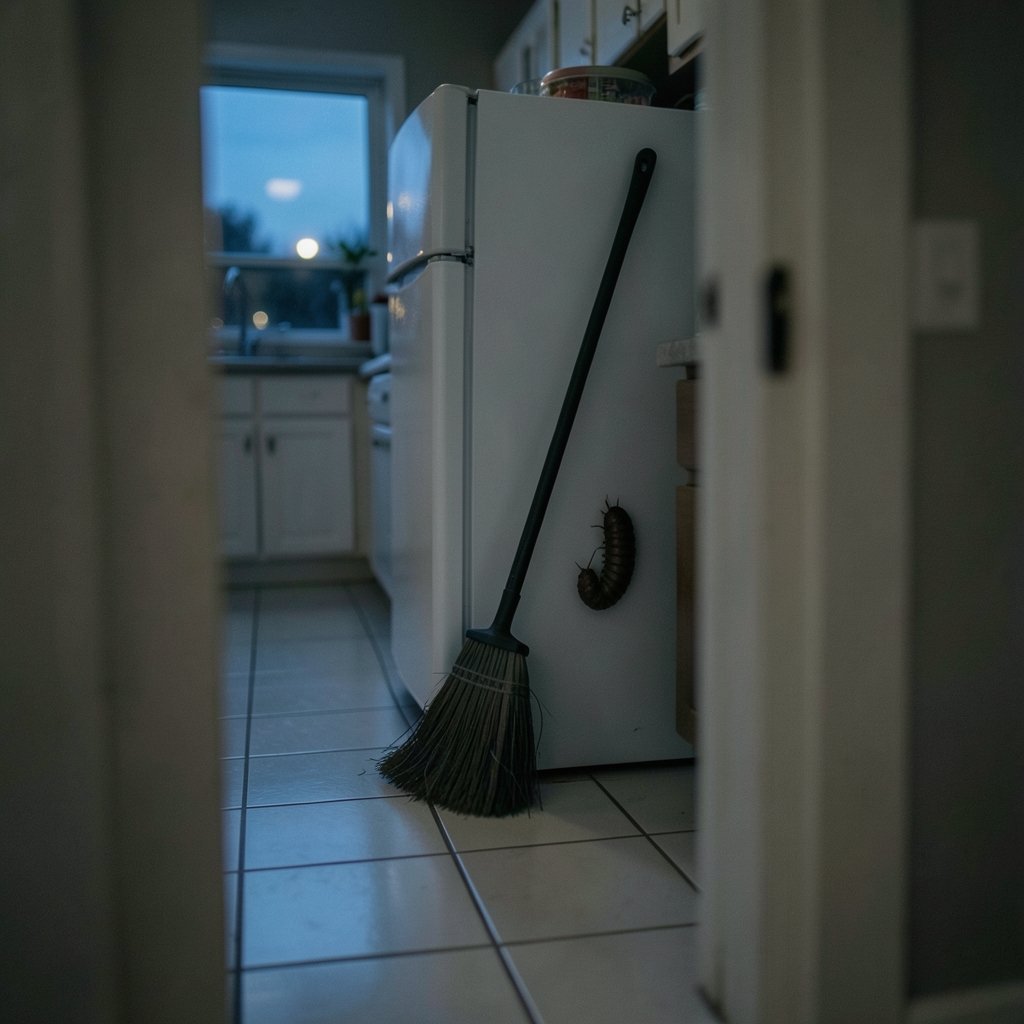
What if the cockroach you just killed was never the real problem? The bigger issue could be the purse-shaped capsule hidden behind your fridge, carrying dozens of eggs that will hatch whether or not you caught the adult. That capsule is the ootheca, and understanding it changes how you fight an infestation. Kill every roach you can see, and you may still be back at square one in a month. Find the egg cases, and you finally cut the cycle at its source.
What Are Cockroach Eggs, Really?
A female cockroach does not scatter loose eggs around your kitchen. Instead, she builds a protective case called an ootheca and seals her eggs inside it. The structure is tough, purse-shaped, and built from a protein-rich secretion that hardens into a shell. Think of it less as a pile of eggs and more as an armored suitcase.
Inside that suitcase, the eggs sit in two neat rows. The case protects them from drying out, from many chemicals, and from casual attempts to wipe them away. That single design feature explains a lot about why cockroaches are so stubborn.
When the eggs are ready, nymphs split the case open and crawl out. They are not larvae or grubs. They look like tiny adults, just smaller and wingless, because cockroaches go through incomplete metamorphosis. There is no pupal stage. A hatchling is essentially a scaled-down version of the roach you already recognize.
The case itself looks a bit like a small bean or a tiny coin purse, usually brown to reddish-brown, with a ridge along one side. Sizes vary by species, but most household oothecae are roughly the length of a grain of rice to a small peanut.
Egg Counts Differ Wildly by Species

Not all cockroach egg cases are created equal. The species matters enormously, because one case from a German cockroach can produce far more nymphs than one from an American cockroach.
| Species | Eggs per ootheca (typical) | What the female does with it |
|---|---|---|
| German cockroach | About 30 to 40, sometimes cited up to 48 | Carries it protruding from her abdomen for roughly three weeks, then drops it shortly before hatching |
| American cockroach | About 14 to 16 | Deposits it within about a day, often gluing it to a sheltered surface |
| Brown-banded cockroach | Fewer eggs, but hidden well | Attaches the case to surfaces high up and out of sight |
Those numbers are ranges, not fixed rules. Temperature, humidity, and even the specific strain of roach can shift the count. Anyone who quotes a single universal number is oversimplifying.
The German cockroach figure is the one that should worry you most. A female carrying 30 to 40 eggs means a single hidden case can restart an infestation almost overnight. This is exactly why 4c hair-level attention to detail matters when you are inspecting harborage areas like the gap behind a cabinet or the underside of a drawer, since the case is easy to overlook. (2b hair)
The Carrying Behavior That Changes Everything
Here is where species behavior becomes practical strategy. German cockroach females carry their ootheca for roughly three weeks, with the case sticking out from the rear of the abdomen. They only drop it shortly before the nymphs emerge.
That behavior has a real consequence for anyone using sprays or baits. If you kill a carrying female, the case she is holding may still hatch. The eggs inside are shielded from many contact insecticides by the shell itself. So the adult dies, but the next generation arrives anyway.
American cockroaches take a different approach. The female typically deposits her case within about a day, often gluing it to a surface in a warm, sheltered spot. She does not babysit it. The case simply sits there, quietly developing, until it splits open.
Brown-banded cockroaches are the sneaky ones. They attach their cases to surfaces high up and out of sight, which means ceiling corners, the tops of cabinets, and the undersides of furniture become inspection zones. If you only look low, you miss them.
How Long Until They Hatch?
Hatching time depends heavily on temperature. German cockroach eggs typically hatch in roughly two to four weeks under warm indoor conditions. Cooler environments slow development down, sometimes stretching it considerably.
That temperature sensitivity is useful knowledge. A warm kitchen or a heated bathroom creates ideal conditions for fast development. A cool, unheated space slows the clock. But slow does not mean stopped. Those cases can remain viable and hatch later, which is why a “quiet” period after treatment is not proof of success.
The practical takeaway: after you treat an infestation, keep watching for several weeks. New nymphs appearing after a lull are a strong signal that an egg case survived somewhere you did not reach.
Why Egg Cases Keep Infestations Alive
Removing visible adults feels productive. It is also, on its own, a losing strategy. The reasons stack up quickly.
First, the cases are hidden. They end up behind appliances, inside cracks, under furniture, and glued to surfaces you never think to check. Second, the shell protects the eggs from many treatments. Third, one case can yield dozens of nymphs. Fourth, those nymphs mature and start producing cases of their own, and the cycle compounds.
This is why pest-control inspectors treat egg cases as key evidence. Finding an ootheca in a harborage area points to an active, reproducing infestation rather than a stray roach that wandered in from outside.
There is a public-health dimension too. Cockroaches are associated with allergens and asthma triggers, especially in urban housing, and their presence is a sanitation indicator. Egg cases in harborage zones are part of the evidence that professionals look for when assessing a home. Getting rid of the adults while leaving cases behind means the allergen source returns.
If you have ever dealt with the frustration of a style that keeps reverting no matter what you do, you know the feeling. It is the same with roaches: the row of cases you fail to find is the one that comes back to bite you.
How to Find Egg Cases in Your Home
Inspecting for oothecae is a skill, and it rewards patience. Here is a practical sequence that actually works.
- Start with warmth and moisture. Check behind the fridge, under the sink, near the water heater, and around dishwashers. Roaches and their cases cluster where it is warm and damp.
- Check high places as well as low ones. Brown-banded roaches attach cases to ceilings, upper cabinet interiors, and the backs of shelves. Bring a flashlight and check upward.
- Check cracks and crevices. Use a flashlight along baseboards, inside cabinet hinges, and around pipe penetrations. Cases are often wedged into tight gaps.
- Inspect glues and adhesives. American cockroach cases are frequently glued to surfaces, so they can sit flush against a wall or under a shelf and be nearly invisible.
- Examine stored items. Cardboard boxes, paper bags, and stacked newspapers offer shelter. Shake them out over a bright surface.
- Search for the case itself and for roaches. A small brown purse-shaped object is your target. Do not assume an empty-looking area is clean.
A common mistake is spraying first and inspecting later. Inspect first. You want to know where the cases are before you disturb anything, because a startled roach carrying a case will simply move it somewhere new.
What Actually Works Against Cockroach Eggs
No single product solves an egg problem. What works is a layered approach that removes adults, destroys cases, and denies the next generation a place to develop.
Physical removal is the most reliable method. Vacuum cases you can reach, then seal the vacuum bag and dispose of it outside. Wipe down surfaces. Scrape off glued cases with a putty knife and discard them in a sealed bag. This is unglamorous, but it directly removes the problem.
Baits target the adults that produce cases. Gel baits and bait stations work because roaches carry the poison back to harborage areas. The catch is timing: a female carrying a case may still hatch it after dying. Repeat baiting over several weeks to catch newly emerged nymphs.
Insect growth regulators interrupt the cycle. These products disrupt development so roaches cannot mature and reproduce properly. They are not instant killers, but they chip away at the population’s ability to rebound.
Moisture and food control starve the population. Fix leaks, dry out damp areas, store food in sealed containers, and take out the trash nightly. Fewer resources mean fewer roaches reaching the egg-laying stage.
Professional help is worth it for heavy infestations. A technician knows where cases hide and can combine treatments in a way that covers the full life cycle. If you keep seeing nymphs weeks after DIY efforts, that is the signal to call in help.
One mistake to avoid: assuming a bug bomb solved everything. Foggers often scatter roaches deeper into walls and rarely reach the cases themselves. The result is a temporary dip followed by a rebound.
Preventing the Next Generation
Prevention is mostly about denying harborage. Seal cracks with caulk. Close gaps around pipes and behind cabinets. Reduce clutter, especially cardboard and paper. Keep kitchens dry and crumbs contained.
It also helps to think in cycles rather than incidents. A single treatment is a moment. Ongoing monitoring is a habit. Check the warm, hidden spots monthly, and you will spot a new case before it becomes a new infestation.
If you are comparing hair types and thinking about how different textures need different routines, you already understand the principle: the right approach depends on the specific type you are dealing with. The same logic applies to 2b hair-level nuance in a totally different context, and it applies here too. German and American roaches need different tactics because their egg behavior differs. (4c hair)
Conclusion
Cockroach eggs are not a side detail in the fight against roaches. They are the engine of the infestation. The ootheca protects dozens of developing nymphs, the females of some species carry it right up until hatching, and the cases hide in places most people never inspect. Spraying adults and calling it done leaves the next generation untouched.
The winning approach is straightforward but demanding: inspect thoroughly, including high and hidden spots, remove cases physically, use baits and growth regulators to break the reproductive cycle, and keep monitoring for weeks after treatment. Do that, and you stop the cycle instead of chasing it.
Frequently Asked Questions
How many cockroach eggs are in one case?
It depends on the species. A German cockroach ootheca typically holds about 30 to 40 eggs, sometimes cited up to 48. An American cockroach case usually holds about 14 to 16. These are ranges, not fixed numbers, and they vary with temperature, humidity, and strain.
How long does it take cockroach eggs to hatch?
German cockroach eggs usually hatch in roughly two to four weeks in warm indoor conditions. Cooler temperatures slow development and can stretch the timeline considerably. Because timing varies, keep monitoring for several weeks after any treatment.
Can you kill cockroach eggs with spray?
Not reliably. The ootheca shell shields the eggs from many contact insecticides, so spraying a case often fails. Physical removal, vacuuming, scraping, and sealing the waste are far more dependable. Baits and growth regulators help by targeting the adults and interrupting development.
Do cockroaches carry their eggs?
Some do. German cockroach females carry the ootheca protruding from the abdomen for roughly three weeks and drop it shortly before hatching. American cockroaches deposit their case within about a day, often gluing it to a sheltered surface. Brown-banded roaches attach cases high up and out of sight.
Where do cockroaches hide their eggs?
Common spots include behind refrigerators, under sinks, near water heaters, inside cabinet hinges, along baseboards, in cracks and pipe gaps, and inside stored cardboard or paper. Brown-banded roaches favor high locations like ceiling corners and the tops of cabinets, so inspect upward as well as low.
Do you need an exterminator for cockroach eggs?
Not always, but heavy infestations often justify professional help. A technician knows where cases hide and can combine treatments across the full life cycle. If you keep seeing new nymphs weeks after your own efforts, that is a strong sign to bring in a professional.














