



What actually happens between a bag of pale green seeds and the fragrant, dark beans you grind on a Sunday morning? The answer is coffee roasting, and it is far more than a simple browning process. It is a tightly choreographed chain of chemical reactions, sensory cues, and split-second decisions that decide whether your cup tastes like caramel and stone fruit or like burnt toast and ash. Understanding roasting changes how you buy, store, and brew coffee. It also explains why two bags with the same origin can taste completely different.
Why roasting matters more than most drinkers realize
Green coffee has almost none of the flavors people associate with coffee. It smells grassy, nutty, and faintly like hay. Roasting creates hundreds of aroma compounds that were not there before. Heat drives off moisture, triggers Maillard browning between amino acids and sugars, and caramelizes the bean’s natural sugars. The bean also expands, cracks audibly, and turns from dense and spongy to brittle and porous.
That porosity matters for brewing. A well-developed roast lets water extract flavor evenly. An underdeveloped roast can taste sour or vegetal because the interior never fully transformed. An overdeveloped one tastes flat and bitter because too many of the pleasant acids and sugars burned away. Roasting is therefore a balancing act, not a “cook it until it’s brown” job.
The stages inside the drum
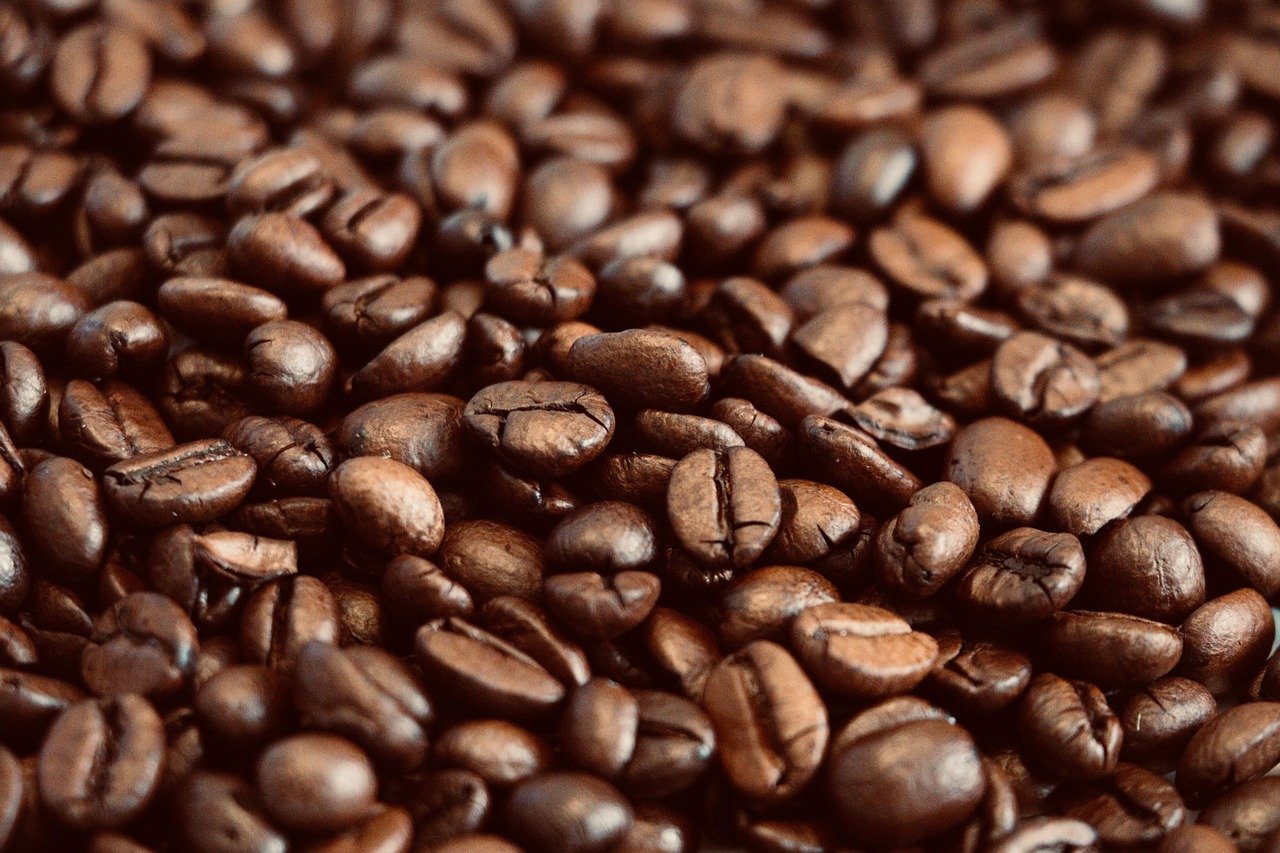
Roasters talk about roast profiles, meaning the curve of temperature over time. Most profiles pass through recognizable phases.
Drying phase
At the start, the bean is loaded with moisture. Heat drives that water out, and the bean loses weight. This phase is usually the longest single stretch of the roast. Rushing it can scorch the outside while the inside stays raw.
Maillard and browning
Once the bean is dry enough, browning reactions take over. This is where most of the flavor complexity is built. Sugars and amino acids combine into new compounds, and the bean begins to swell and darken. Roasters adjust airflow and heat here to shape sweetness and body.
First crack
As gases and water vapor build pressure inside the bean, it splits open with an audible pop. Roasters treat first crack as a rough marker for light to medium development. It is a useful cue, but it is not a precise measurement. The exact moment shifts with bean density, moisture, and the machine itself.
Development and second crack
Past first crack, the roaster decides how far to push. A short development time keeps acidity bright. A longer one builds body and sweetness but starts to mute origin character. Push far enough and you hit second crack, a quieter, faster crackling that signals a dark roast. Oils migrate to the surface, and smoky, bittersweet notes take over.
| Stage | What happens | What the roaster watches |
|---|---|---|
| Drying | Moisture leaves the bean | Bean color, temperature drop |
| Maillard browning | Sugars and amino acids react | Aroma, rate of rise |
| First crack | Bean splits, gases escape | Sound, timing |
| Development | Acidity and body balance | Time after crack |
| Second crack | Cell structure breaks down further | Sound, oil on surface |
What roast level actually means
Roast level is usually described on a scale from light to dark, but the naming is not standardized internationally. Terms like City, Full City, Vienna, and French are trade conventions rather than a binding global standard. Two roasters can label very different beans with the same word.
Commercially, roast degree is often quantified with color meters such as the Agtron system, which measures reflected light from whole or ground beans. Lower numbers generally mean darker roasts. Even here, conventions differ between whole-bean and ground-bean modes, so a number without context is only partly useful.
What does hold up is the general sensory pattern. Lighter roasts preserve more origin character, more acidity, and more of the floral and fruity notes that make single-origin coffee interesting. Darker roasts taste more bitter, heavier, and more uniform, which is why they work well in milk drinks and blends.
The chemistry that decides flavor
Several compounds shift predictably as roast degree increases.
Chlorogenic acids degrade with longer, darker roasts. This is one reason dark coffee tastes less acidic and more bitter. The magnitude depends on the bean, the profile, and how the measurement was taken, so treat any single percentage with suspicion.
Caffeine is largely retained through roasting, though it is not perfectly stable. Some loss occurs at high temperatures, but the effect is modest compared with brewing variables. Grind size, dose, and water ratio change your caffeine intake far more than roast level does.
Acrylamide forms during roasting, mainly in the early-to-mid stages, from asparagine and reducing sugars via the Maillard reaction. Levels generally peak and then decline as roasting continues, though the timing varies widely by profile. Regulators treat coffee as one of several dietary sources of acrylamide, and public-health bodies continue to study it. Home roasters and commercial roasters alike should avoid assuming a single number applies to every batch.
Freshness, degassing, and the roast date
Roasting produces carbon dioxide, which escapes over hours to days. This is called degassing, and it is why bags often include a one-way valve that releases gas without letting oxygen in. Brew too soon and the escaping gas can interfere with extraction, producing uneven or foamy results. Wait too long and oxidation starts to flatten the flavor.
For specialty coffee, the roast date is the key freshness marker, more useful than a best-by date. Many roasters print it, but there is no universal legal requirement to do so in most markets. Labeling rules differ by country, so check local food-labeling law before assuming a standard.
A practical rule of thumb: give espresso a few days to a week of rest, and filter coffee a shorter window. Adjust to taste rather than treating any number as gospel. If a bag tastes flat and papery, it is probably old. If it tastes gassy and sharp, it may simply need more rest.
How roast level changes your brewing
Roast level and brew method interact. Darker beans are more porous and extract faster, so they often need cooler water or a shorter contact time. Lighter beans are denser and can tolerate hotter water and longer extraction.
| Roast level | Typical flavor | Brewing adjustment |
|---|---|---|
| Light | Bright acidity, fruit, floral | Hotter water, finer grind |
| Medium | Balance, caramel, nuts | Standard ratios work well |
| Dark | Bitter, smoky, heavy body | Cooler water, coarser grind |
Texture matters too. Curly, tightly coiled 4c hair and a porous coffee bean have nothing in common except this: both respond to how much moisture and heat they meet. That is a stretch, but the point stands that structure governs behavior. A dense light roast resists water; a brittle dark roast gives up its solubles quickly. (2b hair)
What actually works in practice
First-hand experience from the roasting and brewing world points to a few habits that consistently help.
Buy by roast date, not by shelf appeal. A bag roasted last week usually beats a premium bag roasted six months ago.
Store beans whole, in an airtight container, away from light and heat. Grind just before brewing. Oxygen and moisture are the enemies, not the calendar alone.
Taste before you judge. A roast that smells burnt may taste fine in milk, and a light roast that smells grassy may open up after a week of rest.
Change one variable at a time. If a cup tastes sour, try a finer grind or hotter water. If it tastes bitter, do the opposite. Adjusting everything at once teaches you nothing.
Do not chase a roast name. Ask what the roaster was trying to achieve, or simply taste it. Labels are shorthand, not guarantees.
Common mistakes to avoid
Plenty of drinkers and home roasters trip on the same few errors.
- Assuming darker means stronger. Dark roasts taste bolder but are not necessarily higher in caffeine.
- Judging freshness by a best-by date instead of a roast date.
- Storing beans in the fridge, where condensation and odors do damage.
- Grinding a whole bag at once and letting it stale.
- Treating first crack as a precise scientific marker rather than a craft cue.
- Roasting at home without ventilation. Commercial roasters use controlled airflow and afterburners for smoke; home setups carry real fire and smoke risks.
Home roasting is not equivalent to commercial roasting. It can be rewarding, but it demands attention to safety, airflow, and temperature control. Anyone tempted should research local fire-safety guidance first.
Why origin still matters
Roasting shapes flavor, but it cannot invent it. A bean’s variety, altitude, processing method, and harvest all set the ceiling. A washed Ethiopian lot and a natural Brazilian lot roasted identically will still taste different. This is why roasters speak of “respecting the bean” and why light roasts are popular for showcasing terroir.
The same logic explains why certain styles pair with certain hair and beauty routines in unexpected ways. A person with 2b hair reaches for lightweight products to avoid weighing down loose waves, just as a delicate washed coffee needs a gentle roast to keep its lift. Heavy-handed treatment flattens both. (4c hair)
And just as the row of a hairstyle depends on how each section falls, a roast profile depends on how each phase unfolds in sequence. Skip a step and the whole thing looks or tastes off.
Conclusion
Coffee roasting is a controlled transformation, not a single event. Moisture leaves, browning reactions build flavor, cracks signal progress, and the roaster decides when to stop. Roast names are trade shorthand rather than global standards, caffeine survives largely intact, and freshness is best judged by the roast date. The practical takeaway is simple: buy fresh, store well, grind just before brewing, and adjust one variable at a time. Do that, and the gap between a forgettable cup and a memorable one narrows fast.
Frequently asked questions
Does dark roast have more caffeine than light roast?
Not usually. Caffeine is largely retained through roasting, and any loss at high temperatures is modest. Brewing variables such as dose, grind, and water ratio affect caffeine far more than roast level. A dark roast scooped by volume can even deliver less caffeine because the beans are less dense.
What is first crack in coffee roasting?
First crack is the audible popping sound caused by built-up gases and water vapor escaping the bean as it expands. Roasters use it as a rough marker for light to medium development. It is a useful cue rather than a precise measurement, since timing shifts with bean density, moisture, and equipment.
Is the roast date or the best-by date more important?
The roast date is generally the better freshness marker for specialty coffee. Best-by dates say little about when the coffee was actually roasted. Many roasters print a roast date, though labeling rules vary by country, so it is worth checking what your local packaging requires.
Why do coffee bags have one-way valves?
Roasting produces carbon dioxide, which escapes over hours to days in a process called degassing. A one-way valve lets that gas out while keeping oxygen from getting in. Oxygen speeds up staling, so the valve protects flavor during shipping and storage.
Does darker coffee have less acid?
Generally yes. Chlorogenic acids degrade with longer, darker roasts, which is one reason dark coffee tastes less acidic and more bitter. The size of the effect depends on the bean, the roast profile, and how acidity was measured, so it is a trend rather than a fixed rule.
Can I roast coffee at home safely?
Home roasting is possible but carries fire and smoke risks, and it is not equivalent to commercial roasting. Commercial setups use controlled airflow, temperature curves, and afterburners for smoke. Anyone roasting at home should research local fire-safety guidance, ventilate well, and never leave the process unattended.









