



Quick Answer: What is corossol fruit?
Corossol is the French and Caribbean name for soursop, the spiny green fruit of the tropical tree Annona muricata. You will find it sold fresh in island markets, blended into juices and punches, and churned into sorbet and ice cream across the Caribbean, Latin America, and parts of Africa and Southeast Asia.
The same fruit travels under other names: graviola in Brazil and Portugal, guanábana in Spanish-speaking countries, and soursop in English. It is a close relative of cherimoya and custard apple, with a similar creamy white pulp but a sharper, tangier flavor.
Before buying or using it, compare ripeness, price per pound, preparation method, seed content, and whether any product makes health claims that go beyond the evidence.
A Fruit With Many Passports
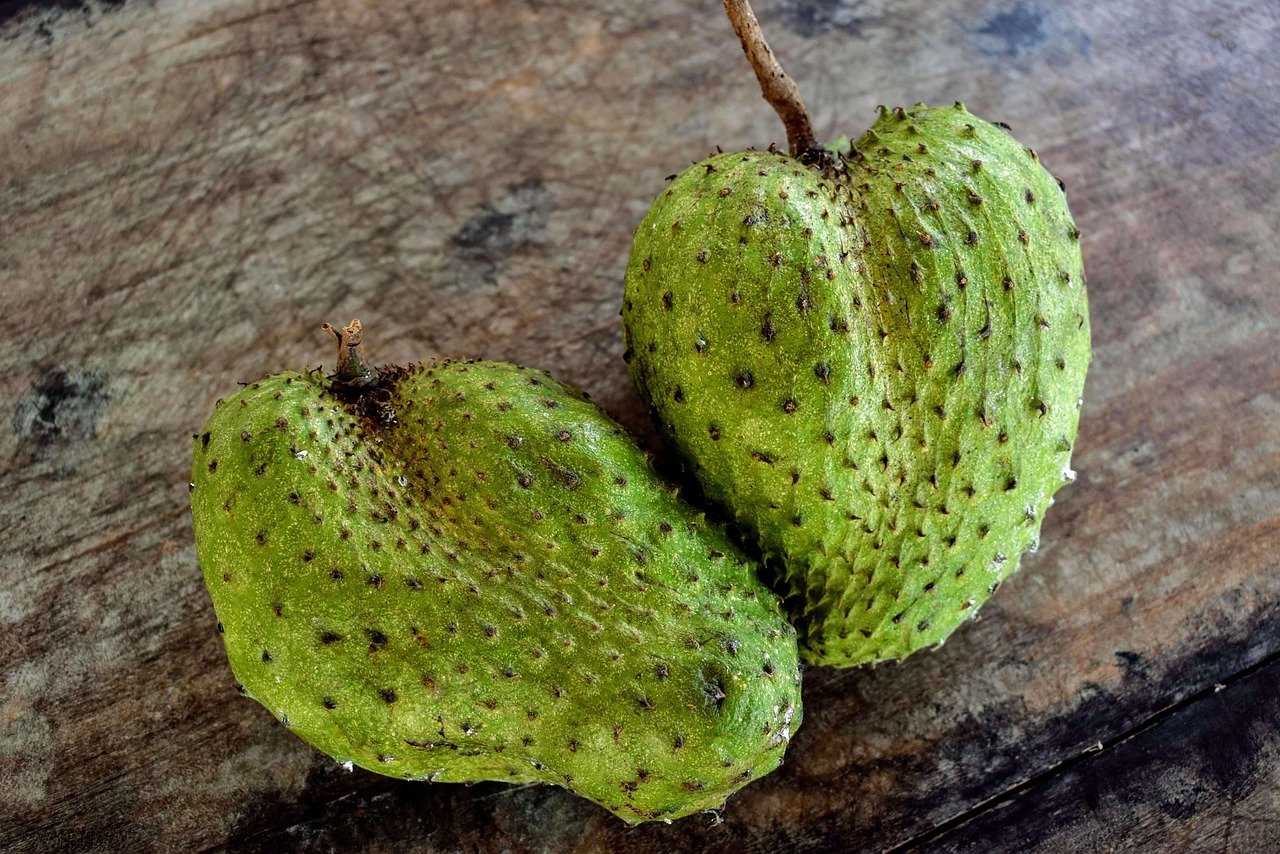
Picture a green, heart-shaped fruit the size of a small football, covered in soft spines that look almost like a hedgehog’s back. That is corossol. Cut it open and you find white, fibrous pulp wrapped around glossy black seeds, smelling like a blend of pineapple, banana, and strawberry with a sour edge.
The tree, Annona muricata, is native to tropical Central and South America and the Caribbean. Traders and colonial ships carried it to tropical Africa, Southeast Asia, and the Pacific centuries ago, so today it grows in places as far apart as Nigeria, Malaysia, and Hawaii. The name changes at every border, which is why shoppers get confused. Corossol, graviola, guanábana, soursop, and even “Brazilian pawpaw” all point to the same species.
That naming overlap matters in practice. If a recipe from a Martinique cookbook calls for corossol and you shop in a Mexican market, you want guanábana. Same fruit, different label. The one wrinkle: in some regions, “corossol” is also used loosely for close relatives like Annona reticulata, so it pays to look at the fruit itself rather than trust the sign alone.
What Corossol Looks Like and How It Tastes
A ripe corossol has a dull green skin that yields slightly to a gentle squeeze, similar to a ripe avocado. Underripe fruit is firm, dark green, and sharply acidic. Overripe fruit turns brownish and mushy fast, sometimes within a day in tropical heat.
The flesh is the prize. It is creamy, slightly stringy, and intensely aromatic, with a flavor that sits between pineapple, mango, and citrus. Unlike the sweeter cherimoya, corossol carries a distinct tartness, which is why it shines in drinks rather than being eaten only out of hand.
The seeds are another story. Each fruit holds dozens of hard, dark seeds that are toxic if crushed or chewed, so cooks always remove them before blending. This is the single most common mistake people make at home: tossing chunks into a blender seeds and all. Strain the pulp, or seed it by hand first. (The row)
Nutrition: What the Pulp Actually Offers
Corossol pulp is mostly water, which keeps it low in calories, and it supplies a useful amount of vitamin C, some dietary fiber, and potassium. Exact numbers shift with cultivar and ripeness, so treat any single figure with caution. Food-composition databases are the place to check precise values rather than blog charts.
In plain terms, it behaves like many tropical fruits: a light, hydrating base for drinks and desserts that adds vitamin C and fiber without much energy density. It is not a miracle food, and it is not a substitute for a balanced diet. The fiber does help with fullness, and the vitamin C contributes to normal immune function, but those are ordinary benefits, not headline claims.
One practical note: because the fruit is often consumed as juice with added sugar, the nutritional picture changes fast. A fresh corossol blended with water and a little lime is a very different drink from a sweetened commercial punch.
The Cancer Question, Handled Honestly
Search for corossol or graviola and you will hit a wall of dramatic claims: that it kills cancer cells, that it is “10,000 times stronger than chemotherapy.” Those claims trace back to laboratory studies, where compounds called acetogenins found in Annonaceae plants showed cytotoxic activity against cancer cells in test tubes.
Test tubes are not people. There is no established clinical evidence that corossol fruit, juice, or extracts treat cancer in humans. Laboratory findings have been widely overstated online, and public-health and cancer organizations generally advise against relying on graviola or soursop products as cancer treatment. Anyone facing a cancer diagnosis should treat capsule products sold with cure claims as a red flag, not a shortcut.
The honest summary is this: the fruit is food. The research on its compounds is real and ongoing, but it has not translated into a proven human therapy. Skipping or delaying medical treatment to drink soursop tea is a genuinely dangerous choice.
The Annonacin Question: What the Research Says
A second, quieter concern deserves space. Some research has examined a possible link between long-term, high consumption of Annona species and atypical parkinsonism in Caribbean populations, notably in Guadeloupe. The compound annonacin is thought to play a part.
This is an association studied in specific groups with particular dietary patterns, not proof that eating corossol occasionally is harmful. The interpretation remains contested among researchers, and the wider picture is complicated by other environmental factors in the studied populations. For most people, an occasional glass of corossol juice or a scoop of sorbet sits comfortably within normal eating. The open question concerns heavy, habitual, long-term intake, and it is worth knowing about rather than panicking over.
How Corossol Is Used in the Kitchen
In the Caribbean and Latin America, corossol is a kitchen staple with a clear playbook.
- Juice and punch. The pulp is blended with water or milk, sweetened, and often finished with lime, nutmeg, or condensed milk. This is the most common use by far.
- Sorbet and ice cream. The creamy texture makes a natural frozen dessert, sometimes swirled with coconut.
- Sweets and preserves. Jams, jellies, and syrups capture the aroma, though heat dulls some of the brightness.
- Fresh eating. Ripe segments are eaten out of hand, seeds removed, usually chilled.
A practical tip from island kitchens: work quickly. Once the fruit is ripe, the pulp browns and ferments fast. Seed it, blend it, and either drink it or freeze the pulp in portions the same day. Freezing is the best way to keep a large fruit from going to waste.
Buying and Storing: What Actually Works
Shopping for corossol is a hands-on job. Look for fruit that feels heavy for its size and gives slightly when pressed, with skin that is still mostly green. Avoid fruit with large brown patches, weeping spots, or a fermented smell. If you must buy firm, unripe fruit, leave it at room temperature until it softens, then move it to the fridge once cut.
| Sign | Underripe | Ripe | Overripe |
|---|---|---|---|
| Skin color | Deep, even green | Dull green, slight yellowing | Brown patches, dark spots |
| Feel | Hard, no give | Slight give when pressed | Very soft, mushy spots |
| Smell | Faint, green | Sweet, aromatic | Fermented, sour |
| Best use | Wait to ripen | Juice, fresh eating, sorbet | Compost or immediate processing |
Frozen pulp and bottled juice are reasonable shortcuts when fresh fruit is unavailable or expensive. Check labels for added sugar and for any health claims, which are a sign to put the product back on the shelf.
Corossol vs. Its Lookalikes
Corossol has relatives that confuse shoppers, and the differences are worth knowing.
| Fruit | Skin | Flavor | Common name confusion |
|---|---|---|---|
| Corossol (soursop) | Green, soft spines | Tangy, pineapple-citrus | Graviola, guanábana |
| Cherimoya | Scaly, overlapping | Sweet, mild, custardy | Custard apple |
| Custard apple | Knobby, green | Sweet, creamy | Sweetsop |
| Sugar apple | Segmented, round | Very sweet | Sweetsop |
If a recipe depends on corossol’s tartness, cherimoya will taste flat by comparison. If you want a sweeter dessert fruit, cherimoya or sugar apple may suit you better. Texture fans who enjoy fibrous, aromatic fruit often cross over into other tropical produce, much like people who explore curl patterns move between 4c hair and looser textures once they understand the categories. (2b hair)
Growing and Where It Comes From
The corossol tree is small to medium, evergreen, and happiest in warm, humid tropical lowlands. It does not tolerate frost. Trees grown from seed can take several years to fruit, and hand pollination sometimes improves the harvest because natural pollinators are not always reliable.
Commercial supply comes largely from the Caribbean, Central and South America, and parts of West Africa and Southeast Asia. In markets outside the tropics, fresh corossol is often expensive and inconsistent, which is why frozen pulp and juice dominate. For gardeners in warm climates, the tree is a long-term project rather than a quick win, and fruit quality varies widely between seedling trees.
Common Mistakes to Avoid
The same errors come up again and again with this fruit.
Blending the seeds is the big one. Always remove them first. Judging ripeness by color alone is another; the squeeze test is more reliable. Buying a large fruit for one person without a freezing plan leads to waste. And trusting capsule products that promise disease cures is the most serious mistake of all, because it can cost both money and health.
A smaller but real issue: assuming every “corossol” product tastes the same. Commercial juices vary enormously in pulp content and sweetness, so read the label and compare before committing to a brand.
Conclusion
Corossol is soursop by another name, a spiny tropical fruit with creamy, tangy white pulp that Caribbean cooks turn into juice, punch, sorbet, and sweets. It brings vitamin C, fiber, and potassium to the table in a light, hydrating package. It is also the subject of overstated cancer claims that laboratory science does not support in humans, and of an open research question about heavy long-term consumption that is worth knowing but not worth fearing at the occasional-juice level. Buy it ripe, seed it carefully, freeze what you cannot finish, and enjoy it as what it is: a genuinely delicious fruit, not a medicine.
Frequently Asked Questions
Is corossol the same as soursop?
Yes. Corossol is the French and Caribbean name for soursop, the fruit of Annona muricata. The same fruit is called graviola in Portuguese-speaking regions and guanábana in Spanish-speaking ones, so all four names describe one species.
Can you eat corossol seeds?
No. The dark seeds are hard and should always be removed before eating or blending. Crushing or chewing them is not safe, so strain the pulp or seed the fruit by hand before use.
Does corossol juice cure cancer?
There is no established clinical evidence that corossol, soursop, or graviola products treat cancer in humans. Laboratory studies on plant compounds have been widely overstated online. Anyone with a cancer diagnosis should rely on medical treatment and discuss any supplement with their care team.
How do you know when corossol is ripe?
Ripe corossol feels heavy and gives slightly when pressed, with dull green skin and a sweet, aromatic smell. Hard fruit with deep green skin is underripe, while brown patches and a fermented odor mean it is past its best.
Is it safe to drink corossol juice regularly?
Occasional consumption fits within normal eating for most people. Some research has examined a possible link between long-term, heavy intake of Annona fruits and atypical parkinsonism in specific Caribbean populations, but that association is not proof of harm from occasional eating and remains an open research question.
How should corossol be stored?
Keep whole fruit at room temperature until ripe, then refrigerate once cut and use it within a day or two. For longer storage, seed and blend the pulp, then freeze it in portions. Frozen pulp keeps the flavor far better than leaving a large ripe fruit on the counter.














