


What makes a shoe worth keeping when trends cycle every few months? For a growing number of shoppers, the answer comes from a small, understated label that built its reputation on simple lines, comfortable shapes, and a refusal to chase noise. Emme Parsons, the footwear brand founded by a designer of the same name, has become a quiet favorite among people who want sandals and flats that feel considered rather than loud. This article looks at what the brand is known for, how its design philosophy works in practice, where it fits in a crowded market, and what buyers should think about before spending on a pair.
Who Is Behind the Emme Parsons Brand?
Emme Parsons is both the name of a footwear label and the name of its founder and designer. The brand is known for minimalist sandals, flats, and pared-back silhouettes, often made in leather and finished in neutral tones. Rather than building an identity around logos or seasonal spectacle, the label has leaned into a slow, edit-driven approach: a tight collection, repeatable shapes, and materials that are meant to age well.
That positioning matters. In a footwear market split between fast-fashion volume and luxury spectacle, a small label that sells a handful of well-made styles sits in an awkward but interesting middle. It has to earn trust on fit and durability, because it cannot rely on a giant marketing budget or constant novelty. Buyers who find their way to brands like this usually arrive through word of mouth, editorial mentions, or a friend who will not stop talking about a particular pair of sandals.
One honest caveat: details like the brand’s founding year, headquarters, exact manufacturing partners, and current size are not something this article can verify with a dated, primary source. Readers who need those specifics for a purchase decision or a piece of writing should check the brand’s own materials and recent press coverage directly. What follows focuses on what the brand is broadly known for and how to evaluate it sensibly.
What the Brand Is Known For
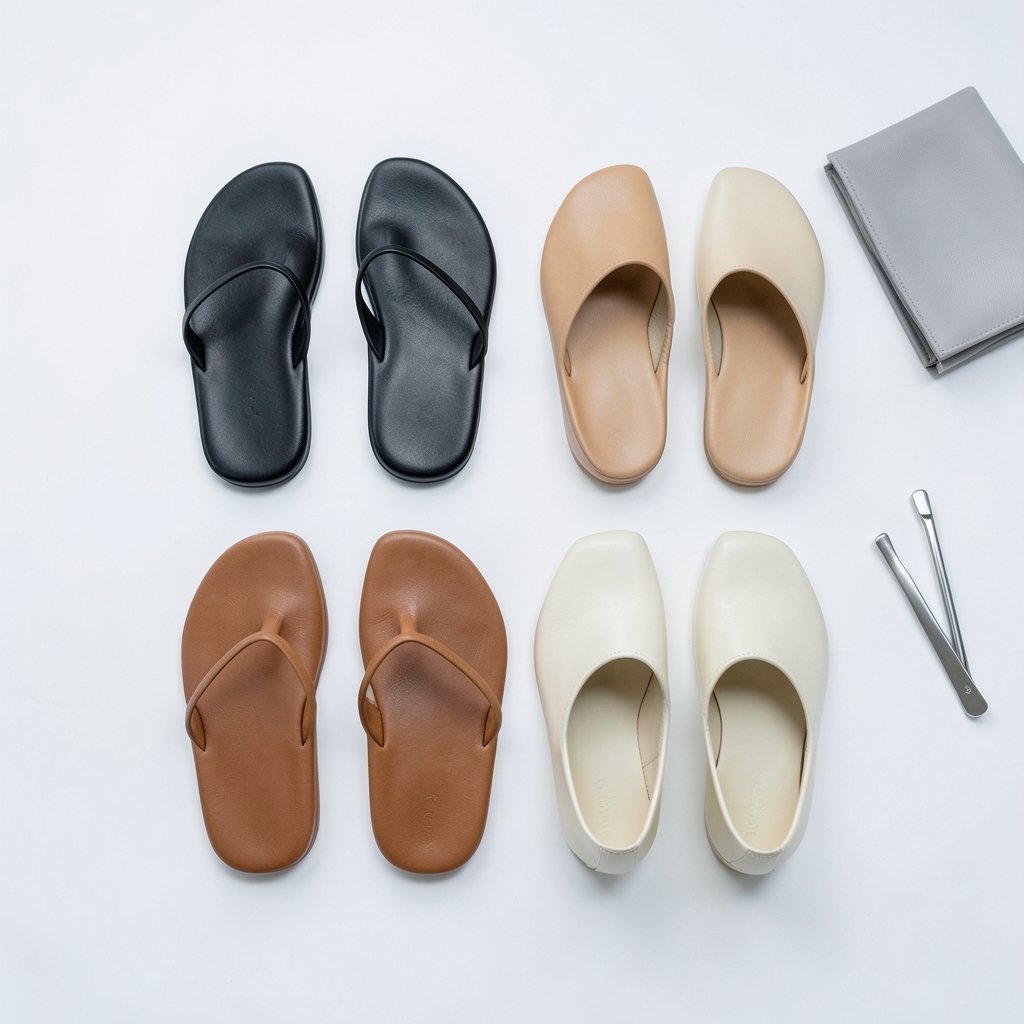
The core of the Emme Parsons identity is restraint. The most recognizable pieces are strappy sandals with thin, clean lines, flat and low-heeled styles, and shapes that read as more architectural than decorative. Colors tend to stay in a wearable range: black, brown, tan, cream, and occasional muted tones.
A few design habits show up again and again in this kind of minimalist footwear:
- Simple straps and open lines. Less hardware, fewer buckles, nothing competing for attention.
- Neutral palettes. Colors chosen to work across seasons rather than for a single moment.
- Comfort-first construction. Soft leather, modest heel heights, and shapes that do not require breaking in for weeks.
- Repeatable silhouettes. Instead of reinventing the collection each season, the brand tends to refine what already works.
This is the same instinct that drives interest in other low-fuss hair and style choices people research online, from 4c hair care routines to the sleek, low-maintenance look associated with 2b hair. The appeal is consistency: a small number of good options that fit easily into daily life.
The Case for Buying Fewer, Better Shoes
Minimalist footwear brands ask buyers to make a trade. You get fewer choices, but each choice is more deliberate. That trade works well for people who have already been through a phase of buying lots of trendy shoes and found that most of them sat unworn.
The practical test is simple. Before buying, ask three questions. Will this pair work with at least five outfits already in my closet? Can I walk in it for an hour without thinking about my feet? Would I still want it in three years if the trend disappeared? If the answer to all three is yes, a higher price per pair often works out cheaper than replacing fast-fashion shoes every season.
How Emme Parsons Fits in the Minimalist Footwear Market
The minimalist shoe space has grown crowded. Several labels now compete for the same shopper who wants clean lines and real comfort. The table below compares broad categories rather than specific brands, since pricing and availability shift constantly.
| Category | Typical Strength | Typical Weakness | Best For |
|---|---|---|---|
| Small minimalist labels like Emme Parsons | Distinct design voice, tight edits, comfort focus | Limited stock, fewer size options, harder to try on in person | Shoppers who want one signature pair |
| Heritage leather shoemakers | Proven durability, repairability | Heavier designs, higher prices, slower style updates | Buyers who keep shoes for a decade |
| Contemporary fashion brands | Trend relevance, wide distribution | Inconsistent quality across seasons | Shoppers who want variety |
| Fast-fashion footwear | Low entry price, constant novelty | Short lifespan, variable comfort | Short-term or occasional wear |
The small-label column is where Emme Parsons sits. Its advantage is a clear point of view. Its disadvantage is the same as any independent brand: you may not be able to walk into a store and try three sizes, and popular styles can sell out.
Why Editor Attention Matters
Independent footwear labels rarely advertise heavily. Instead, they spread through stylists, editors, and repeat customers. When a brand keeps appearing in fashion coverage without a huge campaign behind it, that usually signals genuine product approval rather than paid placement. For shoppers, this is a useful but imperfect signal. Editorial praise tells you a shoe photographs well and fits the people who tried it. It does not tell you whether it will fit your particular foot.
Materials, Fit, and What Actually Works in Practice
Most complaints about minimalist leather shoes come down to two things: sizing and break-in. Here is what tends to matter in practice, based on how this category of footwear generally behaves.
Sizing
Leather sandals and flats often run slightly differently from sneakers. A few practical habits help:
- Measure your foot at the end of the day, when feet are at their largest.
- Compare your measurement to the brand’s own size chart rather than assuming your sneaker size carries over.
- Read reviews from people who describe their foot width, rather than only their usual size.
- If you are between sizes and the style has thin straps, sizing up is usually safer than sizing down.
Break-In
Soft leather uppers generally need less break-in than stiff structured shoes, but thin straps can still rub at first. Wearing new sandals for short stretches around the house before a long day out is a small habit that prevents most blisters. Conditioning leather occasionally keeps it supple and slows cracking.
Care and Longevity
Minimalist shoes live or die on maintenance. A few things genuinely extend lifespan:
- Store shoes away from direct sun, which dries and fades leather.
- Wipe off salt and dust promptly rather than letting it sit.
- Use shoe trees or stuff flats lightly to hold their shape.
- Have soles and straps repaired early, before small issues become structural ones.
A common mistake is treating a good leather sandal like a disposable shoe: wearing it daily through heat, rain, and sand without any care, then wondering why the straps stretch or the sole wears through in a season. Rotation helps. So does accepting that a leather sole eventually needs a cobbler.
Common Mistakes Buyers Make
Even careful shoppers stumble on a few predictable traps with brands like this one.
Buying for the photo, not the foot. A strappy sandal can look perfect on a model and feel wrong on a wider foot. Look for real-world photos and reviews from people with your foot shape.
Ignoring return windows. Independent brands often have stricter return policies than large retailers. Check the window and condition requirements before ordering, especially if you are ordering two sizes to compare.
Assuming sold-out means gone forever. Small labels restock popular shapes, but not always quickly. If a style is central to the brand’s identity, it is more likely to return than a one-off seasonal piece.
Overlooking total cost. A pair that lasts four summers is often cheaper per wear than three fast-fashion pairs that last one summer each. Doing that math before buying changes the decision for many people.
Skipping the secondhand market. Minimalist leather shoes in neutral colors resell well and hold up to light use, which makes them a reasonable category to buy pre-owned.
This same logic applies across style decisions. People researching the row aesthetic, for example, are often looking for the same thing: a small set of well-chosen pieces that work together instead of a closet full of one-off items.
Who Should Consider Emme Parsons
The brand suits a specific kind of shopper. If you want a single pair of sandals you can wear to dinner, to a wedding, and on a weekend trip without changing shoes, this is the right lane. If you need wide sizing, extensive color options, or the ability to try on in person, the fit may be harder.
It also suits people who have already built a wardrobe around neutral, simple pieces. A minimalist sandal looks intentional next to tailored trousers and a plain tee, and slightly lost next to heavy prints and bold accessories. That is not a rule, just a pattern worth noticing before you buy.
For anyone rebuilding a wardrobe around fewer, better pieces, the brand is a reasonable starting point rather than an ending one. The same principle shows up in how people approach 4c hair routines: a short list of products used consistently usually beats a shelf full of experiments.
What to Check Before You Buy
A short pre-purchase checklist saves most of the regret:
- Confirm the return policy, including whether worn-outdoors shoes are eligible.
- Check the size chart against your actual foot measurement.
- Read at least a few reviews that mention width and arch support.
- Look at the sole material and whether it can be repaired.
- Decide which five outfits the pair will actually be worn with.
If a pair passes all five, it is probably a sound buy. If it fails two or more, wait.
Conclusion
Emme Parsons occupies a small but meaningful corner of footwear: simple shapes, wearable colors, and a bet that people will pay more for fewer, better shoes. The brand’s reputation rests on design discipline and comfort rather than spectacle, which is exactly why it appeals to shoppers tired of replacing trendy shoes every season. The honest limits are real, though. Sizing can be tricky, availability is limited, and specific brand details are worth verifying directly before you commit. Treat the purchase like any other considered one: measure your feet, read reviews from people like you, check the return policy, and buy for the life you actually live rather than the photo you liked. Do that, and a minimalist sandal can earn its place in the rotation for years.
Frequently Asked Questions
What is Emme Parsons known for?
Emme Parsons is a footwear brand known for minimalist sandals, flats, and pared-back leather shoes in neutral colors. It is recognized for simple lines, comfort-focused construction, and a tight collection rather than constant seasonal novelty.
Is Emme Parsons a luxury brand?
It sits in the contemporary-to-premium range rather than mass-market footwear. Prices reflect small-batch production and leather materials, but the brand is generally positioned as understated everyday footwear rather than high-luxury statement pieces.
How do Emme Parsons shoes fit?
Fit varies by style, so the brand’s own size chart is the best guide. In practice, leather sandals with thin straps tend to suit buyers who size from their measured foot rather than their sneaker size, and sizing up is usually safer than sizing down when between sizes.
Are minimalist leather sandals worth the price?
Often, yes, if you wear them frequently. A well-made leather sandal that lasts several summers usually costs less per wear than repeated fast-fashion replacements. The math only works if the fit is right and you actually rotate and care for the pair.
Can Emme Parsons shoes be repaired?
Leather footwear in this category is generally repairable by a cobbler, particularly soles and strap stitching. Checking sole construction before buying and repairing small issues early extends lifespan significantly compared with replacing the whole pair.
Where can I buy Emme Parsons shoes?
The brand’s own store and selected stockists are the usual routes, though availability varies and popular styles sell out. Because independent labels have limited distribution, checking the return policy before ordering online is a sensible step.









