

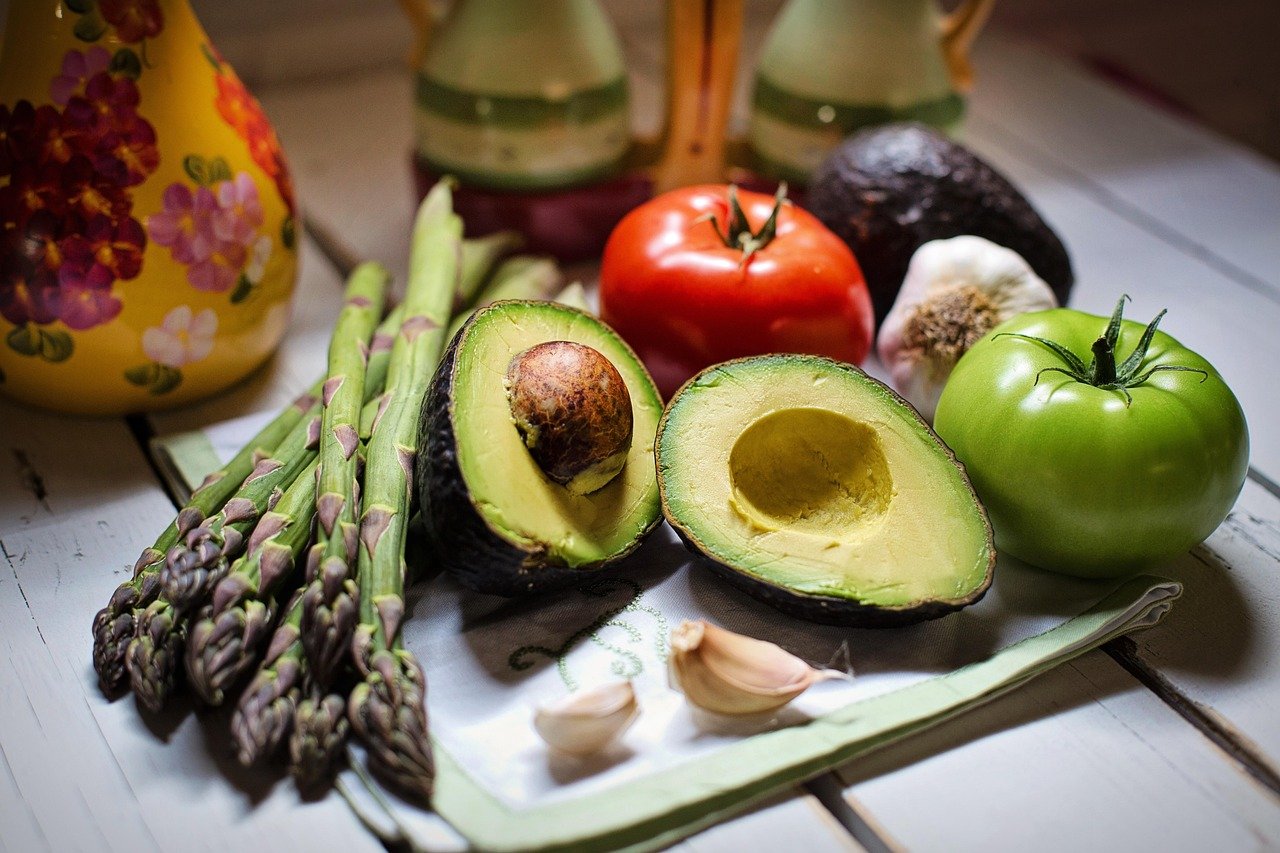

What do you picture when you hear “edeneats recipes”? A garden-to-table cooking style? A social media account with glossy one-pan dinners? A website you stumbled on at midnight while hunting for something to do with a bag of carrots?
Here is the honest answer: edeneats is not a widely documented, verifiable brand. There is no confirmed public record of its founders, launch date, or recipe catalog that can be cited with confidence. That ambiguity matters, because plenty of people search the term expecting a specific site and land instead on unrelated results, lookalike names, or vague roundups.
So this article takes a different approach. Rather than invent a history that cannot be verified, it explains what the term likely points to, how to judge whether a recipe source is worth your time, and how to cook in the “Eden” spirit, which usually means fresh, simple, plant-forward food. If you want recipes you can actually trust tonight, the practical guidance below will get you further than any unverified brand story.
Why “edeneats” Is Hard to Pin Down
The name reads like a mashup of “Eden” (the garden, the biblical paradise, the shorthand for unspoiled nature) and “eats” (casual, social-media-friendly food content). That combination is popular. It shows up in handles, blog names, meal-prep side projects, and small restaurant branding. The result is a crowded namespace where several different things can share a similar name.
A few possibilities are worth naming:
- A small recipe blog or newsletter run by one person or a small team, with no press coverage.
- A social media recipe account, where content lives in short videos rather than indexed pages.
- A meal-kit, packaged food, or restaurant concept using Eden in its branding.
- A personal project that was active for a while and then went quiet.
There is also a real risk of name collision. Eden Foods is a long-established natural foods company in the United States, and “Eden” appears in countless juice bars, cafés, and farm brands. Someone searching for one Eden can easily land on another.
The practical takeaway: treat the term as a style signal more than a brand guarantee. If you find a specific site or account, verify it directly rather than assuming a search result is the one you meant.
What “Eden” Cooking Usually Means in Practice

Across food culture, Eden-style cooking tends to share a handful of traits. These are not rules from any official source, just the patterns that show up again and again when cooks use the word.
| Trait | What it looks like on a plate | Why cooks like it |
|---|---|---|
| Garden-forward | Vegetables as the center, not the side | Uses up seasonal produce |
| Simple technique | Roasting, steaming, raw assembly | Less fuss, fewer pans |
| Whole ingredients | Grains, legumes, nuts, olive oil | Predictable, filling meals |
| Light seasoning | Herbs, citrus, good salt | Lets ingredients taste like themselves |
| Make-ahead friendly | Bowls, soups, grain salads | Works for weekday lunches |
If that sounds like your kind of cooking, the good news is you do not need a specific brand to get there. You need a handful of reliable methods and a way to tell a good recipe from a bad one before you waste an evening on it.
How to Tell a Trustworthy Recipe From a Risky One
This is where most home cooks get burned. A recipe looks beautiful, the photos are gorgeous, and then the cake collapses or the sauce breaks. Learning to scan a recipe critically takes about thirty seconds and saves hours.
Check the ratios and the yield
A recipe that claims to serve six but calls for one cup of rice is telling you something. So is a bread recipe with no salt, or a brine with wildly off proportions. Ratios are the skeleton of a recipe. If the numbers look strange, the method probably is too.
Look for temperatures and times that match reality
A chicken breast roasted at 200°F for 15 minutes will not be safe to eat. A stew that simmers for 10 minutes will taste thin. When internal temperatures or cook times seem implausible, move on. Food safety guidance exists for a reason, and a recipe that ignores it is not a shortcut, it is a hazard.
Read the comments, but read them skeptically
Comments are useful for one thing: patterns. If ten people say the dough was too wet, it probably was. If one person says it failed, that might be their oven. Look for repeated, specific complaints rather than single reviews.
Watch for missing steps
Good recipes tell you what “golden brown” looks like, whether to salt the water, and what to do if the sauce splits. Recipes that skip the sensory cues are usually written by someone who has made the dish so many times they forgot what it is like to make it for the first time.
Prefer sources that explain, rather than only instruct
The best recipe writers tell you why. Why rest the meat. Why bloom the spices. Why the pan needs to be hot before the food goes in. Understanding the why is what turns a recipe follower into a cook.
Building an Eden-Style Pantry That Actually Gets Used
The most common mistake in plant-forward cooking is buying a beautiful pantry and then never touching it. A workable Eden pantry is smaller than the influencer version.
Start with these staples and skip the rest until you need them:
- Good olive oil in a dark bottle, plus a cheaper oil for high heat.
- Two or three vinegars (red wine, apple cider, rice) rather than eight.
- Canned tomatoes and canned beans, because they turn into dinner in twenty minutes.
- A grain rotation of two or three you actually like, such as rice, farro, or oats.
- A spice set you will finish within a year, stored away from the stove.
- Nuts and seeds kept in the freezer so they do not go rancid.
- Lemons, garlic, and onions, the three ingredients that make everything taste intentional.
The test is simple: if you cannot name the last three dishes you made with an ingredient, it is clutter. Rotate it out.
Common Mistakes That Sink “Healthy” Home Cooking
Even motivated cooks hit the same walls. These are the ones that come up most often.
Over-seasoning early and under-seasoning late. Salt in layers, taste at the end. A dish that tastes flat at the table usually needed salt ten minutes earlier, not more spice.
Crowding the pan. Vegetables release moisture. If they are piled up, they steam instead of browning. Cook in batches, or use a bigger sheet pan than you think you need.
Treating “healthy” as a synonym for “fat-free.” Fat carries flavor and helps you absorb fat-soluble vitamins. A little olive oil or butter is not the enemy of a good meal.
Skipping the acid. A squeeze of lemon or a splash of vinegar at the end is the difference between a dish that tastes finished and one that tastes like it is missing something.
Following a recipe exactly when your equipment differs. Ovens run hot or cold, pans conduct heat differently, and altitude changes baking. Learn your own kitchen and adjust.
Not tasting as you go. This is the single biggest gap between home cooks and confident cooks. Taste at every stage and you will catch problems while you can still fix them.
Where Reliable Technique Beats Brand Loyalty
If you cannot verify a specific recipe source, lean on technique instead. A cook who understands browning, emulsification, and resting times can make a good meal from almost any ingredient list. That is a more durable skill than any single website.
For readers who want to branch out into specific cuisines with a clear structure, there are practical guides worth exploring. If you like the idea of simple, rewarding dishes from Northern Europe, these easy Finnish recipes at home focus on straightforward methods and few ingredients. Cooks drawn to slow, patient cooking will find a lot to like in these easy Belgian recipes that reward time in the pot. And if you want bold flavor without a long ingredient list, this practical guide to easy Cuban recipes for busy cooks is a solid starting point.
The same logic applies to components. A balanced spice blend makes or breaks a pot of chili, and this breakdown of how to build a chili seasoning recipe that actually tastes balanced explains the layering that most blends get wrong. Side dishes deserve the same care. A creamy, buttery Jiffy corn casserole is the kind of reliable potluck dish that earns a permanent spot in your rotation. And when you want something crunchy and a little indulgent, this crispy fried pickles recipe with Southern crunch delivers on the texture it promises.
A Simple Week of Eden-Style Meals
Structure beats inspiration. Here is a loose framework that keeps groceries coherent and leftovers useful.
| Day | Meal pattern | Example |
|---|---|---|
| Monday | Grain bowl | Farro, roasted vegetables, chickpeas, lemon dressing |
| Tuesday | Soup | Lentil and tomato soup with crusty bread |
| Wednesday | Sheet pan | Chicken or tofu with root vegetables and herbs |
| Thursday | Pasta or noodles | Garlic, olive oil, greens, chili flakes |
| Friday | Something crispy | Fried pickles or a roasted vegetable plate |
| Saturday | Slow cook | A braise or bean stew that makes extra |
| Sunday | Use-it-up | Frittata, salad, or a clean-out-the-fridge stir-fry |
The point is not the specific dishes. It is that each day has a shape, so you are never staring into the fridge at 6 p.m. wondering what to make. Cooks who plan by pattern rather than by exact recipe waste less food and eat better.
How to Vet a Recipe Source in Five Minutes
If you do find an “edeneats” site, account, or newsletter, run this quick check before you invest time in it.
- Find the about page. Who writes the recipes? What is their background? A real person with a point of view beats an anonymous content farm.
- Check whether recipes have been tested. Look for language like “tested three times” or notes about what went wrong. That is a sign of honesty.
- Look at the dates. A site with no updates in years may still have good recipes, but its food safety guidance could be outdated.
- Scan for ads and pop-ups. Heavy monetization is not automatically bad, but it often correlates with thin, rewritten content.
- Try one low-stakes recipe first. Make a simple dish before you trust the source with a holiday meal.
- See if the site explains substitutions. Good sources tell you what happens if you swap an ingredient, rather than merely confirming that you can.
If a source passes those checks, bookmark it. A handful of trusted sources is worth more than a hundred saved links.
Conclusion
“edeneats recipes” is best understood as a direction rather than a destination. The name points toward fresh, simple, garden-forward cooking, but there is no verifiable public record that makes any single brand the definitive version of it. That is not a problem. It is an invitation to build your own version.
Focus on technique, learn to scan a recipe before you cook it, keep a pantry you actually use, and plan your week by pattern instead of by perfect recipe. Those habits will serve you long after any particular website goes quiet. And if you do track down a specific Eden-named source, vet it the way you would any other: read the about page, check whether the recipes are tested, and make one simple dish before you trust it with dinner guests.
FAQ
Is edeneats a real recipe brand?
There is no confirmed public record that establishes edeneats as a specific, verifiable brand with a documented history. The term may refer to a small blog, a social media account, a meal-kit concept, or a personal project. Treat any specific site you find as something to verify directly rather than assume.
What kind of food does “Eden” style cooking usually include?
In general usage, Eden-style cooking leans toward fresh vegetables, whole grains, legumes, olive oil, herbs, and light seasoning. The emphasis is on simple techniques like roasting and steaming, and on letting ingredients taste like themselves rather than covering them in heavy sauce.
How can I tell if a recipe is trustworthy?
Check the ratios and serving size, look for realistic cook times and internal temperatures, and read comments for repeated complaints rather than single reviews. Prefer sources that explain why a step matters. If a recipe skips sensory cues or food safety basics, move on.
Why do my roasted vegetables turn out soggy?
The usual cause is crowding the pan. When vegetables are piled together, they release steam and cook in their own moisture instead of browning. Use a larger sheet pan, spread them in a single layer, and give them space. A hot oven and dry surfaces also help.
What are the most common mistakes in healthy home cooking?
Over-salting early and under-salting at the end, crowding the pan, avoiding fat entirely, skipping acid at the finish, and not tasting as you go. Following a recipe exactly when your oven or pans behave differently is another frequent problem.
Do I need special ingredients to cook this way?
No. A small pantry of olive oil, vinegar, canned tomatoes, canned beans, two or three grains, a spice set you will finish, and fresh lemons, garlic, and onions covers most meals. Special ingredients are optional, not foundational.









