

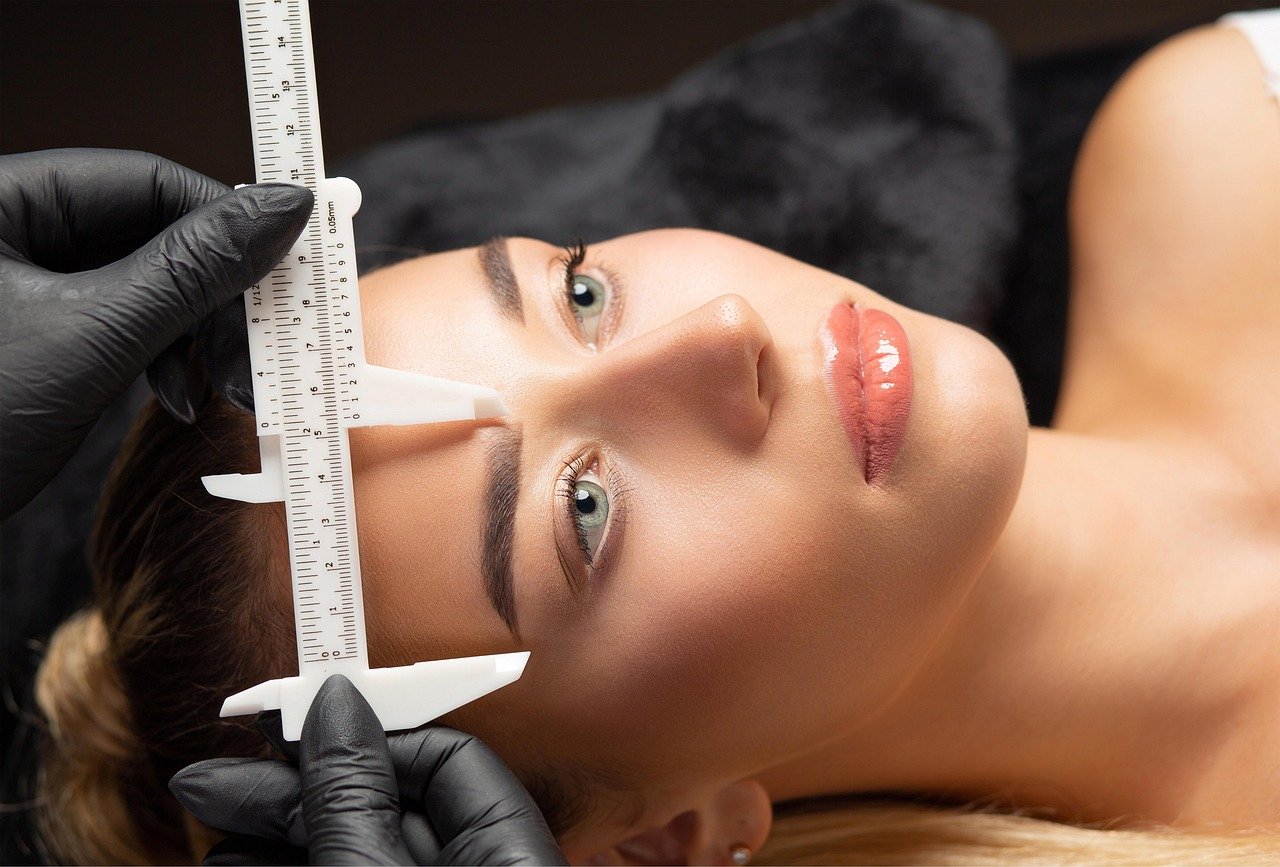

What really changes between the “before” photo and the “after” reveal, and how much of that difference is the treatment versus the camera? Anyone who has scrolled through brow transformations has wondered the same thing. The answer is more practical than the marketing suggests, and understanding it helps set realistic expectations before sitting in a salon chair.
What Eyebrow Shaping Actually Covers
Eyebrow shaping covers several treatments rather than one. It includes hair removal by plucking, waxing, threading and sugaring; trimming; tinting; and, more recently, brow lamination, which uses a chemical preparation to relax and set brow hairs into a fuller, brushed-up shape.
This matters for before-and-after comparisons because each method produces a different kind of change. Removal-based shaping changes the outline of the brow. Tinting changes its color density. Lamination changes the direction and apparent volume of the hair itself. A before-and-after pair that looks dramatic is often the result of stacking two or three of these, not one.
The core distinction to hold onto: shaping is mostly about what gets taken away. It does not add hair. Any “after” image that appears to show significant new growth is usually showing hair that was already there, just repositioned, tinted or revealed by cleaner edges.
The Realistic Before-and-After Timeline

Most people want to know how quickly the difference shows up and how long it lasts. Here is a grounded comparison of the common methods.
| Method | Visible change | Typical regrowth window | Notes |
|---|---|---|---|
| Plucking | Immediate | A few weeks | Slow, precise, good for small cleanups |
| Waxing | Immediate | A few weeks | Fast, removes hair at or below the surface |
| Threading | Immediate | A few weeks | Precise lines, no wax or chemicals |
| Sugaring | Immediate | A few weeks | Paste-based, similar timing to waxing |
| Tinting | Immediate | Weeks, fades gradually | Changes color, not shape |
| Brow lamination | Immediate | Several weeks | Sets hair direction, often paired with tint |
Two honest caveats sit underneath that table. First, regrowth timing varies widely between individuals, so any specific number is an average rather than a promise. Second, the “after” in most professional photos is taken within minutes of treatment, when the skin is still slightly flushed and the lines are at their sharpest. The version of the result a client lives with on day ten looks softer.
Why the First Week Looks Different From the Third
Right after waxing or threading, the brow area is often pink and slightly puffy. That inflammation can make the skin around the brow look tighter, which reads as a crisper shape in photos. By day three or four, the redness settles and the true shape emerges. By week three, regrowth begins to blur the edges.
This is why a fair before-and-after comparison should show the same person, same lighting, same angle, and ideally a shot taken several days after treatment rather than immediately. If a salon only shows instant post-treatment photos, the comparison is flattering but incomplete. For a sense of how staged versus candid results diverge in other beauty contexts, the breakdown of what microneedling before and after results really look like follows a similar logic about lighting and timing.
What Changes Visibly, and What Does Not
The changes people actually notice fall into a few categories.
Symmetry. Most faces are not perfectly symmetrical, and brows rarely are either. Shaping can bring the two sides closer together visually, but a skilled brow artist will usually preserve a natural asymmetry rather than force a mirror image, because perfectly matched brows can look uncanny on a living face.
Arch and tail definition. Removing stray hairs under the arch and beyond the tail creates a cleaner line. This is the single biggest driver of a dramatic before-and-after.
Density at the inner corner. Over-plucking the front of the brow is one of the most common mistakes, and it is hard to undo. A good shaping session protects the inner corner even when the client asks for “thinner.”
Color depth. Tinting can make sparse areas read as fuller without any hair being added. It fades over weeks rather than growing out abruptly.
What does not change: the number of follicles a person has, the natural growth pattern, or the underlying bone structure. Shaping works with what exists.
Common Mistakes People Make Before and After Shaping
Practical experience across salons and at-home attempts surfaces the same errors repeatedly.
- Booking a big event on the same day. Freshly waxed or threaded skin can stay red for hours. Schedule shaping at least two days before a wedding, shoot or interview.
- Using retinoids or exfoliants right before waxing. These thin the skin and raise the risk of waxing burns or skin lifting. Pause them for a few days beforehand, and ask the provider how long they recommend.
- Skipping the patch test for tint or lamination. Chemical treatments can trigger contact dermatitis. A patch test behind the ear or on the inner arm is quick and worth the extra visit.
- Over-plucking at home between appointments. Repeated plucking can damage follicles, and regrowth may become slower or patchy. Tweezing a few strays is fine; reshaping the whole brow solo is where damage accumulates.
- Judging the result in the mirror immediately. Give the skin a day to settle before deciding whether the shape works.
- Ignoring aftercare. Sun exposure, retinoids and exfoliants on treated skin should generally be avoided for a period after chemical treatments, though the exact window varies by product and provider.
That last point about timing and aftercare shows up in plenty of cosmetic contexts. The same discipline of waiting and observing applies to how people read bbl before after results and what they really look like in practice, where early photos rarely reflect the settled outcome.
How to Read a Before-and-After Photo Critically
Comparison images are marketing-sensitive by nature. Different lighting, angles and makeup can exaggerate results, and this is a media-literacy point rather than a knock on any particular salon.
A few checks worth running:
- Is the lighting identical? A brighter “after” shot makes skin look smoother and brows look sharper.
- Is the angle the same? A slight chin lift changes the apparent arch.
- Is makeup consistent? Filled-in brows in the “after” and bare brows in the “before” is the most common trick, intentional or not.
- Is there a mid-healing shot? Honest portfolios often include one.
- Are the eyes relaxed? A raised eyebrow in one photo alters the whole shape.
If a provider cannot show a same-lighting, same-angle pair, treat the image as inspiration rather than evidence.
Threading, Waxing and Lamination: How They Differ in Practice
Threading uses twisted cotton thread to lift hair from the follicle and is traditionally associated with South Asia and the Middle East. It became widely available in Western salons in the late twentieth and early twenty-first centuries. Its practical advantage is precision around the brow bone without wax or chemicals, which suits people with sensitive skin or those using retinoids.
Waxing is faster and removes hair at or below the surface. It suits larger cleanup areas but carries a higher risk of burns or skin tearing, particularly on thin or irritated skin.
Brow lamination is the newest of the three and has the most variable regulation. It uses a chemical product to relax and set brow hairs, often alongside tinting, and the effect is temporary, commonly described as lasting several weeks. Because the procedure uses chemicals, patch testing and clear aftercare instructions matter more than with mechanical removal.
| Factor | Threading | Waxing | Lamination |
|---|---|---|---|
| Mechanism | Thread lifts hair | Wax adheres and pulls | Chemical setting |
| Best for | Precision, sensitive skin | Speed, larger areas | Fuller, brushed-up look |
| Main risk | Discomfort | Burns, skin lifting | Irritation, contact dermatitis |
| Chemical exposure | None | Minimal | Yes |
Who Should Be Cautious
Eyebrow shaping is low-risk for most people, but a few groups should think twice or consult a clinician first. Anyone with active skin infections, open cuts or a history of cold sores near the brow should postpone. People with eczema, psoriasis or very reactive skin may find waxing and chemical treatments irritating. Those using prescription retinoids or acids on the face face a higher risk of skin lifting from wax.
Pregnant people are often advised to avoid chemical treatments, though guidance varies. The safest approach is to ask the provider directly and, where relevant, check with a doctor.
There is a broader lesson here about verifying claims before committing. Whether the topic is cosmetic treatment or a major purchase, the same instinct to check the fine print applies. The reasoning behind buying a used Toyota and why it actually matters before you hand over money mirrors the due-diligence mindset that serves clients booking a new brow treatment.
Building a Sensible Brow Routine
A routine that produces consistent before-and-after results is boring in the best way.
- Establish a baseline. Let brows grow for three to four weeks before a first professional shaping so the artist can see the natural pattern.
- Choose one method and stick with it. Switching constantly between wax, thread and pluck makes it hard to judge what works.
- Book maintenance every three to five weeks. This keeps regrowth from blurring the shape.
- Protect the inner corner. Ask explicitly that the front of the brow not be thinned.
- Tint only when needed. Tint fades gradually, so top-ups can stretch to six weeks or more for many people.
- Consider lamination as an add-on, not a replacement. It changes direction and volume, not the hair count.
At-home maintenance between appointments should be limited to trimming obvious strays and tweezing hairs that are clearly outside the established shape. Anything more risks undoing the professional work.
Conclusion
Eyebrow shaping before-and-after results are real, but they are smaller and more gradual than most marketing implies. The dramatic transformations usually come from cleaner edges, better symmetry and a bit of tint, not from new hair. Regrowth timing varies by person, lamination is temporary, and the sharpest version of any result is the one photographed minutes after treatment. Set expectations around a few weeks of soft, natural improvement, protect the inner corner, patch test anything chemical, and judge results on day four rather than day one. That approach produces brows that look shaped rather than surprised, and it holds up long after the salon photo is forgotten.
Frequently Asked Questions
How long does eyebrow shaping last before hair grows back?
Most people see regrowth within a few weeks, though timing varies widely between individuals. Waxing, threading, sugaring and plucking all remove hair at or below the surface, so the visible result fades gradually rather than all at once. Maintenance appointments every three to five weeks keep the shape consistent.
Does eyebrow shaping hurt?
Discomfort varies by method and by person. Threading and waxing both involve pulling hair from the follicle and are commonly described as a brief stinging sensation. Plucking is slower but milder. Brow lamination involves chemical solutions and should not sting if applied correctly; any burning is a signal to stop.
Can over-plucking cause permanent damage?
Repeated plucking can damage follicles, and regrowth may become slower or patchy over time. Permanent loss is possible but not universal, and the evidence is largely clinical observation rather than large studies. Protecting the inner corner of the brow is the most effective way to avoid the most visible long-term damage.
Is brow lamination safe?
Brow lamination is a cosmetic procedure using chemical solutions to set hair direction, and its regulatory status varies by country. Risks include irritation and contact dermatitis, so a patch test is sensible before a first appointment. The effect is temporary, commonly described as lasting several weeks.
How should I prepare for an eyebrow shaping appointment?
Let brows grow for three to four weeks so the natural pattern is visible. Avoid retinoids and exfoliants on the brow area for a few days before waxing, since they raise the risk of skin lifting. If tinting or lamination is planned, ask about a patch test in advance and mention any skin conditions or sensitivities.
Why do before-and-after photos look more dramatic than the real result?
Comparison images are often taken under different lighting and angles, and makeup may be inconsistent between shots. The “after” photo is usually taken minutes after treatment, when skin is flushed and lines are sharpest. A fair comparison uses the same lighting, angle and makeup, ideally several days after treatment.









