

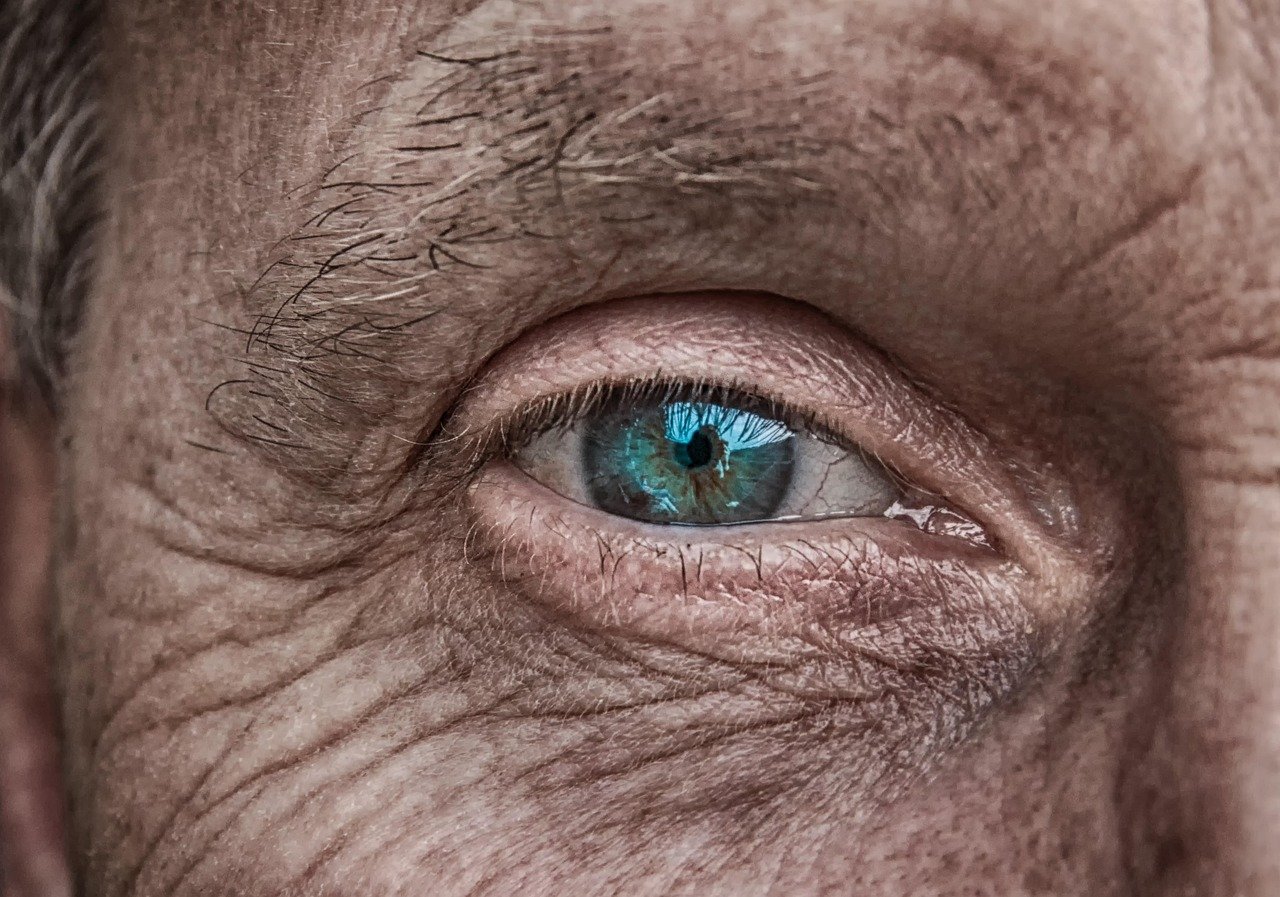

Have you looked in the mirror lately and noticed that your eyebrows seem to have a mind of their own? Maybe they’ve thinned out, gone wiry, or developed a few stubborn white hairs that refuse to lie flat. You’re not imagining it. Eyebrows older in age do change, and those shifts are some of the most visible signs of aging on the face. The good news is that understanding why it happens makes it much easier to manage.
What Happens to Eyebrows as People Age
Eyebrow changes are a normal part of aging, but they rarely follow a single predictable path. Some people lose density. Others gain length and coarseness. Many deal with both at once: sparse patches in one area, wild stray hairs in another.
The underlying cause is the hair follicle itself. With age, follicles become less active, spend more time in the resting phase, and regrow hair more slowly. The result is fewer hairs overall, and the ones that remain often behave differently than they used to.
There’s also a cosmetic layer to this. The skin around the brow loses collagen and elasticity, and the brow ridge itself can shift downward. Even eyebrows with the same number of hairs can look lower, flatter, or less defined because the skin holding them has changed.
The Two Directions of Brow Aging

Not everyone’s brows age the same way. In practice, most people notice one of two patterns, and sometimes a mix of both.
| Pattern | What It Looks Like | Who Tends to See It |
|---|---|---|
| Thinning | Sparse hairs, visible skin, gaps near the tails | More common in women |
| Coarsening | Longer, thicker, wirier hairs that stick out | More common in men |
| Greying | White or silver hairs scattered through the brow | Both sexes |
| Drooping | Lower brow position, hooded lids | Both sexes, later decades |
One honest caveat: the sex difference in these patterns is widely reported in dermatology and cosmetic practice, but it hasn’t been rigorously quantified in controlled studies. Treat it as a general tendency rather than a rule. Plenty of women develop coarse stray hairs, and plenty of men see their brows thin out.
Why Brow Hairs Turn White
Greying happens when the pigment-producing cells in the hair follicle, called melanocytes, gradually stop working. This process affects scalp hair, brows, lashes, and body hair alike. Brow hairs often grey later than scalp hair, but when they do turn, individual white hairs stand out sharply against a dark brow.
A single white brow hair can appear years before general greying. It’s normal, and it’s not a sign of anything wrong. It’s just the follicle’s pigment supply running down.
When Brow Changes Are More Than Aging
Here’s where it pays to be attentive. Not every change in the brows is simply age. Some patterns are worth mentioning to a doctor.
Thinning that concentrates on the outer third of the eyebrows is a classic clinical sign associated with thyroid disease, particularly an underactive thyroid. It’s sometimes called Hertoghe’s sign. Modern medicine treats it as a useful clue rather than a definitive diagnosis, since it lacks strong diagnostic specificity on its own. Still, if the outer tails of the brows are vanishing while the inner brows stay full, it’s reasonable to ask about thyroid function.
Madarosis is the medical term for loss of eyebrow or eyelash hair. It has many possible causes beyond aging: infection, inflammation, nutritional deficiencies, endocrine conditions, and certain medications. Hair loss that comes on quickly, appears alongside other symptoms, or leaves scarring or redness in the brow area deserves a professional look rather than a cosmetic fix.
One condition worth knowing about is frontal fibrosing alopecia, a scarring hair-loss disorder that typically affects postmenopausal women and often involves eyebrow loss. It was first described in the 1990s and has been increasingly reported since. Because it scars the follicle permanently, early recognition matters. If the brow line is receding and the skin looks shiny or pale, that’s a reason to see a dermatologist promptly rather than wait.
Why Brow Regrowth Is So Slow
Anyone who has over-plucked knows the frustration: brow hair takes forever to come back. That’s built into the biology. Brow hairs have a short growth phase compared with scalp hair, and they grow more slowly. When a follicle is damaged or dormant, the wait stretches from weeks into months. (Uuo short lived placeholder name element 118)
This has a practical consequence for anyone trying to fix old over-plucking. Patience is not optional. Most regrowth routines need at least three to four months before results are visible, and some follicles may never recover if they were damaged repeatedly over decades.
Practical Tips That Actually Work
Advice about brows tends to swing between “do nothing” and “book five treatments.” The middle ground is where most people find relief. Here’s what tends to hold up in practice.
Match the fix to the problem
Thinning brows and wiry brows need opposite approaches. Adding volume to sparse brows calls for filling and conditioning. Taming coarse hairs calls for trimming and shaping. Treating both the same way usually makes one problem worse.
Trim before you pluck
Those long, wiry hairs that curl away from the brow line are best handled with small scissors and a spoolie brush. Comb the hairs upward, trim only what extends past the natural brow line, then comb down and check again. Plucking coarse hairs outright can leave a gap in an already-thin brow. A good pair of small grooming scissors works like any precise hand tool: it does the job cleanly only if it’s sharp and used deliberately, much like a crimping tool it joins wires without solder makes a reliable connection only when the right size is matched to the wire. The wrong tool, or the wrong size, creates a mess. (728×90 placeholder reserve leaderboard ad space without)
Fill with a light hand
Brow pencils and powders work well for sparse areas, but heavy application on mature skin tends to look harsh. The skin around the brow is thinner and often drier with age, so product grabs onto texture. Soft, short strokes that follow the natural hair direction look far more convincing than a solid block of color. A tinted brow gel is often the easiest option for anyone who wants definition without drawing.
Consider tinting, with precautions
Brow tinting can restore visible definition, especially when hairs have gone grey or blonde. The catch is that patch-testing matters. Dye reactions can happen at any age, and mature skin is often more sensitive. A small test patch behind the ear or on the inner arm, done at least 48 hours ahead, is a sensible minimum. Checking that the practitioner is qualified and that the products used are intended for brows, not scalp hair, is equally important.
Be realistic about semi-permanent options
Microblading and similar semi-permanent techniques have become popular with older clients, and they can produce good results. They are not permanent, they require touch-ups, and results depend heavily on the practitioner’s skill and on how the skin heals. Skin that is thinner or oilier holds pigment differently. Anyone considering it should ask to see healed results rather than only fresh work.
Support the brow from the inside
General health shows up in hair. Adequate protein, iron, and overall nutrition support normal hair growth, and extreme dieting or illness can trigger shedding. No supplement is a magic brow grower, but treating the basics well gives follicles the best chance to do their job.
The Over-Plucking Legacy
A large share of people now in their fifties and sixties spent the 1970s, 80s, or 90s with tweezers in hand, following brow fashions that favored thin, arched lines. Decades of repeated plucking can leave follicles scarred and slow to recover. This is one of the most common reasons older adults seek help with sparse brows.
The practical takeaway is simple: stop plucking entirely if regrowth is the goal. Give the brow a full season without interference. Some people see meaningful recovery; others see partial recovery. Either way, knowing what the brow can realistically do prevents wasted money on treatments that promise more than biology allows.
Brow Position and the Aging Face
Beyond hair, the brow’s position changes. Loss of collagen and skin laxity let the brow settle lower, and the upper eyelid can become hooded. This changes how the face reads: a lowered brow can look tired or stern even when the person feels neither.
Some people address this with brow lifts or cosmetic procedures. Others find that a well-shaped brow, with the tail lifted slightly through grooming, restores much of the lost definition. The right choice depends on how much change has occurred and what the person wants. There’s no single correct answer, and a conservative approach first is rarely a bad idea.
Common Mistakes to Avoid
A few missteps show up again and again.
- Over-trimming the tails. The outer third is the first area to thin, and aggressive trimming there makes it look worse.
- Using scalp hair dye on brows. Products formulated for the scalp are not designed for the delicate brow area.
- Skipping the patch test. Reactions are uncommon but unpleasant, and they’re avoidable.
- Expecting overnight results. Brow regrowth is measured in months, not days.
- Ignoring sudden changes. Rapid loss is a reason to check in with a doctor, not to buy another pencil.
A Note on Patience and Perspective
Brow fashion has shifted dramatically over the past century, from thin pencil lines to full natural shapes and back again. The brows a person has at 65 are the product of genetics, hormones, grooming history, and a few decades of cultural pressure. That’s worth remembering when the mirror feels unkind. There’s no correct brow for a given age, only the one that suits the face it’s on.
Conclusion
Eyebrows older in age tell a story: follicles slowing down, pigment fading, skin shifting, and sometimes decades of tweezing leaving their mark. Most of these changes are entirely normal and manageable with the right approach. Trim rather than pluck. Patch-test before tinting. Fill lightly. Give regrowth real time. And pay attention when something changes quickly or looks unusual, because a small number of brow changes point to conditions worth treating. Whether the goal is a subtle refresh or a fuller restoration, the most reliable path is the same: understand what’s actually happening, then work with the biology instead of against it.
Frequently Asked Questions
Why do eyebrows get thinner as people age?
Hair follicles become less active with age, spend longer in the resting phase, and regrow hair more slowly. The result is fewer visible hairs and slower replacement of lost ones. Skin changes around the brow can make existing hairs look sparser too.
Is it normal for eyebrow hairs to get coarser and longer?
Yes. Many older adults, particularly men, notice brow hairs becoming longer, thicker, and wirier. These stray hairs are usually best managed with careful trimming rather than plucking, since plucking can leave gaps in an already thinning brow.
Can thinning eyebrows signal a health problem?
Sometimes. Thinning concentrated on the outer third of the brows is a classic sign associated with thyroid disease. Sudden hair loss, scarring, or redness in the brow area should be checked by a doctor, since eyebrow hair loss has many possible causes beyond aging.
How long does it take for eyebrow hair to grow back?
Brow hairs have a short growth phase and grow slowly compared with scalp hair. Visible regrowth typically takes several months, and follicles damaged by years of repeated plucking may recover only partially or not at all.
Is brow tinting safe for older skin?
Tinting is generally well tolerated, but a patch test at least 48 hours beforehand is a sensible precaution, especially since mature skin can be more sensitive. Products intended specifically for brows should be used, and the practitioner should be qualified.
Should older adults consider microblading?
It can work well, but results depend on the practitioner’s skill and on how the individual’s skin holds pigment. Asking to see healed results rather than fresh work, and understanding that touch-ups are required, helps set realistic expectations before committing.









