


Have you ever looked at a runway look and wondered who decided that a jacket should sit exactly there, in that fabric, with that seam? That person is a fashion designer, and the job is far stranger, more technical, and more pressured than most people imagine. It is part artist, part engineer, part project manager, and part supply-chain negotiator. In 2026, it also comes with new rules about sustainability, digital tools, and legal accountability that didn’t exist a decade ago.
This article breaks down what a fashion designer does day to day, how people actually get into the field, what it pays in different markets, and where the role is heading. It also covers the mistakes beginners make most often, so you can avoid them whether you’re sketching your first collection or hiring your first designer.
What a Fashion Designer Really Does
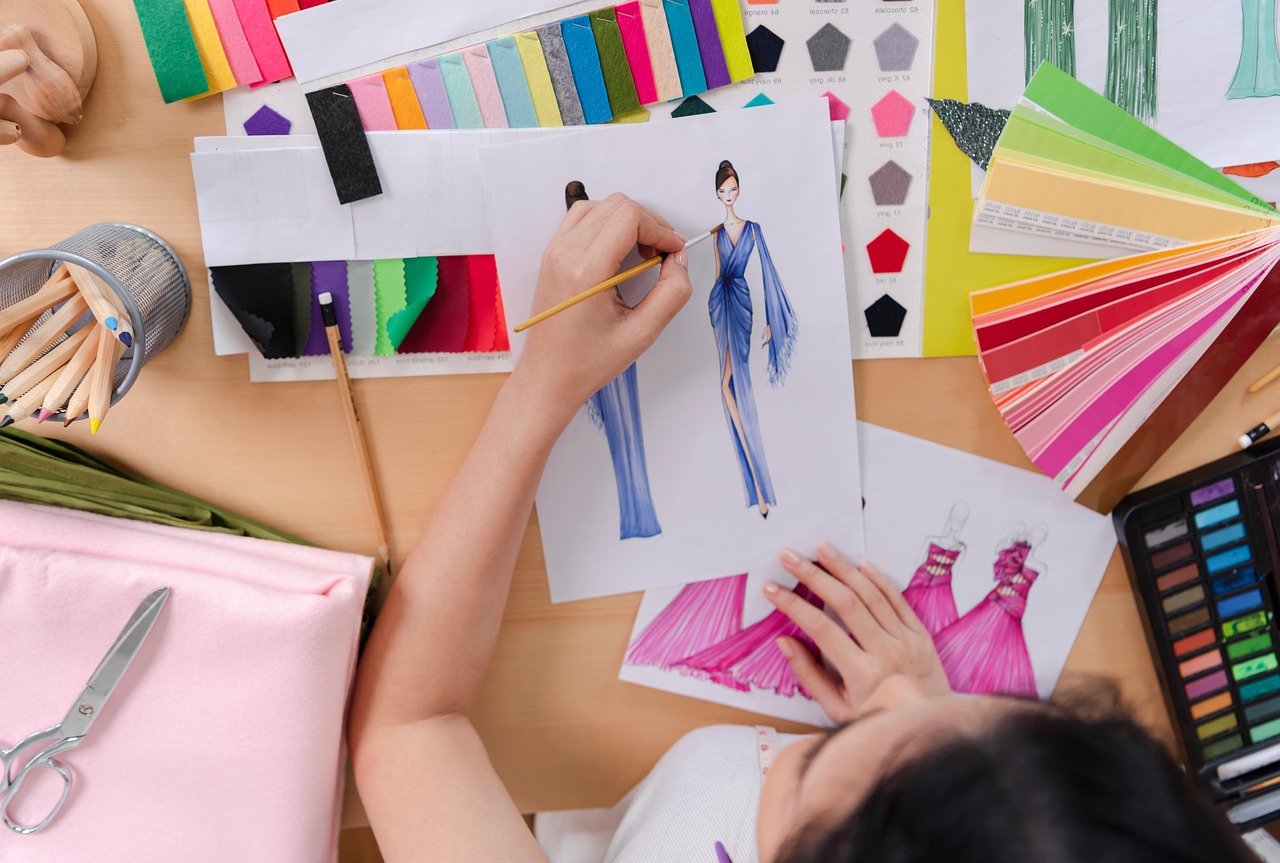
A fashion designer creates concepts for clothing, accessories, and footwear, then carries those concepts from a sketch through textiles, patterns, and samples into production. That definition sounds tidy. In reality, the job splits into very different specialisms: womenswear, menswear, couture, knitwear, accessories, denim, activewear, and more. A knitwear designer and a red-carpet couture designer share a vocabulary but almost nothing else in their daily work.
The core workflow usually looks like this:
- Research and concept. Mood boards, fabric sourcing, market analysis, and trend forecasting.
- Sketching and design development. Hand drawing or digital tools, often both.
- Pattern-making and draping. Turning a two-dimensional sketch into a three-dimensional garment.
- Sampling. Producing prototypes, fitting them on models, and revising.
- Production handoff. Writing tech packs, choosing factories, and approving final samples.
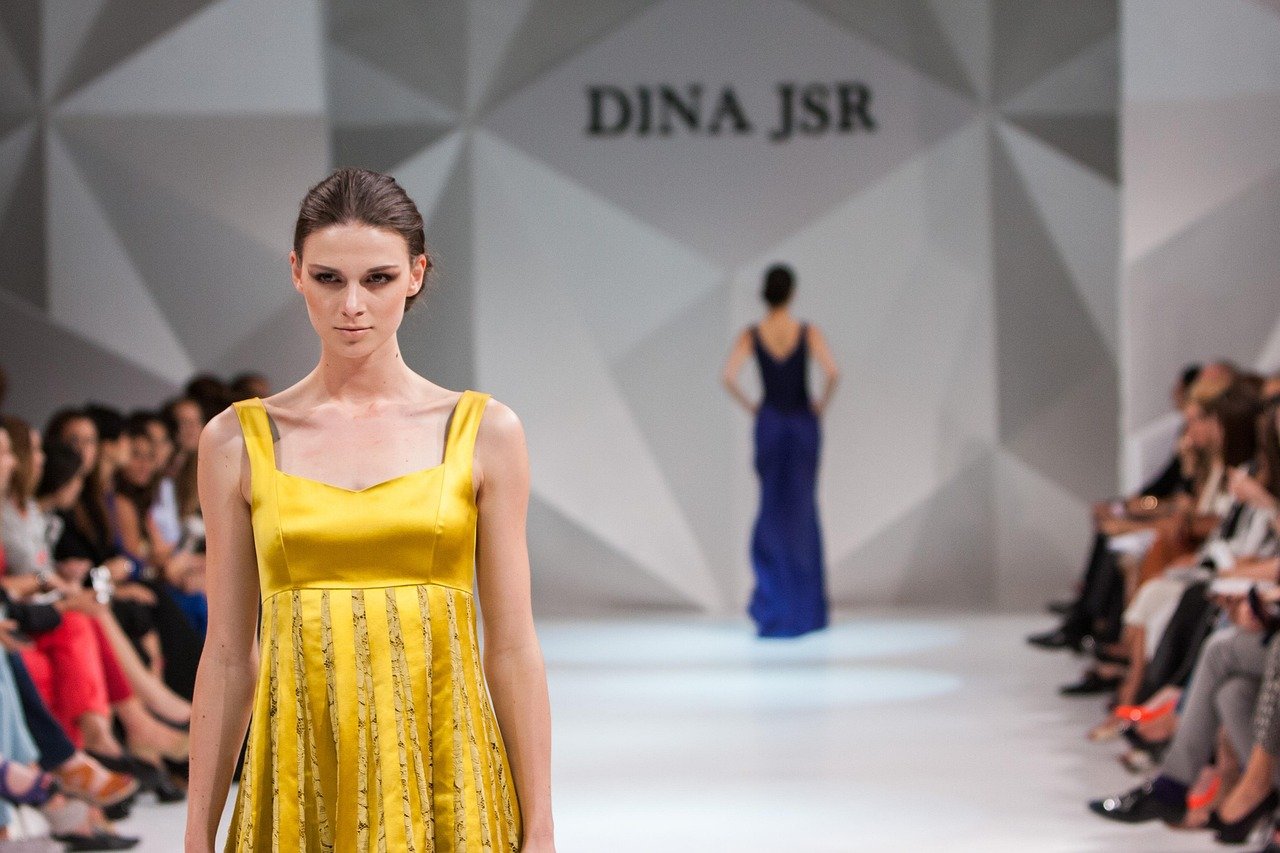
- Presentation and selling. Runway shows, showroom appointments, and e-commerce assets.
Most designers never do all six steps equally. In large houses, a design team might have a head of design, a knitwear specialist, a print designer, and a technical designer who handles fit. In a small label, one person does everything, including packing boxes.
The haute couture exception
Haute couture is not a marketing phrase. It is a legally protected designation in France, administered by the Fédération de la Haute Couture et de la Mode under rules that trace back to a 1945 French decree. Houses must meet criteria such as producing made-to-order garments in Paris workshops with a minimum number of staff. The exact criteria and the member list change over time, so anyone citing “couture” credentials should be checked against the current official list rather than a decade-old article.
That legal distinction matters for readers, too. A brand calling itself “couture” outside France is using the word loosely. It may still be beautiful work, but it isn’t the protected category.
How the Role Has Changed
Fashion design has always absorbed technology slowly and then all at once. Two shifts are reshaping the job right now.
The first is digital product creation. Pattern-making software, 3D garment simulation, and CAD tools are now standard in design curricula alongside drawing and draping. A designer who can build a digital twin of a garment can cut sampling rounds, which saves money and reduces waste. Studios increasingly ask for these skills at entry level, not as a bonus.
The second is regulation. The EU’s Ecodesign for Sustainable Products Regulation, adopted in 2024, sets a framework for durability, repairability, and digital product passports, with textiles among the priority product groups. Implementing rules are being phased in over subsequent years. Separately, the EU Corporate Sustainability Due Diligence Directive, also adopted in 2024, stages its application by company size from 2027 onward, though the timeline was politically contested in 2025 and should be checked against current legal status. France’s 2017 duty of vigilance law already requires large companies to publish plans covering subsidiaries and suppliers.
What does that mean in practice? Designers now sit in meetings about traceability, fibre composition, and repair instructions. A decision about which zipper to use is also a decision about whether the garment can be repaired and documented. That is a real change in the job’s centre of gravity. It connects directly to broader shifts covered in this look at how Asian fashion designers moved beyond imitation and rewrote global style, where sourcing and craft decisions are inseparable from brand identity.
How People Actually Become Fashion Designers
Formal training is common but not mandatory. The main routes are a bachelor’s degree in fashion design, an art or design school diploma, or an apprenticeship. Curricula typically cover drawing, draping, pattern-making, textiles, and digital tools.
Here is an honest comparison of the routes, based on how they tend to play out:
| Route | Typical strength | Typical weakness |
|---|---|---|
| University degree | Broad foundation, theory, internship pipelines | Expensive; portfolio can be generic |
| Art/design school | Strong conceptual and technical studio time | Variable industry connections |
| Apprenticeship or in-house training | Real production knowledge, paid work | Narrower design range |
| Self-taught plus freelance work | Speed, resourcefulness, low debt | Gaps in pattern and fit knowledge |
The uncomfortable truth is that the portfolio matters more than the certificate in most hiring decisions. A technical designer who can fix a fit problem in one fitting is worth more to a mid-size brand than a graduate with beautiful illustrations and no pattern knowledge.
Practical advice that works: build three finished garments before you build thirty sketches. Learn to sew properly, even if you never sew in the job. Photograph your samples on real bodies, not only flat. Learn one digital tool deeply rather than five superficially.
Common mistakes beginners make include designing only for sample size, ignoring cost engineering until production, and treating tech packs as paperwork rather than the document that determines whether the garment arrives correctly. Another frequent error is copying runway looks without understanding the construction underneath, which produces clothes that photograph well and fall apart in wear.
What Fashion Designers Earn
Pay varies enormously by market, segment, and seniority. Public occupational profiles give a useful baseline but should always be checked against the current edition, since figures are updated periodically.
In the United States, fashion designers are classified under a standard occupational code in the Bureau of Labor Statistics’ Occupational Outlook Handbook, which publishes median pay, projected employment change, and typical entry-level education. The handbook has generally indicated a bachelor’s degree as the typical entry requirement, but the specific figures shift with each edition. In the UK, the National Careers Service publishes a fashion designer profile with indicative salary ranges, working hours, and entry routes.
A rough pattern holds across markets:
- Entry level (assistant designer, sample room) pays modestly and often involves unpaid or low-paid internships first.
- Mid level (designer, senior designer) pays comfortably but varies hugely between fast fashion and luxury.
- Senior and creative director roles pay very well but are few, and turnover is high.
Freelance and self-employed designers face a different equation: irregular income, no benefits, and the constant need to sell. Many combine design work with teaching, consulting, or technical roles to stabilise earnings.
The Business Side Nobody Warns You About
Design is a commercial job. A designer who cannot work within a cost target is a liability, however talented. That means understanding fabric costs, minimum order quantities, lead times, and margin structure.
Intellectual property is another area where expectations and reality diverge. In the United States, garment designs generally receive only limited protection: copyright does not cover the design of useful articles, while trade dress and design patents apply narrowly. Trademarks protect logos and brand identifiers, not silhouettes. The EU offers broader protection through registered and unregistered Community designs. In plain terms: a distinctive logo is defensible, a distinctive sleeve is usually not.
Labour conditions sit underneath all of this. Much garment production happens in small workshops and through homeworkers, and decent-work deficits in apparel supply chains are well documented. A designer’s sourcing decisions therefore connect directly to labour-rights debates, whether or not the designer wants that responsibility.
The industry also keeps having an aesthetic conversation with itself. Illustration and image-making still shape how collections are understood. This piece shows how Angelica Hicks turns runway moments into illustrations that circulate far beyond the show venue. Designers increasingly consider how a garment will read as an image, not only as clothing.
Where the Job Is Heading
Three forces will shape the next few years.
Sustainability as specification, not sentiment. Digital product passports and durability requirements turn vague promises into documented claims. Designers who can specify recycled content, repairability, and end-of-life handling will be more employable.
Specialisation. Generalist design roles are shrinking at the mid-market while technical design, knitwear, and sustainable materials roles grow. Deep knowledge beats broad familiarity.
Smaller, faster collections. Inventory risk has pushed many brands toward tighter ranges and made-to-order models. That rewards designers who can work quickly and commercially. For a wider view of where consumer demand is moving, this 2026 fashion trends guide is a useful reference point, and the tag page on 2026 fashion trends for women tracks the shifts as they develop.
Adjacent industries matter too. Designers move between apparel, designer furniture, and interiors more often than people assume, and the crossover with luxury interior design work is real, especially for textile-led studios. The same is true of the Italian luxury fashion ecosystem, where small family workshops still train people in skills that formal education struggles to replicate. Even niche categories such as designer baby clothes demand the same rigour about safety standards and fit.
Conclusion
A fashion designer is not a person who has ideas about clothes. It is a person who turns ideas into garments that can be made, sold, worn, and increasingly documented. The role rewards technical skill, commercial awareness, and stamina far more than raw creativity alone. It also now demands literacy in regulation and materials that previous generations could ignore.
If you are considering the field, the most useful thing you can do is finish things: real garments, real fittings, real tech packs. If you are hiring, look for evidence of finished work rather than polished mood boards. Either way, the job is more practical and more consequential than the glossy version suggests, and that is exactly what makes it interesting.
Frequently Asked Questions
What qualifications do you need to become a fashion designer?
There is no single required qualification. Common routes are a bachelor’s degree in fashion design, an art or design school diploma, or an apprenticeship. Curricula usually cover drawing, draping, pattern-making, textiles, and digital tools. In practice, a strong portfolio of finished garments often matters more to employers than the specific certificate.
Is fashion design a good career in 2026?
It can be, with realistic expectations. Entry-level pay is modest and competition is heavy, but technical design, knitwear, and sustainable materials roles are growing. The job now also requires commercial awareness and familiarity with sustainability regulation, which rewards designers who invest in those skills.
How much do fashion designers earn?
It depends heavily on country, segment, and seniority. Official occupational profiles publish median pay and salary ranges, but figures are updated periodically and should be checked against the current edition. Entry-level roles pay least, senior and creative director roles pay most, and freelance income is typically irregular.
What is the difference between a fashion designer and a technical designer?
A fashion designer leads the creative concept and overall direction of a garment or collection. A technical designer focuses on fit, construction, specifications, and communication with factories. Many designers develop technical skills early in their careers because fit knowledge makes them far more effective.
Can you call yourself a couturier without meeting French rules?
No, not legally in France. Haute couture is a protected designation administered by the Fédération de la Haute Couture et de la Mode under rules dating to a 1945 decree, requiring criteria such as made-to-order production in Paris workshops with a minimum number of staff. Outside France the word is used loosely, but it carries no legal weight.
Do fashion designs get copyright protection?
Generally, protection is narrower than people expect. In the United States, copyright does not cover the design of useful articles, and trade dress and design patents apply only narrowly. Trademarks protect logos and brand identifiers. The EU offers broader protection through registered and unregistered Community designs.














