

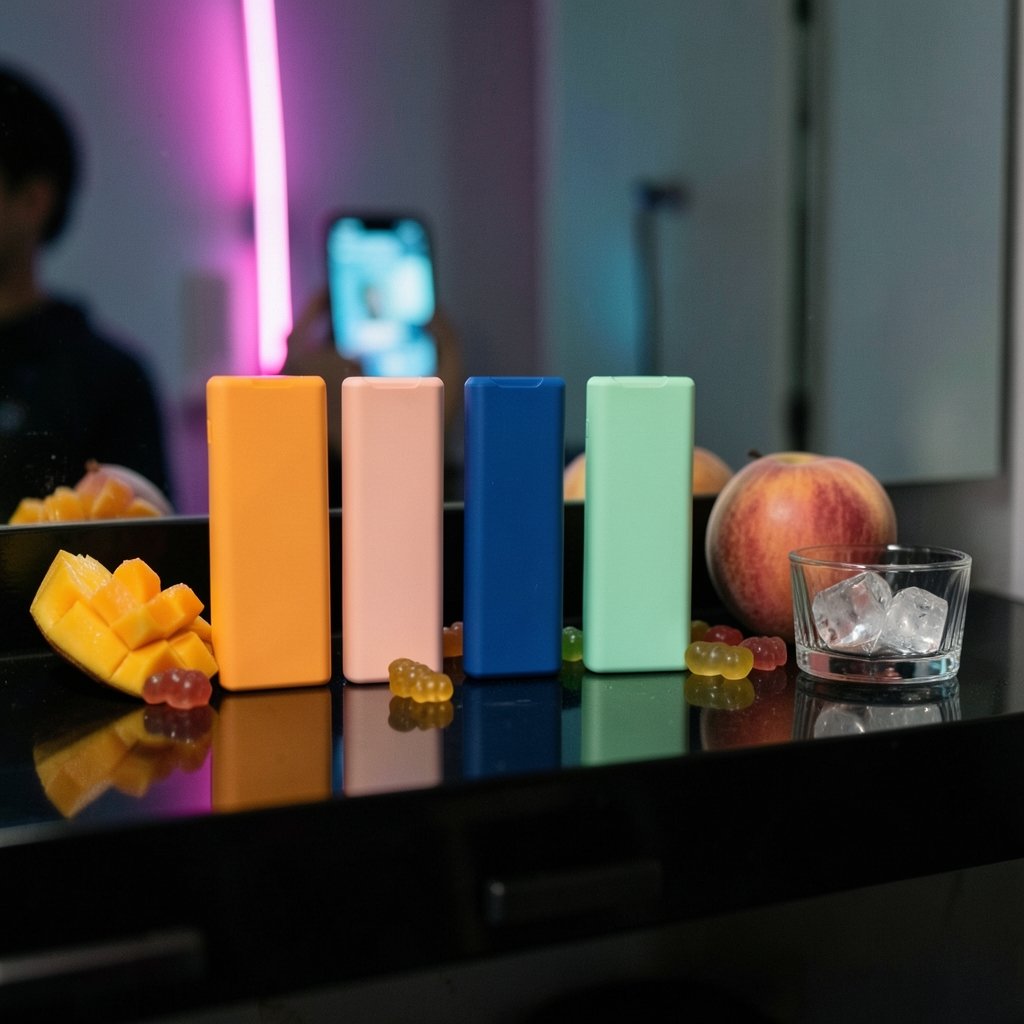
What flavors does a Foger disposable actually come in, and why do so many of the names sound like a dessert menu crossed with a gas-station slushie machine? If you’ve stumbled onto a “Foger” listing while shopping for vapes, you’ve probably noticed two things at once: a long, colorful flavor list and a strange lack of official information about who makes the product or where it’s legally sold. That gap is worth paying attention to, because it tells you more about Foger than any product page will.
This article walks through the flavor categories Foger disposables are typically listed under, how those flavors are built, what the regulatory picture looks like in the US, UK and EU, and the practical things buyers get wrong. It stays honest about what can and can’t be verified, because that honesty is the most useful thing you can take away.
What Is Foger, and Why Is the Brand Hard to Pin Down?
Foger is a disposable vape brand name that shows up in online retail listings and review roundups, usually alongside puff counts in the thousands and a flavor menu built around fruit, candy and ice profiles. Beyond that, the brand’s identity gets fuzzy fast. Its manufacturer, country of origin and regulatory status are not clearly documented in any reliable public source.
That’s not unusual in the disposable vape market, and it’s the first thing a careful buyer should notice. Many disposable brands are white-label products: hardware made in one factory, branded and boxed for whoever orders a batch, then sold through online marketplaces and small retail sites. When a brand has no clear corporate footprint, there’s no clear accountability either — no one to answer for what’s actually inside the device.
So when you see a Foger flavor list, treat it as promotional material from a retailer rather than a verified product catalog. The names are real in the sense that sellers use them. Whether the devices are consistent from batch to batch is a separate question nobody seems to be answering publicly.
The Flavor Categories You’ll See on Foger Listings

Foger flavor names tend to cluster into a handful of recognizable families. The exact lineup varies by seller and by region, but the patterns are consistent with the wider disposable market.
| Flavor family | Typical profile | What buyers report |
|---|---|---|
| Fruit singles | Mango, peach, grape, watermelon, strawberry | Sweet, forward, sometimes candy-like rather than fresh |
| Berry blends | Blueberry raspberry, mixed berry, blackcurrant | Tends to run sweeter and heavier than single fruits |
| Ice and menthol | “Ice” versions of fruit flavors, straight menthol | Strong cooling sensation, often overpowering at first |
| Candy and soda | Cola, energy drink, gummy, cotton candy | Very sweet, polarizing, popular with newer users |
| Tropical mixes | Pineapple, coconut, passionfruit blends | Bright and light, but flavor can fade quickly |
A few practical notes from how these products behave in real use. Fruit flavors in disposables usually rely on a small set of aroma compounds, so a “mango” and a “peach” from the same factory often share a similar base sweetness — the difference is mostly top notes. Ice flavors get their chill from cooling agents rather than actual mint, which is why a “blue razz ice” can taste nothing like menthol yet still feel cold. And candy profiles are engineered to be loud, because loud sells.
If you’re comparing this to other product categories, the naming logic is closer to candy branding than to anything resembling a natural flavor description. That’s a deliberate choice, and it’s one regulators have noticed.
How Disposable Vape Flavors Are Actually Built
Understanding the construction explains a lot about why Foger flavors taste the way they do. A disposable vape’s flavor comes from a liquid containing nicotine, a carrier base (usually vegetable glycerin and propylene glycol), and a blend of flavoring compounds. Most of those compounds are food-grade aromas — the same families used in candy and beverages — but inhaling them is not the same as eating them, and the long-term inhalation safety of most flavoring compounds is not established.
Cooling is its own subcategory. Synthetic cooling agents create a menthol-like sensation without a mint taste, and they’re common in “ice” variants across the disposable market. Public-health bodies have raised concerns that these cooling additives make nicotine products easier to tolerate, particularly for young and new users. (The row)
Nicotine strength matters too. In jurisdictions that follow the EU Tobacco Products Directive, nicotine in e-liquids is capped at 20 mg/mL. Products sold outside that framework can exceed the cap, and without lab testing there’s no way for a buyer to confirm what a given device actually contains. That’s a real limitation, not a scare tactic: the number printed on the box is only as good as the supply chain behind it.
Why Flavor Is the Whole Ballgame — and the Whole Problem
Flavor isn’t a side detail in the disposable market. It’s the primary driver of who tries these products and who keeps buying them. The US Surgeon General’s report on e-cigarettes documented flavor’s role in youth initiation, and that finding has shaped policy ever since. The logic is simple: sweet, fruit and candy profiles appeal to people who have never used nicotine, and disposables make trying them cheap and easy.
That’s why regulators keep circling the flavor question. In the United States, very few e-cigarette products have received marketing authorization, and flavored disposables sold without authorization are being marketed illegally. The UK went further and banned disposable vapes outright, effective 1 June 2025. Across the EU, the Tobacco Products Directive regulates e-cigarettes but leaves flavor rules to individual member states, so the picture changes as you cross borders.
For a brand like Foger, that means legality depends entirely on where you are and who’s selling. A flavor name that’s perfectly ordinary in one market may be restricted or banned in another. None of this is unique to Foger — it’s the reality of an unregulated-by-default product category.
Practical Tips If You’re Considering a Foger Disposable
Here’s where hands-on experience matters more than marketing copy. A few things consistently trip people up.
Check the seller before the flavor list. Independent retailers and marketplace listings are the main channel for brands without an official footprint. Look for a physical address, clear return terms and batch or lot numbers on the packaging. If none of that exists, you’re buying blind.
Don’t trust puff counts. A “10,000 puff” claim is a marketing number measured under specific lab conditions. Real-world use depends on draw length and frequency, and most users get substantially fewer. Treat puff counts as a rough ranking between devices, not a promise.
Expect batch variation. With white-label hardware, flavor consistency between batches is not guaranteed. A flavor you liked six months ago may taste different in a new order. This is one of the most common complaints about unbranded disposables generally.
Be skeptical of “ice” on everything. Cooling agents mask flavor flaws. If a device’s only personality is cold, that’s often a sign the base flavor is thin.
Read the nicotine label carefully, then question it. In TPD-following markets, 20 mg/mL is the ceiling. Anything above that in a legal retail setting should raise eyebrows, and anything unlabeled should be a hard no.
Dispose of it properly. Disposables contain a lithium battery and plastic. The UK ban was driven partly by environmental concerns, and throwing these in household trash is a genuinely bad idea regardless of where you live.
Common Mistakes People Make With Foger and Similar Brands
The biggest mistake is assuming a professional-looking product page means a professionally regulated product. Foger listings often borrow the visual language of established brands — sleek renders, tidy flavor grids, confident copy — without any of the regulatory backing that legitimate authorized products carry.
The second mistake is buying flavor variety packs to “find your favorite” without checking whether the seller is consistent. If batch variation is real, a sampler tells you very little about what your next order will taste like.
The third is treating flavor names as literal descriptions. A “strawberry kiwi” disposable is a flavor construct, not fruit. That matters for expectations and for understanding what you’re inhaling.
And the fourth, the one that actually causes harm: assuming that because a flavor sounds harmless, the product is. Nicotine is addictive regardless of whether it tastes like mango or menthol, and the inhalation safety of most flavoring compounds is simply not well established. That’s true across the category, from the most obscure labels to the mainstream ones — and it’s why the conversation around products like 4c hair care routines and vape flavor trends both keep circling back to the same point: what goes into a product matters more than how it’s marketed. (2b hair)
How Foger Fits Into the Wider Disposable Market
It helps to see Foger as one entry in a crowded, fast-moving category rather than a standout. Disposable vapes exploded because they solved a convenience problem: no refilling, no coils, no buttons. Brands multiplied because the barrier to entry is low — order hardware, pick flavors, print boxes, list online.
That structure produces a predictable pattern. Flavors get more elaborate to stand out. Puff counts inflate. Ice variants multiply because cooling reads as “premium” to new users. And the brands with the least transparency tend to be the ones leaning hardest on flavor marketing, because flavor is the only lever they fully control.
The regulatory squeeze is reshaping this. The UK’s disposable ban removed an entire market overnight. US enforcement actions against unauthorized products have targeted brands popular with young people. EU member states are diverging on flavor rules. The direction of travel is toward tighter control, and brands without a clear corporate identity are the most exposed to it — which is precisely why buyers should factor that instability into any purchase decision.
Conclusion
Foger vape flavors follow the playbook of the modern disposable market: fruit, candy, tropical and ice profiles, engineered to be sweet, cold and memorable, sold through channels that offer little verifiable information about who made the device or what’s inside it. The flavor list is the most visible thing about the brand and the least reliable thing about it.
The useful takeaway isn’t a verdict on one label. It’s a habit of mind. Check who’s selling, question the numbers on the box, understand that flavor names are constructs rather than descriptions, and know the rules where you live — because those rules now differ sharply between the US, the UK and the EU. Flavor is what sells these products, and flavor is exactly what regulators are targeting. Buyers who understand that are harder to mislead, whichever brand name is on the packaging.
Frequently Asked Questions
What flavors does Foger vape come in?
Foger listings typically include fruit singles like mango, peach and watermelon; berry blends; tropical mixes; candy and soda profiles such as cola and cotton candy; and “ice” versions of many fruit flavors. The exact lineup varies by seller and region, and because the brand has no clearly documented official catalog, retailer listings are the only source — and they’re promotional rather than authoritative.
Is Foger a legal vape brand?
That depends entirely on where you are and who’s selling it. In the US, very few e-cigarette products have marketing authorization, and flavored disposables sold without it are marketed illegally. The UK banned disposable vapes outright effective 1 June 2025. In the EU, flavor rules vary by member state. No public source clearly documents Foger’s regulatory status, so treat any claim of legality with caution.
Why do disposable vapes like Foger taste so sweet?
Disposable e-liquids are built around flavor compounds borrowed from the food and candy industry, plus sweeteners and cooling agents. Sweet, loud profiles sell well and appeal to people who’ve never used nicotine, which is exactly why public-health bodies and regulators have focused on flavored products. The sweetness is a design choice, not an accident.
What nicotine strength is in Foger disposables?
It varies, and that’s the problem. Products sold in markets that follow the EU Tobacco Products Directive are capped at 20 mg/mL. Products sold outside that framework can exceed the cap, and without independent lab testing there’s no way to confirm what a specific device contains. Always read the label, and treat unlabeled products as a red flag.
Are “ice” flavors in Foger just menthol?
Usually not. Most “ice” variants get their cooling effect from synthetic cooling agents that create a menthol-like sensation without a mint taste. That’s why a blue raspberry ice can feel cold without tasting like menthol. Regulators and researchers have raised concerns that these additives make nicotine products easier to tolerate, especially for new and younger users.
How can I tell if a Foger disposable is genuine?
Honestly, it’s difficult. With white-label products, batch consistency and authenticity are hard to verify from the outside. Look for clear packaging with lot numbers, a seller with a real physical address and return policy, and nicotine content that matches local rules. If a listing has none of those, there’s no reliable way to confirm what you’re getting — and that uncertainty is itself the answer.









