


What if the bottle of shampoo making your scalp itch isn’t the one you’d suspect? Most people blame sulfates, silicones, or the water at their gym. Yet fragrance is one of the most common causes of contact allergy in cosmetics, and it hides in almost everything that foams, conditions, or styles. For anyone with a reactive scalp, a sensitive nose, or a household member with asthma, fragrance-free hair products are not a niche preference. They are the difference between a good hair day and a week of itching.
This guide covers how fragrance labeling actually works, where scent sneaks into a routine, and how to build a fragrance-free wash-and-style lineup that still performs.
Why Fragrance Is Harder to Avoid Than It Looks
In the United States, cosmetic labels may list “fragrance” or “parfum” as a catch-all term instead of naming the individual scent ingredients inside. That rule dates back to the Fair Packaging and Labeling Act of 1966 and the FDA labeling regulations that followed. The practical result: a single word on a label can stand in for dozens of compounds, and a shopper cannot tell from the label alone what is in the bottle.
The European Union runs a stricter system. Under EU Cosmetics Regulation (EC) No 1223/2009, which took effect in July 2013, 26 fragrance allergens must be declared on the label when they exceed 0.001% in leave-on products and 0.01% in rinse-off products. A 2023 amendment, Commission Regulation (EU) 2023/1545, expanded that list, with transition periods for reformulation. Even so, allergen disclosure is not the same as fragrance-free. A product can list its allergens and still be heavily scented.
There is also no single legal definition of “fragrance-free” in the US. The term is generally understood to mean no fragrance has been added, but products sometimes contain masking scents or fragrance-containing ingredients that do not appear under the word “fragrance.” That gap is why label reading alone can fail you.
Fragrance-Free vs. Unscented: Not the Same Thing
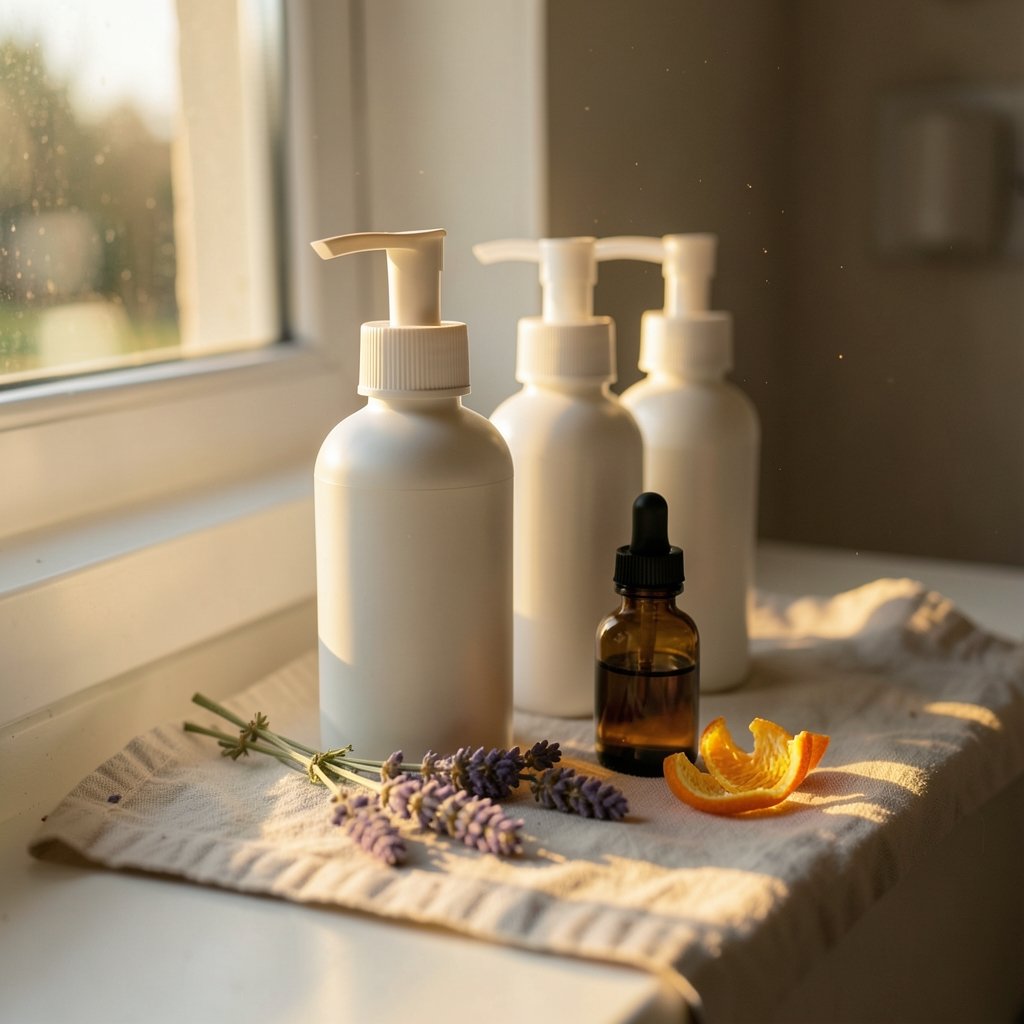
This is the distinction that trips up the most shoppers. Unscented means the product has no noticeable smell, which is often achieved by adding a fragrance to neutralize the natural odor of the raw ingredients. Fragrance-free is intended to mean no fragrance was added at all. A fragrance-free product may still smell faintly of its ingredients, and that is normal.
| Label term | What it usually means | Good for sensitive scalps? |
|---|---|---|
| Fragrance-free | No fragrance added, by the brand’s own definition | Usually yes, but check the full list |
| Unscented | No detectable scent, possibly via masking fragrance | Not reliably |
| Natural scent | Scented with aromatic plant oils or botanicals | Often no, since those oils can be allergens |
| Clean or natural | Marketing terms with no legal definition | No guarantee either way |
That last row matters. “Clean” and “natural” are marketing language, not safety standards. Neither the US nor the EU defines them for cosmetics. A product can be labeled natural and still contain lavender oil, citrus peel oil, or other botanicals that trigger reactions in sensitive skin.
Where Fragrance Hides in a Hair Routine
Most people assume shampoo is the main offender. In practice, the leave-on products are the bigger concern. Under the EU thresholds, leave-on products carry a lower allergen disclosure limit precisely because they stay on the skin. A styling cream, serum, or dry shampoo sits on your scalp and hair for hours.
Common hiding places include:
- Shampoo and conditioner, especially “botanical” or “aromatherapy” lines
- Leave-in conditioners and detangling sprays
- Heat protectants and styling creams
- Dry shampoo aerosols, which also carry inhaled scent
- Hair oils, many of which are pure aromatic plant oil blends
- Scalp treatments and tonics marketed for growth or flaking
If you have low porosity hair, you already know how much product sits on top of the cuticle rather than absorbing. That buildup means fragrance lingers longer and sits against the scalp, which is one more reason to keep scent out of the equation. The same logic applies to fine or 2A hair, where lightweight products are applied close to the root and often reapplied between washes.
Who Actually Needs Fragrance-Free Hair Care
Not everyone needs to overhaul their shelf. Some people tolerate scented products for decades without issue. Others react after years of exposure, because contact allergy builds over time rather than appearing on first use. Dermatology sources consistently rank fragrance among the top cosmetic allergens, though prevalence estimates vary widely between studies and populations, so treat any single percentage with caution.
Consider fragrance-free products if you recognize any of these patterns:
- Itching, redness, or flaking that appears or worsens after washing
- Reactions that spread to the neck, ears, or hairline
- Known eczema, psoriasis, or a diagnosed contact allergy
- Asthma or sensitivity to strong scents in enclosed spaces
- A household member, such as a child or partner, with reactive skin
- A job or hobby that already exposes you to fragranced products
One underrated group: people recovering from scalp procedures. After a transplant or a chemical burn, the scalp barrier is compromised and scented products sting. Anyone browsing hair transplant recovery guidance will notice fragrance-free and gentle cleansing come up repeatedly for the first weeks.
How to Read an Ingredient List Like a Skeptic
The ingredient list, not the front label, is where the truth lives. Here is a practical routine that works in a store aisle or on a product page.
- Scan for the words fragrance, parfum, aroma, and perfume. Any of them means the product is not fragrance-free in the strict sense.
- Look for aromatic plant oils by name: lavender, citrus peel, peppermint, eucalyptus, tea tree, geranium, and ylang-ylang are frequent offenders.
- Check for “masking fragrance” or “odor neutralizer” language in marketing copy, which signals the unscented trap.
- Read the first five ingredients, since those make up the bulk of the formula. If a botanical oil is listed early, expect a strong scent.
- Patch test behind the ear or on the inner wrist for 48 hours before committing to a full wash.
A common mistake is trusting a “sensitive skin” badge. That phrase has no regulatory meaning in the US, and it appears on plenty of scented products. Another mistake is assuming that a product with declared allergens is safer. It is more transparent, not necessarily unscented.
What to Look For in a Fragrance-Free Formula
Removing scent is easy. Removing scent without wrecking performance is the hard part. The best fragrance-free products compensate with gentle surfactants, effective conditioning agents, and a preservative system that keeps the formula stable without masking odors.
For shampoos, look for mild cleansing agents and skip anything that lists fragrance in the top half of the ingredients. For conditioners, fatty alcohols and plant-derived conditioning agents do the work, and a good one should feel slippery without a perfumed cloud. For styling, simple is better: a lightweight gel or cream with a short ingredient list is easier to vet than a ten-ingredient cocktail.
Curly and coily hair types have an extra challenge, because many curl creams lean on botanical extracts for slip and scent. If you are building a scent-free routine for waves or curls, it helps to cross-check recommendations against the best products for curly hair and then filter for fragrance-free formulas. The same filtering approach works if you are shopping the best products for low porosity hair, where lightweight, non-buildup formulas matter more than scent anyway.
A Simple Fragrance-Free Routine
You do not need twelve products. A workable routine for most people looks like this:
- Wash two to three times a week with a fragrance-free shampoo, focusing on the scalp rather than the ends.
- Condition mid-lengths to ends with a fragrance-free conditioner, leaving it on for two to three minutes.
- Apply a fragrance-free leave-in or detangling spray to damp hair, working from ends upward.
- Style with a single fragrance-free gel or cream, then air dry or diffuse.
- Refresh between washes with water and a small amount of leave-in rather than a scented dry shampoo.
If you heat style, add a fragrance-free heat protectant before your tool touches your hair. If you have fine, 2A hair, keep the layers thin so the routine does not weigh strands down; the best products for 2a hair tend to be lightweight, and that holds true whether or not they contain scent.
Mistakes That Undo Your Progress
Even careful shoppers slip up. These are the most common ones.
- Switching everything at once. If a reaction occurs, you will not know which product caused it. Change one item per week.
- Forgetting tools and pillowcases. Styling brushes, diffusers, and pillowcases hold scent from previous products. Wash them.
- Assuming salon brands are safer. Price and prestige say nothing about fragrance content.
- Ignoring the rest of the routine. A fragrance-free shampoo paired with a heavily scented serum is not a fragrance-free routine.
- Confusing allergen labeling with safety. A declared allergen list is useful information, not a guarantee.
There is also a subtler trap: seasonal products. Limited-edition shampoos and holiday sets are often more heavily scented than the core line, so a formula you trusted in March may not match the version on shelves in November. If you find a fragrance-free formula that works, buy the standard size and check the ingredient list each time you repurchase, because reformulations happen quietly.
When to See a Professional
If itching, redness, or flaking persists after four to six weeks of a consistent fragrance-free routine, the cause may not be fragrance at all. Scalp conditions, product buildup, hard water, and even dietary factors can produce similar symptoms. A dermatologist can patch test for specific allergens and rule out other causes. Bring your current products, including the ones you use occasionally, since partial exposure still counts.
Conclusion
Fragrance-free hair products are less about deprivation and more about control. Once you understand that “fragrance” can hide dozens of compounds, that “unscented” often means the opposite of what shoppers expect, and that leave-on products carry more risk than rinse-off ones, the label stops being a mystery. Build a short routine, change one product at a time, and give your scalp a few weeks to respond. Most people who make the switch find that their scalp calms down, their hair still performs, and they stop dreading wash day.
Frequently Asked Questions
Is fragrance-free the same as unscented?
No. Unscented products may contain a masking fragrance to neutralize the natural smell of the ingredients, while fragrance-free is intended to mean no fragrance was added. The terms are not regulated the same way, and neither has a single legal definition in the US, so the ingredient list is the only reliable check.
Can fragrance-free hair products still cause reactions?
Yes. Botanicals such as aromatic plant oils, plant extracts, and some preservatives can trigger reactions even when no fragrance is added. A product labeled fragrance-free is not automatically hypoallergenic, which is why a patch test before a full wash is worth the two-day wait.
Why does my fragrance-free shampoo still have a smell?
Raw ingredients have their own faint odor, and some formulas include plant-derived components that carry a natural scent. A mild, earthy, or slightly medicinal smell is normal and does not mean fragrance was added. A strong perfume smell, on the other hand, is a red flag worth investigating on the label.
Are aromatic plant oils safe if I have a fragrance allergy?
Often not. Many aromatic plant oils contain the same compounds that trigger fragrance allergies, including linalool and limonene, which are among the allergens that must be declared in the EU. Products scented only with aromatic plant oils are not fragrance-free in any practical sense for a reactive scalp.
How long does it take to see a difference after switching?
Most people notice less itching and irritation within two to four weeks of consistent use, though contact allergy reactions can take longer to settle. If symptoms persist beyond six weeks, or if redness and flaking worsen, it is worth seeing a dermatologist to rule out other causes.
Do I need to replace every product at once?
No, and it is better not to. Swap one product per week so you can identify what helps and what does not. Start with the products that stay on your scalp longest, such as leave-in conditioners and styling creams, since those carry the highest exposure.









