


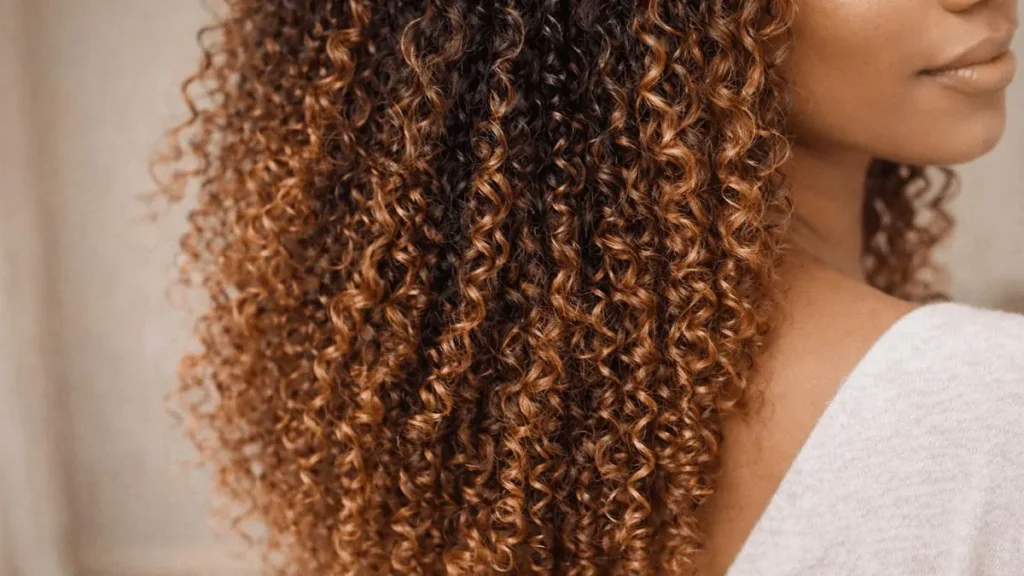
Does your hair feel dry even after you apply conditioner? Does water take a while to soak in, or do your favorite products seem to sit on your hair instead of helping it feel soft? Low porosity hair may be one reason.
Hair porosity describes how easily water and other substances move into and out of your hair. With low porosity hair, the outer layer of the hair strand is less open, so water and some products may take longer to get in. This can make washing, conditioning, and styling feel frustrating.
The good news is that you do not need a shelf full of special products. Start by learning how your hair behaves, use a routine that suits its needs, and avoid adding more product when buildup is the real problem.
This guide explains the common signs of low porosity hair, a simple care routine, product choices, and a few popular hair-care claims worth treating with caution.
Key Takeaways
- Low porosity hair may take longer to get wet, and some products may sit on its surface.
- The float test cannot reliably confirm your hair porosity.
- Use a shampoo and conditioner that suit your scalp and hair.
- Lightweight products may help if heavy creams and oils leave your hair coated.
- Gentle heat is optional, not a requirement for every deep conditioner.
- Do not avoid all oils, butters, or protein products without checking how your hair responds.
- Change one part of your routine at a time so you can see what helps.
What Is Low Porosity Hair?

Each hair strand has an outer layer called the cuticle. It is made of tiny overlapping scales that protect the inner parts of the strand. In low porosity hair, the cuticle tends to be more tightly arranged. Water may take longer to soak into the hair, and some products may leave a coating on the surface.
Hair porosity can be influenced by your natural hair structure and by damage from bleaching, coloring, chemicals, or heat. It can also vary between the roots and ends of the same head of hair.
Low porosity hair is not bad or unhealthy by itself. The main goal is to find a routine that cleans your scalp, conditions your hair, and does not leave behind more product than you need.
Signs You May Have Low Porosity Hair

No single sign proves that you have low porosity hair. Look at how your hair behaves over time, especially after washing it properly.
Common signs include:
- Water takes time to soak in: Your hair may take longer to become fully wet.
- Products seem to sit on the surface: Heavy creams or oils may leave your hair coated or greasy.
- Buildup appears quickly: Your hair may feel waxy, dull, or weighed down after using several products.
- Your hair takes a long time to dry: This can happen with low porosity hair, but hair length, thickness, room temperature, and humidity also affect drying time.
- Conditioner seems to do little: You may need a different formula, a better application method, or a more thorough rinse.
Does the Hair Float Test Work?

You may have heard that a strand floating in a glass of water means low porosity hair, while a strand that sinks means high porosity hair.
This test is not reliable enough to identify your hair porosity. Surface oils, leftover products, and the water’s surface tension can affect the result. There is no need to base your entire hair-care routine on what one strand does in a glass.
Instead, observe how your clean hair gets wet, responds to conditioner, and feels after washing. These clues are more useful for choosing a routine, even though they cannot give you a precise measurement of porosity.
A Simple Care Routine for Low Porosity Hair

You do not need to change everything at once. Start with a basic routine and adjust it based on how your hair responds.
1. Wash Your Scalp Properly
Use a shampoo that suits your scalp and hair. Gently massage it into your scalp with your fingertips, then rinse well. Let the shampoo run through the lengths rather than rubbing it harshly into the hair.
Wash as often as your scalp needs. If it becomes oily quickly or you use styling products often, you may need to wash more frequently than someone with a dry scalp.
2. Use Conditioner After Washing
Apply conditioner to the lengths and ends of your hair, following the product instructions. If your hair is fine or becomes flat easily, start with a small amount. If it is thick, curly, or dry, you may need more.
Give the conditioner its recommended time to work, then rinse thoroughly. Leaving a thick layer on your hair is not the same as giving it more moisture.
3. Try Gentle Warmth if Needed
Some people find that a warm towel or a heat cap used according to its instructions makes deep conditioning more comfortable and helps the treatment work well for them.
However, heat is not required for every conditioner, and it does not guarantee that moisture will enter the hair. Follow the product directions, avoid excessive heat, and never use a hot towel or device that could burn your scalp.
If your hair feels soft after ordinary conditioning, you may not need a separate heat treatment.
4. Apply Leave-In Products to Damp Hair
If your hair needs extra conditioning after washing, try a lightweight leave-in conditioner on damp hair. Start with a small amount and spread it evenly.
Water-based products may be easier to use if rich creams and oils make your hair feel greasy. But no ingredient works the same way for everyone, so pay attention to the result rather than relying on a product label alone.
5. Add Oil Only if Your Hair Needs It
Oil can help reduce friction, add shine, and change how hair feels. It does not replace water or conditioner.
If your hair already feels coated, adding more oil may make the problem worse. If your ends feel rough and a small amount of oil helps, use it sparingly.
Best Product Types for Low Porosity Hair

The best products depend on your hair’s texture, scalp, styling habits, and how much buildup you get. You do not need to buy a product just because it says it is made for low porosity hair.
| Product type | What to look for | When it may help |
| Shampoo | A formula that cleans your scalp without leaving it uncomfortable | Regular washing and removing oil or residue |
| Conditioner | A formula that makes your hair easier to detangle | After each shampoo |
| Leave-in conditioner | A lightweight formula that spreads easily | When your hair needs extra softness |
| Clarifying shampoo | A cleanser designed to remove product buildup | When hair feels coated or dull |
| Deep conditioner | A formula that suits your hair’s needs | When regular conditioner is not enough |
| Hair oil | A product that does not leave your hair too greasy | When you want extra shine or less friction |
Are Water-Based Products Better?
They can be a useful starting point if heavy products weigh down your hair. Look for water near the beginning of the ingredient list, then consider how the full formula feels on your hair.
Ingredients such as glycerin and aloe are common in hair products, but they are not automatic solutions for low porosity hair. Your hair’s response, the full formula, and the weather can all affect the result.
Should You Avoid Oils and Butters?
No. You do not have to avoid all oils or butters. The problem is often the amount used or how many products are layered together.
If a thick butter makes your hair greasy, try less of it or skip it. If a small amount works well for your ends, there is no reason to stop using it just because your hair has low porosity.
Common Mistakes to Avoid

A few simple changes can help you avoid wasting time and products.
- Using too much product: More conditioner, oil, or cream does not always mean better results. Start small and add more only if needed.
- Clarifying too often: A clarifying shampoo can remove buildup, but frequent use may leave some hair dry. Use it when your hair needs it, then adjust based on the results.
- Avoiding protein completely: Low porosity hair does not automatically need to avoid protein. Protein-containing products can suit some people, while others may find certain formulas leave their hair stiff. Judge the product by how your hair responds.
- Using too much heat: Excessive heat can damage hair of any porosity. Use low or moderate settings when possible and limit hot styling.
- Blaming every problem on porosity: Dryness, breakage, an itchy scalp, and dullness can have other causes. Your routine, hair damage, scalp condition, and product buildup may also play a part.
Expert Tips for Better Results

You can learn a lot about your hair without buying new products.
- Change one thing at a time. This helps you see what actually improves your hair.
- Rinse products well. A heavy coating can make hair feel dry, even when you have used conditioner.
- Check your ends separately. Older or chemically treated ends may behave differently from new growth near your scalp.
- Keep a simple routine. Shampoo, conditioner, and an optional leave-in may be enough.
- Pay attention to your scalp. If you have persistent itching, redness, flaking, or unusual hair loss, do not assume porosity is the cause.
Frequently Asked Questions
Is low porosity hair bad?
No. It is a hair characteristic, not a disease. The right routine depends on how your hair behaves.
How can I check my hair porosity?
Notice how your clean hair gets wet, responds to conditioner, and feels after washing. The glass-of-water test is not reliable enough to confirm porosity.
How often should I clarify?
Clarify when your hair feels coated or has stubborn buildup. The right schedule depends on your products and scalp.
Does low porosity hair need heat?
No. Gentle warmth may help some deep conditioners work well, but it is not essential for every routine.
Should I avoid protein products?
No. Low porosity hair does not automatically need a protein-free routine. Use products that leave your hair feeling manageable rather than stiff or rough.
Why does my hair feel dry after conditioning?
You may need a different conditioner, better rinsing, or less product buildup. Damage and other hair or scalp problems can also cause dryness.
Final Thoughts
Caring for low porosity hair does not have to mean following a long list of rules. Start with clean hair, use a suitable conditioner, and add a leave-in only if you need one. If your hair feels coated, try using less product or clarifying when needed before buying another treatment.
Most importantly, do not let a hair porosity label make every decision for you. Your hair’s texture, condition, and response to products matter just as much. Following a suitable hair mask guide can also help you choose treatments that support your hair’s specific needs.
Disclaimer: This article provides general hair-care information, not a medical diagnosis. If you have ongoing scalp irritation, severe breakage, or unusual hair loss, consult a qualified healthcare professional.









