

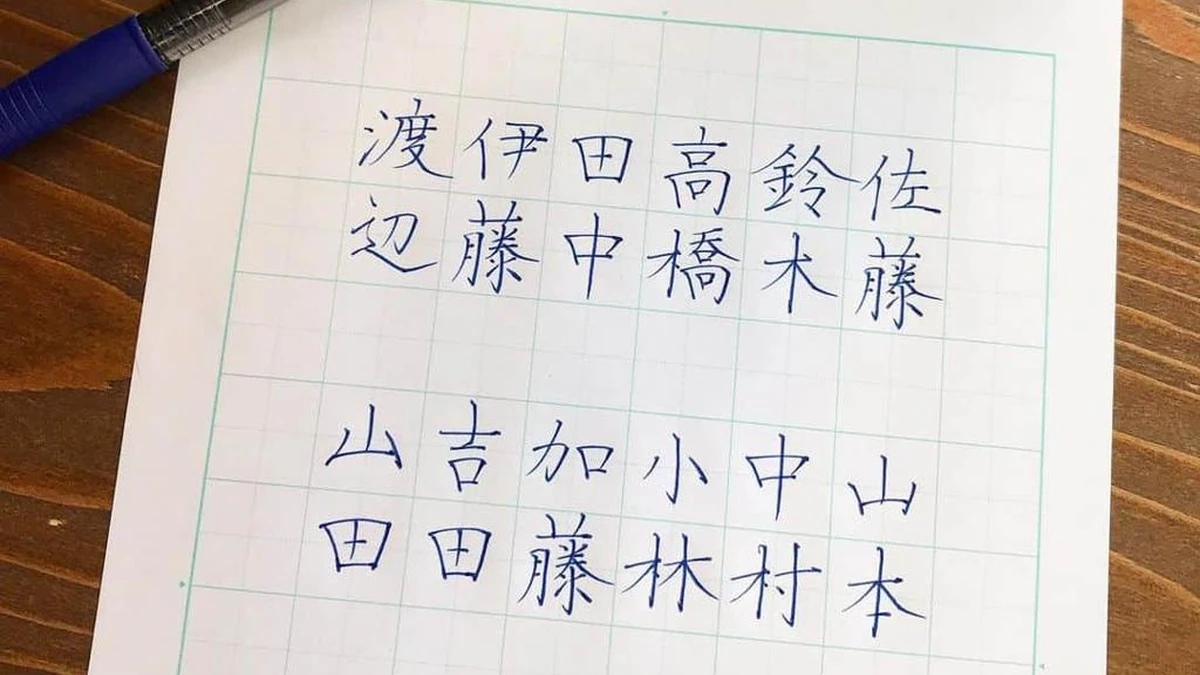
Japanese last names offer a fascinating look into the country’s history, geography, language, and family traditions. Many surnames are connected to mountains, rivers, forests, rice fields, villages, and other features of the natural landscape. Others have historical associations with regions, clans, and communities.
Names such as Sato, Suzuki, Takahashi, and Tanaka are familiar throughout Japan. Some surnames are much less common and have distinctive pronunciations or written forms that make them particularly interesting.
Whether you are researching Japanese family names, creating a character, exploring Japanese culture, or simply looking for an interesting surname, this collection introduces 100 Japanese last names with their kanji, pronunciation, and general character meanings.
One important detail is that Japanese surnames are written using kanji, and the same characters can sometimes have different readings. The explanations below describe the commonly associated meanings of the written characters, not necessarily the complete historical origin of every family.
1. The Most Common Japanese Last Names
These surnames are among the best-known and most frequently encountered family names in Japan.
| No. | Japanese last name | Kanji | Pronunciation | General meaning |
| 1 | Sato | 佐藤 | Satō | Help and wisteria |
| 2 | Suzuki | 鈴木 | Suzuki | Bell and tree |
| 3 | Takahashi | 高橋 | Takahashi | High bridge |
| 4 | Tanaka | 田中 | Tanaka | Middle of the rice field |
| 5 | Ito | 伊藤 | Itō | Wisteria-associated name |
| 6 | Watanabe | 渡辺 | Watanabe | Crossing and vicinity |
| 7 | Yamamoto | 山本 | Yamamoto | Base of the mountain |
| 8 | Nakamura | 中村 | Nakamura | Middle village |
| 9 | Kobayashi | 小林 | Kobayashi | Small forest |
| 10 | Kato | 加藤 | Katō | Add and wisteria |
| 11 | Yoshida | 吉田 | Yoshida | Fortunate rice field |
| 12 | Yamada | 山田 | Yamada | Mountain rice field |
| 13 | Sasaki | 佐々木 | Sasaki | Help and tree |
| 14 | Yamaguchi | 山口 | Yamaguchi | Mountain entrance |
| 15 | Matsumoto | 松本 | Matsumoto | Base of the pine tree |
| 16 | Inoue | 井上 | Inoue | Above the well |
| 17 | Kimura | 木村 | Kimura | Tree village |
| 18 | Hayashi | 林 | Hayashi | Forest or grove |
| 19 | Shimizu | 清水 | Shimizu | Clear water |
| 20 | Yamazaki | 山崎 | Yamazaki | Mountain slope or cape |
2. Japanese Last Names Inspired by Nature
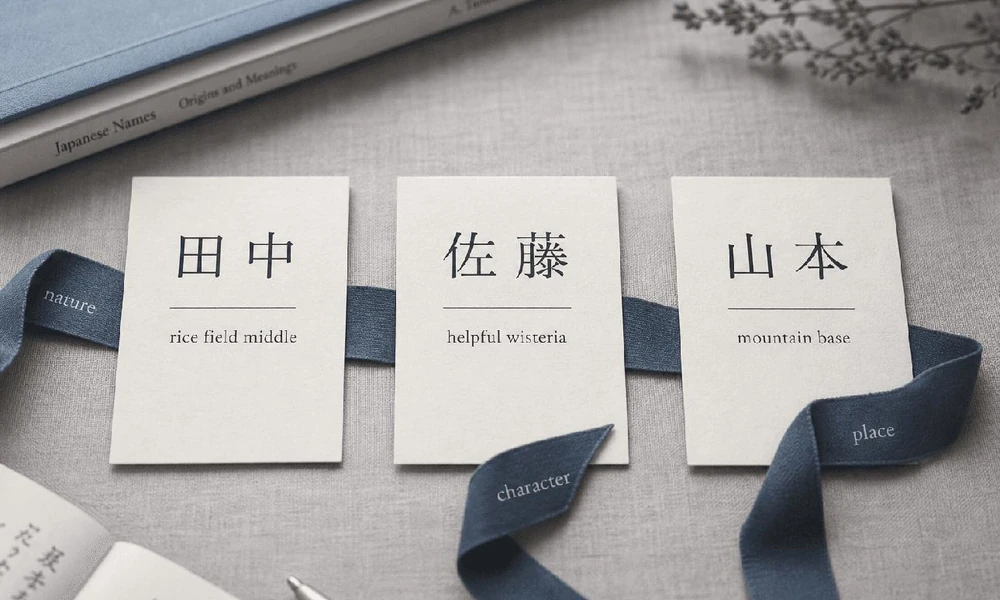
Japanese surnames often contain characters associated with natural landscapes. Trees, mountains, rivers, and fields appear frequently in family names, reflecting the importance of nature in Japanese naming traditions. Similar themes can also be found in nature names for boys and girls.
| No. | Japanese last name | Kanji | Pronunciation | General meaning |
| 21 | Mori | 森 | Mori | Forest |
| 22 | Ishikawa | 石川 | Ishikawa | Stone river |
| 23 | Yamashita | 山下 | Yamashita | Below the mountain |
| 24 | Ogawa | 小川 | Ogawa | Small river |
| 25 | Hasegawa | 長谷川 | Hasegawa | Long valley river |
| 26 | Fujita | 藤田 | Fujita | Wisteria field |
| 27 | Okada | 岡田 | Okada | Hill rice field |
| 28 | Sakurai | 桜井 | Sakurai | Cherry blossom well |
| 29 | Ueda | 上田 | Ueda | Upper rice field |
| 30 | Maeda | 前田 | Maeda | Front rice field |
| 31 | Matsuda | 松田 | Matsuda | Pine rice field |
| 32 | Kondo | 近藤 | Kondō | Near wisteria |
| 33 | Ishii | 石井 | Ishii | Stone well |
| 34 | Endo | 遠藤 | Endō | Distant wisteria |
| 35 | Aoki | 青木 | Aoki | Green tree |
| 36 | Nishimura | 西村 | Nishimura | Western village |
| 37 | Fujimoto | 藤本 | Fujimoto | Wisteria origin |
| 38 | Ota | 太田 | Ōta | Large rice field |
| 39 | Miura | 三浦 | Miura | Three inlets |
| 40 | Nakagawa | 中川 | Nakagawa | Middle river |
3. Traditional Japanese Family Names
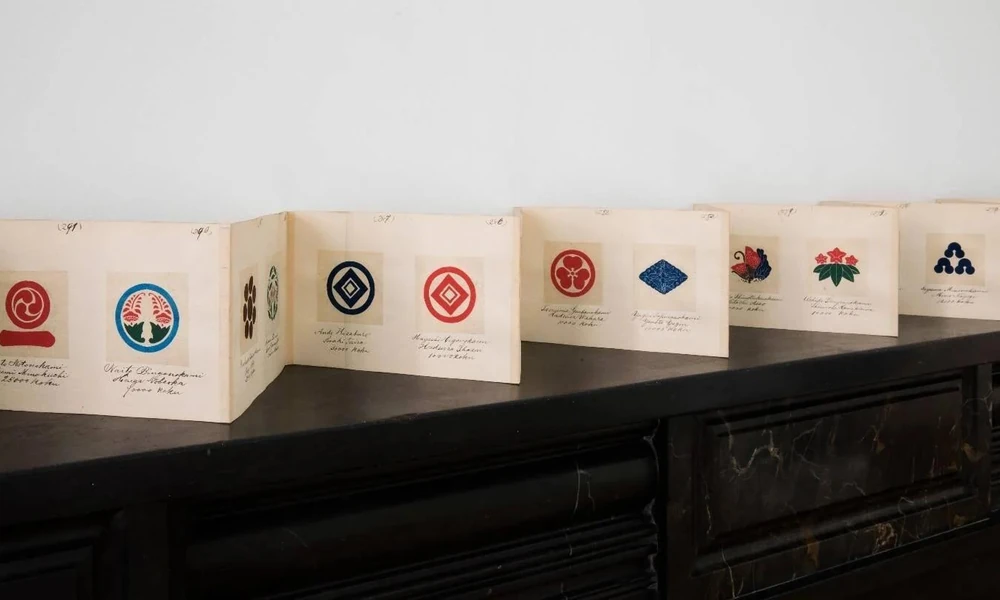
These surnames are associated with long-established naming traditions and are recognizable throughout Japan.
| No. | Japanese last name | Kanji | Pronunciation | General meaning |
| 41 | Saito | 斎藤 | Saitō | Purification and wisteria |
| 42 | Hashimoto | 橋本 | Hashimoto | Base of the bridge |
| 43 | Abe | 阿部 | Abe | Traditional family name |
| 44 | Ikeda | 池田 | Ikeda | Pond and rice field |
| 45 | Goto | 後藤 | Gotō | Behind and wisteria |
| 46 | Okamoto | 岡本 | Okamoto | Base of the hill |
| 47 | Murakami | 村上 | Murakami | Above the village |
| 48 | Ishida | 石田 | Ishida | Stone rice field |
| 49 | Hara | 原 | Hara | Plain or field |
| 50 | Nakano | 中野 | Nakano | Middle field |
| 51 | Sakai | 酒井 | Sakai | Sake well or traditional name |
| 52 | Kubo | 久保 | Kubo | Old or long-standing protection |
| 53 | Kaneko | 金子 | Kaneko | Gold child |
| 54 | Sugiyama | 杉山 | Sugiyama | Cedar mountain |
| 55 | Takeuchi | 竹内 | Takeuchi | Inside the bamboo |
| 56 | Matsui | 松井 | Matsui | Pine well |
| 57 | Nomura | 野村 | Nomura | Field village |
| 58 | Kikuchi | 菊池 | Kikuchi | Chrysanthemum pond |
| 59 | Iwasaki | 岩崎 | Iwasaki | Rocky cape |
| 60 | Kuroda | 黒田 | Kuroda | Black rice field |
4. Distinctive and Less Familiar Japanese Last Names
These surnames offer additional variety beyond the most common names. Some have multiple readings or regional variations.
| No. | Japanese last name | Kanji | Pronunciation | General meaning |
| 61 | Fujii | 藤井 | Fujii | Wisteria well |
| 62 | Hirano | 平野 | Hirano | Flat field |
| 63 | Oishi | 大石 | Ōishi | Large stone |
| 64 | Matsuzaki | 松崎 | Matsuzaki | Pine cape |
| 65 | Shibata | 柴田 | Shibata | Brushwood field |
| 66 | Takeda | 武田 | Takeda | Military rice field |
| 67 | Sugawara | 菅原 | Sugawara | Sedge or reed plain |
| 68 | Ueno | 上野 | Ueno | Upper field |
| 69 | Chiba | 千葉 | Chiba | Thousand leaves |
| 70 | Noguchi | 野口 | Noguchi | Field entrance |
| 71 | Tsuchiya | 土屋 | Tsuchiya | Earth house |
| 72 | Miyazaki | 宮崎 | Miyazaki | Shrine cape |
| 73 | Kishi | 岸 | Kishi | Shore or bank |
| 74 | Ono | 小野 | Ono | Small field |
| 75 | Hoshino | 星野 | Hoshino | Star field |
| 76 | Nagai | 永井 | Nagai | Long-lasting well |
| 77 | Araki | 荒木 | Araki | Wild or rough tree |
| 78 | Kagawa | 香川 | Kagawa | Fragrant river |
| 79 | Otsuka | 大塚 | Ōtsuka | Large mound |
| 80 | Fujisawa | 藤沢 | Fujisawa | Wisteria marsh |
5. More Japanese Last Names to Explore
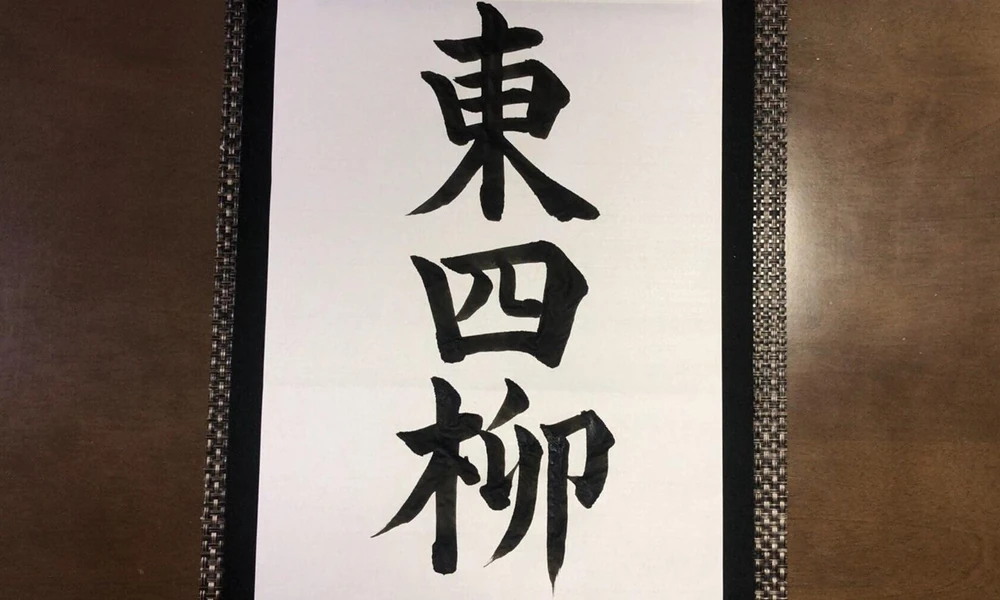
The following surnames add further examples of Japanese family names, including names connected with locations, landscapes, and traditional written characters.
| No. | Japanese last name | Kanji | Pronunciation | General meaning |
| 81 | Asano | 浅野 | Asano | Shallow field |
| 82 | Miyamoto | 宮本 | Miyamoto | Shrine origin |
| 83 | Nakajima | 中島 | Nakajima | Middle island |
| 84 | Hattori | 服部 | Hattori | Traditional family name |
| 85 | Kinoshita | 木下 | Kinoshita | Below the tree |
| 86 | Shimada | 島田 | Shimada | Island rice field |
| 87 | Kanda | 神田 | Kanda | Sacred rice field |
| 88 | Nagano | 長野 | Nagano | Long field |
| 89 | Imai | 今井 | Imai | Present well |
| 90 | Arai | 新井 | Arai | New well |
| 91 | Morita | 森田 | Morita | Forest rice field |
| 92 | Takagi | 高木 | Takagi | Tall tree |
| 93 | Noda | 野田 | Noda | Field rice paddy |
| 94 | Kishi | 岸 | Kishi | Shore |
| 95 | Matsuda | 松田 | Matsuda | Pine rice field |
| 96 | Utsunomiya | 宇都宮 | Utsunomiya | Traditional place-associated surname |
| 97 | Kurosawa | 黒沢 | Kurosawa | Black marsh |
| 98 | Shiraishi | 白石 | Shiraishi | White stone |
| 99 | Takano | 高野 | Takano | High field |
| 100 | Mizuno | 水野 | Mizuno | Water field |
How Japanese Last Names Work
Japanese naming conventions have some important differences from those commonly used in English-speaking countries.
The family name usually comes first
In traditional Japanese name order, the family name appears before the given name to their babies. For example, someone named Haruki Tanaka would traditionally be introduced as Tanaka Haruki in Japanese.
In international English-language contexts, the order may be reversed to given name followed by family name.
Japanese surnames use kanji
Kanji are characters used in the Japanese writing system. Many surnames consist of two characters, although some have one, three, or more.
For example:
- 山本 (Yamamoto) combines characters associated with mountain and origin.
- 田中 (Tanaka) combines rice field and middle.
- 小林 (Kobayashi) combines small and forest.
- 川口 (Kawaguchi) combines river and entrance.
One surname can have different readings
Japanese surnames can be challenging to pronounce because kanji do not always have only one reading. The same characters may be pronounced differently depending on the family name.
For this reason, the pronunciation shown in a name list is a common reading rather than a guarantee of how every family uses it.
Japanese surnames are not gender-specific
Japanese family names are generally shared across genders. A surname such as Suzuki, Sato, or Nakamura can belong to a man or a woman.
Frequently Asked Questions
What is the most common Japanese last name?
Sato (佐藤) is generally identified as Japan’s most common surname. Suzuki (鈴木), Takahashi (高橋), Tanaka (田中), and Ito (伊藤) also appear near the top of commonly cited surname rankings.
What are the 10 most popular Japanese last names?
The commonly cited top 10 are Sato, Suzuki, Takahashi, Tanaka, Ito, Watanabe, Yamamoto, Nakamura, Kobayashi, and Kato. The exact order can vary between surname databases and estimates.
What does the Japanese last name Sato mean?
Sato is commonly written 佐藤. The character 佐 is associated with helping or assisting, while 藤 refers to wisteria. The surname also has historical associations with the Fujiwara family name tradition.
Why do Japanese last names often refer to nature?
Many Japanese surnames developed from geographical features and local places. Mountains, rivers, forests, rice fields, trees, and villages were important parts of traditional settlement patterns and became reflected in family names.
Do Japanese people put their last names first?
Yes. In the traditional Japanese name order, the family name comes before the given name. The order may be reversed when names are written for international audiences.
How many Japanese last names are there?
Japan has a very large variety of surnames, with estimates commonly exceeding 100,000 distinct family names. The exact total depends on how different kanji spellings and pronunciations are counted.
Are Japanese last names different for men and women?
No. Japanese surnames are generally not divided into male and female forms. The same family surname can be used by people of any gender.
Final Thoughts
Japanese last names offer a window into the country’s language, geography, and family history. From popular choices such as Sato, Suzuki, and Takahashi to distinctive names such as Hoshino, Kurosawa, and Shiraishi, each surname has its own written form and cultural context.
Whether you are exploring Japanese ancestry, choosing a surname for a fictional character, or learning about Japanese naming traditions, understanding the kanji and pronunciation makes the experience more meaningful.









