


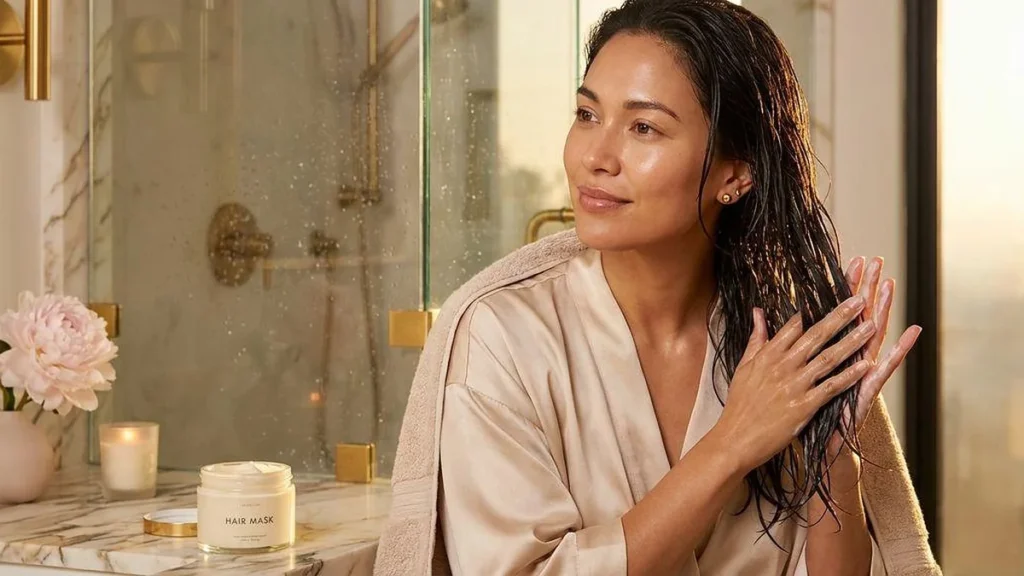
Dry ends, frizz, tangles, and hair that feels rough after washing can make your usual conditioner seem less effective. A hair mask may help, but choosing the right one matters more than leaving it on for longer or using it every week.
A hair mask is a conditioning treatment designed to improve how your hair feels, looks, and behaves. Depending on its formula, it may help soften dry lengths, reduce tangling, improve smoothness, or temporarily strengthen the feel of damaged hair. It cannot permanently repair split ends or reverse all the damage caused by bleaching and heat styling.
This guide explains what hair masks actually do, which type may suit your hair, how to apply one, and when you might not need one.
Key Takeaways
- Hair masks can improve softness, manageability, and the appearance of dry or damaged hair.
- Choose a formula based on your hair’s actual needs, not just its label.
- Fine hair may need less product, while dry or textured hair may benefit from more conditioning.
- Follow the product’s application time. Longer treatments are not always better.
- Masks cannot permanently repair split ends or reverse all chemical damage.
- Adjust the frequency if your hair becomes flat, coated, stiff, or irritated.
What Does a Hair Mask Do?
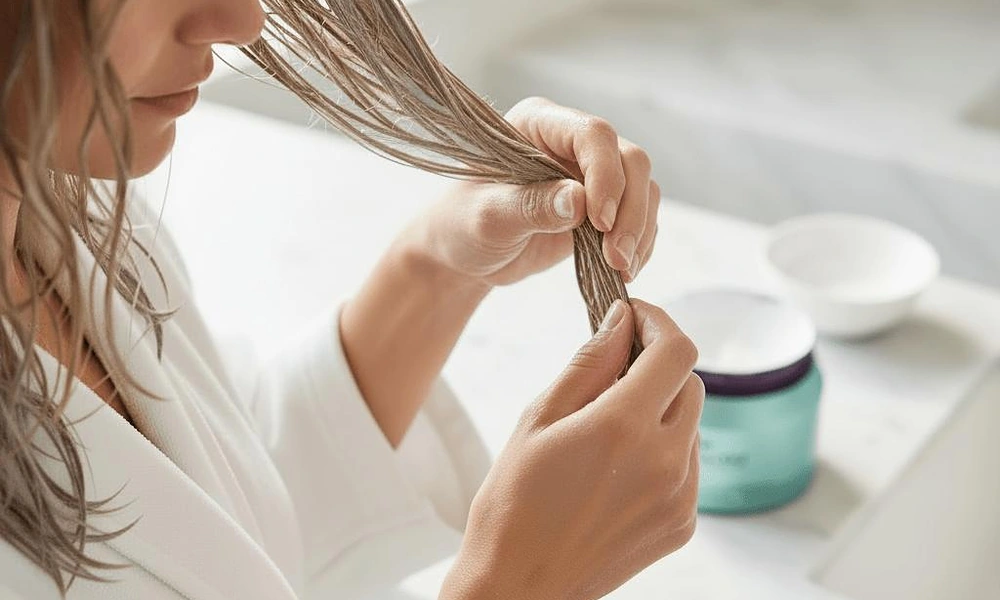
Hair masks contain conditioning ingredients that coat the hair, reduce friction, improve softness, and make strands easier to manage. Some formulas also contain oils, humectants, proteins, or ingredients designed to help damaged hair feel stronger.
The benefits depend on the ingredients and your hair’s condition.
A hydrating or conditioning mask may help hair feel softer and less rough. A protein-based treatment may temporarily improve the feel of weakened strands. Some bond-building treatments are designed for chemically damaged hair, although their results vary by formula.
However, a mask does not make damaged hair new again. Once a strand has split or broken, a conditioning product may temporarily improve its appearance, but it cannot permanently restore the original structure.
The practical takeaway: Use a hair mask to improve softness, manageability, and the appearance of your hair. Do not expect it to reverse every type of damage.
Hair Mask vs. Regular Conditioner

Both products condition the hair, but masks are often formulated for a more intensive treatment. A regular conditioner is usually designed for frequent use, while a mask may contain a richer blend of conditioning agents.
| Feature | Regular conditioner | Hair mask |
| Main purpose | Detangling and everyday softness | Additional conditioning for specific needs |
| Typical use | After most washes, as needed | Occasionally or according to the label |
| Texture | Often lighter | Often richer, but not always |
| Best for | Routine maintenance | Dryness, roughness, tangles, or selected damage concerns |
A mask is not automatically better than a conditioner. Some conditioners work very well for dry or curly hair, and some masks may be too heavy for fine strands.
You also do not always need to use both. If the mask provides enough conditioning, you can usually skip your regular rinse-out conditioner for that wash unless the product instructions say otherwise.
Types of Hair Masks and What They Do
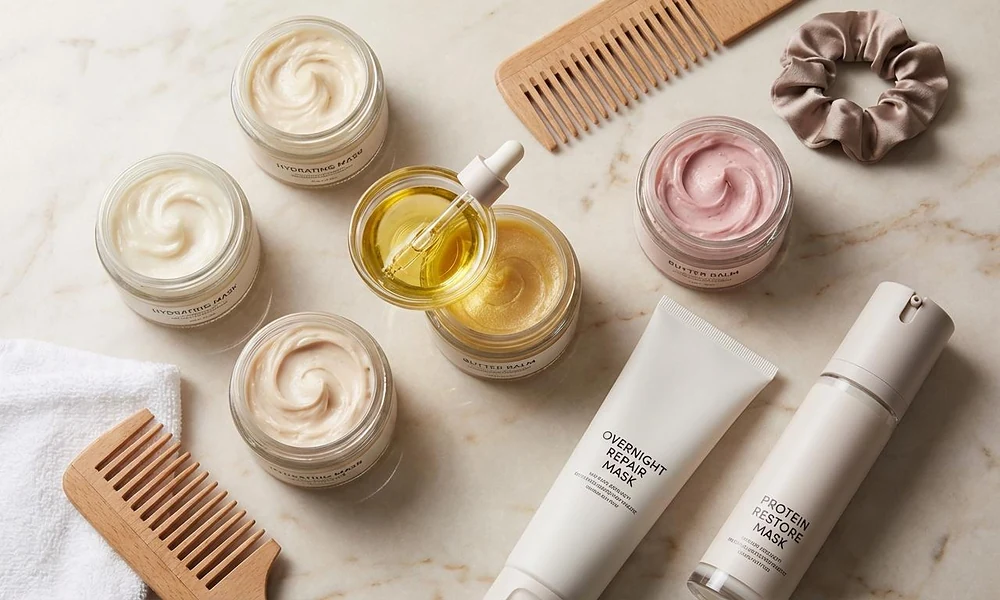
The best hair mask depends on what you want to improve. Start with your hair’s condition rather than choosing a product because it is popular or labelled as a repair treatment.
| Mask type | May help with | Ingredients or features to look for |
| Hydrating and conditioning | Dryness, roughness, and tangles | Glycerin, conditioning agents, suitable oils |
| Protein-based | Hair that feels weak or has been chemically processed | Hydrolyzed proteins, such as hydrolyzed keratin or wheat protein |
| Bond-building | Certain forms of chemical damage, especially from bleaching | Ingredients specifically designed for bond-related treatment |
| Lightweight conditioning | Fine hair that becomes flat with rich products | Lightweight conditioning agents and a texture that rinses clean |
| Color-care mask | Maintaining the feel and appearance of colored hair | Conditioning ingredients suitable for your color-treated hair |
These categories can overlap. A mask marketed for colored hair may also be hydrating, and a repair mask may contain both proteins and conditioning agents.
Hydrating Masks
Choose a hydrating or conditioning mask if your hair feels rough, looks dull, or tangles easily. Ingredients such as glycerin can help attract moisture, while oils and conditioning agents can improve softness and reduce friction.
Dry hair does not always need more oil. If your hair feels coated or greasy after a mask, try a lighter formula or use less product.
Protein-Based Masks
Protein treatments may help improve the feel and manageability of hair that has been bleached, chemically treated, or weakened by repeated styling.
More protein is not always better. If your hair becomes stiff, rough, or difficult to manage after repeated protein treatments, reduce their use and try a conditioning mask instead. These signs are not a diagnosis of protein overload, but they are a reason to reassess your routine.
Bond-Building Treatments
Some treatments are designed to address certain forms of damage associated with bleaching or other chemical processes. They are not all the same, and their benefits depend on the formula.
Do not assume that every product labelled “repair” or “bond-building” will restore damaged hair. Check what the product is intended to do and follow its instructions.
Masks for Fine, Curly, or Color-Treated Hair
Fine hair may need a lighter formula because rich products can reduce volume. Curly and coily hair may benefit from extra conditioning if it feels dry or tangles easily, but not every person with these textures needs a weekly mask.
For color-treated hair, choose a mask that suits your hair’s condition and is compatible with your coloring routine. A mask may improve softness and manageability, but it cannot prevent all color fading.
How Often Should You Use a Hair Mask?

There is no single schedule that works for everyone. The right frequency depends on the formula, your hair’s texture and condition, how often you wash it, and how your hair responds.
Use these suggestions as starting points, not strict rules:
- Dry or damaged hair: Try once a week if your regular conditioner is not enough.
- Fine hair: Start with occasional use, such as every one to two weeks, and watch for loss of volume.
- Curly or coily hair: Try a mask when your hair needs more conditioning, often weekly for some people.
- Color-treated hair: Use a mask when your hair needs extra softness or manageability, following the product instructions.
- Hair that already feels soft: You may not need a separate mask at all.
If your hair feels greasy, coated, flat, or unusually stiff after treatment, reduce the amount or frequency. If it still feels dry or tangles easily, review the formula and your overall routine instead of automatically adding more treatments.
How to Apply a Hair Mask Correctly

The product instructions should always come first because some masks are designed for use before shampooing, while others are applied after washing.
For a typical rinse-out mask, follow these steps:
- Wash your hair if instructed. Shampoo removes oil and buildup that may interfere with application.
- Remove excess water. Gently squeeze out water with your hands or a towel so the product is not immediately diluted.
- Apply to the recommended areas. For many conditioning masks, mid-lengths and ends need the most attention. Apply to your scalp only if the product is intended for scalp use.
- Distribute evenly. Use your fingers or a wide-tooth comb if suitable for your hair. Avoid pulling through knots.
- Leave it on for the stated time. Follow the label rather than assuming a longer treatment will work better.
- Rinse as directed. Rinse thoroughly unless the product is specifically designed to remain in the hair.
You do not need a warm towel or extra heat for every mask. Some products may recommend gentle warmth, but others do not require it. Never apply direct high heat unless the product instructions specifically allow it.
Cool water is not essential for sealing in a mask’s benefits. Comfortable water temperature and thorough rinsing are usually more important.
Common Hair Mask Mistakes

A few popular habits can make a mask less useful or harder to manage.
Using too much product: More is not necessarily better. Start with the amount recommended on the label and adjust for your hair’s length and thickness.
Leaving it on for hours: Unless the product is designed for extended use, leaving it on longer than directed is unnecessary and may cause irritation or leave buildup.
Applying a rich mask to the roots: This can make the hair near your scalp look flat or greasy. Keep it on the lengths unless the label says otherwise.
Using protein treatments too often: If your hair becomes stiff or rough, review how often you use protein-containing products and try a more conditioning formula.
Expecting a mask to repair split ends: A mask may temporarily smooth their appearance, but trimming is the reliable way to remove split ends.
Buying a mask before identifying the problem: Hair that feels dry, weak, coated, or tangled may need different care. First identify what you want to improve, then choose a formula.
Expert Tips for Better Results

- Judge your hair after rinsing and drying. A mask may feel slippery in the shower, but what matters is whether your hair is easier to manage once dry.
- Change one thing at a time. If you introduce several treatments together, it becomes harder to tell which one helps.
- Consider your whole routine. Frequent bleaching, high heat, rough brushing, and tight hairstyles can contribute to damage that a mask alone will not prevent.
- Do not confuse softness with repair. Hair may feel smoother without its underlying damage being reversed.
- Stop if irritation develops. Rinse the product out if it causes burning, itching, or a rash. Seek medical advice for persistent or severe symptoms.
Frequently Asked Questions
How often should I use a hair mask?
Start with once a week or less, depending on your hair and the product. Reduce use if your hair becomes flat or coated.
Do I use a hair mask before or after conditioner?
Most rinse-out masks are used after shampooing. You can usually skip regular conditioner if the mask provides enough conditioning.
Can I leave a hair mask on overnight?
Only if the product is specifically designed for overnight use. Leaving a regular rinse-out mask on longer is not automatically more effective.
Do hair masks help hair grow?
No. They do not directly stimulate hair growth, but conditioning may reduce breakage and help you retain length.
Which mask is best for bleached hair?
A conditioning mask may help with dryness and tangling. A suitable protein or bond-building treatment may help with other concerns, depending on the formula.
Can I use a hair mask every day?
Some lightweight treatments may allow frequent use, but many masks are intended for occasional use. Follow the label and watch how your hair responds.
Final Thoughts
A hair mask can be a useful part of your routine, but not everyone needs one. If your regular conditioner keeps your hair soft and manageable, adding another treatment may make little difference.
If your hair feels dry, tangles easily, or has been weakened by chemical treatments, choose a mask that addresses that specific concern. Follow the instructions, observe how your hair responds, and adjust your routine rather than assuming that more product means better results.
Disclaimer: This article provides general hair-care information, not medical advice. If you have persistent scalp irritation, unusual hair loss, or a reaction to a product, consult a qualified healthcare professional.









