

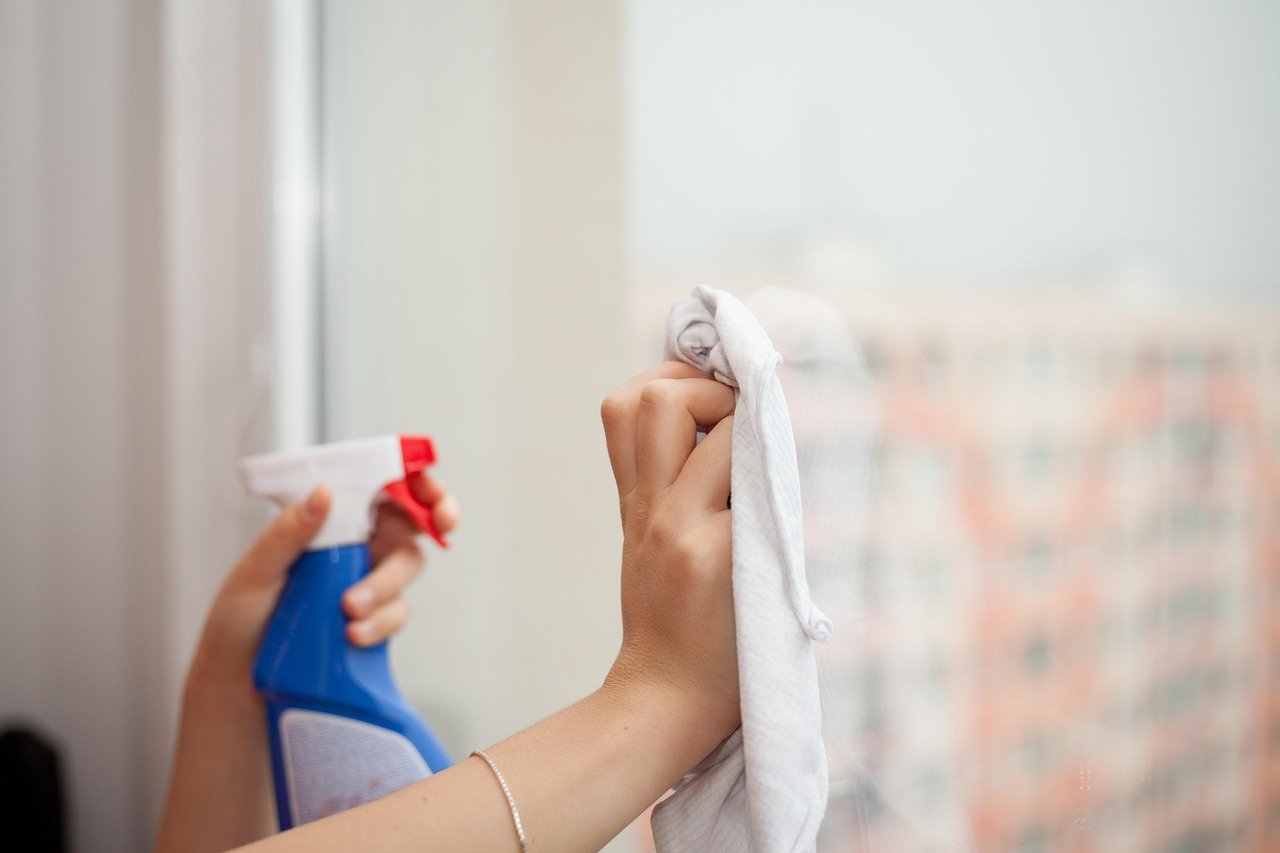
Why does a freshly cleaned window sometimes look worse than it did before you started? Smudges, a cloudy haze, tiny fibers stuck to the glass. It is one of the most annoying cleaning jobs in any home, and the culprit is rarely the glass itself. The problem is almost always the cleaner, the cloth, or the technique.
Glass cleaner looks like a simple product. It is water, a little detergent, and something to help it dry fast. Yet the shelves are packed with sprays, foams, concentrates, and “streak-free” promises, and most people have at least one bottle under the sink that never quite delivers. This guide breaks down what glass cleaners actually contain, how to use them properly, where the popular advice goes wrong, and how to choose a formula that suits your windows, mirrors, and screens.
What Is Glass Cleaner, Really?
A glass cleaner is a water-based mix of surfactants and solvents that lifts films and soil from a smooth, non-porous surface and then evaporates without leaving visible residue. That last part is the tricky bit. Glass shows every mark, so the formula has to clean effectively while disappearing completely. (Clean jokes for kids)
Most retail glass cleaners rely on a few key ingredients:
- Surfactants break the bond between dirt and glass so it can be wiped away.
- Solvents such as alcohol or ammonia speed up evaporation and cut through greasy films.
- Water carries everything and makes up the bulk of the bottle.
- Fragrances, dyes, and preservatives do little for cleaning but shape the experience.
Exact formulations are proprietary, so no two brands are identical. Two bottles that both claim “streak-free” can behave very differently on the same window.
Why Ammonia Keeps Showing Up
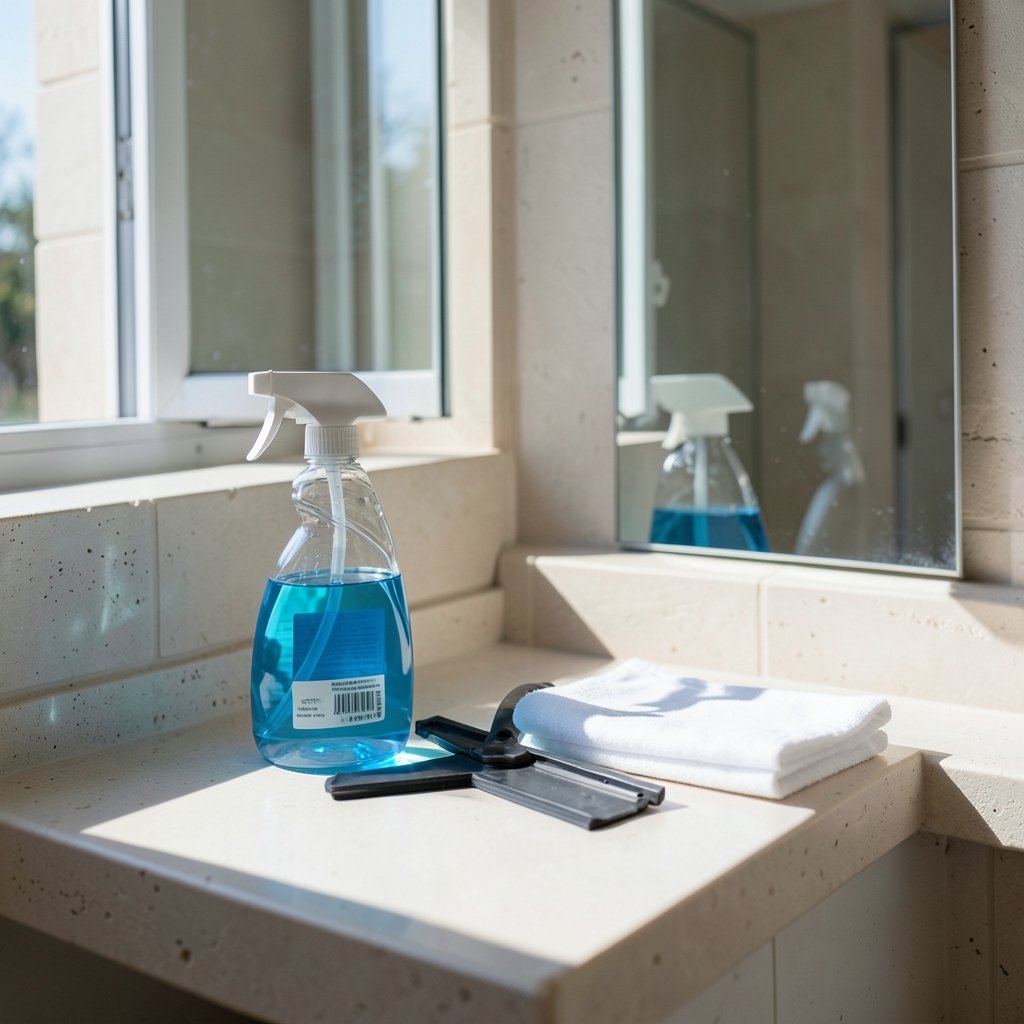
Ammonia, present as ammonium hydroxide in water, is the classic ingredient in blue glass cleaners. It cuts greasy fingerprints well and evaporates quickly, which helps prevent streaks. For years it was the default choice for windows and mirrors, and many people still swear by it.
The catch is safety. Aqueous ammonia is corrosive and an irritant to the eyes and respiratory tract. Concentrated solutions need ventilation and gloves, and the vapor can bother people with sensitive lungs. Occupational exposure limits for ammonia are set at 50 parts per million over an eight-hour shift for workplace settings, which tells you something about how seriously the chemical is treated in industrial contexts.
The bigger warning is mixing. Ammonia-based cleaners should never meet chlorine bleach. Combined, they can release chloramine gases, a recognized inhalation hazard. Public health guidance on home cleaning consistently warns against mixing products for exactly this reason. If you keep an ammonia spray under the sink, store it well away from bleach and never layer the two on the same surface.
The Vinegar Alternative: Good, With Limits
Diluted white vinegar is the most popular DIY glass cleaner, and for good reason. Acetic acid handles mineral films and hard-water spots well, costs almost nothing, and leaves no harsh fumes. A simple mix of one part white vinegar to one or two parts water in a spray bottle covers most household jobs.
But vinegar is not a universal replacement. It is weaker on oily soils like kitchen grease and fingerprint smears, where a surfactant-based cleaner has the edge. It can also damage some natural stone, certain metal finishes, and anything with a acid-sensitive coating. On tinted windows and screen coatings, test a small corner first. Vinegar is a solid tool, not a magic solution.
The Newspaper Myth and Other Bad Habits
The tip that newspaper leaves glass streak-free is repeated everywhere. It is largely folklore. Newsprint ink can smear, modern papers vary wildly, and there is no rigorous evidence that it outperforms a proper cloth. What actually works is lint-free microfiber.
Common mistakes that cause streaks include:
- Spraying directly onto the glass. The liquid runs, pools, and dries unevenly. Spray the cloth instead, or mist lightly from a distance.
- Cleaning in direct sunlight. The cleaner evaporates before you can buff it, leaving a haze. Work in shade or on a cool surface.
- Using too much product. A little goes a long way. Excess cleaner is the number one cause of cloudy film.
- Reusing a dirty cloth. A cloth loaded with grease just moves the film around. Swap to a clean, dry microfiber for the final buff.
- Skipping the edges. Frames, seals, and corners hold dust that migrates onto wet glass. Wipe them first.
A simple two-cloth method solves most of this. Use one slightly damp microfiber to clean, then a separate dry microfiber to buff. That final dry pass is what produces the clear, streak-free finish people chase with extra sprays.
Matching the Cleaner to the Surface
Not all glass is the same, and the same bottle should not be used everywhere. Here is how the main options compare.
| Surface | Best approach | Watch out for |
|---|---|---|
| Windows and patio doors | Ammonia or alcohol spray, or vinegar mix | Direct sun and excess product |
| Bathroom mirrors | Vinegar mix or alcohol spray | Over-spraying onto frames |
| Eyeglass lenses | Lens spray or mild soapy water, microfiber only | Paper towels and harsh cleaners |
| Phone and tablet screens | Dry microfiber, or a manufacturer-approved wipe | Ammonia and alcohol on coated glass |
| Shower glass | Vinegar for mineral film, then a squeegee | Acid damage to stone nearby |
| Car windows | Dedicated automotive glass cleaner | Interior tinted films |
Eyeglass lenses deserve a special note. Coatings on modern lenses are delicate, and the same aggressive formulas that cut kitchen grease can degrade anti-reflective layers over time. A gentle lens cleaner and a clean microfiber cloth are all most glasses need, and it pays to treat frames as carefully as the lenses. If you are also thinking about how your glasses look, a glasses style guide can help you pair a practical cleaning routine with frames that suit your face, while eyeglass fashion trends show how much the right pair shapes a look.
Reading the Label Like a Pro
Manufacturers are not required to list every ingredient on the front of the bottle, but the label still tells you a lot. Look for the active cleaning agents, check whether ammonia or alcohol is present, and note any warnings about ventilation or surfaces. In workplace settings, hazardous chemicals come with safety data sheets that spell out handling and exposure information, and those documents are a useful reminder that even everyday cleaners are chemicals worth respecting.
For readers who want a greener option, “natural” and “eco” claims are not uniformly regulated. The practical check is an ingredient list you can read and, where available, a recognized certification. Certification criteria change over time, so verify any logo against the certifying body’s current listing rather than trusting the bottle.
DIY vs. Store-Bought: An Honest Comparison
There is no rigorous head-to-head study proving DIY cleaners beat commercial ones or the reverse. What exists is practical experience, and it points to a split decision.
| Factor | DIY (vinegar or alcohol mix) | Store-bought spray |
|---|---|---|
| Cost | Very low | Moderate |
| Grease cutting | Weak to moderate | Strong |
| Mineral film | Strong (vinegar) | Moderate |
| Convenience | Requires mixing | Ready to use |
| Fumes | Mild | Varies, can be strong |
| Surface safety | Needs care on stone and coatings | Formulated for glass |
The honest answer is that both work when used correctly. A vinegar mix handles routine mirrors and hard-water spots. A commercial spray earns its place on greasy kitchen glass and large windows where speed matters. Many households end up keeping both.
How to Clean Glass So It Stays Clear
The technique matters as much as the product. A repeatable routine beats any single bottle.
- Dust first. Wipe frames, sills, and seals with a dry cloth so loosened dirt does not land on wet glass.
- Work top to bottom. Gravity pulls drips down, so start high and finish low.
- Mist the cloth, not the pane. A light, even application prevents pooling.
- Use overlapping passes. Slightly overlap each stroke to avoid missed strips.
- Buff with a dry microfiber. This is the step most people skip and the one that removes haze.
- Check at an angle. Look across the glass in raking light to catch streaks you would miss head-on.
For interior glass that collects fingerprints, such as mirrors and cabinet doors, a quick daily wipe with a dry microfiber keeps the job small. The same principle applies to other surfaces where a clean, natural finish matters. Readers who care about low-maintenance grooming and finish often find that natural nails: care, growth, and the clean look follows a similar logic: gentle products, consistent routine, and no harsh shortcuts. (60 Best Puns for Kids: Clean Jokes for the Whole Family)
Safety and Storage Basics
Glass cleaner is not dangerous when handled sensibly, but a few habits prevent accidents. Keep ammonia products away from bleach. Store all cleaners out of reach of children and pets. Ventilate bathrooms and kitchens while spraying. Never decant cleaners into unlabeled bottles, especially drink containers. And if a formula irritates your skin or eyes, stop using it and rinse thoroughly.
For anyone with respiratory sensitivity, alcohol-based or vinegar-based options are usually gentler than ammonia sprays. A well-ventilated room and a cloth-first application reduce airborne mist dramatically.
Choosing a Cleaner for Your Home
The best glass cleaner is the one that matches your surfaces and your habits. A household with lots of greasy kitchen glass will get more from a surfactant-rich spray. A home with hard water and mineral spotting will get more from vinegar. A household with coated lenses and screens needs a gentle, dedicated product and a supply of clean microfiber cloths.
Whatever you choose, buy fewer products and use them better. One good spray, one vinegar mix, and a stack of clean microfiber cloths will outperform a cupboard full of half-used bottles. That is the real secret behind a streak-free finish, and it has nothing to do with marketing claims.
Conclusion
Glass cleaner is a small product with a surprisingly large set of variables: formula, surface, technique, and safety. Understanding what is in the bottle, why ammonia and vinegar behave differently, and why the final dry buff matters more than the spray itself turns a frustrating chore into a quick, reliable routine. Skip the newspaper, respect the chemistry, and keep a clean microfiber within reach. Your windows will show the difference.
Frequently Asked Questions
Is glass cleaner the same as window cleaner?
Largely yes. The terms are used interchangeably for sprays designed to clean glass without leaving residue. Some “window” products are formulated for exterior grime and may be stronger, while “glass” cleaners are often gentler for interior mirrors and surfaces.
Can I use glass cleaner on eyeglasses?
Only if it is formulated for lenses. Standard household glass cleaners may contain ammonia or alcohol that can degrade anti-reflective coatings over time. A dedicated lens spray or mild soapy water with a clean microfiber cloth is safer for everyday eyewear.
Why does my glass look streaky after cleaning?
Streaks usually come from too much product, cleaning in direct sunlight, or skipping the final dry buff. Spray the cloth instead of the glass, work in shade, and finish with a separate dry microfiber cloth to remove any residue.
Is vinegar a good substitute for glass cleaner?
Vinegar works well on mineral film and hard-water spots and is cheap and low-fume. It is weaker on greasy soils and can damage some stone and metal finishes, so test first and keep a surfactant-based cleaner for kitchen glass.
Can I mix glass cleaner with bleach?
No. Ammonia-based cleaners combined with chlorine bleach can release chloramine gases, which are a serious inhalation hazard. Never mix cleaning products, and store ammonia and bleach separately.
How do I clean tinted or coated glass safely?
Use the gentlest option that works: mild soapy water or a dedicated cleaner approved for coatings, applied to a cloth rather than the glass. Avoid ammonia and abrasive pads, and test a small hidden area first.









