

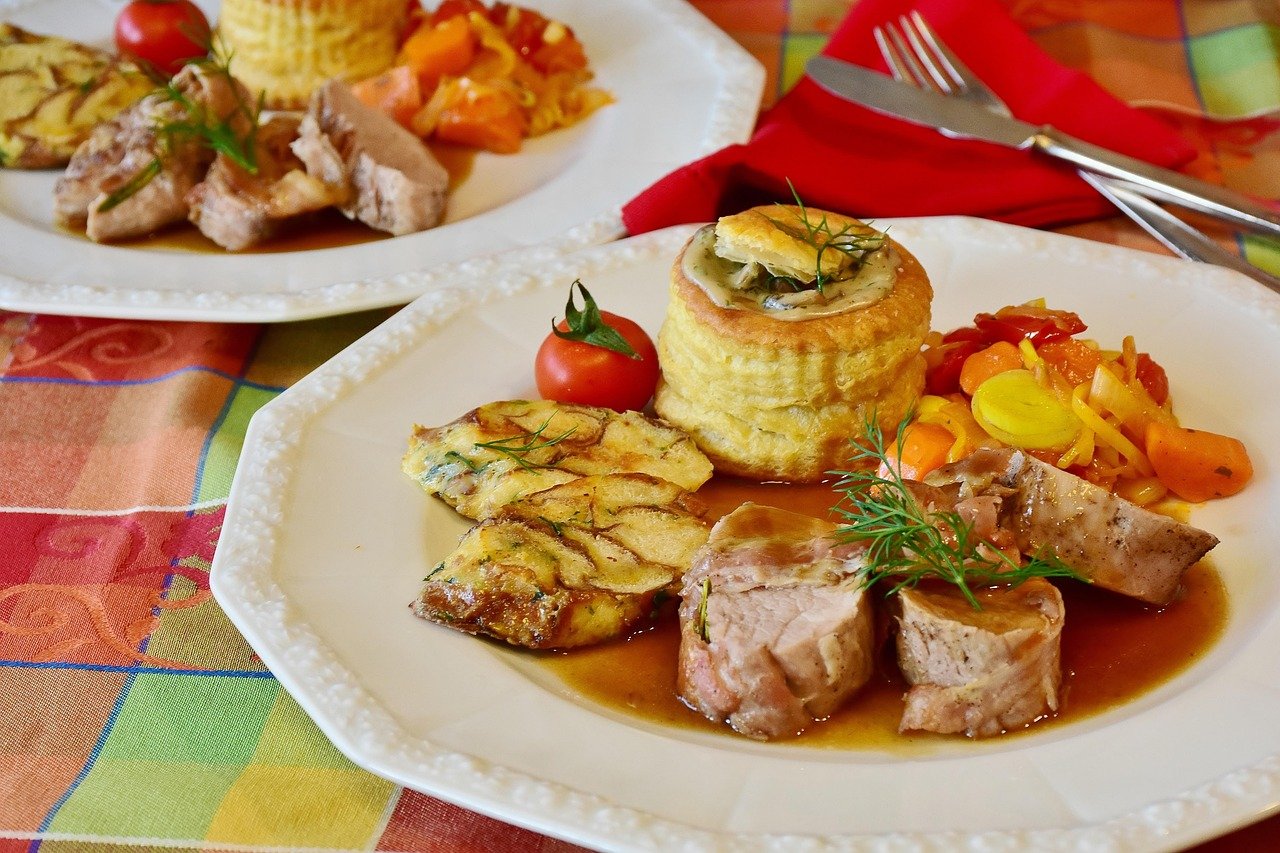
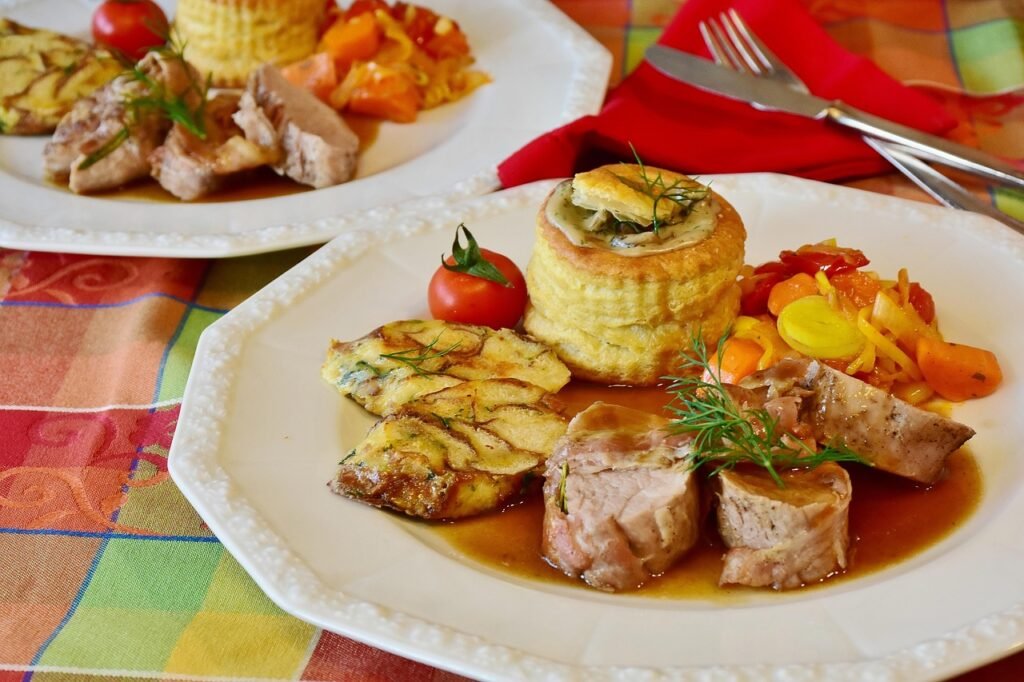
Can you put pork fillet in a crock pot and still get juicy meat? Yes, but only if you ignore the usual slow-cooker advice. Pork fillet, which most American cooks call pork tenderloin, is the leanest, thinnest cut on the animal. It is built for quick, high-heat cooking, not an eight-hour soak. Treat it like a pot roast and you will end up with sawdust.
That does not mean the slow cooker is off limits. It means the method needs adjusting. This guide covers what the cut actually is, why timing matters so much, the cooking methods that work, the mistakes that ruin dinner, and how to know the meat is safely done.
What Is Pork Fillet, Exactly?
Pork fillet is the British and Irish name for pork tenderloin. It is a long, narrow muscle that runs along the spine, usually weighing between 350 and 500 grams (roughly 12 to 18 ounces). It has almost no visible fat and a very fine grain.
It is not the same as pork loin. Loin is wider, larger and carries a fat cap, which is why it survives long cooking far better. This distinction matters because a reader searching for “pork fillet” may land on recipes written for loin, or even for fish fillets. If a recipe calls for a two-kilogram joint, it is not talking about tenderloin.
The cut’s leanness is the whole story here. It is one of the leanest pork cuts available, at roughly 120 calories and about 3 grams of fat per 100 grams raw. There is very little internal fat to baste the meat as it cooks, so any heat source that runs long and slow will pull moisture out faster than the meat can hold it.
Why the Crock Pot Is a Tricky Fit for This Cut
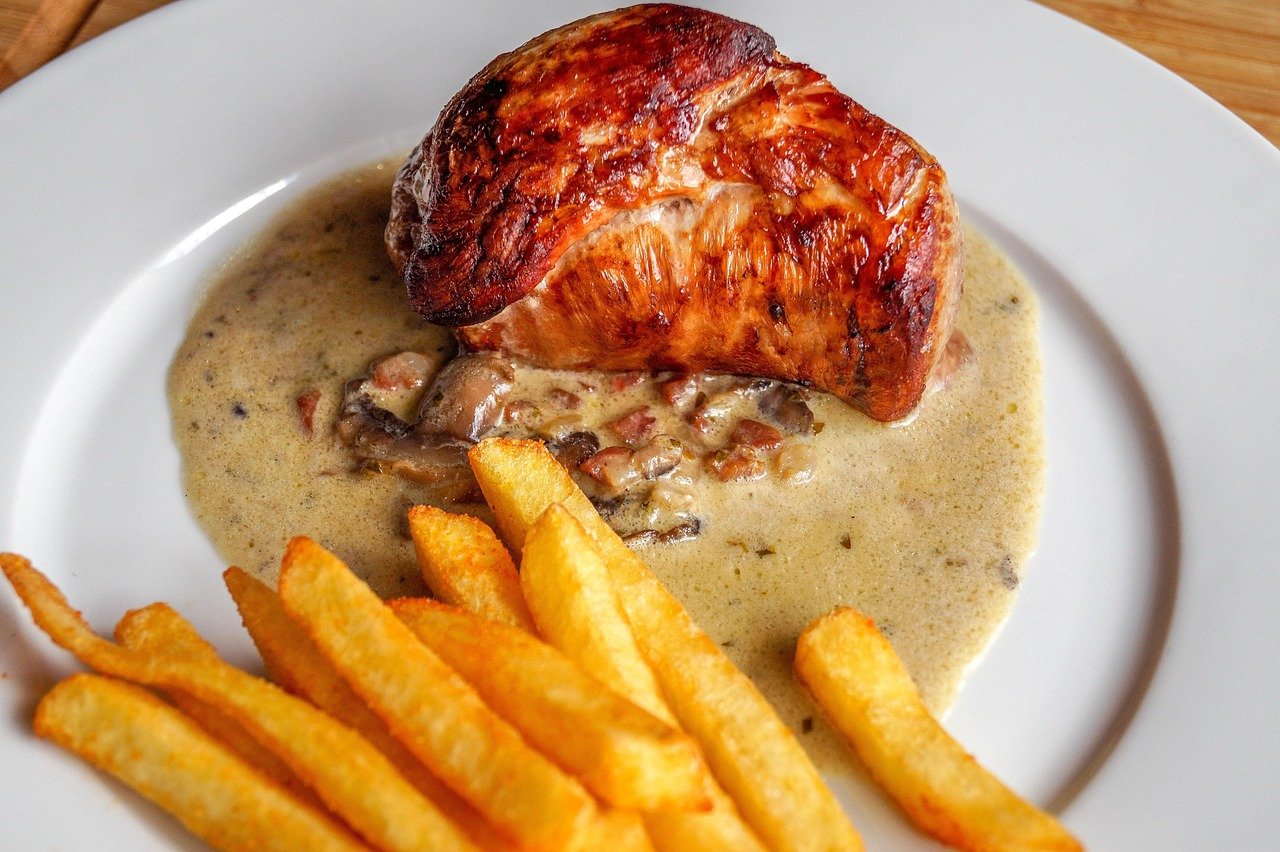
A standard slow cooker runs six to eight hours on low. That schedule is designed for collagen-rich cuts like shoulder, chuck or shin, where tough connective tissue slowly melts into gelatin and the meat becomes tender. Tenderloin has almost none of that connective tissue. There is nothing to break down. Long cooking simply squeezes moisture out of the muscle fibres.
General slow-cooker guidance for lean pork leans toward much shorter windows, roughly two to four hours on low, or switching to loin or shoulder if a full-day cook is the goal. These times are culinary guidance, not a fixed standard. Appliances vary widely in how hot they actually run.
So the honest answer is this: the crock pot can cook pork fillet well, but it works best as a short braise, not an all-day affair. If you want to leave the house for eight hours and come back to falling-apart pork, buy shoulder. If you want a tenderloin you can slice, stay close to the kitchen.
Food Safety: The Numbers That Actually Matter
Undercooked pork is associated with Salmonella and, historically, Trichinella, a parasite that is now rare in commercially raised pork in the United States. Proper cooking handles both.
Whole cuts of pork should reach a safe minimum internal temperature of 145 °F (63 °C), followed by a three-minute rest. This guidance has been in place since May 2011, when the recommended pork temperature was lowered from 160 °F. That change is why modern pork can be served slightly pink in the centre and still be safe.
Two slow-cooker safety habits are worth building in:
- Use a setting that brings the food to at least 140 °F within about two hours.
- Keep the lid on, and never use the “warm” setting to actually cook.
A digital instant-read thermometer is the single most useful tool here. It removes all guesswork, and for a lean cut like this, guesswork is expensive.
Method One: The Short Braise (Best Overall)
This is the approach that gives you sliceable, saucy pork with real flavour. It takes about two to three hours on low, or 90 minutes to two hours on high, depending on your appliance.
- Trim and pat dry. Remove the silvery membrane if it is still attached. Dry the surface well so it browns instead of steaming.
- Season generously. Salt, pepper, smoked paprika, garlic powder and fennel seed all work well. Pork fillet is mild, so it takes strong seasoning without complaint.
- Sear it first. Heat a heavy pan until it is properly hot, then brown the fillet on all sides, about two minutes per side. This step is optional but transforms the finished dish.
- Build a shallow bed of liquid. Pour in about 125 to 200 ml of stock, crushed tomatoes, cider or a mix. The liquid should come no more than a third of the way up the meat. This is a braise, not a boil.
- Add aromatics around, not on top. Onion, garlic, thyme, bay and sliced peppers belong beside the meat.
- Cook on low for two hours, then check. Start testing at the 90-minute mark with a thermometer. Pull it at 140 to 145 °F.
- Rest for five minutes, then slice. Carryover cooking continues after the meat leaves the pot, so resting evens out the doneness.
The result is a fillet you can cut into medallions with a sauce that needs nothing more than a spoon.
Method Two: The Foil or Parchment Parcel
If your slow cooker runs hot, or you want a bigger safety margin, wrap the seasoned fillet loosely in parchment and then foil, adding a spoonful of stock and a few slices of onion inside the parcel. Sit the parcel on the pot’s base, add a splash of water outside it, and cook on low for about two hours.
The wrapper traps steam and shields the surface from the dry heat of the pot. It is a forgiving technique and a good choice for anyone whose first attempt came out chalky.
Method Three: Shredded Pork Fillet for Tacos and Rice Bowls
Sometimes you want shredded meat, not slices. Tenderloin can do this, but it needs help. Cook it in a generous amount of sauce (a jar of salsa plus a splash of stock works well) for two and a half to three hours on low, then shred it with two forks while it is still hot. The sauce does the work that fat would normally do.
Be realistic about the texture. Shredded tenderloin is looser and less silky than shredded shoulder. It is excellent in a tortilla with lime and coriander; it is not going to win a barbecue contest.
What Goes Wrong, and How to Fix It
Most crock pot failures with this cut come down to a handful of repeat mistakes.
| Mistake | What Happens | The Fix |
|---|---|---|
| Cooking six to eight hours on low | Meat turns dry and stringy | Cap it at two to three hours and check early |
| Submerging the fillet in liquid | Flavour leaches out, texture goes mushy | Keep liquid to a third of the meat’s height |
| Skipping the sear | Pale, flat-tasting surface | Brown in a hot pan first, or use the sauté function |
| Cooking from frozen | Uneven doneness, unsafe temperature curve | Thaw fully in the fridge overnight |
| Slicing immediately | Juices run out onto the board | Rest five minutes before cutting |
| Using “warm” to cook | Food sits in the danger zone too long | Cook on low or high only |
One more practical note: slow cookers vary enormously. A modern multi-cooker on low may run considerably hotter than a 1990s crock pot. Treat every recipe time as a starting point and let your thermometer make the final call. This is especially true if you are adapting a recipe written for a different appliance.
Seasoning and Sauce Ideas That Suit Lean Pork
Because the meat is mild and lean, it pairs best with ingredients that bring moisture and acid.
- Cider and mustard. Apple cider, wholegrain mustard, a sliced onion and a few sprigs of thyme.
- Tomato and paprika. Crushed tomatoes, smoked paprika, garlic and a pinch of chilli.
- Citrus and oregano. Orange juice, lime zest, oregano and cumin for a Cuban-style feel.
- Mushroom and cream. Add a spoonful of crème fraîche at the end, off the heat, so it does not split.
A useful rule: if the sauce tastes slightly too sharp or too salty on its own, it will be about right once it meets the pork.
Choosing and Prepping the Meat
Look for a fillet that is uniform in thickness, pale pink, and firm to the touch. A darker, purplish tone usually means older meat. Check the sell-by date and buy from a counter you trust.
At home, remove the silvery sinew that runs along one side. It contracts during cooking and can curl the fillet. Slide a thin knife under it and pull it away in strips. If the fillet is very thick at one end, tuck the thin tail underneath and tie it with kitchen string so the whole piece cooks evenly.
If you are working with other pork cuts, note that cooking advice does not transfer neatly between them. A cut like 4c hair has nothing to do with pork, but the principle of matching technique to the material is the same: the wrong method for the raw ingredient always shows in the result. Likewise, a recipe built for a different cut, such as the row of tougher shoulder meat, will not behave the same way as a delicate fillet. And just as a fine-textured cut like 2b hair needs a gentler hand than coarse hair, a lean fillet needs a gentler, shorter cook than a fatty roast.
Serving Suggestions
Sliced medallions sit well on mashed potato, buttered noodles, polenta or rice. The braising liquid, reduced slightly in a pan, becomes a sauce worth spooning over everything. A sharp green salad or quick-pickled onions cuts through the richness of the sauce.
Leftovers keep in the fridge for three to four days. Reheat gently, covered, with a splash of stock, or eat them cold in a sandwich. Reheating hard in a dry pan will undo all your good work.
Conclusion
Pork fillet in a crock pot is not a contradiction, but it is a technique that rewards attention. The cut is lean, mild and quick-cooking, so the slow cooker has to be used as a short braise rather than an all-day bath. Sear it, keep the liquid shallow, cook it for two to three hours at most, and pull it at 145 °F. Do that, and you get tender, sliceable pork with a sauce built in. Skip those steps, and you get the dry, stringy result that gives slow-cooked lean pork a bad name. Match the method to the meat, and the crock pot earns its place on the counter.
Frequently Asked Questions
Can you cook pork fillet in a crock pot without drying it out?
Yes, if you keep the cooking time short. Cook it on low for about two hours, check the temperature early with a digital thermometer, and remove it at 140 to 145 °F. Lean cuts dry out when they are cooked far past that point, so the timer is less important than the reading.
How long should pork fillet cook in a slow cooker?
Roughly two to three hours on low, or 90 minutes to two hours on high, depending on the appliance. Start checking at 90 minutes. Slow cookers vary a lot in real-world temperature, so treat any recipe time as a guide rather than a guarantee.
Is pork fillet the same as pork tenderloin?
Yes. Pork fillet is the British and Irish term for the same long, thin muscle Americans call pork tenderloin. It is not the same as pork loin, which is larger, wider and carries a fat cap that helps it survive longer cooking.
What internal temperature should pork reach?
Whole cuts of pork should reach a safe minimum internal temperature of 145 °F (63 °C), followed by a three-minute rest. That guidance has applied since May 2011, when the recommended temperature was lowered from 160 °F. Modern pork can be slightly pink in the middle and still be safe.
Can I put a frozen pork fillet in the crock pot?
It is not recommended. Frozen meat cooks unevenly in a slow cooker and can spend too long in the temperature range where bacteria multiply. Thaw it fully in the fridge overnight first. Slow cookers should also reach at least 140 °F within about two hours of starting.
What if my pork fillet already came out dry?
Shred it while warm and fold it into a sauce with some stock, tomato or crème fraîche. The moisture will partly rescue the texture, and it works well in tacos, pasta or rice bowls. Next time, shorten the cook time and use a thermometer rather than the clock.









