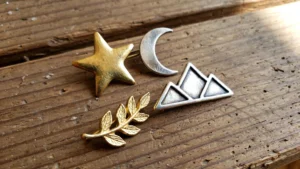
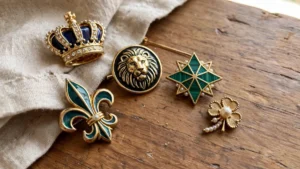
Gold vs Silver Lapel Pins 2027: 9 Comparisons That Matter
A lapel pin is a small detail, but it is often the detail people notice first. It sits at chest height, right where the eye lands in a conversation, and it says something about the person wearing it before a word is spoken. Gold and silver are the two metals most people choose, and they send very different signals, even when the pin itself is the same size and shape.
Gold is warm, rich and traditional. It suits evening wear, weddings and occasions where a little ceremony is welcome. Silver is cool, clean and understated. It works easily with business suits, grey tailoring and daytime events, and it rarely looks out of place. Neither metal is better in every situation, which is why the choice is worth thinking through rather than leaving to habit.
Below are nine comparisons that matter in 2027, covering colour, formality, matching, care, comfort, price and longevity. Each one is explained plainly, with the strengths and the drawbacks of both metals, so you can choose the pin that fits your wardrobe, your skin and the occasion in front of you.
Key takeaways
- Gold lapel pins are warm and eye-catching, best for evenings, weddings and warm skin tones, while silver pins are cooler and more understated, best for business and daytime wear.
- Match the pin metal to your watch, belt buckle and other jewellery, so the metals do not compete with each other.
- Gold-plated pins look rich but wear through with heavy use, while solid silver tarnishes and needs regular polishing.
- A small, simple pin is the safest choice for a first purchase, and it works with more outfits than a large or ornate one.
- No lapel pin suits every occasion, and a pin that is too large, too bright or too heavy can pull at the lapel and spoil the line of a jacket.
What gold and silver lapel pins actually are
A lapel pin is a small decorative pin worn on the lapel of a jacket, usually through the buttonhole or clipped to the fabric. It can be a simple metal bar, a small stud, a floral design or a miniature emblem, and it is held in place by a post and clutch, a screw back or a magnetic fitting. The metal is what gives the pin its colour, its weight and much of its character.
Gold lapel pins are usually made from gold-plated brass or stainless steel, or from solid gold in higher-priced pieces. The plating gives a warm yellow tone that catches light easily,. Silver pins are usually made from sterling silver, silver-plated metal or stainless steel with a silver finish. Sterling silver has a soft, cool shine, while stainless steel is harder, brighter and much easier to care for.
The two metals also age differently. Gold plating wears thin over time, especially on the edges and the back of the pin, and once the base metal shows through, the pin looks tired. Silver tarnishes, which means it slowly darkens in air, but tarnish can be polished away, so a silver pin can be brought back to life many times over its life.
How we chose these comparisons and what to look for
We looked at how each metal behaves in real wear, not just how it looks in a photograph. Colour, weight, durability, care and price all matter, because a pin you never wear is a waste of money, however handsome it is in the box. We also looked at how each metal works with the rest of an outfit, since a lapel pin is never worn on its own.

Look first at the metal and the finish. A polished finish reflects more light and reads as dressier, while a brushed or matte finish is quieter and suits daytime wear. Check the back of the pin too. A secure clutch or screw back matters more than it seems, because a pin that works loose in a pocket or on a train is easily lost. If you wear ties often, a silk tie in a complementary tone will help the pin sit naturally, since the pin and the tie share the same small patch of chest.
Look next at size and weight. A pin between one and two centimetres across suits most lapels. Anything much larger dominates the jacket and can drag the lapel down, especially on lighter fabrics. Hold the pin before you buy it if you can.
The 9 comparisons that matter in 2027
Colour and warmth against skin
What we like: Gold brings warmth to the face and suits warm skin tones, olive skin and darker complexions beautifully. Silver brings a cool, clean light that flatters fair skin and cooler undertones. What to consider: Gold can look too yellow against very pale skin, and silver can look washed out against very warm skin. Best For: Gold for warm undertones, silver for cool undertones. Material: Gold-plated brass or solid gold; sterling silver or stainless steel. Price Range: Gold-plated pins from around £15 to £80; silver pins from around £15 to £120. Standout Feature: Gold glows in candlelight and evening light; silver stays crisp in daylight.
Formality and occasion
What we like: Gold reads as ceremonial and celebratory, which makes it a natural choice for weddings, black tie and evening events. Silver reads as neat and professional, which makes it easy to wear to work, interviews and daytime formal events. What to consider: A large gold pin can look overdressed at a business meeting, and a plain silver pin can look too quiet at a wedding. Best For: Gold for evenings and celebrations; silver for the office and daytime. Material: Polished gold for formal nights; brushed silver for working days. Price Range: Formal gold pins from around £40; everyday silver pins from around £20. Standout Feature: Gold carries a sense of occasion; silver carries a sense of control.
Matching a watch and other jewellery
What we like: Matching metals across a watch, cufflinks, belt buckle and lapel pin gives an outfit a finished, deliberate look. A gold pin with a gold watch looks intentional; a silver pin with a steel watch looks equally so. What to consider: Mixing gold and silver can work, but it needs confidence and a clear reason, and it is easy to get wrong. Best For: Anyone who wears a watch or cufflinks daily. Material: Match gold pins to gold or warm-toned watches; silver pins to steel or white-gold watches. Price Range: A matching set is not required; one pin in the right metal is enough. Standout Feature: Consistent metal is the quickest way to look polished.
Matching a suit and shirt
What we like: Gold sits beautifully against navy, charcoal, deep green and black, where its warmth stands out without shouting. Silver sits beautifully against grey, light blue, pale pink and white, where its coolness feels fresh. What to consider: Gold can clash with a very cool grey suit, and silver can disappear against a very dark navy one. Best For: Gold with navy and dark suits; silver with grey and light suits. Material: Warm gold tones for dark wool; bright silver for lighter fabrics. Price Range: No extra cost; this is about choosing well, not spending more. Standout Feature: The right metal makes the suit colour look richer.
Durability and everyday wear
What we like: Solid gold and stainless steel are both hard-wearing, and a well-made pin in either metal will last for years of regular wear. Silver is softer, so it can pick up small scratches, but those marks are easy to polish out. What to consider: Gold plating is the weak point. Thin plating wears through on the edges within a year or two of daily wear, and it cannot be repaired cheaply. Best For: Daily wear in stainless steel or solid gold; occasional wear in gold-plated or sterling silver. Material: Stainless steel for everyday; solid gold or sterling silver for best. Price Range: Stainless steel pins from around £15; solid gold pins from several hundred pounds. Standout Feature: Stainless steel is the most forgiving metal for daily use.
Tarnish, care and cleaning
What we like: Gold does not tarnish, so a gold pin stays bright with little more than a wipe. Silver tarnishes, but a silver polishing cloth brings it back in a minute, and the ritual is simple once you know it. What to consider: Silver left unworn in a drawer will darken, and gold plating that is cleaned too hard can wear away faster. Best For: Low-maintenance wearers in gold; those happy to polish occasionally in silver. Material: Gold-plated or solid gold for no tarnish; sterling silver for polishable shine. Price Range: A polishing cloth costs a few pounds and lasts for years. Standout Feature: Gold needs almost no care; silver rewards a little care.
Weight and how it feels on the lapel
What we like: Silver is lighter than gold by volume, so a silver pin of the same size feels a little lighter on the lapel. A light pin stays in place and does not pull the fabric, which matters on fine wool or linen. What to consider: Solid gold is dense and heavy, so a large gold pin can drag a light lapel down and leave a small hole over time. Best For: Light fabrics in silver or hollow-backed gold; heavy wool in either metal. Material: Sterling silver or hollow gold for light jackets; solid metal for heavy coats. Price Range: Weight does not always follow price; check the pin in your hand. Standout Feature: A pin you forget you are wearing is the right weight.
Price and value over time
What we like: Good silver and stainless steel pins are affordable, and a well-chosen one can be worn for years, which makes the cost per wear very low. Solid gold pins cost far more, but they hold their material value and can be kept for decades. What to consider: Gold-plated pins are the worst value over time, because the plating wears out and the pin cannot easily be restored. Best For: Best value in stainless steel or sterling silver; long-term value in solid gold. Material: Stainless steel from around £15; sterling silver from around £40; solid gold from several hundred pounds. Price Range: Expect to pay more for solid metal than for plating. Standout Feature: Solid metal, in either colour, is the better long-term buy.
Resale and longevity
What we like: Solid gold holds its value because the metal itself is worth something, and a well-kept gold pin can be sold or passed on. Sterling silver also has scrap value, though it is much lower. What to consider: Plated pins have almost no resale value, and fashion-led designs lose value faster than simple, classic ones. Best For: Heirlooms and gifts in solid gold; everyday style in silver. Material: Solid gold for resale; sterling silver for modest value; plated metal for no resale. Price Range: Resale follows the metal price, not the brand name. Standout Feature: Simple solid-gold pins are the easiest to pass on.
Which lapel pin is right for you
Start with your skin tone and your wardrobe. If your skin is warm and your suits are mostly navy or charcoal, gold will flatter you and fit your clothes. If your skin is cool and your suits are mostly grey or light blue, silver will do the same. That single check answers the question for most people.
Then think about your watch and your other jewellery. A luxury watch in gold or steel is the anchor of the outfit, and the pin should match it. If you wear a gold watch, a gold pin is the natural partner. If you wear steel, silver is. When in doubt, match the watch and the rest will follow.
Finally, think about how often you will wear the pin. For daily wear, choose stainless steel or sterling silver in a small, simple design that can take knocks. For weddings and evenings, choose gold, and accept that it is a special-occasion piece.
The caveats that matter
A lapel pin is a small accessory, but it can go wrong in ways that are hard to ignore. A pin that is too large, too heavy or too bright will draw the eye away from your face and towards your chest, which is the opposite of what a good accessory should do.
| Detail | What is known |
|---|---|
| Best for warm skin | Gold; it adds warmth and suits olive and darker complexions |
| Best for cool skin | Silver; it stays crisp and flatters fair, cool undertones |
| Most formal | Gold, for evenings, weddings and black tie |
| Most versatile for work | Silver, for business suits and daytime formal events |
| Tarnish | Gold does not tarnish; silver tarnishes but polishes clean |
| Weak point | Gold plating wears through; silver scratches more easily |
| Best long-term value | Solid gold, then sterling silver; plated pins have little resale value |
| Who should be careful | Anyone with a nickel allergy should check the base metal first |
If you have sensitive skin or a metal allergy, check the base metal before you buy. Some plated pins use a nickel base, which can irritate skin where the pin touches the neck or jaw. Solid sterling silver, solid gold and stainless steel are usually safer, but the only way to be sure is to ask the seller what the pin is made from.
Checklist: choosing a gold or silver lapel pin honestly
Use these checks before you buy, and again before you wear the pin to an important event.
- Check your skin tone in daylight: warm undertones suit gold, cool undertones suit silver.
- Check your watch: match the pin metal to the watch, belt buckle and cufflinks.
- Check the size: one to two centimetres across suits most lapels and most jackets.
- Check the weight: pin it to the lapel and walk around; it should not pull or drag.
- Check the back: a secure clutch or screw back is worth more than a pretty front.
- Check the metal: solid metal lasts; thin plating wears through and cannot be repaired cheaply.
Frequently asked questions
Can I wear a gold lapel pin with a silver watch?
You can, but it takes confidence. A small gold pin with a steel watch looks deliberate if the rest of the outfit is simple, but most people find matching metals easier and more polished.
Do gold lapel pins tarnish?
Solid gold does not tarnish. Gold-plated pins do not tarnish either, but the plating itself wears thin over time, which can look similar to tarnish. A gentle wipe with a soft cloth is all a gold pin usually needs.
How do I clean a silver lapel pin?
Use a silver polishing cloth, with light, straight strokes, and avoid liquid dips unless the maker recommends them. Store the pin in a sealed pouch between wears, and it will tarnish far more slowly.
How big should a lapel pin be?
One to two centimetres across is right for most lapels. A pin larger than that can dominate the jacket, and a pin much smaller can look lost. The width of your lapel is a good guide; the pin should never be wider than the lapel itself.
Can I wear a lapel pin every day?
Yes, if you choose the right metal. Stainless steel and sterling silver stand up well to daily wear, while gold-plated pins are better kept for occasions. A guide to buying a tie makes the same point about accessories in general: the pieces you wear daily should be the most durable ones you own.
Are lapel pins suitable for women?
Yes. Lapel pins work on blazers, coats and tailored jackets for anyone, and the same rules apply: match the metal to your jewellery, keep the size modest, and let the pin finish the outfit rather than lead it.
The bottom line
The choice between gold and silver is less about which metal is better and more about which one fits you. Gold brings warmth, ceremony and a sense of occasion, and it suits warm skin, dark suits and evenings. Silver brings coolness, neatness and versatility, and it suits cool skin, grey suits and working days. Both can look superb when they match the wearer, the watch and the outfit.
Buy one good pin in the metal that suits you best, in a small, simple design, with a secure back and solid metal where you can afford it. That is how a lapel pin earns its place, not by being the brightest thing in the room, but by making the rest of the outfit look considered.