

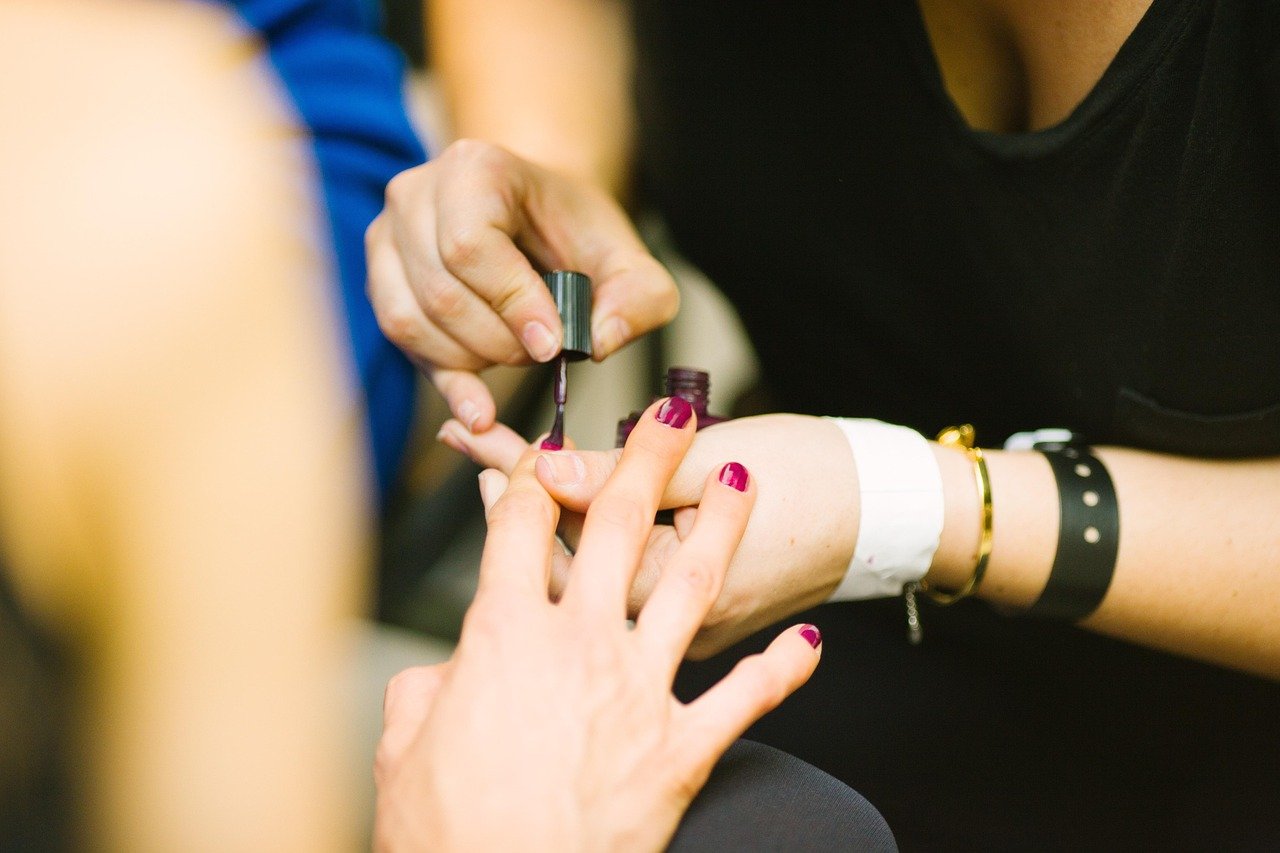

When was the last time you really looked at your hands? Not a glance while typing or a quick check for smudges, but a proper look at the skin, the cuticles, and the nails themselves. Most people spend more time choosing a hand soap than understanding what their hands go through in a single day. They open packages, wash dishes, grip steering wheels, scroll phones, and shake hands, all before lunch. That constant contact with the world makes hands the hardest-working and most exposed part of the body, and yet they usually get the least attention in any beauty or health routine.
This guide takes a practical look at hand, touch and nail care as one connected system. It covers what healthy hands and nails actually need, which habits cause the most damage, how touch itself affects wellbeing, and what genuinely works when you are standing in the pharmacy aisle trying to choose between ten nearly identical hand creams.
Why hands and nails deserve a real routine
The skin on the back of your hands is thin, has few oil glands, and takes a beating from water, soap, and sun. That combination makes it one of the first places to show age and one of the easiest places to develop irritation. Nails sit at the end of the chain, and they reflect what is happening further up: dry skin, repeated wet-dry cycles, harsh chemicals, and poor nutrition all show up in the nail plate eventually.
A simple routine does not need to be complicated. It needs to be consistent. Washing hands properly, drying them fully, moisturising after every wash, and leaving cuticles alone covers most of the ground. Everything else is refinement.
The foundation: washing without wrecking your skin
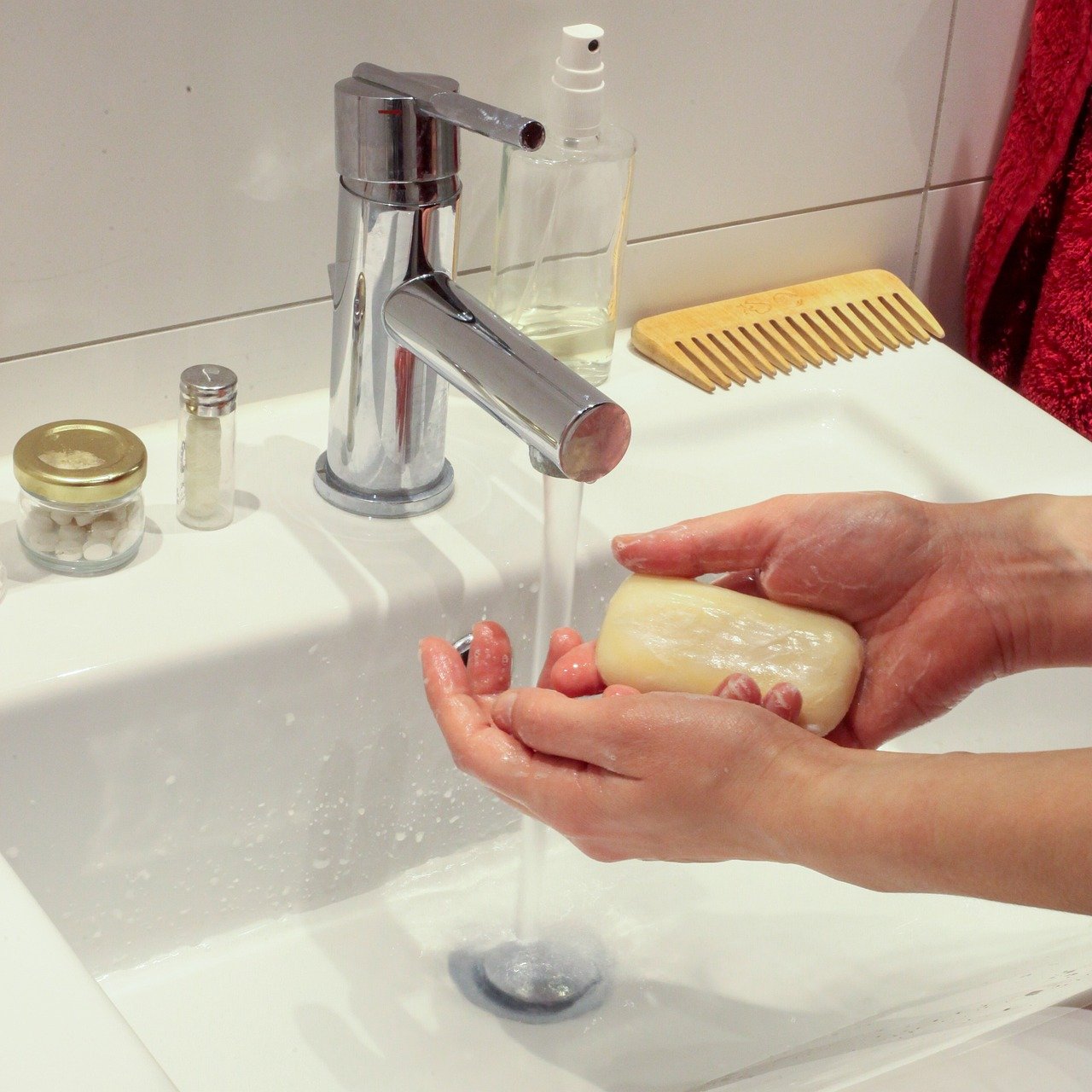
Hand hygiene is not negotiable, but the way most people wash does more damage than they realise. Washing removes oils along with dirt, and frequent washing without replacement moisture leads to dryness, cracking, and eventually irritation.
The practical rules are simple. Wet hands first, apply soap, and scrub all surfaces, including between the fingers, the backs of the hands, the thumbs, and under the nails, for at least 20 seconds. Rinse thoroughly and dry with a clean towel, patting rather than rubbing. The under-nail area matters more than most people think, because that is where debris and microorganisms collect.
A common mistake is using very hot water because it feels more cleansing. It is not. Hot water strips oils faster and leaves skin tight and vulnerable. Lukewarm water does the job just as well with far less damage. Another mistake is skipping the dry step. Damp hands that air-dry lose moisture and can become chapped, especially in winter.
Soap choice matters less than technique, but it does matter. Plain liquid soap is generally kinder than heavily fragranced or antibacterial varieties for everyday use. Antibacterial soap is not necessary for routine home handwashing and can be more drying.
Moisturising: timing beats product
If there is one habit that separates good hand care from mediocre hand care, it is moisturising at the right moment. That moment is within a minute or two of washing, while the skin is still slightly damp. Applying cream to bone-dry skin traps less water and feels greasy rather than absorbed.
Hand creams fall into a few broad categories, and matching the formula to the situation makes a real difference.
| Situation | Best formula type | Why it works |
|---|---|---|
| Frequent washing during the day | Light lotion with glycerin or urea | Absorbs fast, no greasy residue on keyboards or phones |
| Very dry or cracked skin | Rich cream with shea butter or petrolatum | Creates a seal that slows water loss |
| Overnight repair | Thick ointment or balm | Long contact time allows deeper hydration |
| Working with water or chemicals | Barrier cream before exposure | Reduces direct contact with irritants |
A trick that costs nothing: keep a tube next to every sink and one in your bag. Convenience drives consistency, and consistency is what actually repairs skin. For hands that are already cracked, a thick layer of ointment under cotton gloves overnight works better than any daytime product, because it gives the skin hours of uninterrupted repair.
Nail anatomy in plain terms
Understanding the basic structure of a nail makes care decisions much easier. The visible nail plate is made of keratin and grows from the matrix, a tissue tucked under the skin at the base of the nail. The cuticle, or eponychium, is the thin seal of skin where the nail meets the finger. That seal keeps bacteria and irritants out of the space between plate and skin.
Fingernails grow roughly 3 mm per month, and the plate on a hand is about half a millimetre thick. Growth slows with age, cold weather, and poor circulation. This is why a nail that has been damaged takes months to grow out completely, and why patience is genuinely part of nail care. Nothing you apply to the surface will speed growth dramatically, despite what marketing suggests.
Cuticle care: the biggest mistake people make
If there is one piece of advice worth repeating, it is this: stop cutting your cuticles. The cuticle is a barrier. Cutting it opens a doorway for infection, and over time it can make the nail fold look ragged and inflamed. Many people who cut their cuticles regularly find they “have to” keep doing it because the skin grows back harder and more visibly. That cycle is created by the habit itself.
What works instead is softening and pushing back. After a shower or a soak, when the skin is soft, gently push the cuticle back with a wooden stick or a rubber-tipped tool. Never force it. Then moisturise, ideally with something containing urea or lactic acid, which helps soften rough skin over time. If a hangnail appears, trim only the loose skin with clean clippers rather than pulling it.
Shape, length and the care that follows
Nail shape is mostly preference, but it has practical consequences. Square shapes with sharp corners catch and chip more easily. Rounded shapes are more durable for people who work with their hands. For those who want a specific look, the almond nails guide explains how shape affects strength and daily wear.
Length matters too. Longer nails look elegant but collect more debris underneath and are more prone to lifting and breaking. Many people find that a shorter length is easier to keep clean and far more practical. If that appeals, the short nails guide covers designs and care for a shorter shape.
Filing technique is where a lot of damage happens quietly. Filing back and forth in a sawing motion weakens the free edge and causes peeling. Filing in one direction, from the side toward the centre, produces a smoother edge that lasts longer. Always file after cutting, never instead of it, and never file wet nails if you can avoid it, since wet nails are softer and more prone to splitting.
Protecting the nail plate from products
Gel and builder gel manicures are popular because they last, but they come with care requirements. Removal is the critical step. Picking or peeling gel off takes layers of the natural nail with it, leaving the plate thin and sensitive. Proper soaking and gentle removal protect the nail underneath.
For anyone considering these services, the builder gel nails guide explains the types, benefits, and aftercare in more detail. The general rule is to give nails a break between sets, keep them moisturised, and avoid using them as tools for opening cans or scraping labels. Nails are not screwdrivers, and treating them like one is the fastest route to a break.
When nails change colour or texture
Nail changes are common and usually harmless, but some deserve attention. Yellowing can come from polish staining, aging, or fungal infection. It is worth knowing the difference, and the yellow nails guide covers both the cosmetic and medical causes along with stain care.
Fungal infection is frequently misdiagnosed by the person who has it. Many nail conditions look alike, and treatment for fungus is long, so confirmation before starting is sensible. A clinician can test a sample rather than guessing. Similarly, redness, swelling and tenderness around the nail fold can signal paronychia, an inflammation that is often bacterial after minor trauma or nail biting, or irritant-related in people whose hands are frequently wet.
Nail biting is another habit worth naming. It is classified as a body-focused repetitive behaviour, and it damages both the nail and the surrounding skin, raising infection risk. Habit reversal techniques, bitter coatings, and keeping nails short and filed smooth all help, but the most effective approach is usually addressing the trigger, whether that is stress, boredom, or an uneven nail edge that invites picking.
Touch: the sense people forget to care for
Hand care is not only about appearance. Touch is the sense that connects people, and hands are the instrument. Holding a hand, a hug, a handshake, a hand resting on a shoulder: these small contacts carry real weight. Research on touch consistently finds that affectionate physical contact reduces stress and improves a sense of connection, which is one reason massage and hand-holding feel so grounding.
There is a practical side to this too. Rough, cracked hands make people self-conscious, and self-consciousness reduces spontaneous touch. When hands feel good, people use them more freely. That is a small but genuine reason to keep up with care: it is not vanity, it is comfort in your own skin.
Hands at work: occupational care
People whose jobs involve water, cleaning products, food preparation, or frequent glove use are at higher risk of irritant contact dermatitis. The pattern is predictable: dryness, then redness, then cracking, then soreness. Prevention is far easier than repair.
Practical measures that work:
- Use gloves for wet work and cleaning, but take them off for long enough to let skin dry.
- Apply a barrier cream before shifts that involve repeated exposure.
- Moisturise after every hand wash, rather than only at the end of the day.
- Switch to a gentler soap if skin is already irritated.
- Dry hands thoroughly, including between fingers, before putting gloves back on.
The mistake people make is waiting until hands are painful before acting. Once skin is cracked, everything stings, and healing takes weeks rather than days.
Natural nails and the clean look
There is a growing preference for a bare or near-bare nail, and it is a look that depends entirely on condition rather than product. Natural nails that are well shaped, clean underneath, and surrounded by moisturised skin look polished without any polish at all. The natural nails care guide covers growth and maintenance for exactly this approach.
The essentials are unglamorous: keep nails clean underneath, file regularly to prevent snags, moisturise the nail plate and cuticle with oil, and protect hands from harsh chemicals. A drop of cuticle oil worked into each nail at night takes thirty seconds and makes a visible difference within a couple of weeks.
Seasonal shifts and special occasions
Hands and nails respond to weather. Cold air and indoor heating pull moisture from skin, which is why hands chap more in winter. The winter nails guide covers seasonal care in more depth, but the short version is richer moisturiser, gloves outdoors, and more frequent application.
For weddings and events, timing matters as much as style. Nails need to be shaped and conditioned in the weeks before, not the night before. The wedding nails guide lays out a sensible timeline covering styles, shapes, and preparation, which is useful for anyone planning around a fixed date.
Common mistakes worth avoiding
Some habits quietly undermine everything else. Using nails as tools tops the list. So does over-filing, which thins the free edge until it bends and peels. Cutting cuticles, as covered above, creates more problems than it solves. Skipping moisturiser because hands feel fine is another, since dryness accumulates before it becomes visible. And treating every nail change as a cosmetic issue rather than checking persistent discolouration, thickening, or separation with a clinician is the mistake with the highest stakes.
Conclusion
Hand, touch and nail care comes down to a handful of habits repeated often enough to matter. Wash with lukewarm water and dry properly. Moisturise while skin is still damp. Leave cuticles alone and soften them instead of cutting. File in one direction, keep nails clean underneath, and stop using them as tools. Protect hands from chemicals and weather, and pay attention when a nail changes persistently rather than hoping it resolves on its own.
None of this requires expensive products or a complicated routine. It requires a little attention, a tube of cream near every sink, and the patience to let nails grow out at their own pace. Hands do a great deal for their owners. A few minutes of care a day is a fair return.
How often should you moisturise your hands?
After every hand wash is ideal, and at minimum three to four times a day. People who wash frequently or work with water should apply cream more often, especially before bed, when a thicker layer has hours to absorb without being washed off.
Is it bad to cut your cuticles?
Generally yes. The cuticle seals the gap between nail and skin and acts as a barrier against infection. Cutting it opens that barrier and often makes the skin grow back rougher. Softening and gently pushing back is the safer approach.
Why do my nails keep breaking?
The most common causes are over-filing, filing back and forth, using nails as tools, dryness, and repeated wet-dry cycles without moisturiser. Nail plate thickness also matters, and thin nails break more easily. Keeping nails shorter and moisturising the plate and cuticle regularly usually improves strength over a few weeks.
Can hand cream strengthen nails?
Indirectly, yes. Creams and oils do not change the nail plate’s structure, but they keep the nail and surrounding skin flexible, which reduces splitting and peeling at the free edge. Cuticle oil applied nightly is the single most useful product for nail condition.
What causes yellow nails?
Yellowing commonly comes from nail polish staining, aging, or fungal infection. Staining from dark polish is cosmetic and grows out. If discolouration is accompanied by thickening, crumbling, or separation from the nail bed, it is worth having it checked rather than assuming it is a stain.
Does frequent handwashing damage skin?
It can, because washing removes oils along with dirt. The damage comes from hot water, harsh soaps, and skipping moisturiser afterwards, not from washing itself. Lukewarm water, a gentle soap, thorough drying, and cream applied while skin is still damp keep hands in good condition even with frequent washing.









