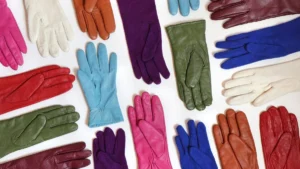
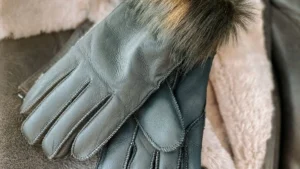
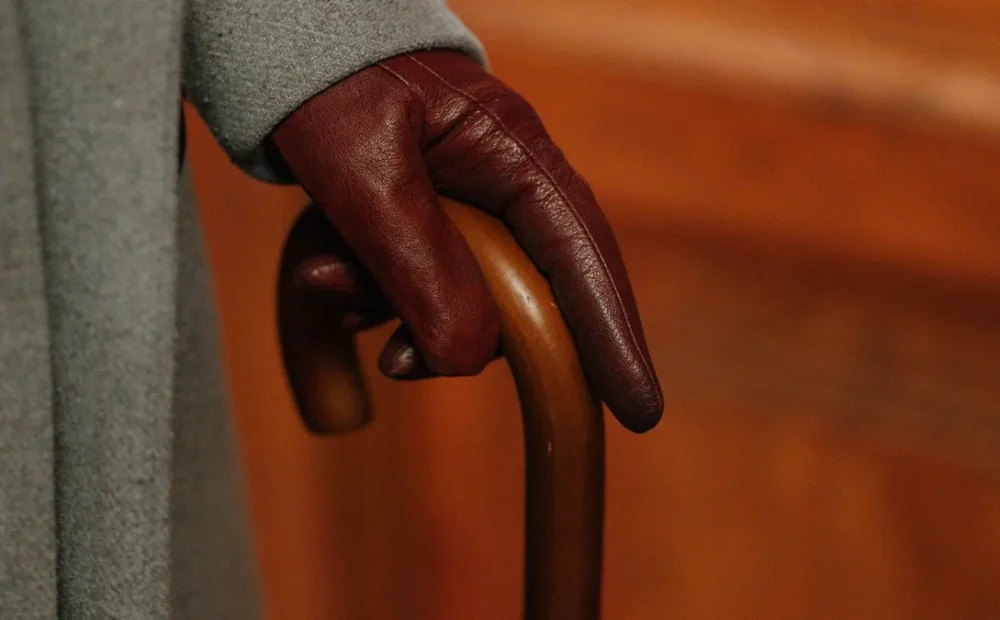
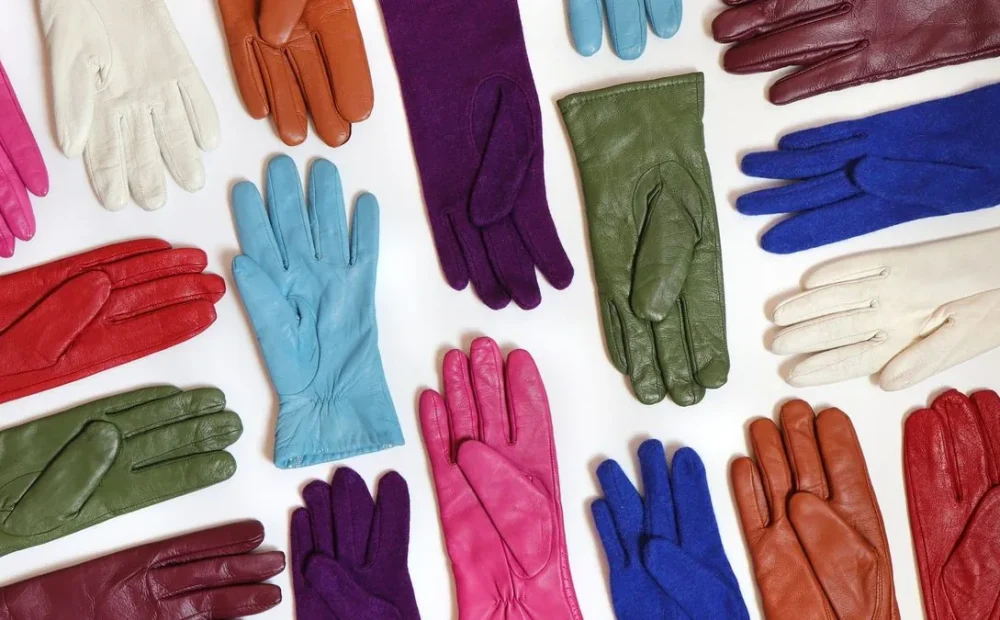
A good pair of leather gloves is worn hard and noticed quietly. They are pulled on in the cold, used to grip steering wheels and railings, and then stuffed into a coat pocket still damp from the day. Looked after, they soften and develop a patina that makes them look better in their third winter than on the day they were bought.
The difference is not money or expertise. Glove care is a short routine: a quick wipe after wearing, a gentle clean when dirty, a thin coat of conditioner a few times a year, and storage that lets the leather breathe. Most damage comes from ordinary mistakes — soaking them, drying them on a radiator, or leaving them crumpled in a pocket.
This guide covers the whole routine for leather gloves in 2027: cleaning, conditioning, drying, and storing them, the habits that protect them, and the first aid that saves them after rain or a stain. It is written for the smooth leathers most gloves are made from — lambskin, deerskin, and cowhide — with notes where suede or lined gloves need different treatment.
Key takeaways
- Wipe leather gloves with a soft, dry cloth after wearing, and give them a gentle damp clean once a month, before dirt sinks in.
- Condition smooth leather two to four times a year with a thin coat of colourless conditioner, tested on a hidden spot first.
- Never soak leather gloves, and never dry them with heat: air-dry them at room temperature, stuffed loosely to hold their shape.
- Store gloves flat and in pairs, in a cool, dry place away from sunlight — never in plastic or a damp pocket.
- No care routine can undo soaking, scrubbing, or household cleaners, and a cracked glove will not be restored by conditioner alone.
What caring for leather gloves actually involves
Caring for gloves is different from caring for a jacket or a bag, because gloves live on your hands. They pick up sweat, hand cream, and skin oils, they stretch every time they are pulled on, and the fingers bend at the same creases with every grip. The care that matters most is small and regular: keeping them clean, supple, and in shape. As our guide to the best leather gloves explains, the leather and the lining decide how a glove wears — and care decides how long that lasts.
Start by knowing what leather you have. Lambskin is the softest and most elegant, and it moulds to the hand quickly, but it is also the most delicate: it marks easily and dislikes water. Deerskin is thicker, more resistant to water and wear, and better for daily use. Cowhide is the toughest, with a firmer hand and good weather resistance. The lining matters too: cashmere and wool linings must stay dry inside, while silk linings tear more easily if you pull the glove off by the fingers.
How to clean leather gloves
Cleaning gloves is a two-step job, and the first step matters most. After each wear, shake the gloves out and wipe them with a soft, dry cloth. That alone lifts the dust and grit that would otherwise grind into the seams, especially between the fingers and around the cuffs.
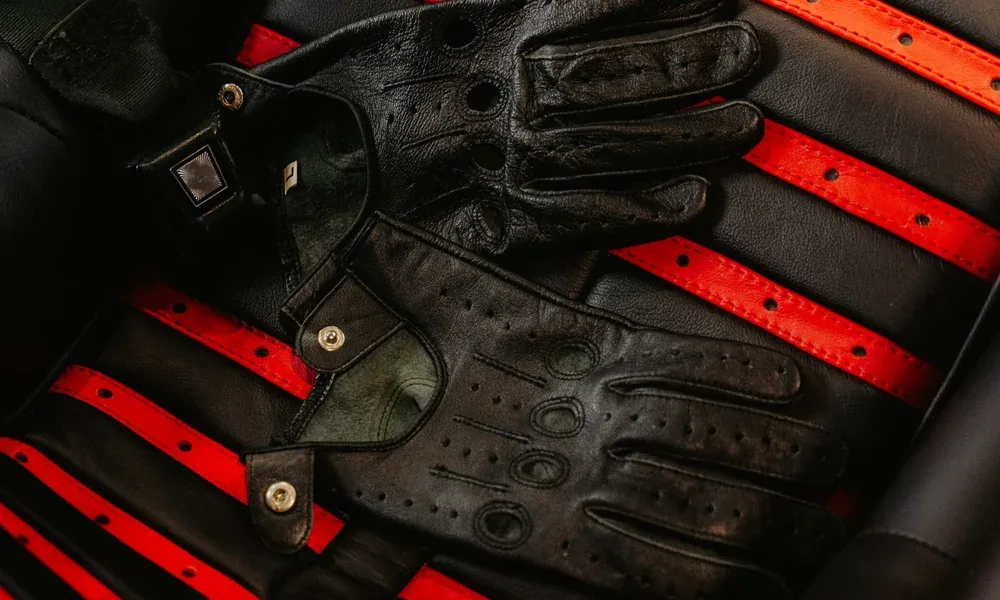
Once a month, give the gloves a gentle damp clean. Dampen a soft cloth with clean water, wring it out until it is barely wet, and wipe the outside in small circles, one glove at a time. If the gloves are grimy, add a single drop of mild soap or leather cleaner, then wipe again with a clean damp cloth. Never soak the gloves or hold them under a tap: soaking swells the fibres and stiffens the leather. Never scrub, because scrubbing breaks the surface and leaves pale marks.
For marks, work gently and stop early. A light scuff often fades with a dry wipe and a little warmth from your hand. Salt stains from winter roads should be wiped off the same day, before the salt dries into a white ring. Ink is the hardest mark: a pen line pressed into leather will usually not come out fully, so keep pens out of the same pocket. If a stain will not lift with a damp cloth, leave it — a faint stain beats a bleached patch. Suede gloves are the exception: brush them, never wipe them, and our comparison of suede versus leather gloves explains why the two materials need different routines.
How to condition leather gloves
Conditioning puts back the natural oils leather loses through use, cold, and time. Without it, the surface dries, the fingers stiffen, and fine cracks appear at the creases, usually across the knuckles first. Gloves in daily winter use need it two to four times a year, at least once before the cold season starts.
Choose a colourless conditioner or balm made for smooth leather, and test it first: put a pea-sized amount on a hidden spot, such as the inside of the cuff, and wait a day to check for darkening. If it looks right, put a small amount on a soft cloth, never directly on the leather, and rub a thin, even coat over the outside in light circles, paying attention to the knuckles and seams. Leave it for fifteen minutes, then buff gently.
What you should not use matters as much as what you do use. Cooking oils go sticky and can turn rancid in the leather. Shoe polish and coloured creams change the dye and the finish. Baby wipes strip the natural oils, and household cleaners, bleach, and alcohol discolour and weaken the hide. If the surface still feels tacky after buffing, you used too much. The same rule applies to other small leather goods: our guide to caring for a leather wallet uses the same thin-coat, test-first method, because the mistake is always the same — too much product, applied too fast.
What to do when leather gloves get wet
Wet gloves are the most common glove emergency, and the fix is patience. If your gloves get caught in rain or snow, blot them gently with a dry cloth as soon as you are indoors, inside and out, then stuff each glove loosely with plain, unprinted paper so it keeps its shape. Tissue paper or a clean cotton cloth works; newspaper does not, because the ink can transfer onto pale leather.
Let the gloves air-dry at room temperature, away from radiators, hairdryers, and direct sunlight. Heat is the real enemy: it dries the outside faster than the inside, which is how gloves stiffen, shrink, and crack. A soaked pair can take a full day to dry, sometimes two, so keep a second pair for the next morning. Never wring gloves out — wringing stretches the fingers unevenly and strains the seams.
Once fully dry, inside and out, give them a thin coat of conditioner, because wet leather loses oils as it dries. Check the lining first: a cashmere or wool lining still damp will feel cold and can turn musty. If the gloves were soaked through, repeat the blotting and stuffing once; they may feel slightly stiffer for a few wears until the conditioner and your hands soften them again.
How to store leather gloves
How you store gloves matters as much as how you clean them, especially between winters. Store them flat and in pairs, in a cool, dry place away from direct sunlight. A cotton dust bag or a drawer lined with clean cotton is ideal, because the fabric lets the leather breathe. Never store leather in plastic: trapped moisture encourages mildew, which is very hard to remove.
Before putting gloves away for the season, clean them, condition them once, and let them dry completely. Stuff each glove lightly with plain tissue paper so the fingers keep their shape, and lay them flat rather than folding them: a fold pressed into leather for months becomes a permanent crease. Keep them away from mothballs and strong-smelling sachets, which can stain pale leather.
During the season, give your gloves a proper resting place at home. A glove left crumpled in a coat pocket stays damp, loses its shape, and picks up lint. A small tray or drawer by the door keeps the pair together, lets them air between wears, and stops one glove wandering off.
The caveats that matter
Glove care is simple, but it is not magic. A glove that has already cracked through the surface, or whose stitching has come apart, will not be fixed by conditioner. Lambskin will always be more delicate than deerskin or cowhide, and a pale glove will always show dye transfer from dark denim sooner than a dark one.
| Detail | What is known |
|---|---|
| After each wear | Shake out and wipe with a soft, dry cloth |
| Monthly clean | Barely damp wipe, one drop of mild soap if grimy, then air-dry |
| Conditioning | Two to four times a year, thin coat, test first |
| Best leather for care | Deerskin and cowhide toughest; lambskin softest but most delicate |
| Wet gloves | Blot, stuff with plain paper, air-dry at room temperature, never heat |
| What to avoid | Soaking, scrubbing, cooking oils, shoe polish, baby wipes, alcohol, bleach |
| Storage | Flat and in pairs, cotton bag or drawer, cool and dry; never plastic or sun |
| What care cannot fix | Cracks, split seams, water stains on pale leather |
Buying gloves to keep for years starts with the right leather for your life — deerskin or cowhide for daily wear, lambskin for occasions — in a classic colour, with stitching you have checked yourself.
Checklist: caring for leather gloves honestly
Use these checks every month, and again after rain or a spill.
- Shake the gloves out after wearing and wipe them with a soft, dry cloth.
- Check the finger seams, knuckles, and cuffs for loose threads or stiffness.
- Give the gloves a barely damp wipe once a month, and let them air-dry fully.
- Condition smooth leather two to four times a year, tested on a hidden spot first.
- Blot wet gloves, stuff them with plain paper, and never dry them with heat.
- Store the gloves flat and in pairs, away from heat, sunlight, and plastic.
Frequently asked questions
How often should I condition leather gloves?
Two to four times a year is enough for gloves in daily winter use. Condition by need: if the leather looks dry or feels stiff, it is time.
Can I clean leather gloves with soap and water?
Yes, gently. Use a barely damp cloth, with a single drop of mild soap only if the gloves are grimy, then wipe again with a clean damp cloth. Never soak them, and never use dish soap, detergent, or bleach.
What should I do if my leather gloves get wet?
Blot them with a dry cloth, stuff each glove loosely with plain paper, and let them air-dry at room temperature, away from radiators and sunlight. Once fully dry, give them a thin coat of conditioner.
Can I use olive oil or coconut oil on leather gloves?
No. Cooking oils go sticky, can turn rancid, and attract dust and mould. Use a colourless leather conditioner made for smooth leather, applied in a thin coat, and buff off any excess.
How do I stop leather gloves losing their shape?
Pull them off by the cuff, not by the fingertips, stuff them with plain paper when wet or stored away, and keep them flat and in pairs. Stretched fingers and strained seams do not shrink back.
Can I put leather gloves in the washing machine?
No. A washing machine soaks, tumbles, and spins the leather, which stiffens it, shrinks the lining, and strains the seams. Hand-wipe them instead, and take them to a leather specialist if badly soiled.
The bottom line
The best leather gloves are not the most expensive ones. They are the pair in the right leather for your life, kept clean, conditioned a few times a year, dried patiently when wet, and stored flat.
Start the routine today, not when the gloves already look tired. Wipe them after wearing, check the seams, condition them before winter, and give them a proper place to rest. That small habit turns gloves you replace every year into a pair you still reach for years later.
Note: This guide covers smooth lambskin, deerskin, and cowhide gloves. Suede, nubuck, and exotic leathers need different products, so check the maker’s guidance before using any cleaner or conditioner, and test every product on a hidden spot first.
Meet Our Experts
This guide was written by the BrassSmile fashion editors, who cover seasonal style, wardrobe planning, and fabric and fit guidance across our fashion and lifestyle coverage. Every care routine is checked against one question: would we follow it ourselves, all season?
Why Trust BrassSmile
BrassSmile covers fashion, beauty, lifestyle, travel, and luxury with guides written to be genuinely useful, not just shoppable. We focus on fit, fabric, and real-life wearability, and we do not invent test results or expert quotes.
Sources
Leather care guidance in this article reflects standard leather care references and brand care guidance for smooth leather gloves, including published leather care guides and care guidance from leading glove makers.