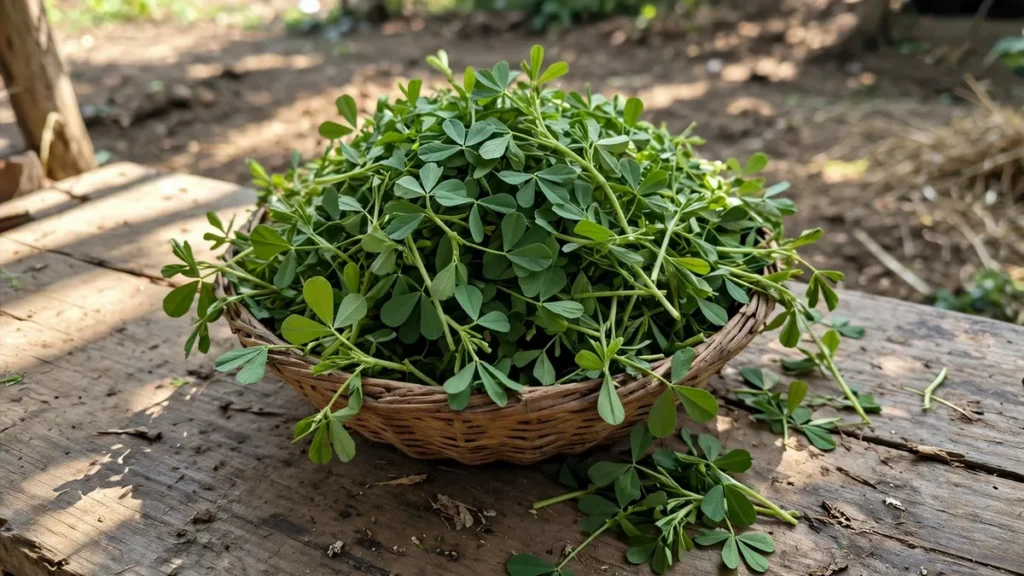
A fenugreek farm escape is a slow week on a working spice farm, planned around a crop that is in the ground for only three or four months a year. Fenugreek, or methi, is a low legume grown for its bitter amber seeds and its soft green leaves, and a farm escape means sleeping on the farm, walking the rows in the morning, and eating what the farm cooks. It is not a resort holiday, and it is not a cooking course — it is a stay that follows the harvest calendar.
Planning one well takes a little care. The crop moves fast: leaves are picked young, pods dry on the plant, and the seed is threshed in a short window at the end of the season. Book the right week and you will watch pods being cut, seed being winnowed, and leaves going straight from the row to the lunch table.
This guide walks through the nine steps to plan a fenugreek farm escape in 2027, from choosing the region to packing the bag. Fenugreek itself is naturally gluten-free, but farm kitchens bake wheat bread daily, so gluten-free guests need to settle the cooking plan with the host before they pay. Anyone with a peanut or soy allergy should say so early, since fenugreek is a legume and cross-reaction is possible.
- Key takeaways
- Plan around the crop stage — leaf picking, pod drying, or threshing — not around the calendar alone.
- Hold off paying until the farm names the week and confirms what the price covers.
- Fenugreek is a legume in the pea family; its seeds are dried before use and its leaves are eaten as methi greens.
- Most escapes run three to five nights, with meals, field walks, and a shared table included.
- Guests with a peanut or soy allergy, or who eat gluten-free, should clear the kitchen plan before booking.
What a fenugreek farm escape involves
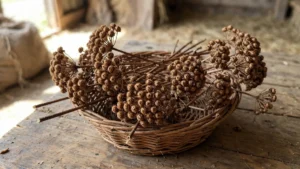
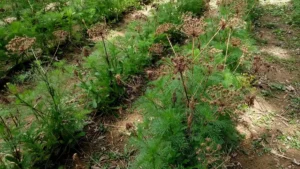
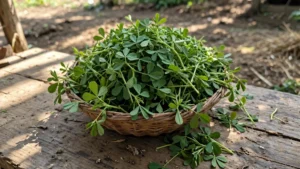
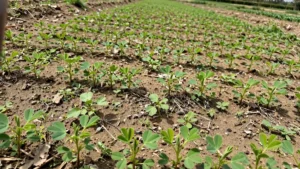
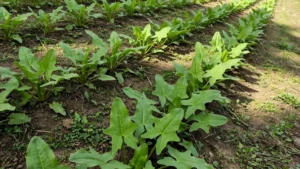
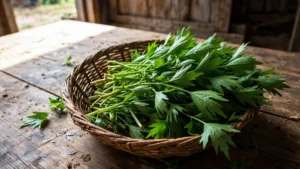
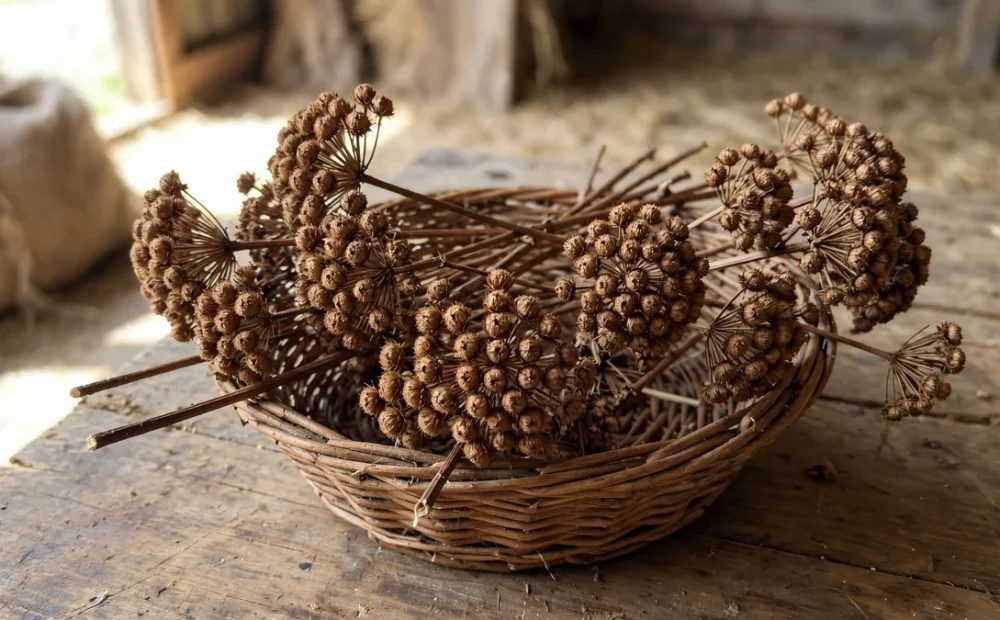
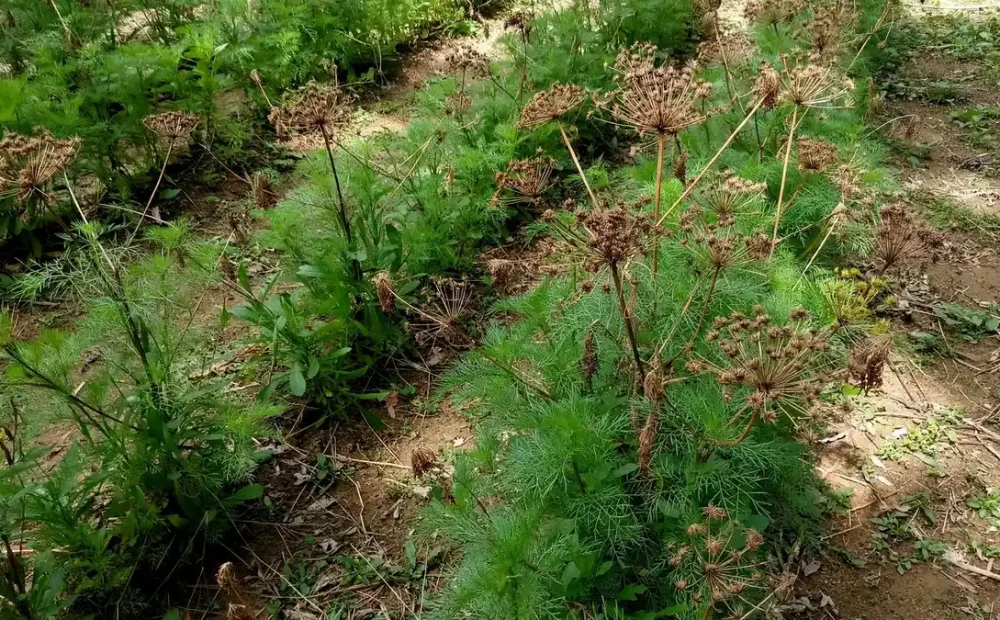
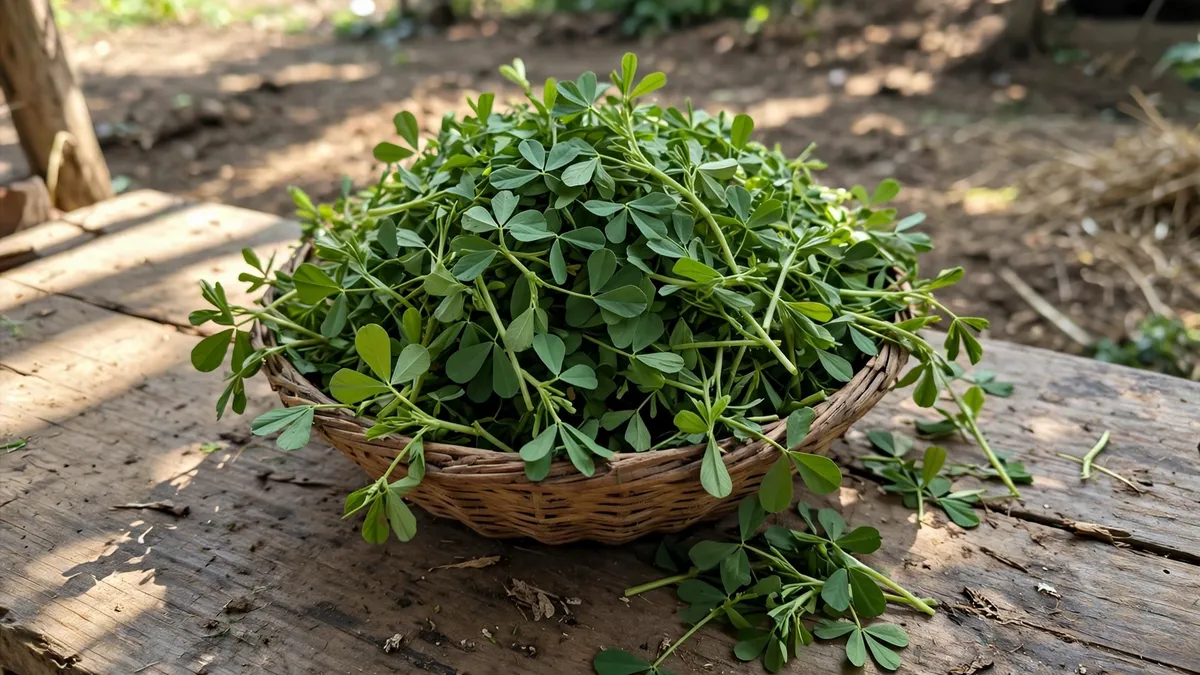
A fenugreek farm escape means a week inside the short life of a spice crop. The plant is Trigonella foenum-graecum, a low annual legume with pale green three-part leaves, small white flowers, and long thin pods that dry to straw colour on the stem. When the pods are dry they are cut and threshed for the hard amber seed; when the plants are young the leaves are picked and cooked as methi greens, or dried in the shade as kasuri methi.
The week is shaped by that calendar. Early mornings belong to the rows, with the grower pointing out ripe pods and young leaves. The middle of the day belongs to the kitchen, where seed is sorted, leaves are stripped, and bread is baked with the farm’s own fenugreek. Afternoons are unhurried — a walk to the village, a rest on the veranda — and the evening brings everyone to one table. Guests are not put to heavy work, though a basket and a short lesson are offered to anyone who wants to help.
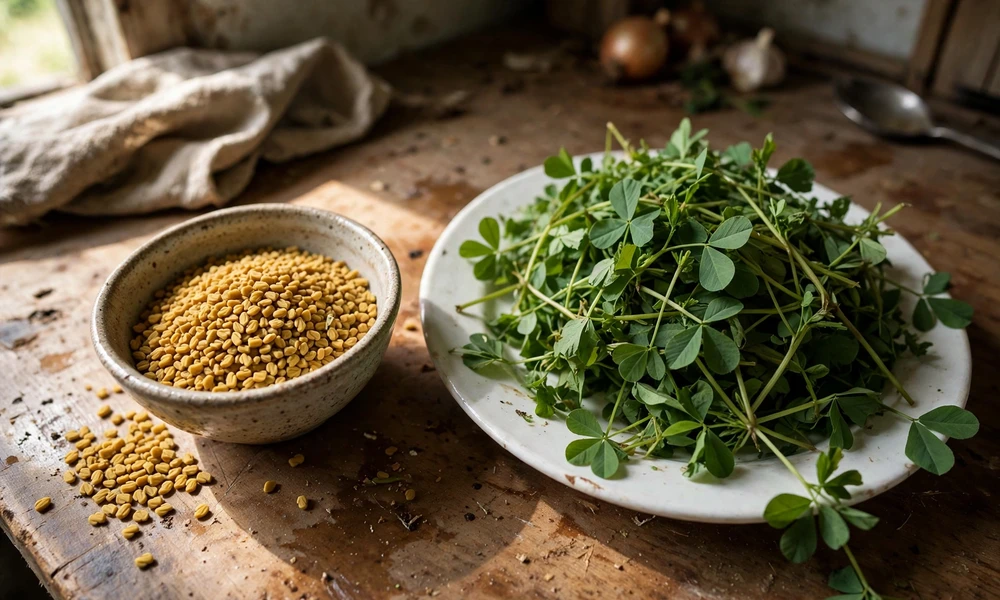
What surprises most guests is the scent. The dried seed holds sotolon, the compound behind the smell of maple syrup, so the threshing barn smells warm and sweet even when the morning is cold. The fresh leaves smell sharper and greener. Holding the two side by side is the quickest way to grasp why the farm treats the seed and the leaf as two separate ingredients from a single plant.
How to plan it, and what to ask first
Start with the crop, not the room. Ask the farm what stage the fenugreek will be in during your week, and what work you will actually see. A leaf-picking week is green and gentle; a threshing week is dusty and busy; a week between the two can feel quiet. Then ask what the price covers — room, meals, field walks, and transfers — and whether the farm can handle your food needs. A host who answers all three without hedging is a host you can trust with a deposit.
Give yourself time. The best fenugreek weeks are short — three to five nights — and the threshing dates fill first, often months ahead. Book flights and trains only after the farm has named your week in writing, and keep a day spare on either side for transfers. Pack for field mornings and cool evenings, and leave room in your bag for seed and dried leaves from the farm gate.
The 9 steps to plan a fenugreek farm escape
Your week starts when the pods say so
Decide what you want from the crop before you pick a farm. If you cook with seed, choose a threshing week, when the pods are dry and the yard is busy. If you cook with leaves, choose a spring week, when the plants are soft and the kitchen is full of methi greens. If you want both, ask for a week at the turn of the season.
What to Do: Tell the host how you cook, and ask which week shows that side of the plant. What to Avoid: Booking a date without asking what stage the crop will be in. Best For: Cooks who want to see the ingredient they actually use. Time Needed: An hour of reading and one email to the farm. Standout Tip: Threshing weeks show the seed; spring weeks show the leaf.
Pay nothing until the dates are written down
Do not pay a deposit until the farm has named your week in writing and confirmed the price, the room, and what is included. Fenugreek seasons shift with the rain, and a farm that takes money before naming a date may move your week. A written confirmation protects both sides, and a host who sends one promptly is a host who runs the farm properly.
What to Do: Get the week, the room, and the inclusions in one written message. What to Avoid: Paying in full before the farm confirms the harvest date. Best For: Anyone booking a harvest week months ahead. Time Needed: One email exchange, usually a day or two. Standout Tip: A named week in writing is worth more than a low price.
A leaf is not a seed: learn both on day one
Learn to tell the leaf from the seed before you arrive, so the field walks make sense. The leaf is soft, pale green, and picked young as methi greens; the seed is hard, amber, and threshed from dry pods at the end of the season. The two taste different, cook differently, and are harvested weeks apart. Arrive knowing which one you came to see.
What to Do: Read the farm’s crop notes and learn the leaf and the seed apart. What to Avoid: Arriving without knowing which part of the plant you want to see. Best For: First-time spice-farm travellers. Time Needed: An evening of reading before the trip. Standout Tip: Leaf and seed are two ingredients from one plant.
Pinch the young tops off and drop the stems
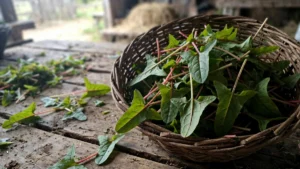
When the farm lets you pick leaves, strip them with your fingers and leave the stems behind. A knife crushes the stems and bruises the leaves, while fingers take the tender tops cleanly. Pick only the young growth at the top of the plant, and leave the lower leaves for the farm. The grower shows you the motion once.
What to Do: Strip young leaves by hand, taking only the tender tops. What to Avoid: Cutting stems with a knife, which bruises the leaves. Best For: Guests who want to help in the field. Time Needed: A few minutes of showing on your first morning. Standout Tip: Fingers, not a knife, for the tender tops.
Shake the pod and listen for the rattle
Learn to read a pod before you touch it. A ripe pod is dry, papery, and straw-coloured, and it rattles when you shake it. A green pod is soft, heavy, and still filling, and picking it wastes the seed inside. The grower will walk the row with you and point to both.
What to Do: Shake the pod and listen for the rattle before you pick. What to Avoid: Picking green pods, which wastes the seed inside. Best For: Anyone visiting in the threshing weeks. Time Needed: Ten minutes with the grower on your first walk. Standout Tip: A dry pod rattles; a green pod does not.
Let the barn shade do the drying, not the sun
If the farm dries leaves while you are there, watch where they dry them. Kasuri methi is dried in the shade, where the leaves keep their colour and scent, not in hard sun, which bleaches them and dulls the flavour. The drying racks sit in a barn or under a veranda, and the leaves are turned by hand until they crumble. It is the difference between good dried methi and dull dust.
What to Do: Look for shaded drying racks in a barn or under a veranda. What to Avoid: Leaves left in hard sun, which bleaches them. Best For: Cooks who want to buy dried leaves at the farm gate. Time Needed: A look at the racks during a field walk. Standout Tip: Shade keeps the colour and the scent.
Dusty rows call for boots, not smart shoes
Pack for the field, not for the photograph. The rows are dusty, the mornings are damp, and the threshing yard is full of chaff. Sturdy boots, a light layer for the cool mornings, and a hat for the midday sun will serve you better than anything smart. Leave the best shoes at home.
What to Do: Pack sturdy boots, a light layer, and a hat. What to Avoid: Smart shoes, which will not survive the rows. Best For: Any guest heading out to the rows. Time Needed: Ten minutes of packing the night before. Standout Tip: Boots and a hat beat anything smart.
Let one raw seed teach you the bitterness
Before lunch, ask the host to let you taste a single raw seed. It is bitter, hard, and warm with that maple-syrup scent, and it explains why the seed is always soaked or cooked before eating. Then taste the cooked dish at lunch and compare. One seed is enough — the bitterness is strong, and a mouthful is a mistake.
What to Do: Taste one raw seed, then the cooked dish, and compare. What to Avoid: Eating a mouthful of raw seed, which is far too bitter. Best For: Cooks who want to understand the ingredient. Time Needed: A minute at the kitchen table. Standout Tip: One raw seed explains the whole plant.
Seed in jars survives the journey home
At the end of the week, buy seed and dried leaves from the farm gate, not fresh greens. Seed keeps for a year in a jar, and dried leaves keep for months in a sealed packet, while fresh leaves wilt in a day and will not survive the journey home. Ask the host how the seed was dried and how old it is. Take a small jar of each.
What to Do: Buy dried seed and dried leaves, and ask how old they are. What to Avoid: Fresh greens, which wilt before you reach home. Best For: Anyone who cooks with fenugreek at home. Time Needed: A few minutes at the farm gate on your last morning. Standout Tip: Seed and dried leaves travel; fresh greens do not.
Picking the right season and region
Fenugreek is a cool-season crop, sown on the winter rains and cut before the summer heat, so the season runs from late winter to early summer. Leaves are at their best in spring, while seed threshing comes later, when the pods have dried on the plant. A spring week suits leaf pickers and first-timers; a late-season week suits cooks who want the seed and the threshing yard.
For region, the driest and most traditional country is India — Marwar and Bundelkhand — where the harvest is a yard event. Iran offers the same dry farming with cooler mountain air, in Fars and Yazd. Ethiopia and Morocco give greener hills and drier slopes, and La Gomera, Corsica and the Weald are the gentle end of the list, with farm mornings and a cookery afternoon rather than a full harvest week. If you only have one week, match the season to the crop stage you want to see, and let the region follow.
The caveats that matter
Fenugreek belongs to the legume family, so guests with a peanut or soy allergy should warn the farm at booking and ask how the kitchen keeps things apart. Raw seed is bitter and hard, and it needs soaking or cooking before it is eaten — a mouthful raw is a mistake nobody makes twice. Wheat bread comes out of the farm oven every day, so gluten-free guests should agree a cooking plan with the host in advance. Guests taking diabetes medicine should check with their doctor before eating large amounts of fenugreek. The threshing yard throws up dust, so anyone with asthma should bring an inhaler and stand upwind.
| Detail | What is known |
|---|---|
| Best booking window | Threshing weeks three to four months ahead; leaf weeks a month or two ahead. |
| Trip length | Three to five nights suits most escapes, with meals and field walks included. |
| Cost range | Rooms on this list run $65–$95 to $345–$380 a night, before transfers and flights. |
| Crop stage | Leaves in spring, pods drying in early summer, seed threshing late in the season. |
| What to carry home | Dried seed and dried leaves, which keep for months; fresh greens wilt in a day. |
| Field kit | Sturdy boots, a light layer for cool mornings, and a hat for the midday sun. |
| Allergy | Peanut or soy allergy can cross-react with this legume, so warn the farm at booking. |
| Gluten | The plant holds no gluten, yet the farm oven bakes wheat bread every day. |
Checklist: before you book a fenugreek farm escape
- Ask what stage the crop will be in during your week — leaf, pod drying, or threshing.
- Get the week, the room, and the inclusions in writing before you pay.
- Tell the farm about peanut or soy allergy and gluten-free needs first.
- Book flights and trains only after the farm names your week.
- Pack sturdy boots, a light layer, and a hat for the field.
- Leave room in your bag for seed and dried leaves bought at the farm gate.
Frequently asked questions
Does a fenugreek farm work if you eat gluten-free?
Fenugreek holds no gluten, but the farm oven bakes wheat bread daily, so ask the host about cross-contact and a separate cooking plan before you book.
How far ahead do you need to book a fenugreek farm stay?
Book threshing weeks three to four months ahead, since the dates are short and fill first. Leaf-picking weeks in spring can usually be booked a month or two ahead.
What goes in the bag for fenugreek country?
Sturdy boots, a light layer for cool mornings, a hat for the midday sun, and a bag you do not mind getting dusty. Leave the best shoes at home.
Do fenugreek farms welcome children?
Most farms welcome children who can walk the rows and sit at a shared table, but the threshing yard is dusty and the work is early, so ask the host first.
What should you carry home from a fenugreek farm?
Dried seed and dried leaves, which keep for months in a jar or a sealed packet. Fresh greens wilt in a day and will not survive the journey home.
What does a week on a fenugreek farm cost in total?
Rooms on this list run from $65–$95 a night to $345–$380 a night, with meals and field walks usually included. Add transfers and flights on top, and budget a little for seed and leaves at the farm gate.
The bottom line
A fenugreek farm escape is a small, honest week built around a crop that smells of maple syrup and feeds a kitchen for a year. The nine steps in this guide all come down to the same thing: plan around the crop, not the calendar. Pick the stage you want to see — leaf or seed — get the week in writing, and ask about allergies and gluten-free cooking before you pay.
The weeks that work best let the crop set the pace: leaves at dawn, seed in the yard, and one table at night. Pack boots and a hat, taste one raw seed before lunch, and leave with a jar of seed and a packet of dried leaves. For the stays themselves, see the dill farm escape, the coriander farm escape, and the caraway farm escape.