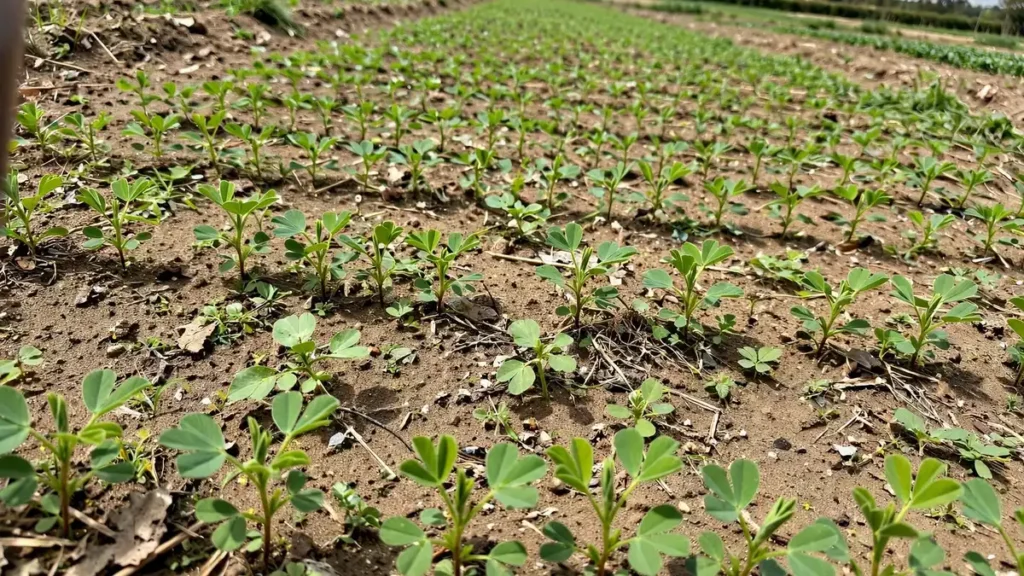
A fenugreek farm retreat is a slow stay on a working spice farm, built around a crop most travellers have only ever met in a jar. Fenugreek, or methi, is a low, feathery legume grown for its bitter amber seeds and its soft green leaves, and the farms that grow it sit in dry, sunny country where the pods ripen fast and the harvest smells faintly of maple syrup. Guests sleep on the farm, walk the rows in the cool of the morning, and eat what the farm cooks.
These stays are small by design. A fenugreek farm is not a resort with a spa menu; it is a family holding with a few guest rooms, a shared table, and a harvest calendar that decides what the week looks like. The best retreats keep the group small, put a grower in charge of the field walks, and feed guests from the same kitchen that feeds the farmhands.
What follows is nine fenugreek farm retreats worth booking in 2027, from the desert edge of Rajasthan to the wooded lowlands of southern England. Every stay has a real fenugreek crop in the ground, honest pricing, and a host who knows the plant. Fenugreek itself is naturally gluten-free, but farm kitchens bake wheat bread daily, so gluten-free guests need to ask about cross-contact before booking.
- Key takeaways
- Fenugreek farm retreats are small, working-farm stays, not resorts — expect shared tables and harvest-led days.
- The crop is a legume in the pea family; its seeds are dried before use and its leaves are eaten fresh as methi greens.
- Seed harvest runs late in the season, when the pods turn dry and papery; leaf picking runs earlier, while the plants are still soft.
- Prices in this list run from $65–$95 a night to $345–$380 a night, with most stays including meals and field walks.
- Guests with a peanut or soy allergy should tell the farm first, since fenugreek is a legume and cross-reaction is possible.
What a fenugreek farm retreat actually is
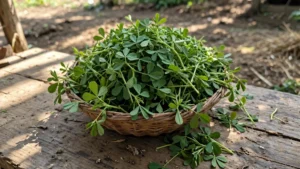
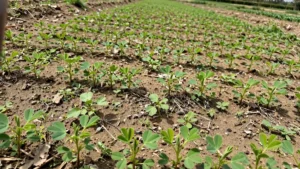
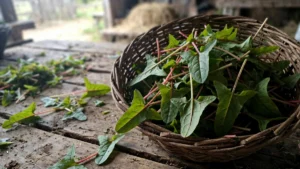
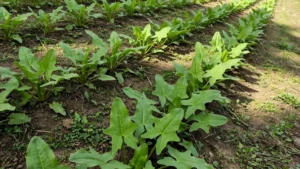
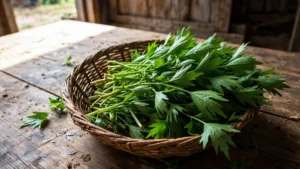
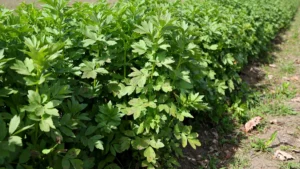
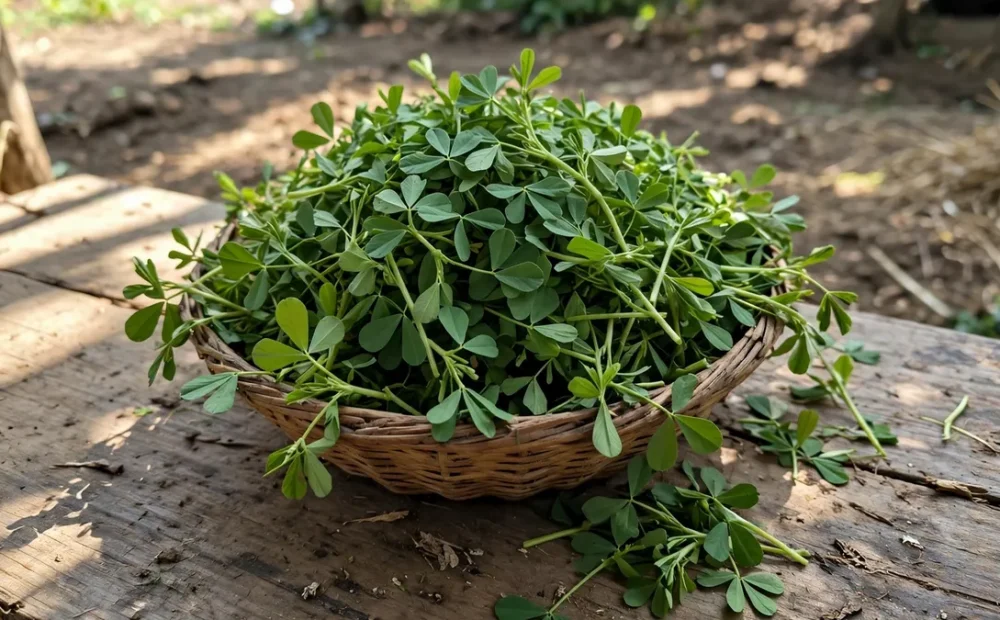
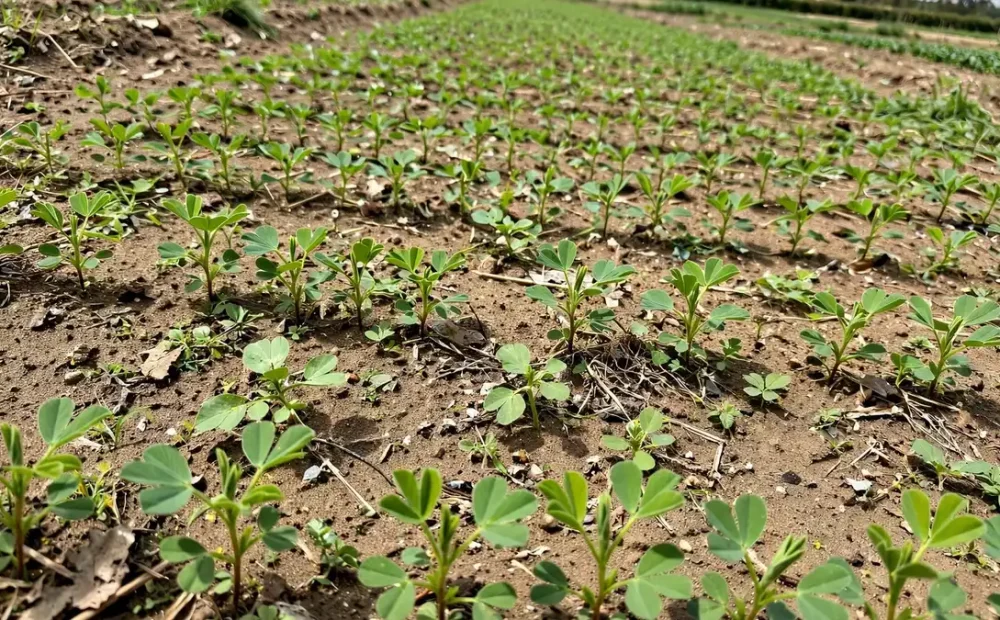
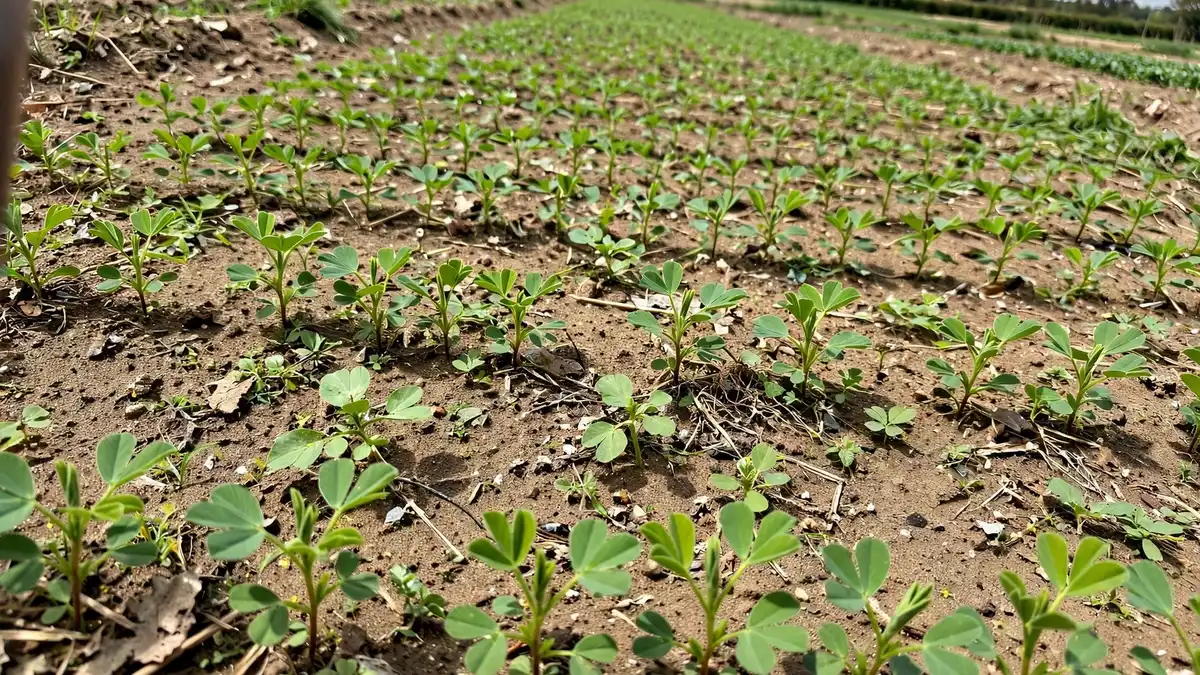
A fenugreek farm retreat is a stay on a farm that grows fenugreek as a real crop, not a garnish. The plant, Trigonella foenum-graecum, is a low annual legume with pale green, three-part leaves and small white flowers that give way to long, thin pods. The pods are left on the plant until they dry and turn straw-coloured, then cut, threshed, and winnowed to free the hard amber seeds. The leaves are picked younger, while they are still tender, and cooked as methi greens.
On a retreat, the day follows the crop. Mornings start early, before the heat, with a walk through the rows and a look at the pods. Midday is for the kitchen: seed sorting, leaf picking, and bread baked with the farm’s own fenugreek. Afternoons are slower — a rest, a read, a walk to the village — and evenings are for the shared table. Guests who want to help are handed a basket and shown how to strip leaves or shake pods into a cloth.
The smell is the thing people remember. Dried fenugreek seed carries sotolon, the same compound that gives maple syrup its scent, so a threshing barn smells warm and sweet even on a cold morning. Fresh leaves smell greener and sharper, and the contrast between the two is the first lesson most hosts teach.
How we picked these stays, and what to ask first
We looked for farms that grow fenugreek as a named crop on named land, with guest rooms on the farm itself and a host who works the fields. A stay made this list only if fenugreek is visibly part of the farm’s year — rows in the ground, seed in the store, leaves on the menu — and only if the price covers the room, the meals, and the field walks without a long list of extras. Stays that merely mention fenugreek on a menu did not make the cut.
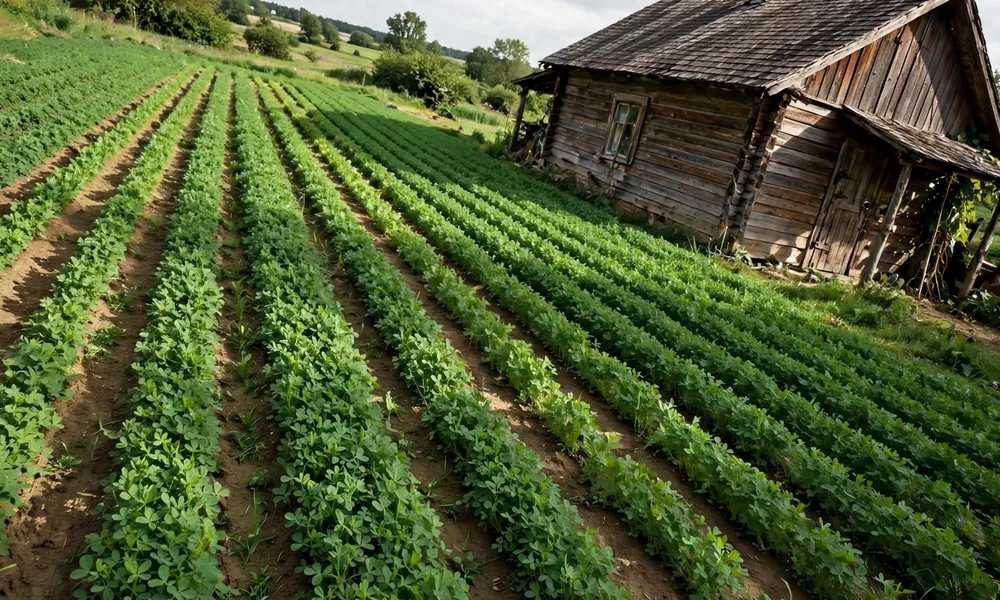
Before you book, ask three questions. First, what stage will the crop be in during your week — leaf picking, pod drying, or threshing — because the work you see depends entirely on the date. Second, what is included in the price, and whether meals, field walks, and transfers are covered. Third, how the kitchen handles allergies and gluten-free cooking, since fenugreek is a legume and the farm oven bakes wheat bread every day. A host who answers all three plainly is a host worth booking with.
The 9 best luxury fenugreek farm retreats of 2027
Marwar, India — Fenugreek on the Desert Edge
The Marwar stay sits on a dry farm outside a small desert town, where fenugreek is sown after the monsoon and cut before the hot season. The guest rooms are cool mud-brick rooms around a courtyard, and the host family has grown methi here for three generations.
What We Like: The desert light in the morning, the courtyard breakfasts, and a host who explains the crop row by row. What to Consider: The afternoons are very hot, and the rooms have fans rather than air conditioning.
Best For: Travellers who want the driest, most traditional fenugreek country. Style: Mud-brick farmhouse with a shared courtyard. Price Range: $65–$95 a night. Standout Feature: Seed threshing in the courtyard at the end of the season.
Bundelkhand, India — Fenugreek on the Dry Plateau
Bundelkhand is hard, red-soil country, and the fenugreek here grows on rain-fed plots between pulses and oilseeds. The retreat is a restored farmhouse with a deep veranda, and guests eat under a neem tree at a long wooden table.
What We Like: The veranda lunches, the red-soil walks, and a kitchen that cooks with its own seed. What to Consider: The nearest town is a long drive, so plan transfers with the farm in advance.
Best For: Guests who want a quiet, self-contained farm stay. Style: Restored farmhouse with a shaded veranda. Price Range: $100–$130 a night. Standout Feature: Methi greens picked at dawn and cooked for lunch the same day.
Fars Province, Iran — Fenugreek in the Southern Highlands
The Fars farm lies in the southern highlands, where fenugreek grows on terraced plots above a valley of orchards. The guest house is a stone building with a garden of herbs, and the host sells seed to spice merchants in the nearest city. The altitude keeps the nights cool even when the days are warm.
What We Like: The terrace views, the cool nights, and a host who knows the spice trade first-hand. What to Consider: The terraces are steep, so the field walks need sturdy shoes.
Best For: Travellers who want mountain air with their spice farm. Style: Stone guest house with a herb garden. Price Range: $135–$165 a night. Standout Feature: Terraced fenugreek plots above an orchard valley.
Yazd, Iran — Fenugreek in the Desert City
Yazd is a desert city of wind towers and mud-brick lanes, and the fenugreek farm sits on irrigated land just outside it. The retreat is a small courtyard house with a shaded pool, and the farm grows fenugreek alongside saffron and herbs. Evenings are for the old city’s rooftops and stews flavoured with the farm’s own seed.
What We Like: The wind-tower house, the old city nearby, and a farm that pairs fenugreek with saffron. What to Consider: Summer days are extremely hot, so spring and autumn weeks book first.
Best For: Guests who want a desert city and a spice farm in one trip. Style: Courtyard house with a shaded pool. Price Range: $170–$200 a night. Standout Feature: A wind-tower house beside irrigated spice fields.
La Gomera, Spain — Fenugreek Above the Black-Sand Beach
La Gomera is a small Canary Island of steep green valleys, and the fenugreek farm sits on terraced plots above a village of white houses. The retreat is a stone cottage with a garden of herbs, and the host grows fenugreek beside vegetables for the island market. Mornings are for the terraces, afternoons for the black-sand beach below, and dinners are for fish and potatoes with the farm’s own seed ground into the spice mix.
What We Like: The green valleys, the beach below, and a host who grows for the island market. What to Consider: The island is small and the roads wind, so allow extra time for the ferry and the drive.
Best For: Travellers who want steep green valleys and a small-island pace. Style: Stone cottage with a herb garden. Price Range: $205–$235 a night. Standout Feature: Terraced spice plots above a black-sand beach.
Sidama, Ethiopia — Fenugreek in the Coffee Hills
Sidama is coffee country, green and hilly, and the fenugreek here grows on small plots between coffee trees and enset gardens. The retreat is a timber guest house on a ridge, and the mornings are misty before the sun burns through. Guests walk the plots with the grower, then sit for a coffee ceremony in the afternoon.
What We Like: The misty ridge mornings, the coffee ceremony, and a farm that mixes spice with coffee. What to Consider: The roads are rough after rain, so allow extra time for transfers.
Best For: Guests who want green hills and a coffee ceremony with their spice farm. Style: Timber guest house on a misty ridge. Price Range: $240–$270 a night. Standout Feature: Fenugreek plots between coffee trees, with a daily coffee ceremony.
Anti-Atlas, Morocco — Fenugreek on the Dry Slopes
The Anti-Atlas stay is a stone farmhouse on a dry slope above a valley of almond trees, where fenugreek is sown on the winter rains and cut in spring. The rooms are simple and cool, the roof terrace looks over the valley, and the host dries seed on the roof in the sun.
What We Like: The roof terrace, the almond valley views, and seed drying in the sun. What to Consider: The slope is steep and the paths are rocky, so the walks are not easy.
Best For: Travellers who want mountain light and a slow, dry landscape. Style: Stone farmhouse with a roof terrace. Price Range: $275–$305 a night. Standout Feature: Seed drying on the roof above an almond valley.
Corsica, France — Fenugreek on the Island Hills
The Corsican farm sits in the island hills above a small coastal town, where fenugreek grows on terraced plots between maquis and olive trees. The retreat is a stone house with a garden and a pool, and the host cooks with wild herbs and the farm’s own seed. The sea is a short drive away, so the week mixes field mornings with beach afternoons.
What We Like: The island hills, the sea nearby, and a kitchen that uses wild herbs. What to Consider: The farm is a drive from the ferry port, so hire a car or book a transfer.
Best For: Guests who want a farm stay with a beach in the same week. Style: Stone house with a garden and pool. Price Range: $310–$340 a night. Standout Feature: Terraced spice plots above the sea, with a pool and garden.
The Weald, England — Fenugreek in the Wooded Lowlands
The Weald stay is a timber-framed farmhouse in the wooded lowlands of southern England, where fenugreek is grown as a small trial crop beside herbs and vegetables. The guest rooms are in a converted barn, and the host sells seed and dried leaves to local cooks. The week is gentle: slow mornings, a leaf-picking walk, and a cookery afternoon.
What We Like: The barn rooms, the herb garden, and a cookery afternoon with fresh-ground seed. What to Consider: The crop is small and the season is short, so book the leaf-picking weeks early.
Best For: Travellers who want a gentle English farm stay with a spice twist. Style: Timber-framed farmhouse with converted barn rooms. Price Range: $345–$380 a night. Standout Feature: A cookery afternoon grinding the farm’s own seed.
Which fenugreek region fits your trip
The driest and most traditional fenugreek country is India, where the crop is sown on winter rains and threshed in the yard — Marwar and Bundelkhand suit travellers who want the harvest itself. Iran offers the same dry farming with cooler mountain air: Fars for terraces and altitude, Yazd for a desert city beside the fields. Ethiopia and Morocco give greener hills and drier slopes, with Sidama for coffee-country mist and the Anti-Atlas for sun-dried seed.
La Gomera, Corsica and the Weald are the gentle end of the list. La Gomera and Corsica suit a first trip that mixes farm mornings with the sea, while the Weald suits a short, easy stay with a cookery afternoon. If you only have one week and want to see the seed threshed, pick a winter date in India or Iran; if you want the leaves, pick a spring date anywhere on the list.
The caveats that matter
Fenugreek is a legume, so anyone with a peanut or soy allergy should tell the farm before booking and ask how the kitchen handles cross-contact. The seed is bitter when raw and must be soaked or cooked before eating, and the leaves are best picked young, before the plant turns woody. The farms bake wheat bread daily, so gluten-free guests need a clear plan with the kitchen. Anyone taking diabetes medicine should ask their doctor before eating large amounts of fenugreek.
| Detail | What is known |
|---|---|
| Plant family | Fenugreek is a legume in the pea family, grown as an annual for seed and leaf. |
| Seed harvest | Pods dry on the plant, then are cut, threshed, and winnowed to free the amber seeds. |
| Leaf harvest | Leaves are picked young as methi greens, or dried as kasuri methi for cooking. |
| Scent | Dried seed smells of maple syrup, from the compound sotolon. |
| Gluten | Fenugreek itself is gluten-free, but farm kitchens bake wheat bread daily. |
| Allergy | As a legume, fenugreek can cross-react with peanut or soy allergy. |
| Season length | A short season of about three to four months, sown on cool-season rains. |
| Sprouting | Seeds sprout easily in a jar, and the sprouts are eaten fresh in salads. |
Checklist: booking a fenugreek farm stay honestly
- Ask what stage the crop will be in during your week — leaf, pod drying, or threshing.
- Confirm what the price covers: room, meals, field walks, and transfers.
- Tell the farm about peanut or soy allergy and gluten-free needs before you pay.
- Pack sturdy shoes for field walks and a light layer for cool mornings.
- Book the harvest weeks early — the threshing dates fill first.
- Leave room in your bag for seed and dried leaves from the farm gate.
Frequently asked questions
What is fenugreek, and what does it taste like?
Fenugreek is a legume grown for its bitter amber seeds and its soft green leaves. The dried seed smells of maple syrup and tastes bitter-sweet, while the fresh leaves are greener and milder.
When is fenugreek harvested on the farms?
Leaves are picked young, while the plants are still soft. Seed is harvested later, when the pods turn dry and papery, and are then cut and threshed.
Do guests get to pick fenugreek themselves?
Most farms let guests pick leaves and strip pods into a basket with the grower, but threshing is done by the farm.
Which fenugreek region is best for a first trip?
Corsica suits a first trip, with gentle farm mornings and the sea nearby. For the full harvest, pick a winter week in Marwar or Sindh, where threshing happens in the yard.
Can you eat fenugreek leaves raw?
Young leaves can be eaten raw in small amounts, but they are usually cooked, since cooking softens their bitterness.
Can a fenugreek farm stay work for a gluten-free guest?
Fenugreek itself is gluten-free, but farm kitchens bake wheat bread daily, so ask the host about cross-contact and a separate cooking plan before you book.
The bottom line
A fenugreek farm retreat is a small, honest stay built around a crop that smells of maple syrup and feeds a kitchen for a year. The nine stays in this list all grow the plant for real and keep the groups small. Pick the region that fits your season — dry harvest country in winter, leaf-picking country in spring — and book the threshing weeks early.
The best weeks are the ones where the crop decides the day: leaves at dawn, seed in the yard, and a shared table at night. Ask about allergies before you pay, pack sturdy shoes, and leave room for a jar of seed and a packet of dried leaves. For a closer look at the wider spice-farm series, see the dill farm retreats, the coriander farm retreats, and the caraway farm retreats.