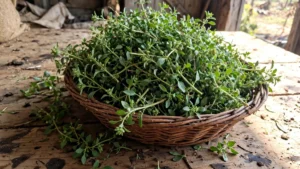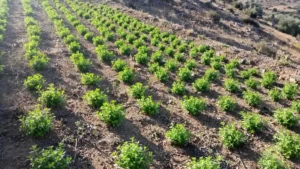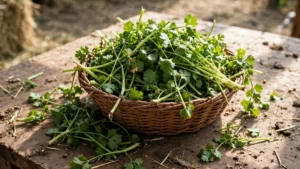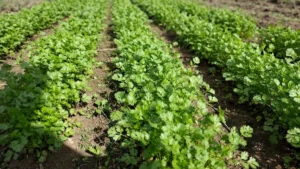

Planning a lemongrass farm escape works backwards from most holidays. Nothing is booked until the farm says when it will cut, because the grass decides the calendar. Lemongrass is at its best in the week before it flowers, when the stalks are full of oil and the scent is at its sharpest, and the farms name that week only a few weeks ahead. Book the flights first and you may arrive to grass that has already flowered, which smells lovely and cooks mild.
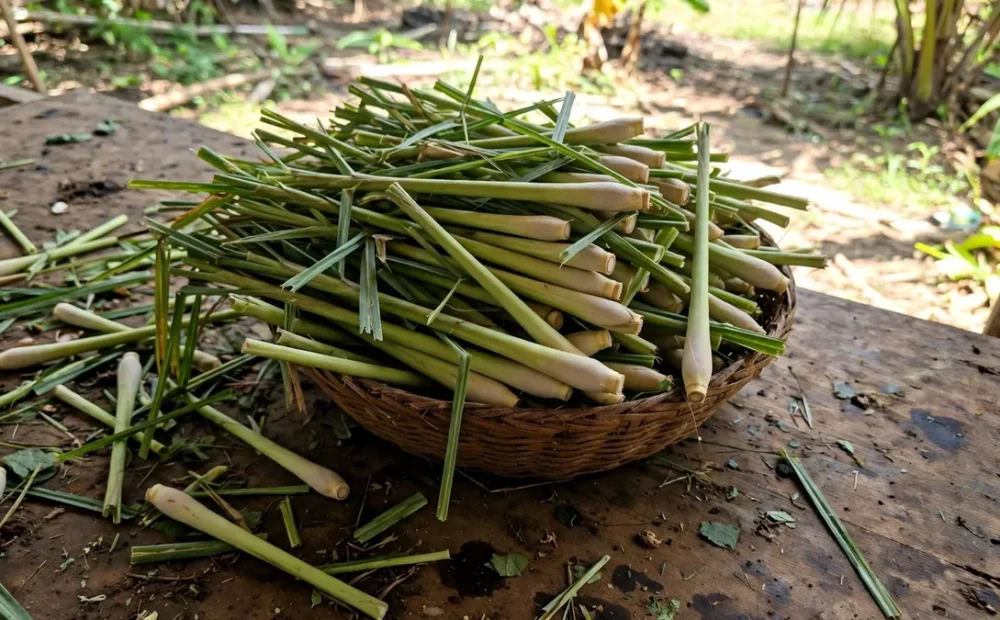
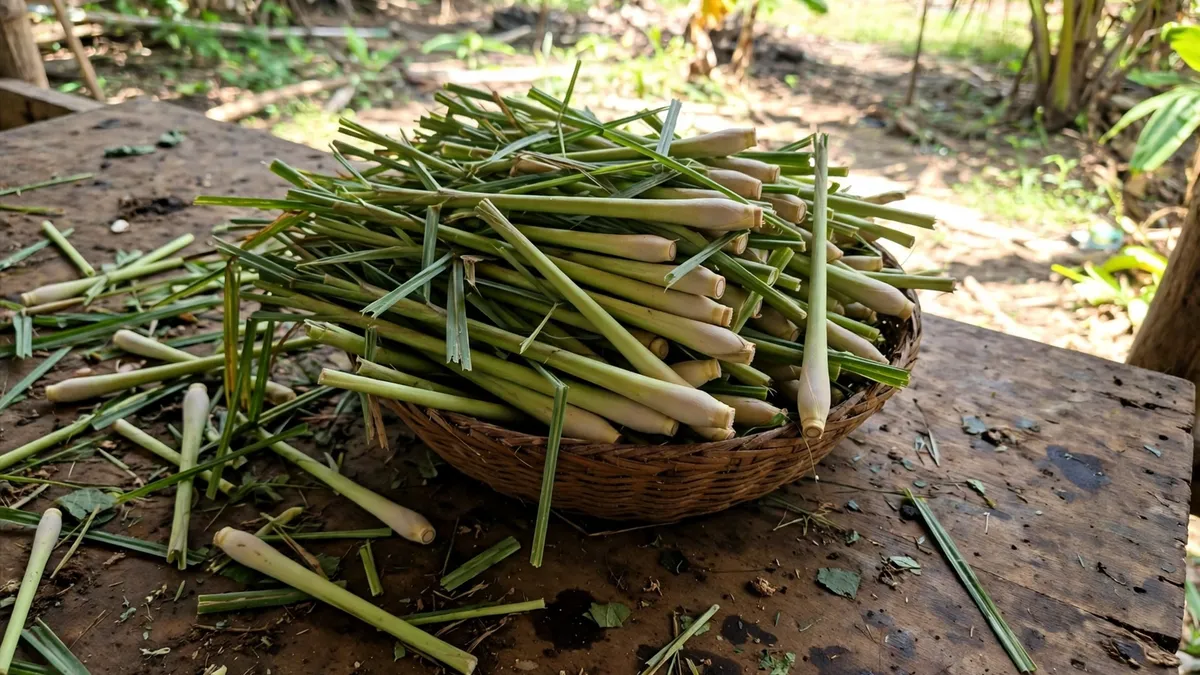
The holiday itself is short and simple: three to five nights on a working tropical farm, a room in the farmhouse, meals from the farm kitchen, and mornings among the clumps. The blades are sharp enough to cut skin, so the farms hand out gloves and long sleeves before anyone steps into the rows, and the cutting is done with a sickle or a sharp knife at the base of the stalk. Guests are welcome to cut a bundle, bruise a stalk for the tea pot, or stand by the still in the late afternoon, and just as welcome to read on the porch.
This guide sets out the nine steps for a lemongrass farm escape in 2027, from telling the cooking grass from the oil grass to packing for the cutting and bringing the farm’s own dried lemongrass home.
Key takeaways
- Wait for the farm’s cutting week before booking flights, because the week is fixed only a few weeks ahead and the oil is at its best just before flowering.
- Learn the difference between the cooking grass and the oil grass first, since farms grow one or the other and the two cook and distil differently.
- These are small working farms with plain rooms and one shared supper table, so pack for mud, heat and sudden rain, not for a hotel.
- Gloves and long sleeves are essential for the cutting, with boots that rinse clean, a wide hat and a soft bag with room for dried lemongrass on the way home.
- Tell the kitchen about gluten-free eating in the first email, because the farm’s bread is nearly always wheat even though the lemongrass itself is safe.
What a lemongrass farm escape involves
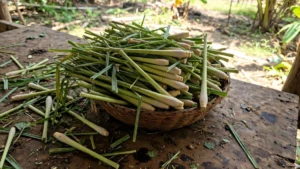
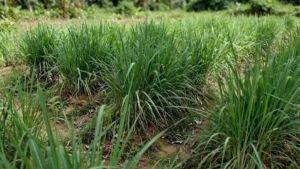
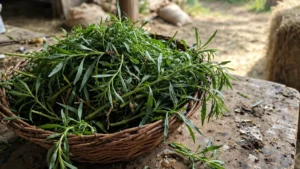
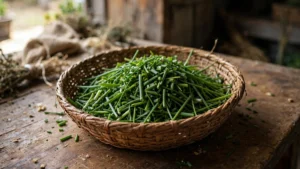
A lemongrass farm escape is three to five nights on a tropical farm, timed to the cutting, with the farmhouse as the base and the clumps as the reason for the trip. You sleep in a farmhouse room or a converted barn, eat what the farm kitchen cooks, and spend the mornings where the grass grows, watching the stalks cut at the base, the bundles carried to the drying racks, and the fresh stalks bruised into tea, soup and curry. Every great lemongrass region grew up around a kitchen: Thailand folds the stalk into tom yum, Sri Lanka brews the leaves into tea, and the oil farms of Ghana and the Top End run the still as the heat breaks.
The days follow the grass. Cutting starts in the cool of the morning, before the sun draws the oil out of the stalks, and the afternoons are for drying, distilling and long teas on the porch. Supper is a single table shared by everyone staying, the rooms are plain, and the work is offered, never imposed. A guest who wants to cut a bundle may cut one, and a guest who would rather read may read. The escape is brief and unhurried, and the lemongrass is everywhere: in the tea, in the soup, in the scent that rises when a stalk is bruised.
How to plan it, and what to ask first
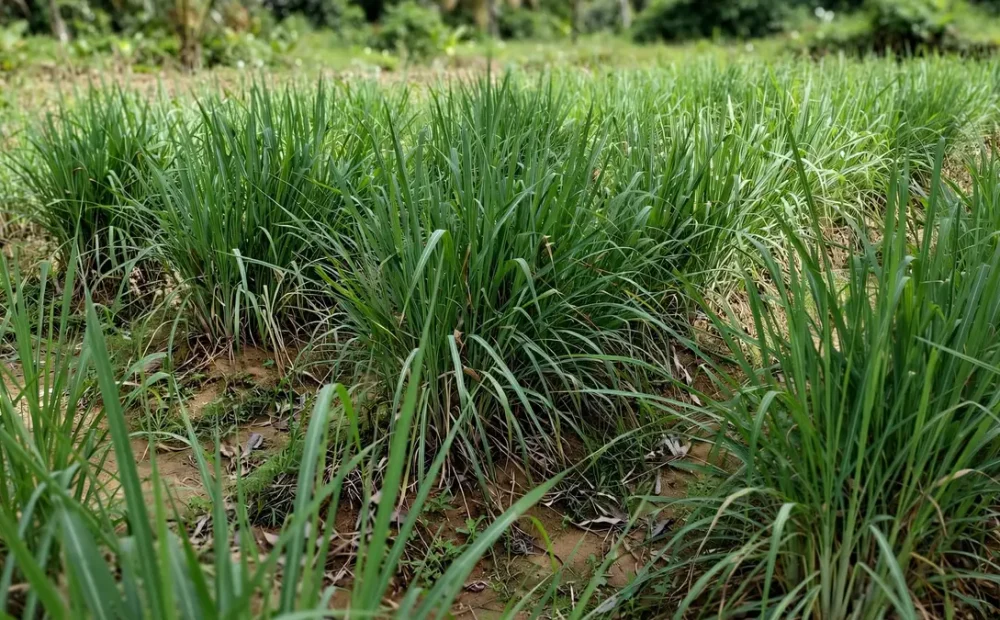
Begin with the grass, not the map. West Indian lemongrass is the cooking grass, grown for its pale stalk, and East Indian lemongrass is the oil grass, taller and richer in citral. Ask which kind a farm grows and what the kitchen does with it, and the rest of the plan comes together on its own.
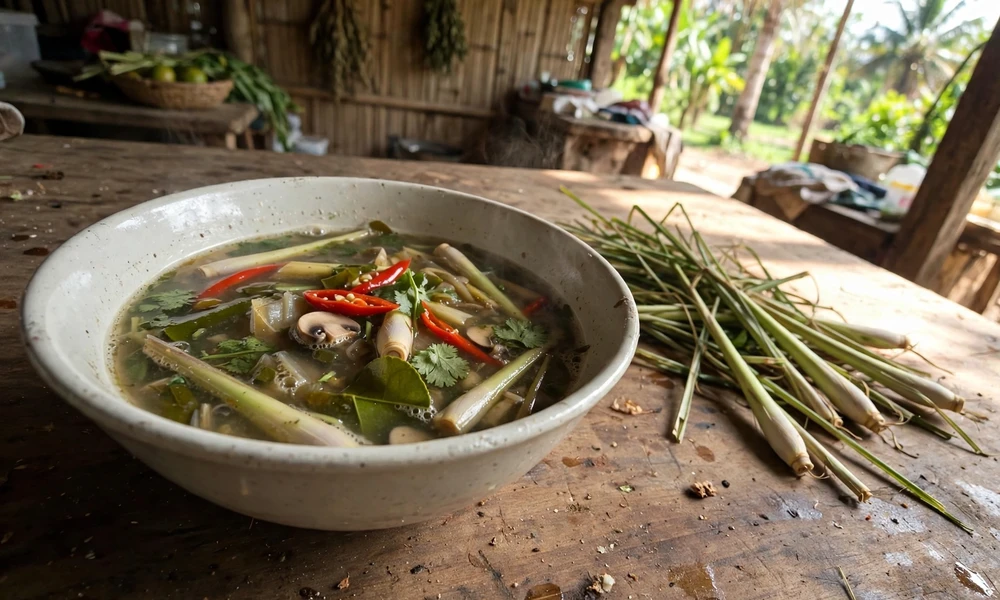
Put three questions in your first email. One, the cutting week: when it falls, and whether guests will be there for it or just before it. Two, the rate: what it covers, with supper, the drive in from the nearest town and walks among the clumps counted in the price rather than charged on arrival. Three, the kitchen: what it can serve if you eat gluten-free, since the bread on a farm table is nearly always wheat. A farm that answers all three plainly is a farm worth booking. The basil farm escape is planned on the same three questions, and the farms that answer them well are the ones guests remember.
The 9 steps to plan a lemongrass farm escape
Pick the stalk for the pot or the leaf for the still
What to do: Decide which lemongrass you love, then pick the farm that grows it. West Indian is the cooking grass, grown for its pale stalk; East Indian is the oil grass, grown for the still. Farms grow one kind or the other, never both together.
What to avoid: Do not book for the place on the map and hope the grass suits you. The mint farm escape runs on the same rule: pick the crop first, then the place.
Best for: Travellers who know their lemongrass. Time needed: An evening of reading. Standout tip: Taste both kinds in tea at home first.
Let the cutting week decide your travel dates
What to do: Hold off on flights and rooms until the farm fixes its cutting dates, then build the trip around them. The oil is at its best just before flowering, and the farm names the week a few weeks ahead.
What to avoid: Do not fix a week months in advance and hope the grass keeps to it. Grass cut after flowering smells lovely and cooks mild.
Best for: Travellers with a flexible calendar. Time needed: A few weeks of waiting. Standout tip: Get the week in writing from the farm.
Work out whether the farm wants stalk or leaf
What to do: Ask whether the farm cuts the stalk for the kitchen or the leaf for the still. A farm that knows its own grass will tell you in one sentence.
What to avoid: Do not assume every lemongrass farm distils oil, or that every farm cooks with the stalk. The two kinds are different species, and the work is different too.
Best for: Travellers who want the full picture. Time needed: A minute in the first email. Standout tip: Ask for the Latin name if the farm knows it.
See the clumps at first light, before the heat
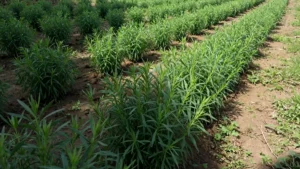
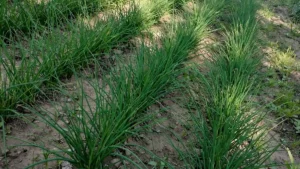
What to do: Walk the clumps in the early cool, before the sun takes the oil out of the stalks, wearing gloves and long sleeves, and watch where you put your hands, since the blades cut easily.
What to avoid: Do not leave it until midday, when the heat is fierce and the cutting is finished. Do not wear shoes you would mind ruining in the mud.
Best for: Early risers and slow walkers. Time needed: An hour before breakfast. Standout tip: Bruise a stalk, not a handful.
Bruise a stalk and smell the lemon rise
What to do: Bruise a fresh stalk between your palms and smell the lemon rise. The pale base is the cooking part, and the scent tells you at once whether the grass was cut at its best.
What to avoid: Do not judge the farm’s grass by a tea bag from home. Do not sweeten the tea before tasting, or the sugar will hide the lemon.
Best for: Tea drinkers and the curious. Time needed: One morning pot, poured at the table. Standout tip: Ask which stalks went into the pot.
Watch one bundle travel from the clump to the still
What to do: Follow a bundle from the clump to the rack to the still, cut with a sickle or a sharp knife, the still running in the late afternoon.
What to avoid: Do not get in the way of the work. The bundles are heavy, the still runs hot, and the farm sets the pace.
Best for: Travellers who want the whole story. Time needed: One morning to cut, one afternoon at the still. Standout tip: Stand downwind of the drying racks.
Pack gloves, long sleeves and a wide hat
What to do: Pack for a working farm, not a hotel: gloves and long sleeves for the cutting, boots that rinse clean, a wide sun hat, a rain layer, and clothes that wash easily by hand.
What to avoid: Leave white clothes and open sandals at home; nothing here stays clean. A soft bag climbs narrow farmhouse stairs better than a hard case.
Best for: Practical packers. Time needed: An evening spent packing. Standout tip: Pack the gloves and rain layer on top.
Fill your bag with the farm’s dried grass
What to do: Buy the farm’s own dried lemongrass, tea and oil at the gate. Dried lemongrass keeps well, the tea is the truest taste of the crop, and the oil lasts a year.
What to avoid: Do not buy lemongrass from a shop in town and call it the farm’s own. Do not haggle at the farm gate; the farm’s prices are already fair.
Best for: Travellers who want a souvenir that tells a story. Time needed: Ten minutes at the gate before you go. Standout tip: Ask the farm how it dries its grass.
Go home with the tea, and leave the grass growing
What to do: Leave the farm as you found it, with the clumps where the farm planted them and the rows straight and weeded. Take photographs, dried lemongrass and tea, and leave the living grass where it is.
What to avoid: Do not dig up a clump or take a stalk without asking. If you want lemongrass at home, ask for a potted division and keep it warm, since the frost will kill it.
Best for: Guests who leave the farm as they found it. Time needed: A pause at the gate before you leave. Standout tip: The best thing to take home is the dried tea.
Picking the right season and region
Count in cutting weeks, not in calendar months. The week falls just before flowering, and it shifts by region and by year, so the farm names it a few weeks ahead and the careful traveller waits for the word. Galle and Kampot cut in the warm months, when the clumps are tall and the kitchens are busy; Luang Prabang and Sylhet cut with the river mists in the mornings, and Darwin cuts in the dry season, when the days are clear and the still runs as the heat breaks.
Match the region to the grass and the climate together. Cooking-grass lovers belong in Galle, Kampot and Luang Prabang, where the stalk is the point and the kitchen is the reason to go; oil-grass lovers belong in Kumasi and Darwin, where the citral is sharp and the still is the point. Tea drinkers should look to Galle and Sylhet, and travellers who want scale to Kampot and Darwin, where lemongrass grows in acres rather than beds. The rosemary farm escape plans on the same seasonal logic, and the same question applies there: pick the crop you love, then pick the climate you can stand.
The caveats that matter
A lemongrass farm is a working farm with a sharp crop, and the farms are frank about it. The blades cut skin, so gloves and long sleeves are part of the kit on a cutting morning. The oil is at its best before flowering, so a stay booked after the grass has flowered smells lovely and cooks mild. The stays are small, the rooms are plain, and supper is one shared table, which suits travellers who enjoy company and not those who want privacy. Read the first email with care, ask what the rate truly covers, and raise the gluten-free question before you pay.
| Detail | What is known |
|---|---|
| When to go | The cutting weeks, just before the grass flowers, when the stalks hold the most oil, with the week named a few weeks ahead |
| What guests do | Walk the clumps in the morning, cut stalks at the base with a sickle or knife, carry bundles to the racks, and watch the leaves dried or distilled |
| How long to stay | Three to five nights, built around the cutting weeks rather than a fixed calendar date |
| Who should be careful | Guests with sensitive skin, since the blades cut easily, and anyone unused to fierce sun, heavy rain or steep muddy paths |
| What is on the table | Lemongrass tea, tom yum and fish curries, lemongrass with rice and vegetables, and lemongrass over fruit and puddings, with fresh bread beside the plate |
| Gluten-free note | The lemongrass itself is safe, but the bread and pastry on a farm table are nearly always wheat, so ask the kitchen before you pay |
| What to bring | Gloves and long sleeves for the cutting, boots that rinse clean, a wide sun hat, a rain layer for sudden showers, and clothes that wash easily by hand |
| What not to expect | No promised cutting day, no fixed menu, and no hotel-style service on a working farm |
Checklist: before you book a lemongrass farm escape
- Settle on the cooking grass or the oil grass first, and pick the farm that grows it.
- Wait for the farm to put its cutting week in writing before booking flights.
- Find out what the nightly rate covers, and what is charged separately on arrival.
- Warn the kitchen about gluten-free eating before you pay.
- Bring gloves, long sleeves, boots that rinse clean, a wide hat and a rain layer, and leave room for dried lemongrass.
- Leave the living grass where it grows, and take dried lemongrass home instead.
Frequently asked questions
Can gluten-free travellers enjoy a lemongrass farm?
Yes, provided the kitchen hears about it before you arrive. The grass itself carries no gluten, and farm cooking leans on vegetables, meat, fish and rice, so a gluten-free table is usually simple to arrange.
When is the right moment to book a lemongrass farm stay?
Once the farm has fixed its cutting week, which is usually a few weeks ahead. The farms are small, with only a handful of rooms, and everyone wants the cutting week, so the rooms go quickly once the dates are fixed.
What should I pack for lemongrass country?
Gloves and long sleeves for the cutting, closed walking shoes or boots that rinse clean, a wide sun hat, a rain layer, and clothes that wash easily by hand. The blades are sharp, the paths are muddy after rain, and the sun is fierce by midday in the hot-climate farms.
Do lemongrass farms welcome children?
Yes, on most of these farms. Bruising stalks for the kitchen is the easiest job on the farm, and the clumps are safe to walk, though children should wear gloves and long sleeves, stay out of the still, and keep to the paths, since the blades are sharp.
What should I bring home from a lemongrass farm?
The farm’s own dried lemongrass, tea and oil, bought at the gate. Dried lemongrass keeps well, the tea is the truest taste of the crop, and the oil is a small bottle that lasts a year.
What does a week on a lemongrass farm cost?
The nine farms in this guide run from $65 to $380 a night, so a week with meals runs roughly from $450 to $2,700 before flights, with the cheaper Sri Lankan and Cambodian farms at the bottom and the Australian farm at the top. The rate usually covers supper, the drive in and walks among the clumps, so read the first email carefully and ask what is billed on arrival.
The bottom line
A lemongrass farm escape is a short, slow, honest holiday, and it plans itself in the opposite order to most trips: the farm names its dates first, and everything else follows. Choose the cooking grass or the oil grass, wait for the cutting week, ask the kitchen your questions before you pay, and pack for a working farm rather than a hotel, and the farm will do the rest.
Of the nine steps, the two that matter most are the first and the third: pick the grass you love, and find out which half of the plant the farm cuts. Get those two right, and the tea will be brewed from stalks cut that morning, the clumps full, and the lemongrass at its strongest.