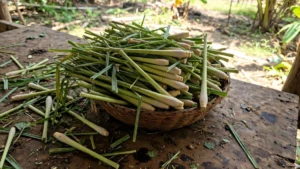
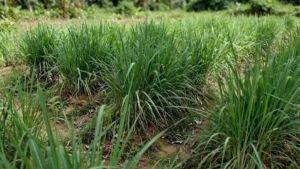
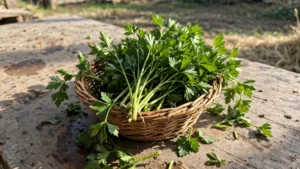
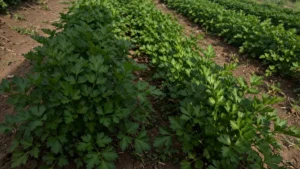
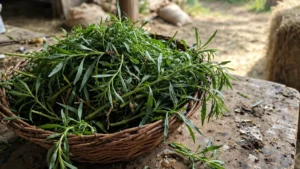
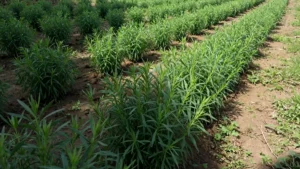
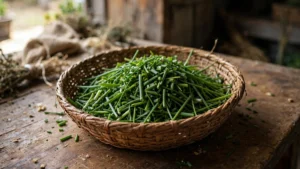
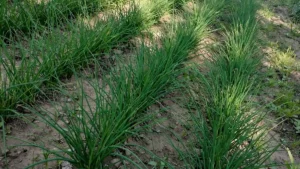
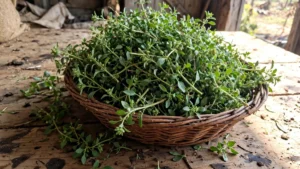
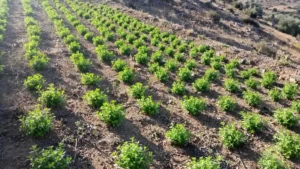
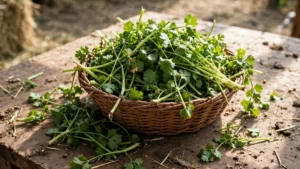
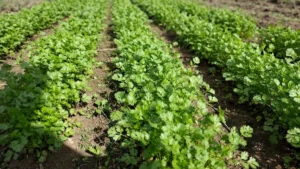
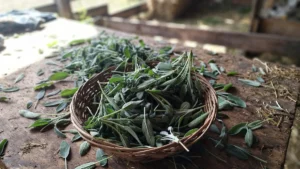
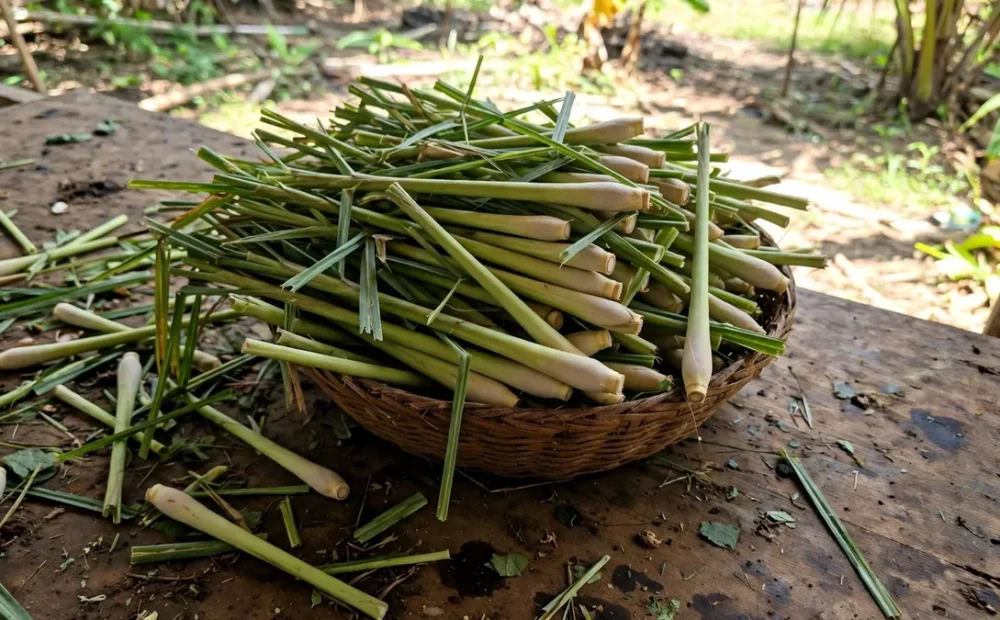
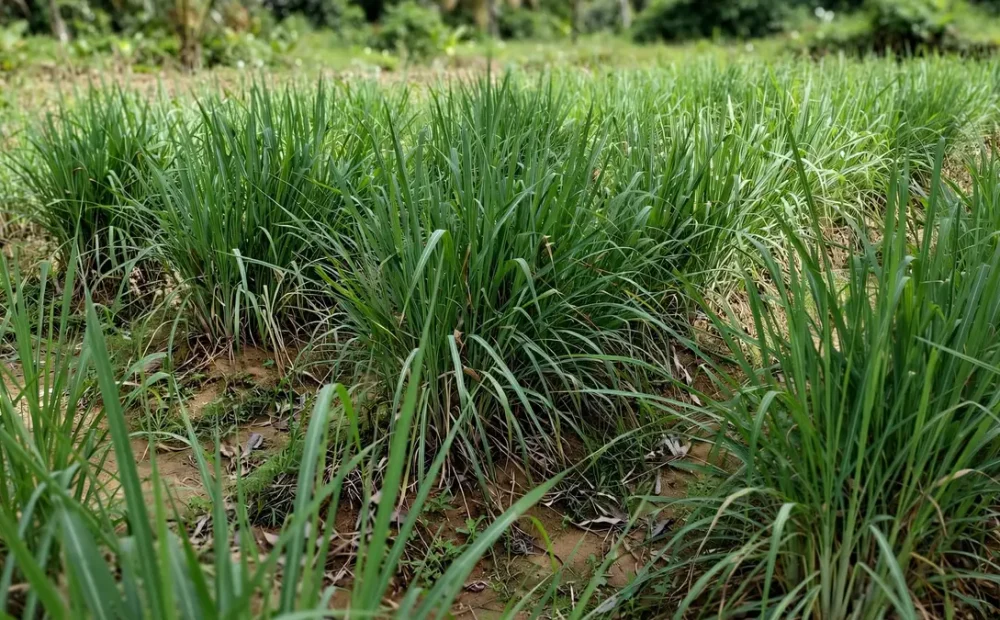
Tarragon is the most demanding herb on a farm, and the one that rewards a visit most. Its leaves are narrow and bright green, its scent is warm with anise, and the plant that matters in the kitchen cannot be grown from seed at all. A tarragon farm retreat is a few nights on a working herb farm at cutting time, with the leaves going into the kitchen the same morning they were cut, and the vinegar jars filling in the pantry while you sleep.
Most travellers meet tarragon in a sauce, usually béarnaise, or in a jar of dried leaves that smells of very little. Out in the rows it is a different plant altogether. The leaves are cut before the plant flowers, when the anise scent is strongest, and the cuttings are taken by hand, because the French tarragon worth cooking with is sterile and can only be spread by dividing its roots. A good stay lets you taste the fresh leaf, and shows you why the seed packets in garden shops grow a different, nearly flavourless plant.
Below are nine tarragon farm stays worth considering in 2027, from a smallholding in the Béarn hills to a river farm in the Hudson Valley. Each one is described by what it does well, what to watch for, and who it suits best, so you can choose by the cutting season.
Key takeaways
- French tarragon is the culinary herb, and Russian tarragon is a different, nearly flavourless plant, so ask which one the farm grows before you book.
- French tarragon is sterile and spreads only by cuttings and root division, never by seed, so a farm that shows you its cuttings knows its plant.
- The leaf season is brief, so the farm’s cutting week counts for more than the month you travel.
- Pick a stay by whether you want fresh leaves, tarragon vinegar, or both, because the two harvests happen at different times.
- Tarragon is naturally gluten-free, but farm kitchens bake bread and roll pastry, so check how the kitchen handles flour.
What a tarragon farm retreat actually is
A tarragon farm retreat is a stay on a working herb farm during the tarragon season, usually three to five nights, with a room on the farm and meals from the farm kitchen. The days are built around the cutting: out with the cutters in the cool of the morning, back to the kitchen to see the leaves washed and bunched, and an evening meal where tarragon appears in the chicken, the fish, and the sauce that the region is known for. Nothing is staged for show. The farm is growing tarragon for market, and you are there while it happens.
The best stays keep numbers small, usually no more than eight guests, because a cutting crew cannot work around a crowd. You sleep in a farmhouse room or a converted barn, eat at a long table with the family, and rest through the middle of the day, when the leaves wilt fastest.
How we picked these stays, and what to ask first
We started with farms that grow French tarragon as a real crop, sold to markets and kitchens, rather than a patch beside the door for show. Each stay on the list cuts its own leaves, makes its own vinegar, and cooks with both. We then checked that the farm welcomes guests during the cutting season, that the beds are on the farm itself, and that the kitchen can feed a table of strangers well. A farm that cannot do those three things did not make the list, however pretty its rows look in photographs.
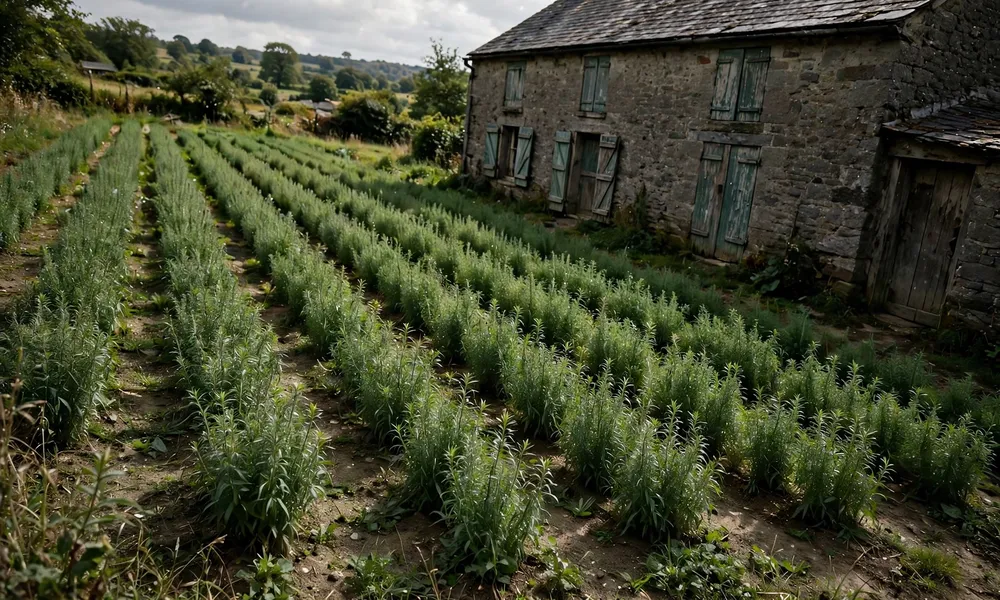
Before you book, ask three questions. First, whether the farm grows French or Russian tarragon, because only one is worth cooking with. Second, which week the farm cuts its leaves, and when it puts up the vinegar. Third, how the farm handles flour and bread, if you eat gluten-free, because a kitchen that bakes each morning needs a clear answer. Our guide to the dill farm retreats follows the same three questions, and they work just as well here.
The 9 best luxury tarragon farm retreats of 2027
Béarn, France — Tarragon in the Béarnaise Hills
What we like: Tarragon in Béarn grows in the Pyrenean foothills, and the farm cuts it for the kitchens that make the sauce the region is named for. The hills are green, and the kitchen serves roast chicken, béarnaise, and tarragon vinegar with the morning eggs.
What to consider: The cutting week is short, and the farm is deep in the hills, so the drive in is long and the evenings are quiet.
Style: French Pyrenean farm stay. Best for: Travellers who want tarragon where béarnaise was born. Price range: $65–$95 per night. Standout feature: Leaves cut at dawn for the béarnaise served that evening.
Gascony, France — Tarragon on the Armagnac Plain
What we like: Tarragon in Gascony grows on the wide plain between the vineyards, and the farm sells its leaves to the markets of Auch and Agen. The fields are flat, and the kitchen serves duck, white beans, and tarragon cream with farm bread.
What to consider: The summer heat can lie heavy on the plain, and the farm sits far from the railway, so book the lift in advance.
Style: French Gascon farm stay. Best for: Travellers who want tarragon from a French market garden. Price range: $100–$130 per night. Standout feature: Sprigs bunched for the Auch market before breakfast.
Languedoc, France — Tarragon among the Garrigue Herbs
What we like: Tarragon in the Languedoc grows among the garrigue herbs, and the farm cuts it beside the rosemary and thyme that scent the whole hillside. The lanes are lined with dry stone walls, and the kitchen serves grilled fish, ratatouille, and tarragon oil with the catch.
What to consider: The farm is small and books out early, and the dry wind can blow hard across the garrigue without warning.
Style: French Mediterranean farm stay. Best for: Travellers who want tarragon beside the herbs of the south. Price range: $135–$165 per night. Standout feature: Leaves picked to order for the Montpellier chefs.
Dordogne, France — Tarragon in the Walnut Valleys
What we like: Tarragon in the Dordogne grows in the river valleys between the walnut groves, and the farm cuts it for the restaurants that cook the region’s duck and mushrooms. The rivers are slow, and the kitchen serves confit, walnut salad, and tarragon butter with farm bread.
What to consider: The valley roads are narrow and winding, and the farm’s rooms are simple, so expect comfort rather than luxury.
Style: French river-valley farm stay. Best for: Travellers who want tarragon with duck and walnuts. Price range: $170–$200 per night. Standout feature: Leaves cut for the riverside restaurants the same morning they are cooked.
Kakheti, Georgia — Tarragon in the Wine Valleys
What we like: Tarragon in Kakheti grows in the wine valleys of eastern Georgia, where the herb is a kitchen staple and the green drink made from it is sold in every market. The vineyards are old, and the kitchen serves khachapuri, grilled meats, and tarragon sauces with farm wine.
What to consider: The language is a barrier on small farms, and the roads out of Tbilisi are slow, so travel with time to spare.
Style: Georgian wine-valley farm stay. Best for: Travellers who want tarragon where Georgia cooks with it daily. Price range: $205–$235 per night. Standout feature: Leaves cut for the green sauce served with the evening barbecue.
Ararat Valley, Armenia — Tarragon under Mount Ararat
What we like: Tarragon in the Ararat Valley grows in the shadow of the mountain, and the farm cuts it for the Yerevan kitchens that prize it above all other herbs. The valley is wide and sunny, and the kitchen serves lavash, grilled fish, and tarragon salads with farm cheese.
What to consider: The summer sun is fierce on the valley floor, and the farm is a long drive from Yerevan, so travel early in the day.
Style: Armenian valley farm stay. Best for: Travellers who want tarragon under the mountain that defines the country. Price range: $240–$270 per night. Standout feature: Sprigs cut for the Yerevan markets before the sun is high.
Samarkand, Uzbekistan — Tarragon on the Silk Road
What we like: Tarragon in Samarkand grows on the old Silk Road, where the herb has been traded for centuries, and the farm cuts it for the bazaars that fill the city each morning. The domes are blue, and the kitchen serves plov, grilled lamb, and tarragon tea with farm bread.
What to consider: The summer heat is fierce, and the farm’s English is limited, so learn a few Uzbek words first.
Style: Uzbek Silk Road farm stay. Best for: Travellers who want tarragon from the road that carried it west. Price range: $275–$305 per night. Standout feature: Leaves dried for the spice merchants of the Samarkand bazaar.
Umbria, Italy — Tarragon in the Green Heart Hills
What we like: Tarragon in Umbria grows in the green heart of Italy, and the farm cuts it for the kitchens of Perugia and Assisi. The hills are soft, and the kitchen serves roast pork, lentils, and tarragon oil with farm olive oil.
What to consider: The farm sits on a steep hill, and the nearest town is a drive away, so bring what you need with you.
Style: Italian hill farm stay. Best for: Travellers who want tarragon in the quiet heart of Italy. Price range: $310–$340 per night. Standout feature: Leaves cut for the Perugia restaurants the same morning they are served.
Hudson Valley, USA — Tarragon on the River Farms
What we like: Tarragon in the Hudson Valley grows on the river farms north of New York, and the farm cuts it for the city restaurants that prize fresh French tarragon above all else. The river is wide, and the kitchen serves roast chicken, farm eggs, and tarragon butter with valley bread.
What to consider: The season is short, and the farm books out early in the summer, so reserve the cutting week as soon as the farm names it.
Style: American river-valley farm stay. Best for: Travellers who want tarragon a short train ride from New York. Price range: $345–$380 per night. Standout feature: Sprigs cut at dawn for the city kitchens that evening.
Which tarragon region fits your trip
If you want the classic French leaf above all else, go to Béarn, Gascony, or the Dordogne, where the sprigs are cut for the kitchen the same morning. If you want tarragon as a daily kitchen herb rather than a sauce ingredient, go to Kakheti or the Ararat Valley, where the herb is eaten fresh at every meal. If you want a holiday as much as a farm visit, the Languedoc and Umbria are the stays to choose, with the sea and the hills close by.
For a first trip, Béarn is the simplest choice. The farm is easy to reach from the south of France, the cutting week is generous, and the kitchen cooks with tarragon every day, so you will taste the herb at every meal. Our guide to the thyme farm retreats uses the same first-timer logic, and it holds here too: pick the farm that cooks with its crop daily, and the rest of the trip follows.
The caveats that matter
Tarragon answers to the weather more than most crops. A hot spell makes the plants bolt, pushing up flower stalks and thinning the flavour, so a farm can lose its leaf week in a matter of days. Rain at cutting time can bruise the leaves, and a cold spring can push the whole season back by a fortnight. A good farm will tell you the day the dates move. Book a stay that lets you shift the week without losing the deposit, and follow the farm’s own forecast rather than the national one.
| Detail | What is known |
|---|---|
| French tarragon | The culinary herb, sterile, spread only by cuttings and root division |
| Russian tarragon | A different, hardier plant, nearly flavourless, grown from seed |
| Best cutting time | Early morning, before the sun takes the anise scent out of the leaves |
| What makes it bolt | Hot weather pushes up flower stalks and thins the flavour |
| Who should check first | Anyone who eats gluten-free, because farm kitchens bake bread daily |
| What to avoid | Booking a fixed week without a way to shift it if the season moves |
| How it travels | Fresh sprigs wilt fast, so bring home dried tarragon and vinegar instead |
| What it does not do | It does not keep its scent once dried badly, so buy it from the farm, not a shop |
Tarragon is also easy to confuse with Russian tarragon, its hardier cousin, which looks the same but tastes of almost nothing. A farm that grows both will show you the difference in the leaves, and it is worth learning, because the two cook very differently. Our guide to the oregano farm retreats carries the same warning about lookalike plants, and the lesson is the same: trust the farmer’s eye, not the photograph.
Checklist: booking a tarragon farm stay honestly
Work through these checks before you pay, and again the week before you travel.
- Check the variety: ask the farm whether it grows French tarragon or Russian tarragon, and how it proves the difference.
- Check the cutting week: ask the farm which week it cuts its leaves, and when it puts up the vinegar.
- Check the kitchen: ask whether the farm cooks with tarragon every day, or only when guests ask.
- Check the room: confirm the bed is on the farm itself, not in a town an hour away.
- Check the shift: confirm you can move the week without losing the deposit if the season slips.
- Check the bag: pack a cool bag for sprigs, and leave room for dried tarragon and vinegar to bring home.
Frequently asked questions
What is French tarragon, and how is it different from Russian tarragon?
French tarragon is the culinary herb, with a warm anise flavour and narrow, bright green leaves. Russian tarragon is a different, hardier plant with a similar look and almost no flavour. French tarragon is sterile and spreads only by cuttings, while Russian tarragon grows easily from seed, which is why most seed packets labelled tarragon grow the flavourless one.
When do the farms cut their tarragon?
Most farms cut their tarragon in the early morning, from late spring into midsummer. The leaves are taken before the plant flowers, when the anise scent is strongest. The farm names the week a month ahead, and the dates can shift if the weather turns hot or wet.
Is tarragon the same herb as the one in béarnaise sauce?
Yes. Béarnaise is made with French tarragon, reduced with vinegar and shallots, and whisked into butter. A farm in Béarn will show you the sauce made with leaves cut that morning, and the difference from a jar is easy to taste.
May guests cut in the rows with the crew?
Yes, on most of these farms, if you ask the night before. The work is simple, cutting above a leaf joint with a sharp knife, but the crew sets the pace, and guests follow their lead. Wear gloves if your skin is sensitive, and cut only the rows the farmer points out.
Which tarragon farm region suits a first visit best?
Béarn, for the easiest journey and the most generous cutting week. The farm cooks with tarragon every day, the kitchen is used to guests, and the Pyrenean hills give you somewhere to walk when the sun is high and the cutting stops.
Can you eat well gluten-free on a tarragon farm?
Yes, if you tell the farm when you book. Tarragon itself is naturally gluten-free, and the chicken, fish, and sauces are safe. The risk is the bread and pastry baked every morning, so ask how the farm keeps them apart from your plate.
The bottom line
A tarragon farm retreat suits travellers who like their food to come from the field they are standing in, and who are happy to let the farm set the day. The herb is fussy, the season is short, and the best stays are the ones that cut it, cook it, and put it up in vinegar without fuss.
Pick the region by whether you want leaves or vinegar, ask which tarragon the farm grows before you book, and leave the fresh sprigs behind. The vinegar you bring home will carry the trip further than any photograph.