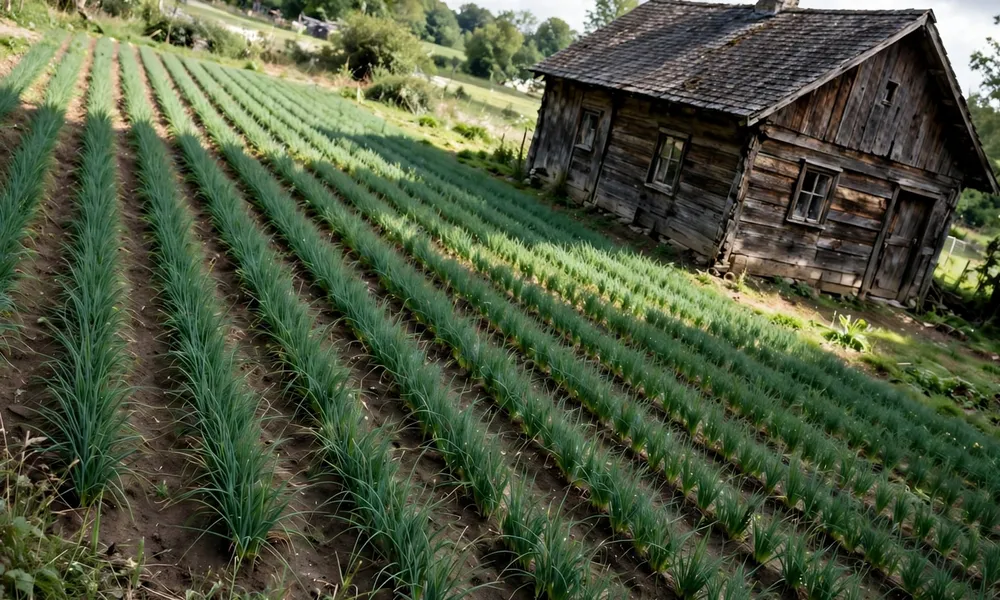
Chives are the smallest crop on a farm and the easiest to overlook, which is exactly why a visit is worth it. They grow in low green clumps, they are cut with scissors rather than a knife, and their season is the first green thing after winter, so a farm that grows them well has watched the soil since the snow melted. A chives farm retreat is a few nights on a working herb farm at first-cut time, with the leaves snipped in the morning and scattered over the potatoes, eggs, and soft cheese at lunch the same day.
Most travellers know chives only as the green sprinkle on a baked potato. On the farm they are a different herb altogether. The leaves are hollow tubes, cut before the plant flowers, when the flavour is mild and clean, and the purple pom-pom flowers that come later are left for the bees and the table. A good stay lets you taste both kinds of chives side by side, and shows you why the flat leaves of garlic chives are a different plant from the round leaves of common chives, even though both grow in the same bed.
Below are nine chives farm stays worth considering in 2027, from a border farm in Northumberland to a high Alpine valley in Italy. Each one is described by what it does well, what to watch for, and who it suits best, so you can choose with the first cut in mind, not just the price.
Key takeaways
- Common chives have hollow round leaves and a mild onion flavour, while garlic chives have flat leaves and a garlic scent, and the two are different plants.
- The leaves are mildest when cut before the plant flowers, and the first cut of the year is the one farms plan their stays around.
- Chives are a perennial, so a farm that grows them has tended the same clumps for years, and the kitchen knows them by heart.
- Pick a stay by whether you want fresh leaves, the purple flowers, or both, since the flowers come weeks after the first cut.
- Chives are naturally gluten-free, but farm kitchens bake bread and roll pasta, so check how the kitchen handles flour before you book.
What a chives farm retreat actually is
A chives farm retreat is a stay on a working herb farm during the chives season, usually three to five nights, with a room on the farm and meals from the farm kitchen. The days are built around the cutting: out with the snippers in the cool morning, then back to the kitchen to see the leaves washed and chopped, and an evening meal where chives appear in the eggs, the potatoes, and the soft cheese. Nothing is staged for show. The farm is growing chives for market, and you are there while it happens.
The best stays take few guests at a time, often no more than eight, because the snippers need room to work and the kitchen table is only so long. You sleep in a farmhouse room or a converted barn, eat at a long table with the family, and spend midday out of the sun, when the cut leaves wilt fastest. The work is gentle rather than frantic, and the farm sets the rhythm.
How we picked these stays, and what to ask first
We started with farms that grow chives as a real crop, sold to markets and kitchens, not a pot beside the door for show. Each stay on the list cuts its own chives, dries some for winter, and cooks with both. We then checked that the farm takes guests in cutting season, that the beds are on the farm itself, and that the kitchen can feed strangers well. A farm that falls short on any of those three did not make the list, however green its beds look in photographs.
Before you book, ask three questions. First, which week does the farm take its first cut, and when do the purple flowers open, because the two rarely overlap. Second, whether the farm grows garlic chives as well as common chives, because tasting both at one table is the quickest way to learn the difference. Third, what the kitchen does about flour and bread if you eat gluten-free, since a kitchen that bakes each morning must answer plainly. Our guide to the onion farm retreats follows the same three questions, and they work just as well here, since chives are onion family too.
The 9 best luxury chives farm retreats of 2027
Northumberland, England — Chives on the Border Hills
What we like: Chives in Northumberland grow in sheltered beds below the border hills, and the farm cuts them for the market gardens that feed Newcastle and the Tyne valley. The hills are wide and quiet, and the kitchen serves baked potatoes, soft cheese, and chive butter on warm bread.
What to consider: The first cut can be late after a cold spring, and the farm is far from the railway, so arrange the lift in advance.
Style: English border farm stay. Best for: Travellers who want chives where England grows them earliest. Price range: $65–$95 per night. Standout feature: Leaves snipped at dawn for the potato table that lunchtime.
Cumbria, England — Chives in the Lake Country
What we like: Chives in Cumbria grow in walled gardens below the fells, and the farm supplies the village tearooms that prize fresh leaves. The lakes are close, and the kitchen serves egg dishes, new potatoes, and chive cream.
What to consider: The rain can arrive without warning, and the farm’s rooms are simple, so expect comfort rather than luxury.
Style: English lakeside farm stay. Best for: Travellers who want chives beside the lakes. Price range: $100–$130 per night. Standout feature: Leaves cut to order for the tearoom kitchens down the lane.
Connemara, Ireland — Chives on the Rocky Shore
What we like: Chives in Connemara grow in beds sheltered from the Atlantic wind, and the farm cuts them for the guesthouses along the coast road. The shore is wild, and the kitchen serves smoked fish, soda bread, and chive butter with the day’s catch.
What to consider: The wind is steady and the rain is frequent, so bring a waterproof jacket and warm layers.
Style: Irish Atlantic-coast farm stay. Best for: Travellers who want chives with sea air and smoked fish. Price range: $135–$165 per night. Standout feature: Leaves snipped beside the shore for the fish supper that evening.
Gwynedd, Wales — Chives below Snowdonia
What we like: Chives in Gwynedd grow in the valleys below Snowdonia, and the farm dries some of its cut for the winter kitchens feeding the walkers. The mountains are close, and the kitchen serves lamb, leeks, and chive sauce with the farm’s own cheese.
What to consider: The mountain weather changes fast, and the farm sits up a narrow lane, so drive carefully in the rain.
Style: Welsh mountain-valley farm stay. Best for: Travellers who want chives after a day on the hills. Price range: $170–$200 per night. Standout feature: Leaves cut for the walkers’ supper, with the peaks in view.
Trentino, Italy — Chives in the Dolomite Valleys
What we like: Chives in Trentino grow in the valley meadows below the Dolomites, and the farm cuts them for the mountain restaurants serving dumplings and herb butter. The peaks are pale at dawn, and the kitchen serves speck, soft cheese, and chive butter with warm bread.
What to consider: The valley roads are steep, and the farm books out early for the summer walking season.
Style: Italian Alpine-valley farm stay. Best for: Travellers who want chives in the mountains. Price range: $205–$235 per night. Standout feature: Leaves snipped in the valley meadow for the dumpling table that evening.
Friuli, Italy — Chives on the Eastern Plain
What we like: Chives in Friuli grow on the eastern plain near the Slovenian border, and the farm supplies the trattorias that prize fresh herbs. The plain is wide, and the kitchen serves polenta, soft cheese, and chive cream with the farm’s eggs.
What to consider: The summer heat can be heavy on the plain, and the farm’s English is limited, so learn a few Italian words first.
Style: Italian eastern-plain farm stay. Best for: Travellers who want chives from a working market garden. Price range: $240–$270 per night. Standout feature: Leaves bunched for the morning market before breakfast.
Dalarna, Sweden — Chives on the Lake Shore
What we like: Chives in Dalarna grow beside the forest lakes, and the farm cuts them for the summer kitchens that feed the region’s fish suppers. The lakes are still, and the kitchen serves pickled herring, new potatoes, and chive butter on crispbread.
What to consider: The cutting week is brief, and the farm sits deep among the trees, so the drive in is long and the nights are still.
Style: Swedish lakeside farm stay. Best for: Travellers who want chives where Sweden eats them most. Price range: $275–$305 per night. Standout feature: Leaves cut at dawn for the herring table that evening.
Telemark, Norway — Chives on the Southern Fjords
What we like: Chives in Telemark grow in gardens above the southern fjords, and the farm cuts them for the guesthouses feeding walkers and sailors. The fjords are deep, and the kitchen serves lake trout, flatbread, and chive cream with the morning catch.
What to consider: The roads wind steeply down to the water, and the farm’s rooms are simple, so expect comfort rather than luxury.
Style: Norwegian fjord farm stay. Best for: Travellers who want chives with fjord air and lake fish. Price range: $310–$340 per night. Standout feature: Leaves snipped above the fjord for the trout supper that evening.
Aosta Valley, Italy — Chives in the High Alps
What we like: Chives in the Aosta Valley grow in terraced beds high above the river, and the farm cuts them for the mountain inns serving fontina and rye bread. The peaks are close, and the kitchen serves polenta, fontina, and chive butter with the farm’s own eggs.
What to consider: The season is very short at altitude, and the farm is remote, so book the first-cut week as soon as the farm names it.
Style: Italian high-Alpine farm stay. Best for: Travellers who want chives at the edge of the Alpine summer. Price range: $345–$380 per night. Standout feature: Leaves cut on the terrace for the fontina supper below the peaks.
Which chives region fits your trip
If you want fresh leaves above all else, go to Northumberland, Cumbria, or Dalarna, where the leaves are snipped for the kitchen the same morning. If you want the purple flowers, go to Gwynedd or the Aosta Valley, where the farm leaves rows standing for the bees. If you want the trip to feel like a holiday as much as a farm visit, Connemara and Telemark are the coastal choices, with the sea and the fjords close by.
For a first trip, Northumberland is the simplest choice. The farm is easy to reach from the north of England, the first-cut week is generous, and the kitchen cooks with chives daily, so you will taste the herb at every meal. Our guide to the leek farm retreats uses the same first-timer logic, and it holds here too: pick the farm that cooks with its crop daily, and the rest of the trip follows.
The caveats that matter
Chives answer to the weather more than most herbs. A cold spring pushes the first cut back by a fortnight, and a hot spell makes the plants flower early, which turns the leaves coarse and strong. Once the purple flowers open, the leaves are no longer at their mildest, so a farm can lose its leaf week in days. A good farm will write to you the moment the dates shift. Choose a stay that lets you move the week without losing the deposit, and watch the farm’s own forecast rather than the national one.
| Detail | What is known |
|---|---|
| Common chives | Hollow round leaves, mild onion flavour, cut before the plant flowers |
| Garlic chives | Flat leaves, garlic scent, a different plant from common chives |
| Best cutting time | Early morning, with scissors, before the sun takes the scent out of the leaves |
| What makes them flower | Warm weather pushes up purple pom-pom flowers, and the leaves turn coarse |
| Who should check first | Anyone who eats gluten-free, because farm kitchens bake bread daily |
| What to avoid | Booking a fixed week without a way to shift it if the season moves |
| How they travel | Fresh leaves wilt fast, so bring home dried chives and seed instead |
| What they do not do | They do not keep their scent once chopped badly, so snip them, do not crush them |
Chives are also easy to confuse with wild garlic, which grows in the same damp woods and has a similar scent. Wild garlic has broad flat leaves and white flowers, while chives have hollow tubes and purple pom-poms, and the two cook very differently. A farm that grows both will show you the difference in the field, and it is worth learning, because the two herbs are not interchangeable. Our guide to the dill farm retreats carries the same warning about lookalike herbs, and the lesson is the same: trust the farmer’s eye, not the photograph.
Checklist: booking a chives farm stay honestly
Work through these checks before you pay, and again the week before you travel.
- Check the first cut: ask the farm which week it takes its first cut, and when the flowers open.
- Check both chives: ask whether the farm grows garlic chives as well as common chives.
- Check the flour: ask how the kitchen keeps bread and pasta away from gluten-free plates.
- Check the room: make sure the bed is on the farm, not in a town an hour’s drive away.
- Check the shift: make sure you can move the week without losing the deposit if the season shifts.
- Check the bag: pack scissors and a cool bag for leaves, and leave room for dried chives to bring home.
Frequently asked questions
How are common chives different from garlic chives?
Common chives have hollow round leaves and a mild onion flavour. Garlic chives have flat leaves and a garlic scent, and they flower later with white star-shaped blooms. They are different plants, and a farm growing both will let you taste them side by side.
When do the farms cut their chives?
Most farms take the first cut in the morning, from late spring into early summer, depending on the region. The purple flowers open a few weeks later, and the leaves are left to regrow after each cut. The farm names the week a month ahead, and the dates can move if the weather turns cold or hot.
Can you eat the purple chive flowers?
Yes, the purple pom-pom flowers are edible, and farms scatter them over salads and soft cheese. They taste mild and oniony, like the leaves. Farms leave some rows standing for the bees, which love them.
May guests snip chives in the beds themselves?
Yes, on most of these farms, if you ask the evening before. The work is simple, snipping above the crown with scissors, but the crew sets the pace, and guests follow it. Wear gloves if your skin is sensitive, and cut only the clumps the farmer points to.
Which chives farm region should a first-timer pick?
Northumberland, for the easiest journey and the most generous first-cut week. The farm cooks with chives every day, the kitchen is used to guests, and the border hills give you somewhere to walk when the cutting stops.
Can you eat well gluten-free on a chives farm?
Yes, if you tell the farm when you book. Chives themselves are naturally gluten-free, and the fish, potatoes, and eggs are usually safe. The risk is the morning’s bread and pasta, so ask how the farm keeps them away from your plate.
The bottom line
A chives farm retreat suits travellers who like their food to come from the bed they are standing beside, and who are happy to let the farm set the day. The herb is small, the season is early, and the best stays are the ones that snip it, cook it, and dry it without fuss.
Pick the region by whether you want leaves or flowers, ask the farm for its first-cut week before you book anything else, and leave the fresh bunches behind. The dried chives you bring home will carry the trip further than any photograph.