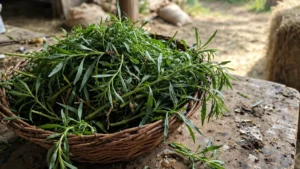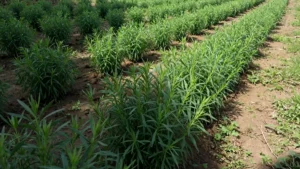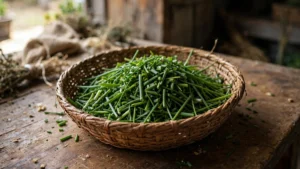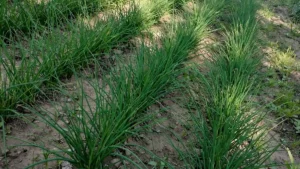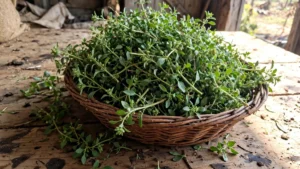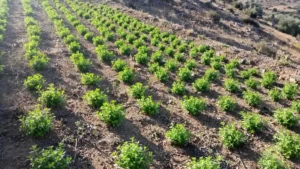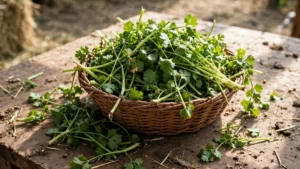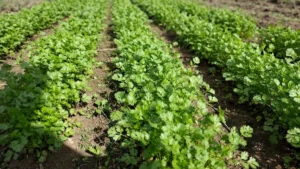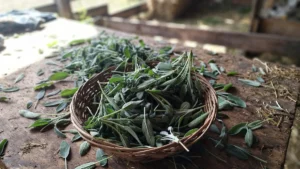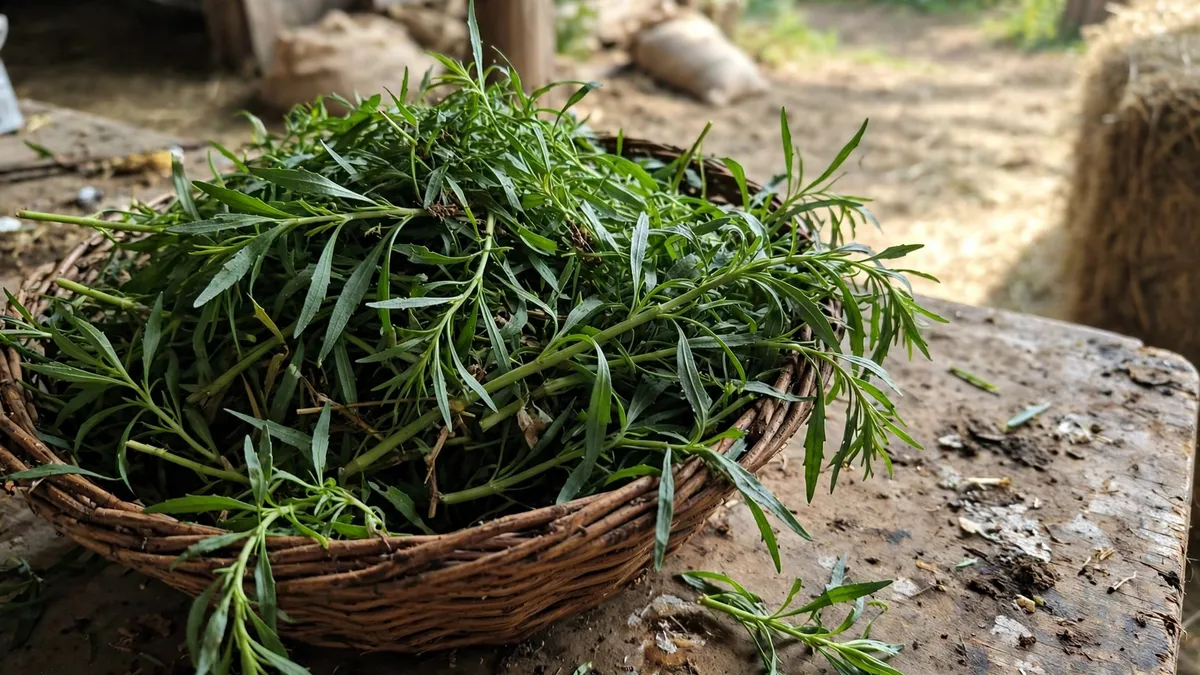
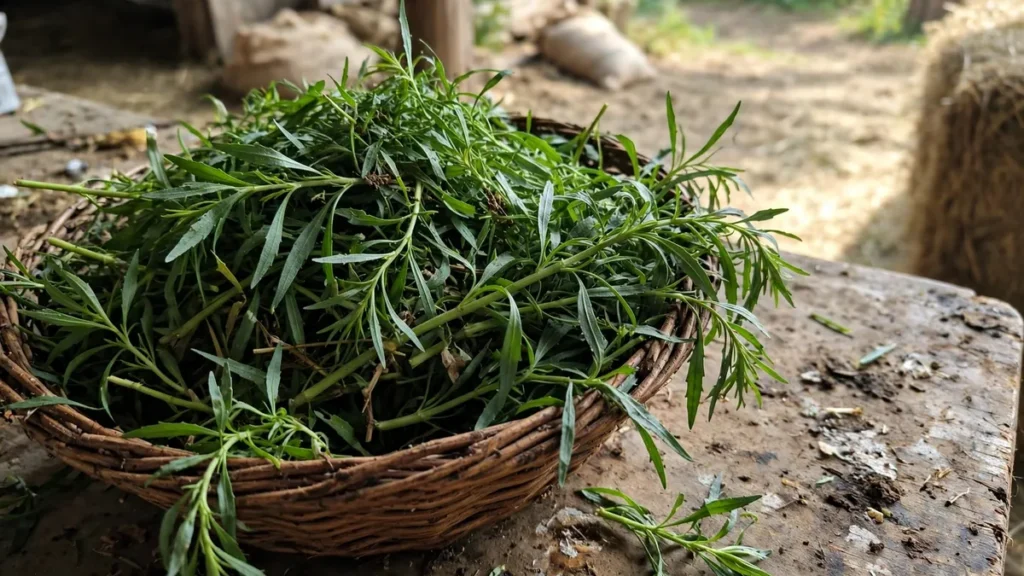
A tarragon farm escape is three to five nights on a working herb farm at cutting time, with the leaves coming into the kitchen the same morning they were cut. It is a quiet trip, built around early mornings in the rows, long lunches at a farm table, and evenings when the chicken and the sauce carry the herb you watched being cut. Nothing about it is hurried, and that is the whole point of it.
The trip works best if you plan it around the herb, not the calendar. Tarragon is a perennial that wakes late in spring, and the leaf season can open and close in a fortnight, while the vinegar is put up weeks later. A farm that names its cutting week a month ahead is worth more than a farm with a prettier website, because the dates decide whether you see the cutting at all.
Below are nine steps to plan a tarragon farm escape in 2027, from choosing French tarragon first to packing the vinegar you bring home. Each step is written to be done in order, so work through them one at a time instead of booking the flights first and hoping the farm fits around them.
Key takeaways
- Decide before you book that you want French tarragon, because Russian tarragon is a different plant with almost no flavour.
- Let the farm name its cutting week first, and only then book the flights and rooms.
- Cut tarragon in the cool of the morning, above a leaf joint, and leave enough of the plant standing to keep it growing.
- Fresh sprigs wilt within hours, so the souvenirs worth carrying home are dried tarragon and vinegar.
- Tarragon is naturally gluten-free, but farm kitchens bake bread every morning, so tell the farm about your diet when you book.
What a tarragon farm escape involves
A tarragon farm escape is a stay on a working herb farm during the tarragon season, with a room on the farm and meals from the farm kitchen. The days follow the cutting. You are out in the rows in the cool of the morning, back at the farmhouse by midday when the sun takes the scent out of the leaves, and at the table in the evening while the kitchen puts the day’s cutting into the chicken, the fish, and the béarnaise. The farm is cutting tarragon for its buyers, and your stay runs alongside the real harvest.
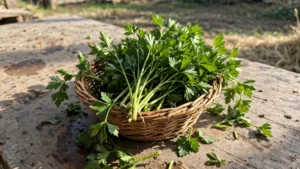
The work is light but real. Cutting tarragon means walking the rows with a sharp knife, taking the sprigs above a leaf joint, and bunching them for the kitchen or the market. Making vinegar means steeping the leaves in the pantry and waiting weeks for the flavour to settle. Guests are welcome to join in both, but the crew sets the pace, and the farm’s own harvest comes first. The work is gentle enough for a first-timer, and the farmer shows you the cut before you take the knife. Evenings are for eating, and the table is where the trip proves itself.
How to plan it, and what to ask first
Start with the herb, not the map. Decide whether you want the fresh leaf, which is cut before the plant flowers, or the vinegar, which is put up weeks later in the pantry. The leaf trip is green and fragrant, with the kitchen working at its hardest. The vinegar trip is slower, with the pantry full of steeping jars and the sauce pans on the stove. Trying to do both in one week rarely works, because the two harvests are weeks apart.
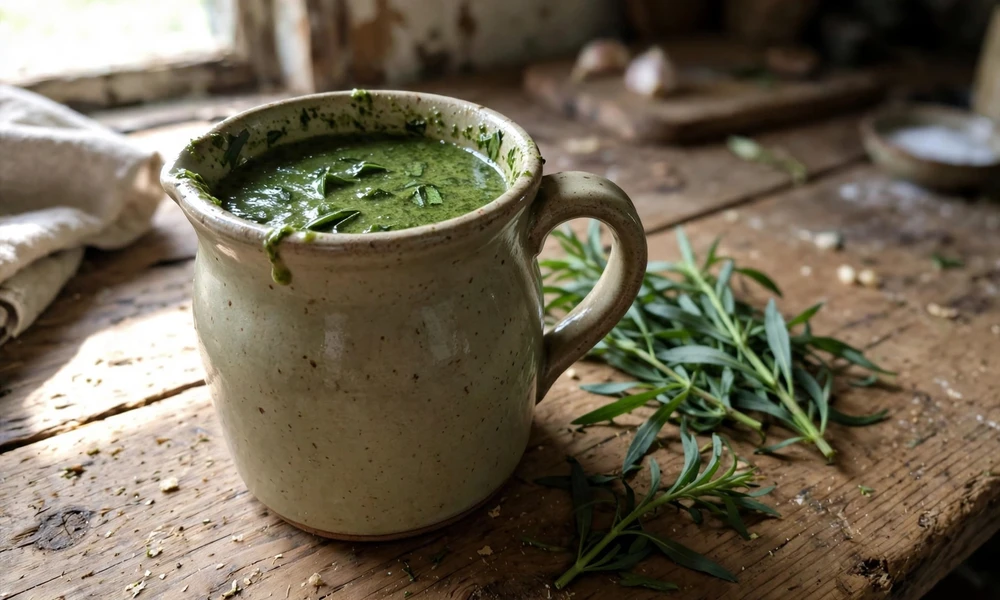
Once you have chosen, write to the farm and put three questions to it. Whether it grows French tarragon or Russian tarragon, and how it proves the difference. Which week it cuts its leaves, and when it puts up the vinegar. And how the kitchen handles flour and bread, if you eat without gluten. A farm that answers all three clearly is a farm that knows its own harvest. Our guide to the dill farm escape opens with the same three questions, and they save more trips than any packing list.
The 9 steps to plan a tarragon farm escape
Settle on French tarragon, and ask how the farm grows it
What to do: Confirm the farm grows French tarragon, the culinary herb, and ask to see the cuttings beds, because the plant is sterile and spreads only by dividing its roots. What to avoid: Booking a farm that cannot tell you which tarragon it grows, and arriving to find the flavourless Russian kind. Best for: Travellers who choose by the kitchen, not by the price. Time needed: An evening spent with the farm’s planting notes and kitchen menus. Standout tip: A farm that shows you its cuttings knows its tarragon better than one that buys its plants in.
Ask the farm for its week, and hold every booking
What to do: Hold off until the farm fixes its cutting dates, usually a month ahead, and only then arrange flights, trains, and ferries around them. What to avoid: Grabbing a cheap flight first and finding the farm cuts a fortnight later. Best for: Travellers who would rather move a flight than miss the cutting. Time needed: A week of messages with the farm while the dates firm up. Standout tip: Ask the farm to hold the room until the cutting week is settled, and most will.
Snip the shoot tips to keep the plants low and full
What to do: Learn the farm’s pinch before you go out: nip the growing tip above a leaf joint, and the plant throws out side shoots that keep it bushy. What to avoid: Yanking a plant out by the roots, or cutting it to the ground, which ends its season in one stroke. Best for: Travellers who want to work in the rows instead of watching from the fence. Time needed: Ten minutes at the farmer’s side on your first morning. Standout tip: A plant pinched early gives three cuttings, while one cut low gives only one.
Let the evening béarnaise show what the farm can do
What to do: Ask for the farm’s béarnaise at the first supper, and taste how the tarragon sits in it, because the sauce is where a farm’s tarragon proves itself. What to avoid: Filling up on bread before the sauce arrives, and missing the flavour the trip is for. Best for: Travellers who judge a farm by what comes out of its kitchen. Time needed: A single evening meal, eaten slowly. Standout tip: The béarnaise made with leaves cut that morning tells you more than any tour of the fields.
Take the top of the stem and leave two leaf pairs below
What to do: Take the top of the stem and leave at least two leaf pairs below your cut, so the plant keeps feeding itself and carries on growing. What to avoid: Stripping a stem bare, which starves the plant and leaves nothing for the next cut. Best for: Travellers who want an invitation back next year. Time needed: A morning in the rows, cutting at the farmer’s own pace. Standout tip: Count the leaf pairs before you cut, and the plant does the rest.
Join the dawn cutting, before the heat takes the scent
What to do: Join the cutters at first light, while the dew is still on the sprigs and the anise scent is at its strongest. What to avoid: Lying in and cutting at noon, when the sun has taken the oil out of the leaves. Best for: Early risers who want the farm at its very best. Time needed: Two hours ahead of breakfast, with the crew. Standout tip: The sprigs cut at dawn keep their scent until supper, and the ones cut at noon do not.
Dry the sprigs in the barn, not in the sun
What to do: Ask to see the barn where the sprigs hang, and learn how the farm dries them in the shade so the anise scent stays in the leaves. What to avoid: Drying sprigs in full sun, which bleaches them pale and takes the flavour out. Best for: Travellers who want to know the whole plant, not just the leaf. Time needed: Half an hour in the barn beside the farmer. Standout tip: A sprig that dries in the shade keeps its green, and one dried in the sun does not.
Ask the farmer how a cutting becomes a new plant
What to do: Ask the farmer to show you how French tarragon is spread, by dividing the roots in spring and potting the cuttings until they take. What to avoid: Buying seed packets labelled tarragon, which almost always grow the flavourless Russian plant. Best for: Travellers who garden at home and want a plant worth growing. Time needed: Half an hour in the cuttings beds with the farmer. Standout tip: A cutting taken in spring is a plant for next year, and a seed packet is a disappointment.
Carry the vinegar home, and leave the fresh sprigs in the field
What to do: Buy the farm’s own dried tarragon and vinegar at the farm shop, and pack them in your case for the journey home. What to avoid: Carrying fresh bunches through customs and airports, where they wilt and are often taken from you. Best for: Travellers who cook with tarragon all year. Time needed: Fifteen minutes in the farm shop on your last morning. Standout tip: Vinegar from the farm you visited will flavour your sauces for a year, and the story comes free.
Picking the right season and region
For the deepest tarragon flavour, travel in late spring or early summer, when the leaf is cut before the plants bolt. Béarn and Gascony are the kindest first choices, with long cutting weeks and kitchens that cook with tarragon every day. For vinegar, travel later in the summer, when the jars are steeping in the pantry, and the Languedoc and Umbria are the farms to choose, because their vinegar making is a craft in itself.
If you want the trip to feel like a holiday as well as a farm visit, the Dordogne and the Hudson Valley are the stays to pick, with the rivers close by and the days built around the water as well as the fields. If you want the most tarragon for your money, Kakheti and the Ararat Valley are the farms to choose, where the herb is a staple and the kitchen feeds you like family. The farm shop sells the vinegar it put up, and the kitchen sends you home with a jar if you ask. Our guide to the thyme farm escape uses the same season-first logic, and it holds here too: pick the harvest, and the region follows.
The caveats that matter
The harvest answers to the weather, and tarragon answers faster than most crops. A hot spell makes the plants bolt, pushing up flower stalks and thinning the flavour within days, so a farm can lose its leaf week while you are still packing. Wet weather at cutting time can bruise the leaves where they stand, and a late cold snap can hold the whole season back by two weeks. None of this is the farmer’s doing, and a good farm will warn you the moment the dates change. Pick a stay that allows a date change without losing your deposit, and trust the farm’s own forecast over the national one.
| Detail | What is known |
|---|---|
| Best leaf season | Late spring to midsummer, before the plants bolt in the heat |
| Best vinegar season | Later in summer, once the leaves have steeped for weeks in the pantry |
| When to book | After the farm names its cutting week, usually a month ahead |
| What to pack | A cool bag, a damp cloth, gloves, and room for vinegar bottles |
| Who should check first | Anyone who eats gluten-free, because farm kitchens bake bread daily |
| What to avoid | Booking a fixed week without a way to shift it if the season moves |
| How it travels | Fresh sprigs wilt fast, so bring home dried tarragon and vinegar instead |
| What it does not do | It does not keep its scent once dried badly, so buy it from the farm, not a shop |
Tarragon is also easy to confuse with Russian tarragon, its hardier cousin, which looks the same in the field but tastes of almost nothing. From a distance the two plants are hard to tell apart, yet the French leaf smells of anise when you crush it, while the Russian leaf smells of little at all. A farm that grows both will show you the difference in the rows, and it is worth learning before you cut, because the two herbs cook very differently. Our guide to the oregano farm escape carries the same warning about lookalike plants, and the lesson is the same: trust the farmer’s eye, not the photograph.
Checklist: before you book a tarragon farm escape
Go over these checks before you pay, and again the week before you travel.
- Check the variety: decide French tarragon before you choose a farm, and ask how the farm proves it.
- Check the dates: wait for the farm to name its cutting week, then arrange flights around it.
- Check the kitchen: ask whether the farm cooks with tarragon every day, and how it handles flour.
- Check the room: make sure the bed sits on the farm itself, not in a village an hour down the road.
- Check the shift: make sure you can change the week without losing the deposit if the season slides.
- Check the bag: pack a cool bag, a damp cloth, and room for the vinegar bottles you will bring home.
Frequently asked questions
Is a tarragon farm trip workable if you eat gluten-free?
Yes, if you tell the farm when you book. The herb itself carries no gluten, and the chicken, fish, and sauces on the table are generally safe. The trouble is the bread and pastry baked fresh each morning, so ask the farm how it keeps them away from your plate.
How far ahead should I book a tarragon farm stay?
Book the room as soon as the farm names its cutting week, usually a month ahead, and earlier for the small farms in Béarn and the Dordogne. The leaf season passes fast, and the best weeks go first. Do not book flights until the farm has settled its dates.
What goes in the bag for tarragon country?
A cool bag and a damp cloth for the sprigs, gloves for cutting, sturdy boots for the rows, and a layer for the cool mornings. Leave room in the case for the dried tarragon and vinegar bottles you will bring home from the farm shop.
Do tarragon farms welcome children?
Most do, if the children are old enough to keep up with the crew’s pace and stay out of the cutting rows unless invited. The work is gentle, and the farms are used to families, but the cutting crew cannot mind a small child and cut at the same time, so ask the farm first.
What is worth bringing home from a tarragon farm?
The farm’s own dried tarragon and vinegar, which keep for a year and carry the flavour of the trip. Fresh sprigs wilt within hours and are often taken at customs, so leave them behind and buy the vinegar instead.
How much does a week on a tarragon farm run to?
Rooms on these farms run from $65 to $380 a night, depending on the region, so a week with meals usually lands between $600 and $2,800. The lower-priced farms in Béarn and Gascony are the best value, and the higher-priced stays in the Hudson Valley and Umbria include more meals and guiding.
The bottom line
A tarragon farm escape fits travellers who like their food to come from the field they are standing in, and who are happy to let the farm set the day. The herb is fussy, the season is short, and the best trips are the ones where you cut in the morning, eat at noon, and learn the plant properly.
Decide French tarragon first, wait for the farm to name its cutting week, and pack a cool bag for the journey home. The vinegar you bring back will flavour your sauces for a year, and the mornings in the rows will stay with you longer.