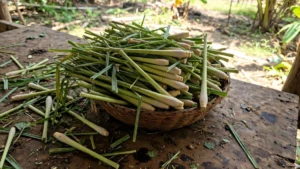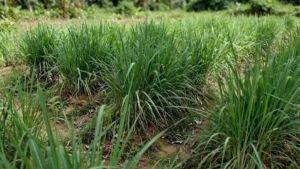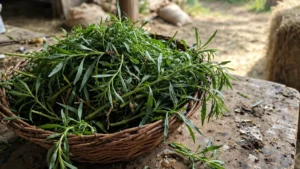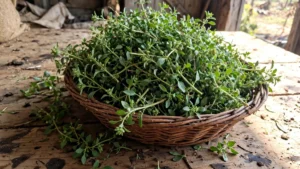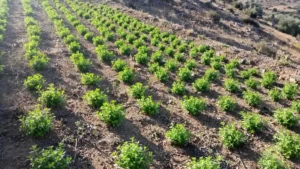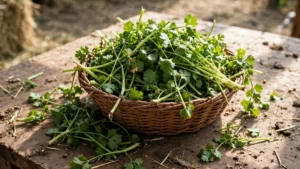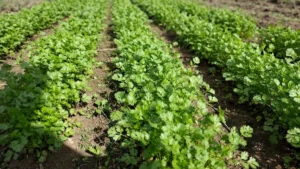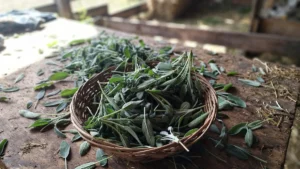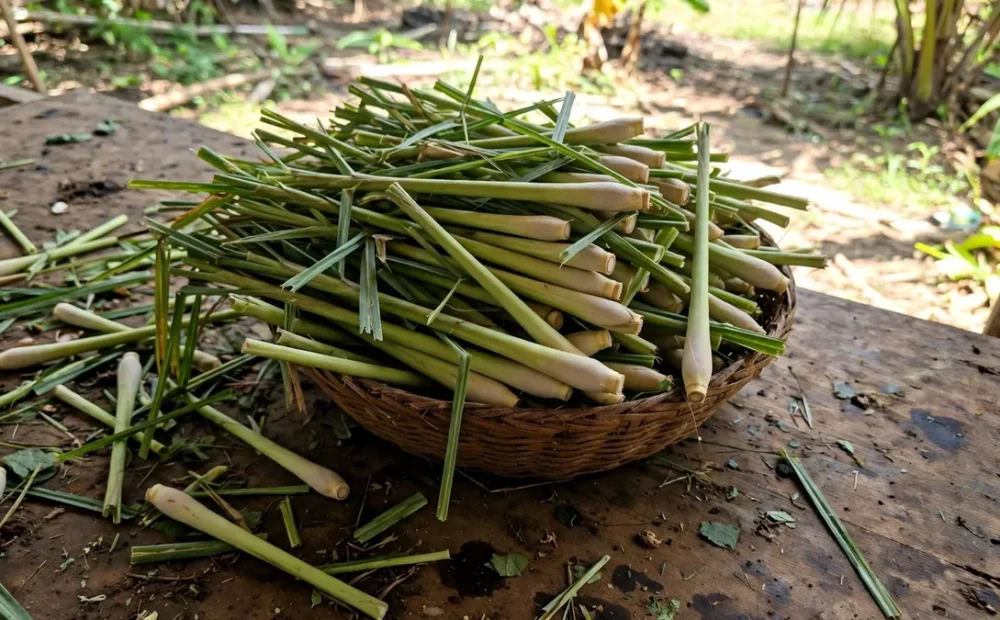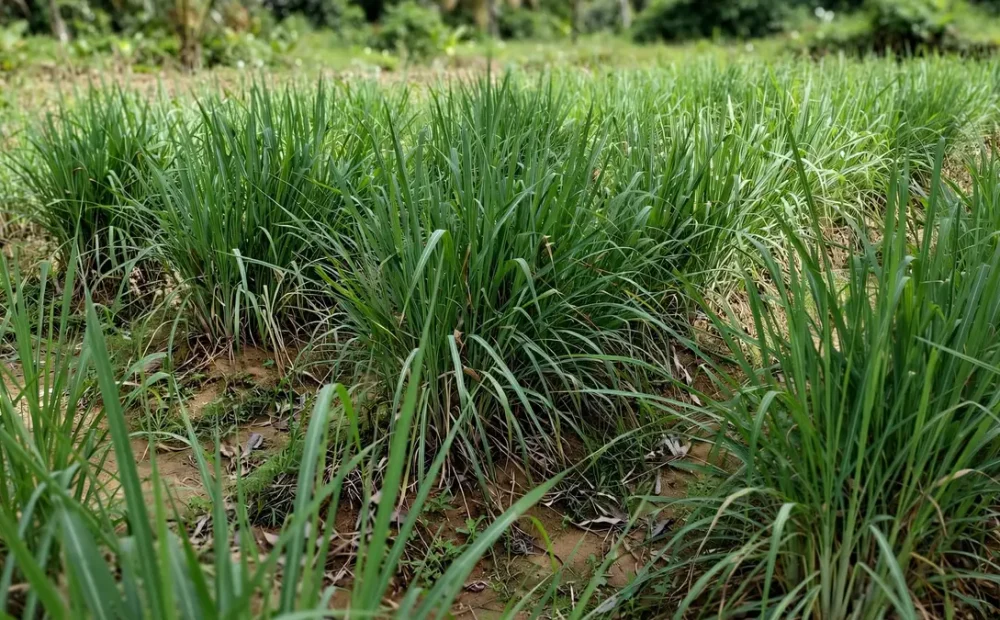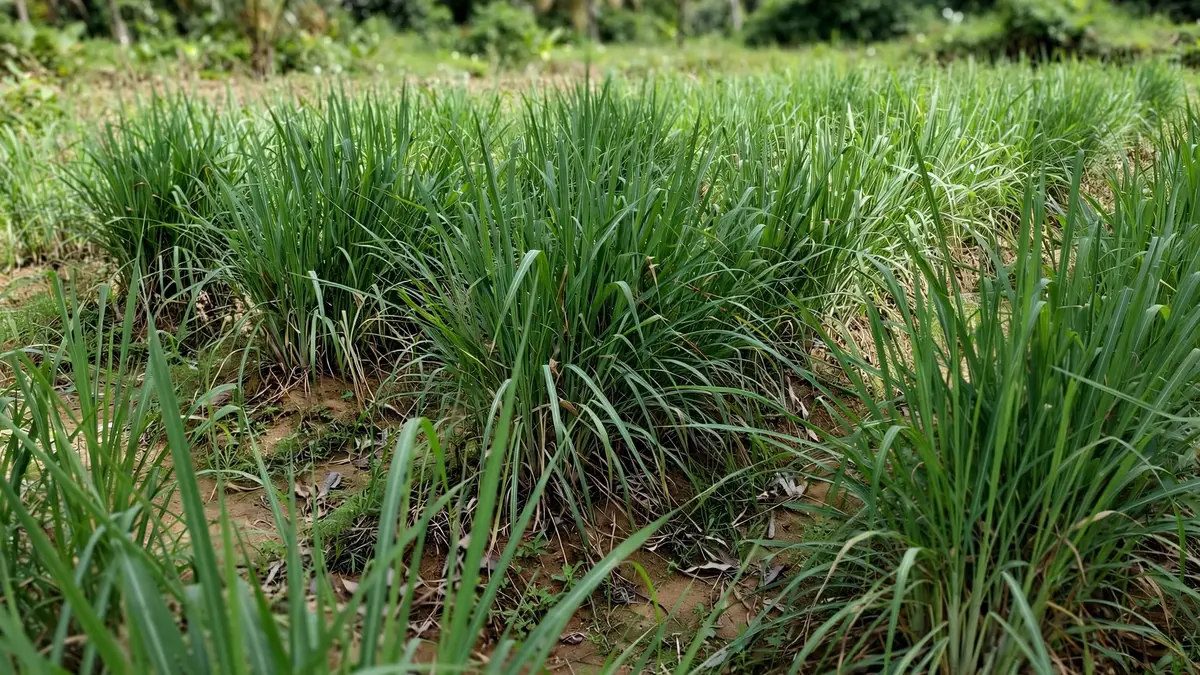
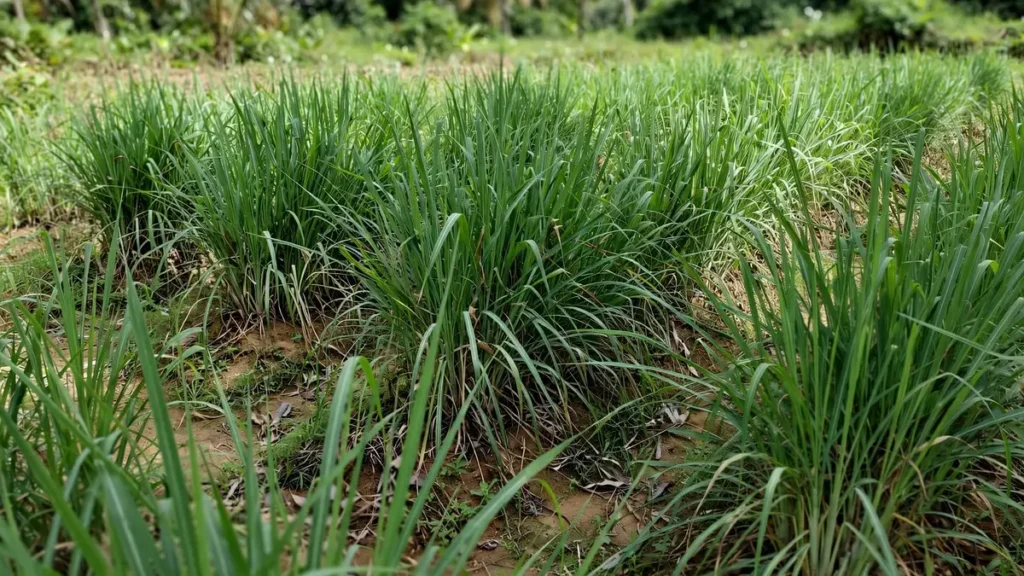
Lemongrass is the tallest herb a farm grows, and the simplest to understand once you have stood beside a clump of it. The blades rise waist-high or higher, sharp-edged and bright green, and when a stalk is cut and bruised the air fills with lemon. Two kinds matter for a traveller. West Indian lemongrass is the cooking grass, its pale stalk going into tom yum, curries and teas. East Indian lemongrass is the oil grass, taller and richer in citral, grown for the still. A lemongrass farm retreat is a few nights on a working farm in the cutting weeks, when the clumps are at their fullest and the kitchen is cooking with what was cut that morning.
The farms stretch from the old fort town of Galle in Sri Lanka to the Top End of Australia, and the grass ties them together. Lemongrass needs heat, sun and rain, and it dies at the first frost, so the farms sit where the summers are long and the winters are warm, from the river plains of Cambodia to the volcanic slopes of Hawaii.
Here are nine lemongrass farm retreats to weigh for 2027, from the cheapest Galle stay to the dearest Darwin farm, covering the cooking grass and the oil grass of Asia, Africa and the Pacific, so the decision turns on the way you travel rather than the place on the map.
Key takeaways
- West Indian lemongrass is the cooking grass, grown for its pale stalk, while East Indian lemongrass is the oil grass, grown for the still, and the two are different species.
- Lemongrass is a tall tropical grass that dies at the first frost, so farms cut it in the warm months and name a cutting week, not a month, and the week is worth booking around.
- The strongest oil comes from grass cut before it flowers, so the farm names its cutting week a few weeks ahead, and a stay after flowering will smell lovely and taste mild.
- Citronella is a different grass altogether, and citronella oil is not lemongrass oil, however often the two are confused on a shop shelf.
- Lemongrass carries no gluten, but the bread and pastry served beside it are usually wheat, so settle the kitchen and the calendar before you pay.
What a lemongrass farm retreat actually is
A lemongrass farm retreat means three to five nights on a working farm that grows lemongrass, with the cutting weeks as the reason for the trip. Guests sleep in a farmhouse room or a converted barn, eat what the farm kitchen cooks, and join the harvest, walking the clumps to see the stalks cut at the base, the leaves carried to the drying racks, and the fresh stalks bruised into teas, soups and curries. The great lemongrass regions grew up around a kitchen: Thailand folds the stalk into tom yum, Sri Lanka brews the leaves into tea, and the oil farms of India and Ghana run the still in the late afternoon.
Lemongrass is cut with a sickle or a sharp knife, bundled, and carried to the racks before the sun takes the oil out of the leaves. The blades are sharp, so gloves and long sleeves matter, and guests who ask can cut a bundle, strip leaves for the kitchen, or watch the still run, but nobody is made to work.
How we picked these stays, and what to ask first
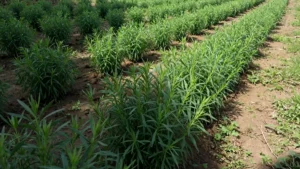
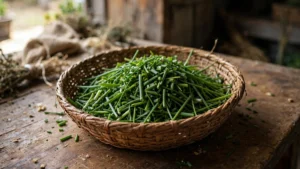
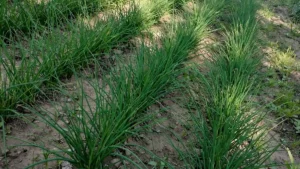
We began with where lemongrass truly grows, not where it sells best. A genuine lemongrass farm offers clumps to walk through, stalks to stand among at cutting time, and a kitchen working with its own grass. Look for tall green clumps in straight rows, a drying rack full of leaves, and a kitchen that brews tea from the leaves it cut that morning.
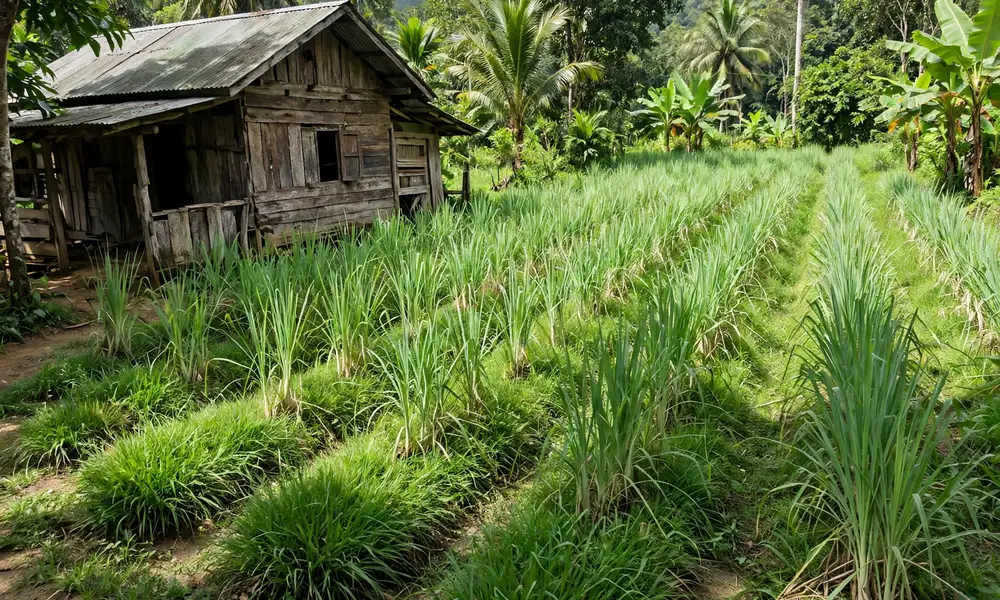
Ask three questions before you pay. First, which lemongrass does the farm grow, the cooking kind or the oil kind, and what does the kitchen do with it. Second, the cutting week: when it falls, and whether guests will be there for it or just before it. Third, the kitchen: what it can serve if you eat gluten-free, since the bread on a farm table is nearly always wheat. The basil farm retreats follow the same test, and the farms that pass it tend to be the ones guests remember.
The 9 best luxury lemongrass farm retreats of 2027
Galle, Sri Lanka — Lemongrass by the Old Fort
What we like: Galle sits on Sri Lanka’s south coast below the old Dutch fort, and the farm here grows lemongrass in tall clumps behind a whitewashed farmhouse, where the leaves are brewed into tea every morning. The grass is West Indian, the cooking kind, and the kitchen folds it into fish curries, coconut sambol and iced tea.
What to consider: The coastal heat is strong by midday, and the monsoon rains can be heavy in the afternoons. The rooms are plain, and the farm is a drive from Colombo.
Style: Sri Lankan coastal farm stay. Best for: Travellers who want lemongrass tea and warm sea air. Price range: $65–$95 per night. Standout feature: Lemongrass tea brewed from leaves cut that morning, below the old fort walls.
Kampot, Cambodia — Lemongrass on the River Plain
What we like: Kampot lies on Cambodia’s river plain below the Elephant Mountains, and the farm here grows lemongrass in long green rows beside the pepper gardens the town is famous for. The stalks are cut for the kitchen, bruised into soups and fish amok, and the leaves are dried for tea.
What to consider: The wet season brings heavy rain and muddy paths, and the farm speaks little English, so a phrasebook helps.
Style: Cambodian river-plain farm stay. Best for: Travellers who want lemongrass in Cambodian cooking. Price range: $100–$130 per night. Standout feature: Lemongrass rows beside the pepper gardens, cut for the evening soup.
Luang Prabang, Laos — Lemongrass on the Mekong Banks
What we like: Luang Prabang sits where the Mekong meets the Nam Khan, and the farm here grows lemongrass on the river banks in tall clumps that shade the vegetable beds. The grass is West Indian, and the kitchen uses it in laap, soups and the herbal steam baths the town is known for.
What to consider: The hot season is fierce by midday, and the work is done early or not at all. The paths are uneven, and the farm books up early.
Style: Laotian riverside farm stay. Best for: Travellers who want lemongrass on the Mekong. Price range: $135–$165 per night. Standout feature: Lemongrass clumps on the river bank, cut for the kitchen and the steam bath.
Sylhet, Bangladesh — Lemongrass in the Tea Country
What we like: Sylhet is Bangladesh’s tea country, and the farm here grows lemongrass between the tea gardens, where the clumps catch the morning mist off the hills. The leaves are brewed into a lemon tea that the farm serves with breakfast, and the stalks go into fish curries and rice.
What to consider: The monsoon is long and the paths turn to mud, so boots matter, and the drive in from the town is slow.
Style: Bangladeshi tea-country farm stay. Best for: Travellers who want lemongrass beside the tea gardens. Price range: $170–$200 per night. Standout feature: Lemongrass tea served with breakfast in the mist of the tea hills.
Kumasi, Ghana — Lemongrass in the Ashanti Hills
What we like: Kumasi sits in Ghana’s Ashanti hills, and the farm here grows East Indian lemongrass for the still, tall and rich in citral, on red soil above the valleys. The oil is distilled in the late afternoon, and the kitchen brews the leaves into a sharp lemon tea.
What to consider: The rainy season brings heavy afternoon storms, and the farm runs on Ghanaian time, which means slow mornings and late suppers. Guests should expect to share a bathroom rather than have a private one.
Style: Ghanaian hill farm stay. Best for: Travellers who want lemongrass oil country. Price range: $205–$235 per night. Standout feature: East Indian lemongrass distilled on the farm in the late afternoon.
Zanzibar, Tanzania — Lemongrass on the Spice Island
What we like: Zanzibar is the spice island, and the farm here grows lemongrass among the cloves and cinnamon trees, cut for the kitchen, the leaves dried for tea. The clumps stand in the shade of the spice trees, and the sea is near enough for a swim after the cutting.
What to consider: The island heat is strong, and the mosquitoes are keen near the water, so repellent matters. The farm is a drive from Stone Town over rough roads.
Style: Zanzibari spice farm stay. Best for: Travellers who want lemongrass among the spice trees. Price range: $240–$270 per night. Standout feature: Lemongrass cut among the cloves, with the sea close enough for an afternoon swim.
Mahé, Seychelles — Lemongrass on the Granite Island
What we like: Mahé is the largest of the Seychelles, a granite island of steep green hills, and the farm here grows lemongrass on terraces above a small bay. The grass is West Indian, and the kitchen uses it in fish curries, chutneys and a lemon tea served with the catch of the day.
What to consider: The island is expensive to reach, and the terraces are steep, so the paths are stone steps rather than flat walks.
Style: Seychellois terraced island farm stay. Best for: Travellers who want lemongrass on a granite island. Price range: $275–$305 per night. Standout feature: Lemongrass terraces above a small bay, cut for the fish curry.
Maui, Hawaii — Lemongrass Below the Volcano
What we like: Maui rises from the Pacific to the slopes of Haleakala, and the farm here grows lemongrass on the volcanic slopes above the cane fields, where the grass catches the trade winds. The stalks are cut for the kitchen, and the leaves are dried for tea and for the farm’s own lemongrass salt.
What to consider: The farm is a long drive from the airport, the wind can be strong on the slopes, and the nights are cool, so pack a layer for the evenings.
Style: Hawaiian volcanic slope farm stay. Best for: Travellers who want lemongrass in the trade winds. Price range: $310–$340 per night. Standout feature: Lemongrass on the slopes of Haleakala, dried for tea and lemongrass salt.
Darwin, Australia — Lemongrass in the Top End
What we like: Darwin sits in Australia’s Top End, where the wet season brings heavy rain and the dry season brings clear blue days, and the farm here grows lemongrass in wide clumps on red soil outside the city. The grass is East Indian, grown for the still, and the oil is distilled in the late afternoon as the heat breaks.
What to consider: The wet season is hot and humid with sudden storms, and the mosquitoes are fierce, so repellent and a hat matter. The farm is a drive from the city, and work starts early.
Style: Australian Top End farm stay. Best for: Travellers who want lemongrass oil in the Australian tropics. Price range: $345–$380 per night. Standout feature: East Indian lemongrass distilled as the Top End heat breaks.
Which lemongrass region fits your trip
Start with the lemongrass you like, not the map. Cooking-grass people should look at Galle, Kampot and Luang Prabang, where the stalk is the point and the kitchen is the reason to go. Oil-grass people should look at Kumasi and Darwin, where the still runs in the late afternoon and the citral is the point.
Then weigh the weather and the walking. Sylhet and Mahé suit travellers who dislike fierce heat and want green hills and sea air; Kumasi, Zanzibar and Darwin suit travellers who want sun, early mornings and long shaded lunches. The mint farm retreats run on the same seasonal logic, and the same question applies there: pick the crop you love, then pick the climate you can stand.
The caveats that matter
Lemongrass is an easy crop to love and a sharp crop to handle, and the farms are honest about both sides. The blades are sharp enough to cut skin, so gloves and long sleeves are essential on a cutting morning, and anyone who forgets them learns the lesson fast. The oil peaks before flowering, so a stay booked after the grass has flowered will smell lovely and taste mild. These stays are small, the rooms are plain, and supper is one shared table, which suits travellers who enjoy company and not those who want privacy. The rosemary farm retreats carry the same small-farm caveats: read the first email carefully, and ask what the rate actually covers.
| Detail | What is known |
|---|---|
| Best time to visit | The cutting weeks, when the clumps are full and the oil is strongest, before the grass flowers, with the season shifting by region |
| What the work involves | Walking the clumps, cutting stalks at the base with a sickle or knife, carrying bundles to the drying racks, and watching the leaves dry or distil |
| How long a stay runs | Three to five nights, set around the cutting weeks |
| Who should take care | Guests with sensitive skin, since the blades cut easily, and anyone unused to fierce sun, heavy rain or steep paths |
| What the kitchen serves | Lemongrass tea, tom yum and fish curries, lemongrass with rice and vegetables, and lemongrass over fruit and puddings, with fresh bread beside the plate |
| Gluten note | Lemongrass carries no gluten, but the bread and pastry served beside it are usually wheat, so ask the kitchen what it can safely serve |
| What to pack | Gloves and long sleeves for the cutting, closed walking shoes, a broad sun hat, a rain layer for sudden showers, and clothes that wash easily by hand |
| What it does not do | No promised cutting day, no fixed menu, and no hotel-style service on a working farm |
Checklist: booking a lemongrass farm stay honestly
- Ask which lemongrass the farm grows, the cooking kind or the oil kind, and what the kitchen does with it.
- Book the cutting week rather than a month, and get the dates in writing before the flights.
- Ask what the nightly rate covers, and what is billed separately on arrival.
- Tell the kitchen about gluten-free eating before you pay.
- Pack gloves, long sleeves and boots that wash clean, a sun hat and a rain layer, and leave room for dried lemongrass.
- Never take a lemongrass clump home without asking, and never plant it loose in a cool garden, since the frost will kill it.
Frequently asked questions
Is East Indian lemongrass the same as West Indian?
No. East Indian lemongrass is the taller oil grass, rich in citral, while West Indian lemongrass is the cooking grass, grown for its pale stalk. They are different species, and they cook and distil differently.
When do lemongrass farms cut their grass?
Just before the grass flowers, when the stalks hold the most oil. The week shifts by region and by year, and the farm names it only a few weeks ahead, so hold the flights until the farm fixes its dates.
Why do farms cut lemongrass before it flowers?
Because the oil peaks before flowering, and a stay after the grass has flowered will smell lovely and taste mild.
Is the cutting open to guests?
Yes, on most of these farms. The work is simple: a sickle or a sharp knife, a bundle, and a carry to the drying racks, with gloves and long sleeves, since the blades cut easily, and nobody is made to work.
Which lemongrass region suits a first trip best?
Galle for the tea and an easy journey, Kampot for Cambodian cooking, or Mahé for gentle walking and sea air. All three are small and friendly, used to first-time farm guests, and the work stays optional at each.
Can gluten-free guests eat well on a lemongrass farm?
Yes, provided the kitchen knows before you arrive. Lemongrass itself carries no gluten, and the farm cooking leans on vegetables, meat, fish and rice, so a gluten-free table is usually easy.
The bottom line
Lemongrass farm retreats are small, plain and honest, and that is their charm. Pick the grass you like, book the cutting week, and ask the kitchen your questions before you pay, and the farm will do the rest.
Of the nine, Galle is the cheapest way in and the best tea, Kampot is the warmest welcome and the finest cooking, and Darwin is the dearest and the most dramatic. Any of them will show you what lemongrass is when it is grown properly, and none of them will pretend to be a hotel.