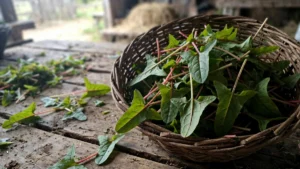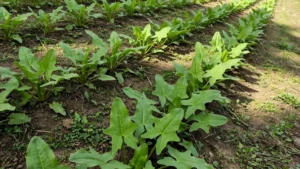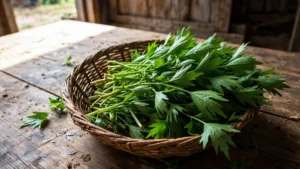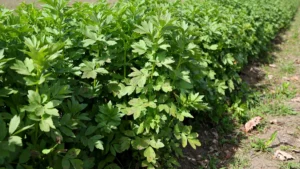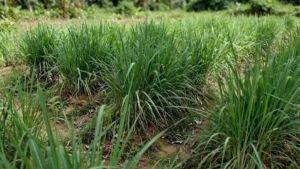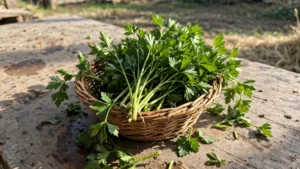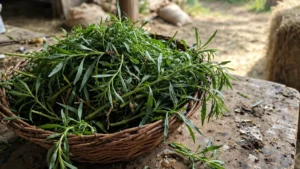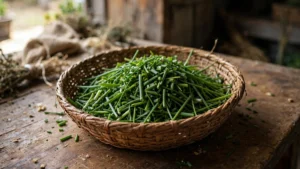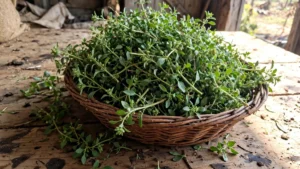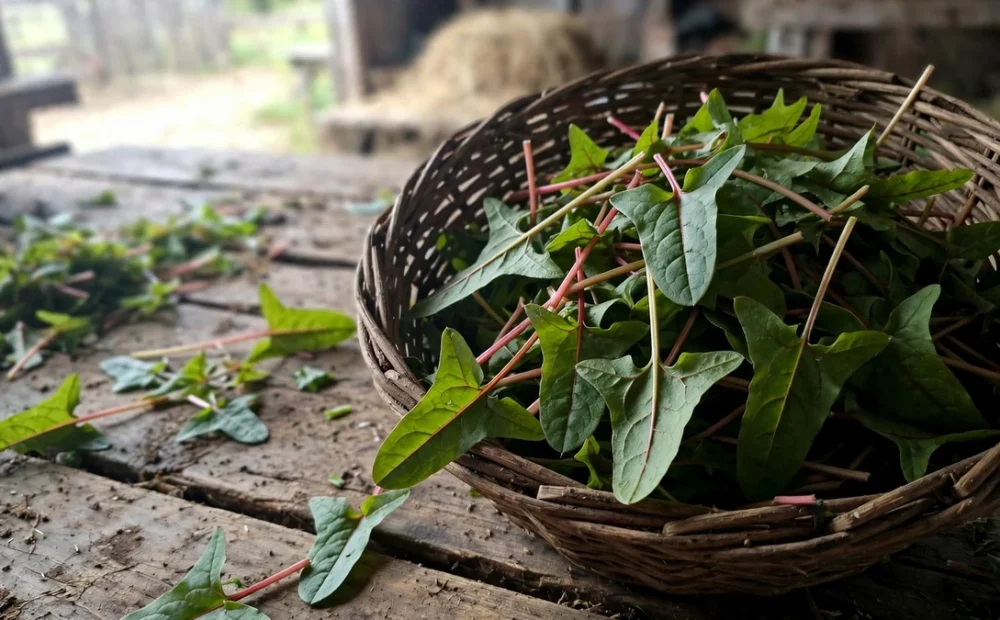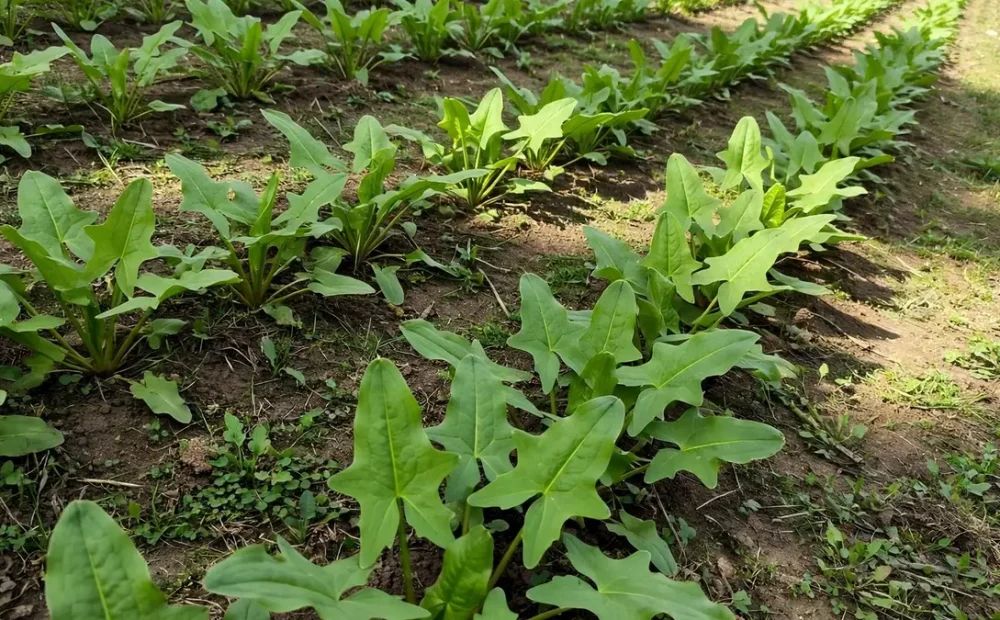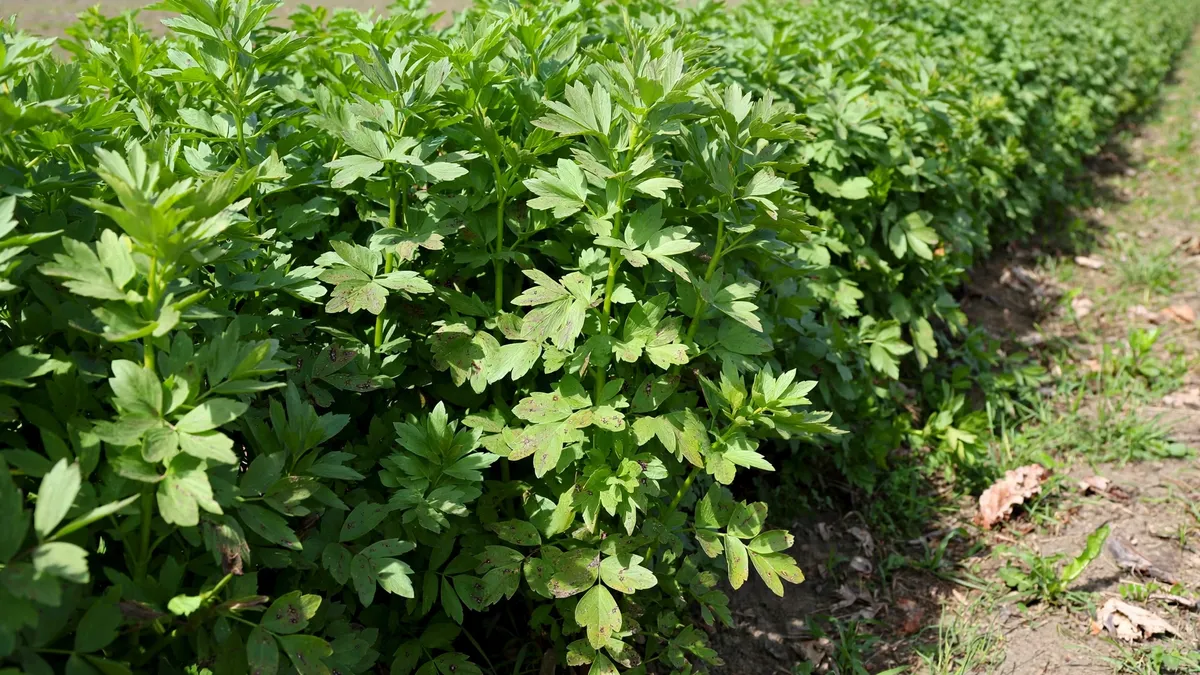
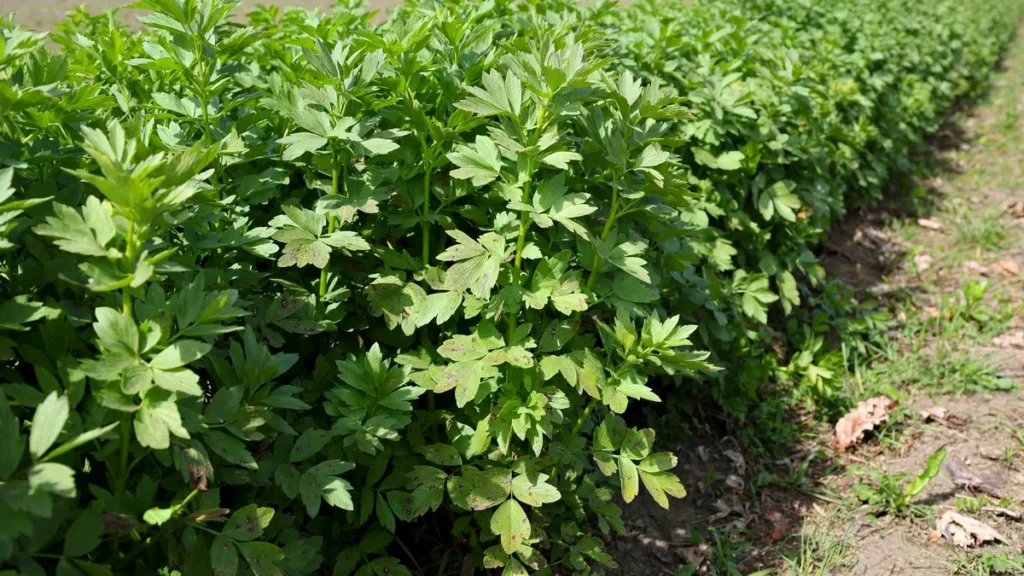
Lovage is the tallest herb a farm grows, and the one most guests have never seen standing. It rises to shoulder height or higher, a mass of glossy green leaves on hollow stems, and when a leaf is torn the smell is unmistakable: celery, deepened and warmed. It is the flavour of Maggi seasoning in a living plant, which is why German cooks call it the Maggi plant. A lovage farm retreat is a few nights on a working farm in the cutting weeks, when the leaves are at their fullest and the kitchen is cooking with what was cut that morning.
The farms run from the lake shore of Burgenland in Austria to the plum orchards of Šumadija in Serbia, and the herb ties them together. Lovage is a perennial that comes back each spring from the same roots, and it likes cool summers, deep soil and room to grow tall. It flowers in high summer, on tall yellow-green umbels, and the flavour of the leaf fades once the flower opens, so the farms cut in the weeks before the flower, and the cutting week is the reason to go.
Here are nine lovage farm retreats to weigh for 2027, from the cheapest Burgenland stay to the dearest Šumadija farm, covering the lake country, the canal country and the mountain valleys of Central Europe, so the decision turns on the way you travel rather than the place on the map.
Key takeaways
- Lovage is a tall perennial herb in the celery family, and its leaves and roots are both cooked with, while its flavour is celery-like but deeper and warmer.
- Cut lovage before it flowers, because the leaf loses its strength once the tall flower opens, so the farm names a cutting week, not a month.
- Lovage is not celery, and it is not angelica, and the wild umbellifers that look like it include plants that are not safe to eat, so cut only what the farm grows.
- The root is dug in autumn, after the leaves have fed the plant all summer, and a farm that sells its root is telling you its lovage is old.
- Lovage carries no gluten, but the bread and pastry served beside it are usually wheat, so settle the kitchen and the calendar before you pay.
What a lovage farm retreat actually is
A lovage farm retreat means three to five nights on a working farm that grows lovage, with the cutting weeks as the reason for the trip. Guests sleep in a farmhouse room or a converted barn, eat what the farm kitchen cooks, and join the harvest, walking the beds to see the leaves cut with a knife and the stems bundled for the kitchen. The great lovage regions grew up around a soup pot: Germany folds the leaf into potato soup, and Poland stirs it into broth.
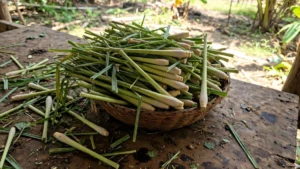
Lovage is cut with a sharp knife, bundled, and carried to the kitchen before the sun takes the scent out of the leaves. The stems are hollow and the plants are tall, so the work is done from the paths, and guests who ask can cut a bundle or strip leaves for the soup, but nobody is made to work.
How we picked these stays, and what to ask first
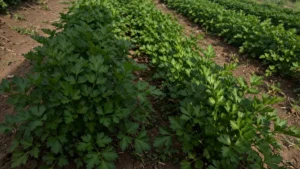
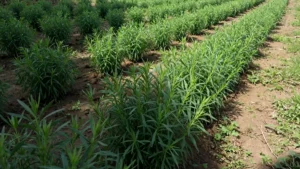
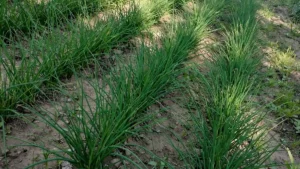
We began with where lovage truly grows, not where it sells best. A genuine lovage farm offers tall plants to walk among, leaves to stand beside at cutting time, and a kitchen working with its own herb. Look for glossy green leaves in straight beds, a drying rack full of leaves, and a kitchen that puts lovage into the soup it serves that evening.
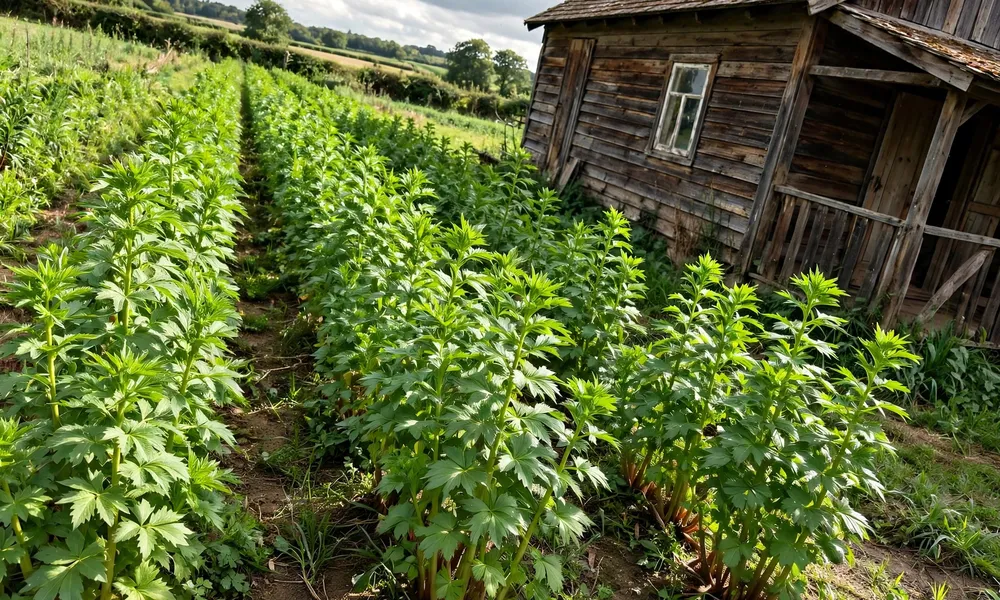
Ask three questions before you pay. First, how old the lovage is, since a perennial bed is at its best in its third or fourth year, and the root is only dug once the plant is established. Second, the cutting week itself: the dates it falls on, and whether guests will be there for the cut or arrive just before it. Third, the kitchen: what it can cook for you if you eat gluten-free, since a farm table nearly always serves wheat bread. The basil farm retreats are chosen on the same test, and the farms that pass it are the ones guests tend to remember.
The 9 best luxury lovage farm retreats of 2027
Burgenland, Austria — Lovage on the Lake Shore
What we like: Burgenland lies on the eastern shore of Lake Neusiedl, where the wind runs flat across the reeds, and the farm here grows lovage in tall beds behind a whitewashed farmhouse, where the leaves are cut for the soup pot every morning. The herb is old, planted a decade ago, and the kitchen folds it into potato soup.
What to consider: The lake wind is strong and the summers are hot, so the cutting is done early. The rooms are plain, and the farm is a drive from Vienna.
Style: Austrian lake-shore farm stay. Best for: Travellers who want lovage soup and flat lake light. Price range: $65–$95 per night. Standout feature: Lovage leaves cut that morning for the potato soup, beside the reeds of Lake Neusiedl.
Slavonia, Croatia — Lovage in the Oak Country
What we like: Slavonia is Croatia’s oak country, flat and green between the rivers, and the farm here grows lovage in the shade of old oaks, where the leaves stay tender into the summer. The kitchen dries the leaves for winter stews, and the fresh leaf goes into fish soup and bean pots.
What to consider: The summers are humid and the mosquitoes are keen near the rivers, so repellent matters. The farm books up early for the cutting weeks.
Style: Croatian river-plain farm stay. Best for: Travellers who want lovage in Slavonian cooking. Price range: $100–$130 per night. Standout feature: Lovage grown in the shade of old oaks, dried for the winter stews.
Podhale, Poland — Lovage Below the Tatras
What we like: Podhale lies below the Tatra mountains in southern Poland, and the farm here grows lovage on a high meadow where the nights stay cool and the leaves keep their strength into late summer. The herb goes into żurek, the sour rye soup, and into the broths the highlanders cook.
What to consider: The mountain weather turns fast, and the paths are steep, so boots matter. The farm is a long drive from Kraków over mountain roads.
Style: Polish highland farm stay. Best for: Travellers who want lovage in the mountains. Price range: $135–$165 per night. Standout feature: Lovage on a high meadow below the Tatras, cut for the highland soups.
Spreewald, Germany — Lovage Among the Canals
What we like: The Spreewald is a maze of canals south of Berlin, and the farm here grows lovage on the damp black soil of the canal banks, where the plants grow taller than anywhere else on this list. The leaves go into the cucumber dishes and potato soups the Spreewald is famous for.
What to consider: The ground is wet and the paths are narrow, so waterproof boots are essential. The farm is reached by boat or by a long walk from the road.
Style: German canal-country farm stay. Best for: Travellers who want lovage in the canal country. Price range: $170–$200 per night. Standout feature: The tallest lovage on this list, grown on the damp canal banks.
Maramureș, Romania — Lovage in the Wooden Villages
What we like: Maramureș is the land of wooden churches and hay meadows in northern Romania, and the farm here grows lovage in the kitchen garden of a wooden farmhouse, where the leaves are cut for ciorbă, the sour soup, and for the bean dishes the villages cook on feast days. The herb is dried in bunches from the barn beams, and the root is kept for winter broths.
What to consider: The roads are slow and the villages are remote, so the drive in takes time. English is thin on the ground, and a phrasebook helps.
Style: Romanian wooden-village farm stay. Best for: Travellers who want lovage in the old villages. Price range: $205–$235 per night. Standout feature: Lovage dried in bunches from the barn beams of a wooden farmhouse.
Ceredigion, Wales — Lovage on the Cardigan Coast
What we like: Ceredigion sits on the Cardigan Bay coast of Wales, where the wind comes in off the sea, and the farm here grows lovage in a sheltered garden behind a stone farmhouse, where the leaves are cut for Welsh cawl, the lamb and vegetable broth, and for the fish soups the coast cooks. The plants are sheltered from the wind by a high hedge.
What to consider: The Welsh rain is frequent and the paths turn to mud, so a rain layer matters. The farm is a drive from the nearest town over narrow lanes.
Style: Welsh coastal farm stay. Best for: Travellers who want lovage on the Welsh coast. Price range: $240–$270 per night. Standout feature: Lovage sheltered behind a high hedge, cut for Welsh cawl.
Molise, Italy — Lovage in the Quiet Hills
What we like: Molise is Italy’s quietest region, a land of hills and small towns that few travellers reach, and the farm here grows lovage on a terraced hillside above an olive grove, where the leaves go into minestrone, bean soups and the meat broths the region cooks slowly. The farm is small and the rooms are stone.
What to consider: Molise is hard to reach by public transport, and the farm speaks little English. The hills are steep, so the paths are stone steps.
Style: Italian hill farm stay. Best for: Travellers who want lovage away from the crowds. Price range: $275–$305 per night. Standout feature: Lovage on a terraced hillside above the olives, cooked on a wood stove.
Prekmurje, Slovenia — Lovage on the Flat Plain
What we like: Prekmurje is Slovenia’s flat eastern plain, between the Mura river and the Hungarian border, and the farm here grows lovage in long straight beds on deep black soil, where the plants grow tall and the roots run deep. The leaves go into bograč, the meat stew, and the root is dug in autumn for the winter broths.
What to consider: The summers are hot and the plain offers little shade, so the cutting is done at dawn. The farm is a long way from Ljubljana, and the drive is flat and slow.
Style: Slovenian plain farm stay. Best for: Travellers who want lovage on deep black soil. Price range: $310–$340 per night. Standout feature: Lovage roots dug deep from the black soil of the plain.
Šumadija, Serbia — Lovage in the Plum Orchards
What we like: Šumadija is Serbia’s plum country, a land of orchards and rolling hills south of Belgrade, and the farm here grows lovage between the plum trees, where the leaves are cut for pasulj, the bean soup. The kitchen serves the soup with fresh bread from a wood oven.
What to consider: The hills are steep and the summers are hot, so the work is done early. The farm is a drive from Belgrade over winding roads.
Style: Serbian orchard farm stay. Best for: Travellers who want lovage among the plum trees. Price range: $345–$380 per night. Standout feature: Lovage grown between the plum trees, cut for the bean soup.
Which lovage region fits your trip
Start with the lovage you like, not the map. Soup lovers should look at Burgenland, Podhale and Ceredigion, where the leaf is the point and the kitchen is the reason to go. Root lovers should look at Spreewald and Prekmurje, where the autumn digging is the point and the stock pot is the reward.
Then weigh the weather and the walking. Burgenland and Prekmurje suit travellers who like flat country and long light; Podhale, Molise and Šumadija suit travellers who want hills and mountain air. The mint farm retreats work on the same seasonal logic, and the same question holds there: choose the crop you love first, then the climate you can stand.
The caveats that matter
Lovage is an easy crop to love and a tall crop to handle, and the farms are honest about both sides. The plants grow taller than a person, so the beds are worked from the paths. The flavour fades once the flower opens, so a stay booked after flowering will smell lovely and cook mild. These stays are small, the rooms are plain, and supper is a single shared table, which suits travellers who enjoy company rather than those who want privacy. The rosemary farm retreats carry the same small-farm warnings: read the first email with care, and ask what the rate truly covers.
| Detail | What is known |
|---|---|
| Best time to visit | The cutting weeks, when the leaves are full and strong, before the tall flower opens |
| What the work involves | Walking the beds, cutting leaves with a knife, carrying bundles to the kitchen, and watching the roots dug in autumn |
| How long a stay runs | Three to five nights, set around the cutting weeks |
| Who should take care | Guests unused to tall plants and muddy paths, and anyone who forages, since wild umbellifers include plants that are not safe to eat |
| What the kitchen serves | Potato soup, bean soup, sour soup and meat broths, with lovage leaf in the pot |
| Gluten note | Lovage carries no gluten, but the bread and pastry served beside it are usually wheat, so ask the kitchen what it can safely serve |
| What to pack | Closed walking shoes, a broad sun hat, a rain layer for sudden showers, and clothes that wash easily by hand |
| What it does not do | No promised cutting day, no fixed menu, and no hotel-style service on a working farm |
Checklist: booking a lovage farm stay honestly
- Ask how old the lovage beds are, and whether the farm digs its root in autumn.
- Book around the cutting week rather than a month, and get the dates in writing before you book the flights.
- Ask what the nightly rate includes, and what is charged separately when you arrive.
- Tell the kitchen about eating gluten-free before you pay.
- Pack closed shoes and boots that wash clean, a sun hat and a rain layer, and leave room for dried lovage.
- Never cut wild lovage without the farm’s say-so, and never take a root home without asking.
Frequently asked questions
Is lovage the same as celery?
No. Lovage tastes like celery, deepened and warmed, but it is a different plant, taller and perennial, with leaves and a root that celery does not offer in the same way. Celery is an annual grown for its stalks, while lovage comes back each year from the same roots.
When do lovage farms cut their leaves?
Just before the plant flowers, when the leaves hold the most flavour. The week moves by region and by year, and the farm names it only a few weeks ahead, so wait to book flights until the farm has fixed its dates.
Why do farms cut lovage before it flowers?
Because the flavour fades once the tall yellow-green flower opens, and a stay after the plant has flowered will smell lovely and cook mild.
May guests cut lovage in the beds themselves?
Yes, on most of these farms. The work is simple: a sharp knife, a bundle, and a carry to the kitchen, with closed shoes and long sleeves, since the plants are tall and the paths are muddy, and nobody is made to work.
Which lovage region suits a first trip best?
Burgenland for the soup and an easy journey, Spreewald for the canal country, or Ceredigion for gentle walking and sea air. All three are small and welcoming, used to guests on their first farm stay, and the work stays optional at each one.
Can gluten-free guests eat well on a lovage farm?
Yes, once the kitchen knows ahead of time. Lovage itself carries no gluten, and the farm cooking leans on vegetables, meat, beans and potatoes, so a gluten-free table is usually easy.
The bottom line
Lovage farm retreats are small, plain and honest, and that is their charm. Pick the leaf or the root, book the cutting week, and ask the kitchen your questions before you pay, and the farm will do the rest.
Of the nine, Burgenland is the cheapest way in and the best soup, Spreewald is the warmest welcome and the tallest plants, and Šumadija is the dearest and the most dramatic. Any of them will show you what lovage is when it is grown properly, and none of them will pretend to be a hotel.