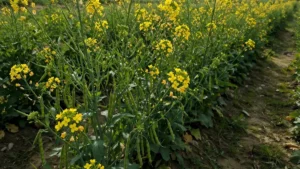

A mustard farm escape is three to five nights on a working seed farm at cutting time, with the pods coming down in the morning and the mustard on the table in the evening. It is a fast trip, built around a plant that flowers yellow for a fortnight and then sets seed in pods that split the moment they dry, long barn afternoons while the swaths dry, and suppers where the harvest sits in the dressing on the table. Nothing about it moves slowly, and that hurry is the whole point.
The trip comes together best when the plant sets the schedule, not the calendar. Mustard grows fast, flowers in a sheet of yellow, and then ripens all at once, and the farm has only a few days to get the pods down before they open in the heat. A farm that names its swathing week a month ahead is worth more than a farm with a prettier website, because the dates are what decide whether you see the harvest at all.
Below are nine steps to plan a mustard farm escape in 2027, from choosing the mustard type first to packing the seed you bring home. Take the steps below in order, one at a time, and hold off on flights until the farm’s dates are settled.
Key takeaways
- Visit at swathing time only, because a field in flower has no seed to see, and a field cut late has lost half of it to the ground.
- Let the farm name its swathing week first, and only then book flights and rooms.
- Cut the pods while they are still green-brown, dry them in the barn, and thresh only once the seed is hard.
- Fresh pods split and spill in a suitcase, so the souvenirs worth carrying home are dried seed in paper packets.
- Mustard seed itself is naturally gluten-free, but farm kitchens bake wheat bread every morning, so tell the farm about your diet when you book.
What a mustard farm escape involves
A mustard farm escape is a stay on a working seed farm during the harvest, with a room on the farm and meals from the farm kitchen. The days follow the pods. You are out in the rows in the morning while the swaths are cut, back at the barn by midday to see them laid out to dry, and at the table in the evening while the kitchen puts the day’s mustard into the dressing, the pickle, and the glaze. The farm is growing mustard for its millers, and your stay runs alongside the real harvest.
The work is light but real. Cutting mustard means walking the rows with the swathing crew, taking the green-brown pods and laying them in windrows for the barn. Drying means spreading the swaths where the air moves, and waiting until the seed is hard enough to thresh. Guests may join in with both, but the crew sets the speed, and the farm’s own harvest comes first. The work is gentle enough for a first-timer, and the farmer shows you the cut before handing you the tools. Evenings centre on the table, and that is where the trip earns its keep.
How to plan it, and what to ask first
Work from the crop outward, not from the map inward. Decide whether you want the swathing, when the pods come down, or the threshing, when the seed is beaten out of the dried pods, because the two happen a week or two apart. The swathing trip is yellow and busy, with the barn filling fast. The threshing trip is slower, with the barn full of drying swaths and the millers calling. Trying to do both in one week seldom works, because drying cannot be hurried.
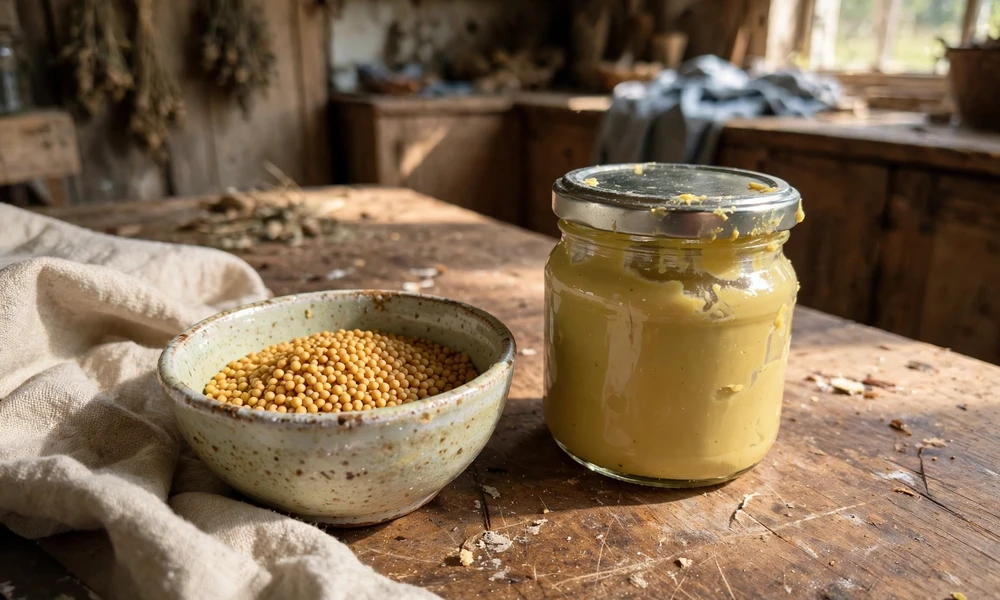
Once you have picked, write to the farm with three questions. Which mustard the farm grows, yellow, brown, or black, and which week it swaths the pods. Whether the kitchen makes its own mustard from the farm’s seed, or buys jars in. And how the kitchen keeps flour and bread apart, if you eat gluten-free. A farm that answers all three plainly knows its own season well. Our guide to the carrot farm escape opens with the same three questions, and they save more trips than any packing list.
The 9 steps to plan a mustard farm escape
Let the mustard variety pick the farm for you
What to do: Ask the farm which mustard it grows, yellow, brown, or black, and choose the region that ripens it best, because the three types come in on different days. What to avoid: Picking a farm on price and arriving when your mustard is still in flower. Best for: Travellers who let the plant decide, not the price. Time needed: One evening with the farm’s sowing notes and kitchen menus. Standout tip: A farm that grows all three types always has one of them ready to cut.
Leave every booking until the farm’s dates are fixed
What to do: Wait for the farm to fix its swathing dates, usually a month ahead, and only then book flights, trains, and ferries around them. What to avoid: Booking a cheap flight first and finding the farm swaths a fortnight later. Best for: Travellers who would sooner shift a flight than miss the cutting. Time needed: A week of back-and-forth messages while dates settle. Standout tip: Ask the farm to hold the room until the swathing week is fixed, and most will.
Know a ready pod when you see one, before the morning cut
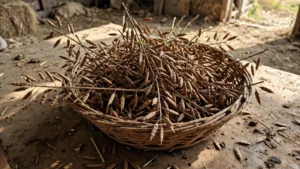
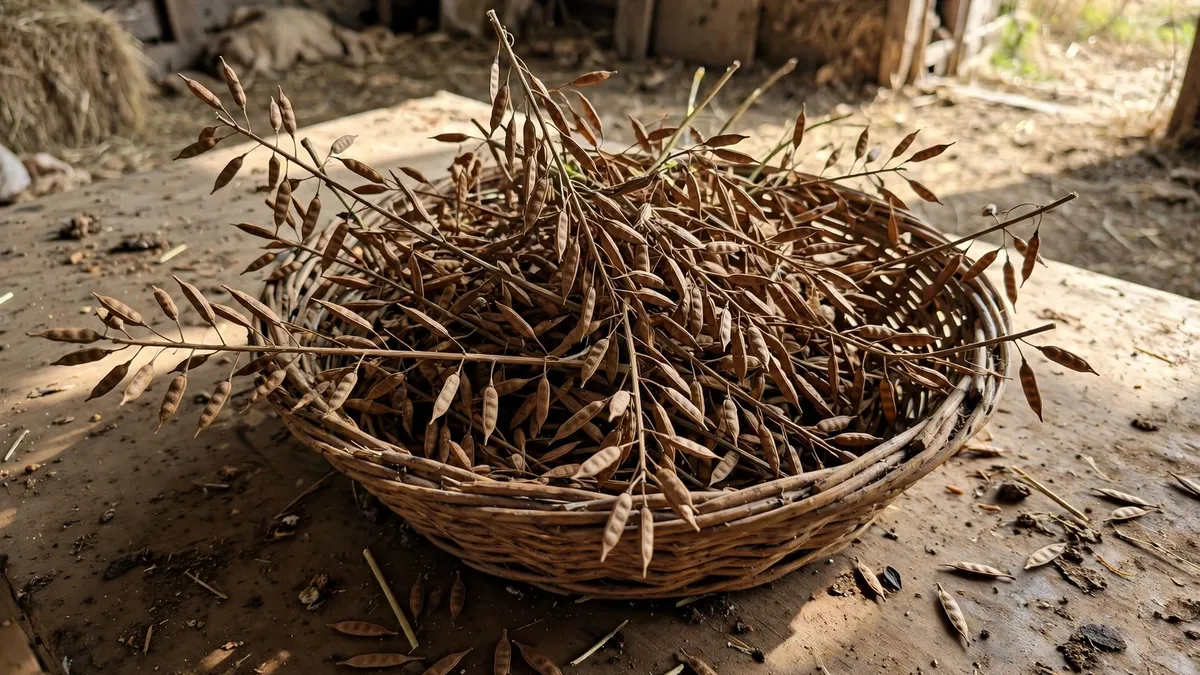
What to do: Learn the shape of a ripe pod before you go out: a slim green-brown case, firm to the touch, with hard seed inside that rattles when you shake it. What to avoid: Cutting green pods, which never harden properly once they are down. Best for: Hands-on travellers who would rather cut than watch. Time needed: Ten minutes at the farmer’s elbow on your first morning. Standout tip: A pod that rattles is ready, and one that bends is not.
Cut the pods while the seed still sits tight inside
What to do: Cut the pods while they are still green-brown, and leave the late ones standing for another day, so the whole field ripens in its own time. What to avoid: Waiting for the pods to turn fully brown, which takes half the seed with it when they split. Best for: Travellers keen for the farm to ask them back next year. Time needed: A morning among the rows, cutting at the farmer’s pace. Standout tip: Count the green-brown pods before you cut, and the field will do the rest.
Finish the drying under the barn roof, not in the field
What to do: Lay the swaths in the barn where the air moves, and wait until the seed is hard enough to thresh, usually a week or two. What to avoid: Threshing pods that are still damp, which gives seed that spoils in the jar. Best for: Travellers who want the whole plant, not only the cutting. Time needed: Half an hour in the barn, learning how the farmer dries. Standout tip: A swath laid loosely dries in a week, and one packed tight rots in three days.
Step out with the cutters at dawn
What to do: Go out with the cutters at first light, while the dew is still on the pods and the seed holds tight inside them. What to avoid: Cutting at noon, when the dry pods split and the seed falls in the rows. Best for: Travellers who are up before dawn, when the farm wakes. Time needed: Two hours before breakfast, out alongside the crew. Standout tip: The pods cut at dawn keep their seed, and the ones cut at noon scatter it.
Judge the farm by the mustard in its first supper
What to do: Ask for the farm’s own mustard at the first supper, and taste how the seed sits in it, because the jar is where a farm’s mustard proves itself. What to avoid: Filling up on bread before the mustard arrives, and missing the flavour the trip is about. Best for: Travellers who rate a farm by what its kitchen serves. Time needed: One slow evening meal. Standout tip: The mustard ground from last year’s seed tells you more than any tour of the fields.
Tell yellow, brown, and black mustard apart in the field
What to do: Ask the farmer to show you yellow, brown, and black mustard side by side, and learn the leaf, the flower, and the seed that set them apart. What to avoid: Buying seed from a market stall without knowing which of the three you are holding. Best for: Travellers who cook with spice back home. Time needed: Fifteen minutes in the farm shop beside the farmer. Standout tip: Yellow is mild and pale, brown is hot and dark, black is hottest of all, and the nose knows before the eye does.
Pack dried seed, and leave the pods behind
What to do: Buy the farm’s own dried mustard in paper packets at the farm shop, and pack them in your case for the journey home. What to avoid: Carrying fresh pods through customs and airports, where they split and are often taken away. Best for: Travellers who cook with mustard all year. Time needed: Fifteen minutes in the farm shop before you go. Standout tip: Seed from the farm you visited will flavour your cooking for a year, and the story comes free.
Picking the right season and region
For the deepest mustard flavour, travel in late spring, when the pods turn green-brown and the seed hardens inside. Dijon and Norwich are the kindest first choices, with long cutting weeks and kitchens that cook with mustard every day. For the wildest setting, the Kathmandu Valley is the farm to choose, where the seed is pressed on terraces under the mountains and the oil is golden.
If you want the trip to feel like a holiday as well as a farm visit, Cambridgeshire and Kharkiv are the regions to pick, with the fenland waterways close by in one and the wide steppe in the other, and the days built around the fields as well as the table. If you want the most mustard for your money, Saskatoon and Dhaka are the farms to choose, where the seed is a staple crop and the kitchen feeds you like family. The farm shop sells the seed it dried, and the kitchen sends you home with a jar of mustard if you ask. Ask at the shop for the seed threshed that very week, because it is the freshest you will find. Our guide to the turnip farm escape uses the same season-first logic, and it holds here too: pick the harvest, and the region follows.
The caveats that matter
The harvest answers to the weather, and mustard answers faster than most crops, because the pods only wait so long. A hot afternoon can split them where they stand, and a wet week can leave the seed damp in the swath. A farm can lose its cutting week to a single storm, and a late cold snap can hold the whole season back by two weeks. None of that is the farmer’s fault, and a good farm will say so the day its dates move. Pick a stay that lets you shift the week without losing the deposit, and heed the farm’s forecast over the one on the news.
| Detail | What is known |
|---|---|
| Best seed season | Late spring to early summer, when the pods turn green-brown |
| When to cut | When the pods are green-brown and the seed is hard inside |
| When to book | After the farm names its swathing week, usually a month ahead |
| What to pack | Gloves, boots, paper bags for seed, and room for a jar of mustard |
| Who should check first | Anyone with a mustard allergy, and anyone who eats gluten-free |
| What to avoid | Cutting pods that have already split, and threshing before they are dry |
| How it travels | Dried seed in paper packets, never fresh pods, which split and spill |
| What it does not do | It does not keep its heat if stored damp, so keep the packets dry |
Mustard is also easy to confuse with horseradish, its hotter cousin in the kitchen. From a distance the two heats feel the same, yet horseradish heat comes from a grated root, while mustard heat comes from ground seed mixed with water. A farm that grows mustard will show you the difference in the field, and it is worth learning before you buy, because the two cook very differently. Our guide to the beetroot farm escape carries the same warning about lookalike crops, and the lesson is the same: trust the farmer’s eye, not the photograph.
Checklist: before you book a mustard farm escape
Go over these checks before you pay, and again the week before you travel.
- Check the type: confirm whether the farm grows yellow, brown, or black mustard, because the three ripen on different days.
- Check the dates: wait for the farm to name its swathing week, then book flights around it.
- Check the kitchen: ask whether the farm makes its own mustard, and how it handles flour.
- Check the room: make sure the bed stands on the farm itself, not in a village an hour along the road.
- Check the shift: make sure the dates can move without costing you the deposit if the season runs late.
- Check the bag: pack paper bags for seed, gloves for cutting, and room for the jar of mustard you will bring home.
Frequently asked questions
Is a mustard farm a good trip if you eat gluten-free?
Yes, if you tell the farm when you book. The seed itself carries no gluten, and the fish, potatoes, and pickles served are generally safe. The trouble is the wheat bread baked fresh each morning, so ask the farm how it keeps it away from your plate.
How far ahead should I book a mustard farm stay?
Book the room as soon as the farm names its swathing week, usually a month ahead, and earlier for the small farms in Nepal and Myanmar. The seed season runs short, and the best weeks are taken first. Hold off on flights until the farm has settled its dates.
What goes in the bag for mustard country?
Paper bags for the seed, gloves for cutting, sturdy boots for the rows, and a warm layer for the cool mornings. Leave room in the case for the dried mustard packets and the jar you will bring home from the farm shop.
Do mustard farms welcome children?
Most do, if the children can keep up with the crew and stay clear of the cutting rows unless invited. The work is gentle, and the farms are used to families, but the swathing crew cannot watch a small child and cut at the same time, so ask the farm first.
What is worth bringing home from a mustard farm?
The farm’s own dried mustard in paper packets, which keeps for a year and carries the flavour of the trip. Fresh pods split within hours and are often taken at customs, so leave them behind and buy the seed instead.
How much does a week on a mustard farm run to?
Rooms on these farms run from $65 to $380 a night by region, so a week with meals usually lands between $600 and $2,800. The lower-priced farms in France and England are the best value, and the higher-priced stays in Nepal and Myanmar include more meals and guiding.
The bottom line
A mustard farm escape fits travellers who like their food to come from the field they are standing in, and who are happy to let the farm set the day. The seed is small, the season is short, and the best trips are the ones where you cut in the morning, eat at noon, and learn the plant properly.
Decide the swathing or the threshing first, wait for the farm to name its week, and pack paper bags for the seed. The packets you bring back will flavour your cooking for a year, and the mornings in the yellow rows will stay with you longer.