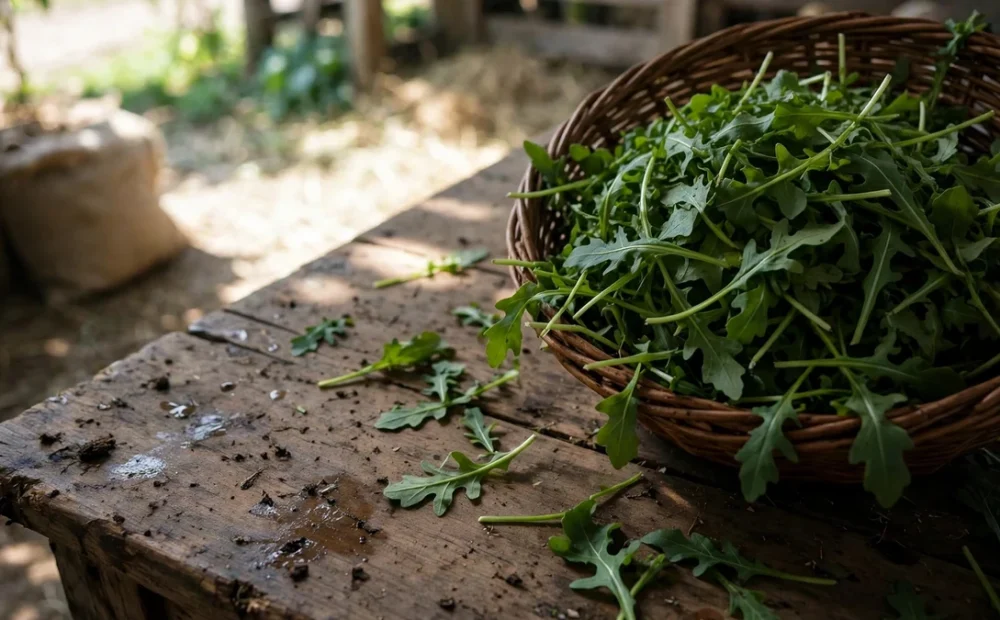
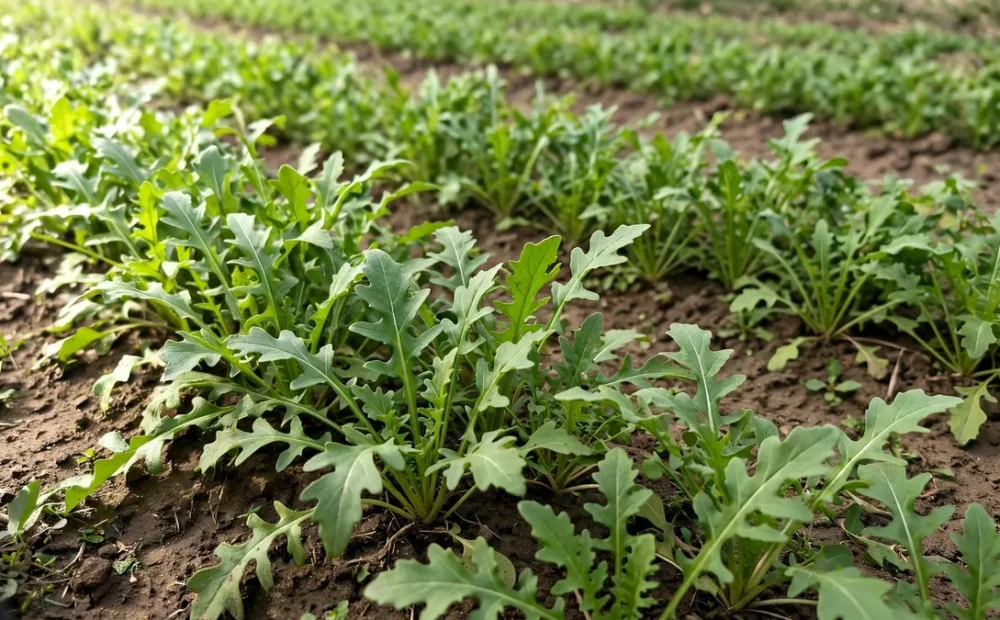
A rocket farm escape is three to five nights on a working salad farm at cutting time, with the leaves coming off the rows in the morning and the salad landing on the table in the evening. It is a quick trip, built around a leaf that grows in a month, long cool mornings while the cutting runs, and suppers where the harvest sits in the salad bowl. Nothing about it moves slowly, and that quickness is the whole point.
The trip works best when you plan it around the plant, not the dates on the calendar. Rocket is sown in cool soil, cut in three or four weeks, and finished the moment the heat arrives. A farm that names its cutting week a month ahead is worth more than a farm with a prettier website, because the dates are what decide whether you see the harvest at all.
Below are nine steps to plan a rocket farm escape in 2027, from choosing the cool weeks first to eating the leaves the day they are cut. Work through the steps in order, one at a time, and leave the flights until the farm has fixed its dates.
Key takeaways
- Visit in the cool weeks of spring or autumn, because rocket bolts in heat, and a high-summer field has already gone to flower.
- Wait for the farm to name its cutting week first, and only then book flights and rooms.
- Cut the leaves young, before the flower stalks rise, and pick in the cool of the morning, while the leaves are crisp.
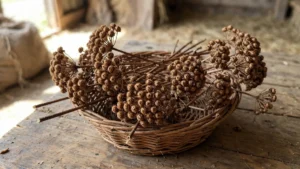
- Washed leaves wilt within hours in a warm case, so the souvenirs worth carrying home are the farm’s own seeds and the recipes you learn.
- Rocket itself is naturally gluten-free, but farm kitchens bake bread every morning, so tell the farm about your diet when you book.
What a rocket farm escape involves
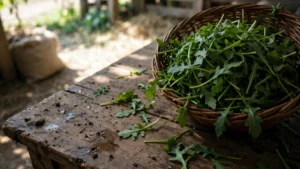
A rocket farm escape is a stay on a working salad farm during the cutting season, with a room on the farm and meals from the farm kitchen. The days follow the leaf. You are out in the rows in the morning while the rocket is cut, back at the packing shed by midday to see it washed and bagged, and at the table in the evening while the kitchen puts the day’s leaves into the salad, the soup, and the pasta. The farm is growing rocket for its restaurants, and your stay runs alongside the real harvest.
The work is light but real. Cutting rocket means walking the rows with a sharp knife, taking the outer leaves low and leaving the centre to regrow. Washing means rinsing the leaves in cold water and spinning them dry, and packing means bagging them before the heat. Guests may join all three, but the crew sets the pace, and the farm’s own harvest always comes first. The work is gentle enough for a first-timer, and the farmer shows you the cut before passing you the knife. The evenings are built around the table, and that is where the trip proves itself.
How to plan it, and what to ask first
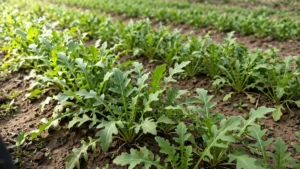
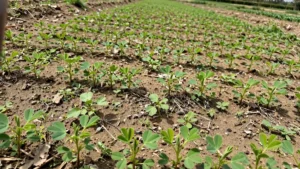
Start with the plant, not with the map. Decide whether you want the sowing, when the seed goes into the cool soil, or the cutting, when the leaves come off the rows, because the two happen three or four weeks apart. The sowing trip is quiet, with the rows freshly turned. The cutting trip is busy, with the packing shed full of leaves by midday. Trying to do both in one week rarely works, because the leaf needs its month to grow.
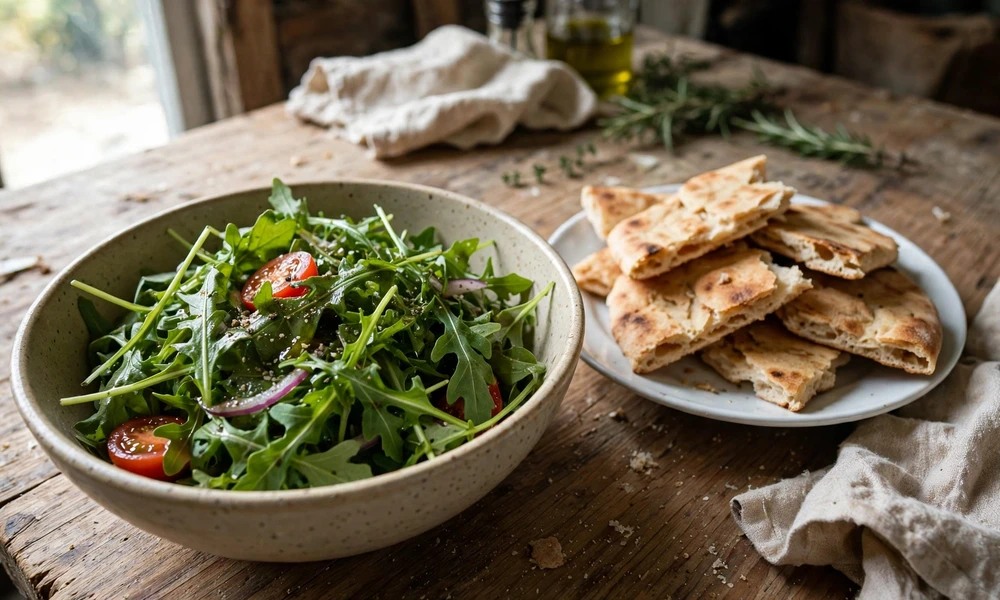
Once you have chosen, write to the farm and ask three questions. Which rocket does it grow, wild or cultivated, and which week does it cut. Whether the kitchen cooks with its own rocket, or buys leaves in. And how the kitchen keeps flour and bread away from your plate, if you eat gluten-free. A farm that answers all three plainly is a farm that knows its season well. Our guide to the basil farm escape starts with the same three questions, and they save more trips than any packing list.
The 9 steps to plan a rocket farm escape
Choose the cool weeks, and let the hot ones pass
What to do: Choose the cool weeks of spring or autumn for your trip, when the leaves stay tender and the cutting runs every day, because rocket loves cool weather and hates heat. What to avoid: Booking a high-summer week, when the fields have already bolted and the leaves are bitter. Best for: Travellers who plan by the plant, not the calendar. Time needed: An evening with the farm’s sowing notes and kitchen menus. Standout tip: A farm that sows little and often always has a young row to show you.
Learn which rocket the farm grows before booking
What to do: Ask the farm whether it grows wild rocket or cultivated rocket, and pick the flavour you want, because the two leaves taste very different on the plate. What to avoid: Assuming all rocket tastes the same, and arriving to a leaf hotter than you expected. Best for: Travellers who eat with their palate, not their eyes. Time needed: One message to the farm, answered in a day. Standout tip: Wild rocket is narrow and hot, cultivated rocket is broad and mild, and the farm will tell you which it sows.
Cut the leaves young, before the flower stalks rise
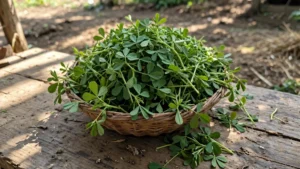
What to do: Cut the leaves while they are young and the flower stalks are still low, because a young leaf is tender and bright, and an old one is tough. What to avoid: Waiting for the leaves to grow big, which only gives you stalks and flowers. Best for: Travellers who would rather cut than watch. Time needed: A short lesson beside the farmer on your first morning. Standout tip: A leaf the length of your palm is ready, and one taller than your hand is already past it.
Let the first light find you already in the rows
What to do: Go out with the cutters at first light, while the dew is still on the leaves and they are crisp in the hand, because a cool leaf cuts clean and stays fresh. What to avoid: Cutting at noon, when the sun has wilted the rows and the leaves bruise at a touch. Best for: Travellers who rise before dawn, when the farm is at its liveliest. Time needed: Two hours before breakfast, out in the rows with the crew. Standout tip: The leaves cut at dawn stay crisp until supper, and the ones cut at noon wilt by lunch.
Try a leaf from the row before you start cutting
What to do: Taste one leaf from each row before you start cutting, because the bite varies with the soil and the sun. What to avoid: Filling the basket from the first row, and finding the leaves too hot for the table. Best for: Travellers who judge a farm by what its leaves taste like. Time needed: Five minutes in the rows, tasting as you walk. Standout tip: The row nearest the shade is usually the mildest, and the row in full sun is usually the hottest.
Skip the flowering rows, and cut only the young ones
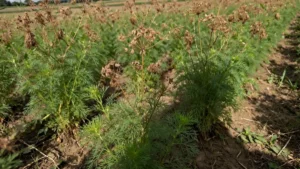
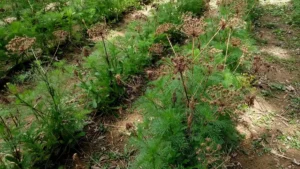
What to do: Walk past the rows that have gone to flower, and leave them standing for the bees, because a flowering plant has given its flavour to the stalk. What to avoid: Cutting a flowering row for the basket, which only gives you bitter leaves and stalks. Best for: Travellers who hope the farm asks them back next year. Time needed: A morning among the rows, cutting as the farmer cuts. Standout tip: A row in flower is a row for the bees, and the next sowing is already in the ground.
Watch the farmer cut once, then copy the low stroke
What to do: Watch the farmer cut once, then copy the cut yourself: low across the stem, clean through, and the centre of the plant left standing so it can grow again. What to avoid: Pulling the leaves off by hand, which tears the plant and stops it regrowing. Best for: Travellers who want to know the whole plant, not only the cutting. Time needed: Half an hour in the rows, learning the cut from the farmer. Standout tip: A clean cut low on the stem gives you a second cutting, and a torn plant gives you none.
Once the basket is full, get it into the shade and keep the leaves dry
What to do: Put the cut leaves in a cool bag in the shade as soon as they are picked, because a warm leaf wilts in minutes and never recovers. What to avoid: Leaving the basket in the sun while you walk the farm, which cooks the leaves where they lie. Best for: Travellers who want the leaves to reach the table as crisp as they left the row. Time needed: A cool bag and a shady spot, both ready before you start. Standout tip: A leaf kept cool and dry stays crisp until supper, and a leaf left warm wilts before lunch.
Eat the day’s rocket the same evening, or cook it
What to do: Eat the rocket you cut in the morning at the evening meal, while it is still crisp and bright, — the leaf loses its bite with every hour. What to avoid: Saving the best leaves for tomorrow, when they will be limp and dull. Best for: Travellers who eat what the farm grows, when the farm grows it. Time needed: One slow evening meal. Standout tip: The leaves too old for salad go into the soup, and the soup is often the best dish of the week.
Picking the right season and region
For the tenderest rocket, travel in spring, when the leaves are young and the cutting runs every day. Attica and Herzegovina are the kindest first choices, with early springs and kitchens that cook with rocket every day. For the hottest leaf, Epirus is the farm to choose, where the wild rocket grows on the valley slopes. For the longest season, Oregon is the farm to pick, where the cool nights keep the leaves tender from spring into late autumn.
If you want the trip to feel like a holiday as well as a farm visit, Dorset and the Cyclades are the regions to pick, with the sea close by and the days built around the water. If you want the most rocket for your money, the Cotswolds and Yorkshire are the farms to choose, where the leaf is a staple crop. The farm shop sells the seed it saved, and the kitchen sends you home with a loaf of bread if you ask. Ask at the shop for the seed the farm saved that very season. Our guide to the mint farm escape reasons the same season-first way, and it holds here too: pick the harvest, and the region follows.
The caveats that matter
The harvest answers to the weather, and rocket answers faster than most crops, because the leaf bolts the moment the heat arrives. A hot week can push a whole field to flower, and once the stalks rise the leaves turn bitter and cutting stops. A single heatwave can close a farm’s season, and a warm spring can pull the whole crop a fortnight early. None of this is the farmer’s fault, and a good farm will tell you the very day the dates move. Pick a stay that lets you shift the week without losing the deposit, and listen to the farm’s own forecast rather than the one on the news.
| Detail | What is known |
|---|---|
| Best cutting season | Spring and autumn, in the cool weeks, while the leaves are young |
| When to cut | Three to four weeks after sowing, while the leaves are palm-length and the stalks are low |
| When to book | After the farm names its cutting week, usually a month ahead |
| What to pack | Gloves, boots, a cool bag for leaves, and room for the seed packets |
| Who should check first | Anyone with a mustard-family allergy, and anyone who eats gluten-free |
| What to avoid | Cutting in the midday heat, and cutting rows that have already flowered |
| How it travels | Washed leaves in a cool bag, never loose in a warm case, where they wilt within hours |
| What it does not do | It does not keep its bite once it is old, so eat it the day it is cut |
Rocket is also easy to confuse with its lookalike leaves, especially dandelion and mizuna, which share the same jagged shape. Dandelion leaves taste more bitter and grow in flat rosettes on waste ground, while mizuna is milder and more feathery, with a softer bite. A farm that grows rocket will show you the difference in the row, and it is worth learning before you buy, because the three leaves cook very differently. Our guide to the parsley farm escape carries the same warning about lookalike crops, and the lesson is the same: trust the farmer’s eye, not the photograph.
Checklist: before you book a rocket farm escape
Go over these checks before you pay, and again the week before you travel.
- Check the plant: confirm the farm grows wild or cultivated rocket, because the two taste different.
- Check the dates: wait until the farm has named its cutting week, then book flights around it.
- Check the kitchen: ask whether the farm cooks with its own rocket, and how it handles flour.
- Check the room: make sure the bed is on the farm itself, not in a village you have to drive an hour to reach.
- Check the shift: make sure the week can move without costing you the deposit when the season slips.
- Check the bag: pack a cool bag for leaves, gloves for cutting, and room for the seed packets you will bring home.
Frequently asked questions
Is a rocket farm a good trip if you eat gluten-free?
Yes, if you tell the farm when you book. The leaf itself carries no gluten, and the fish, salads, and vegetables on the table are generally safe. The trouble is the bread baked fresh each morning, so ask the farm how it keeps it away from your plate.
How far ahead should I book a rocket farm stay?
Book the room as soon as the farm names its cutting week, usually a month ahead, and earlier for the small farms in Epirus and the Cyclades. The leaf season is short-lived, and the best weeks go first. Hold off on flights until the dates are fixed.
What goes in the bag for rocket country?
A cool bag for the leaves, gloves for cutting, sturdy boots for the rows, and a layer for the cool mornings. Leave room in the case for the seed packets and the recipes you will bring home from the farm shop.
Do rocket farms welcome children?
Most do, if the children are old enough to keep up with the crew and stay out of the rows unless invited in. The work is gentle, and the farms are used to families, but the crew cannot watch a small child and cut at the same time, so ask the farm first.
What is worth bringing home from a rocket farm?
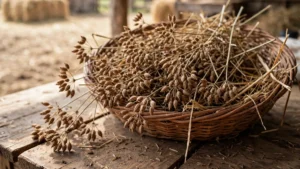
The farm’s own saved seed in paper packets, which keeps for a year and carries the flavour of the trip. Washed leaves wilt within hours and are often taken at customs, so leave them behind and buy the seed instead.
How much does a week on a rocket farm run to?
A three-night stay runs from around $65 a night in Attica to around $380 a night in Oregon, with most farms in the $135 to $270 range. Flights, trains, and ferries are on top, so the room is the main cost.
The bottom line
A rocket farm escape suits travellers who like their food to come from the row they are standing in, and who are happy to let the farm set the day. The leaf is humble, the season is brief, and the best stays are the ones that cut it, wash it, and serve it without ceremony.
Pick the region by whether you want Mediterranean sun, the wild mountain leaf, or a long cool season, ask the farm for its cutting week before you book anything else, and eat the leaves on the day they are cut. The rocket you taste in the field will keep the trip alive longer than any photograph.