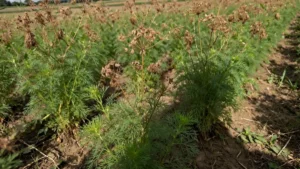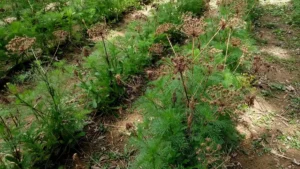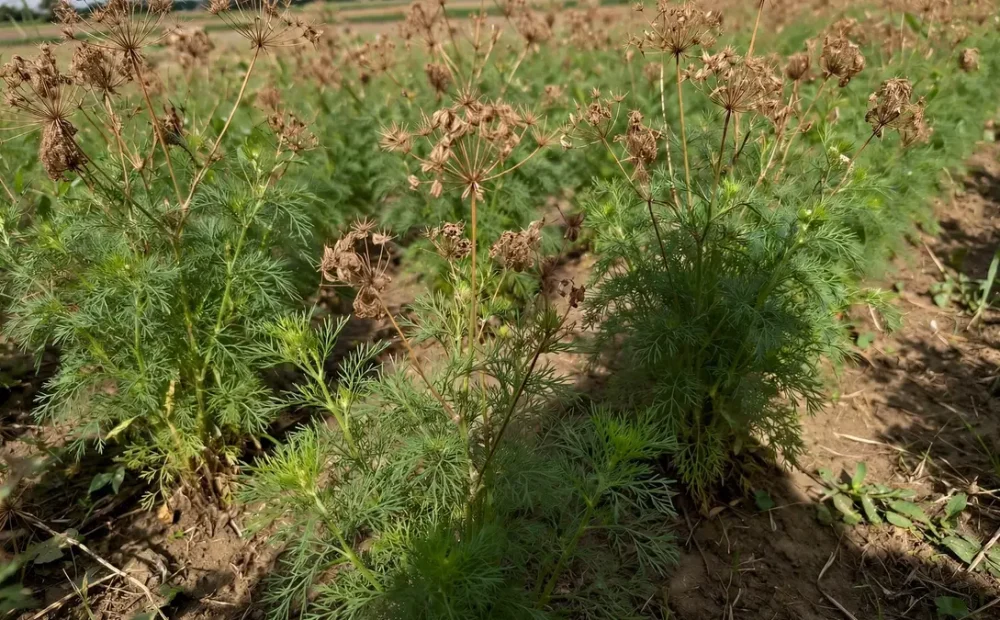
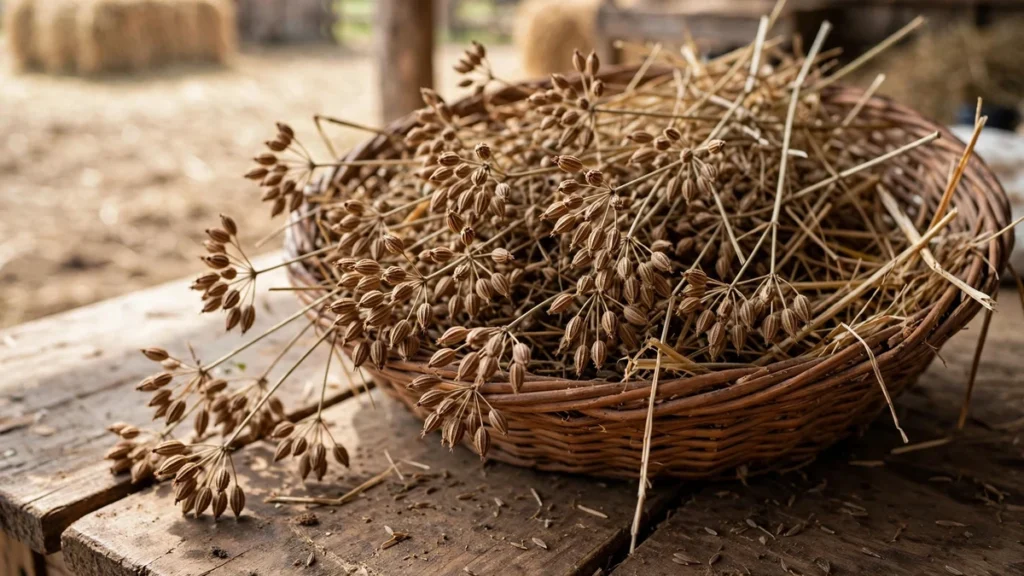
A cumin farm escape is a short stay on a working seed farm in the dry season, timed to the few days when the whole crop is pulled, dried, and threshed. The plant is an annual, so the farm sows in the cool months and harvests a few months later, and the work happens fast: the umbels turn straw-coloured, the crew pulls the plants by hand, and the seed is spread in the sun before it can shatter. If you arrive a week early, the fields are still green. If you arrive a week late, the fields are bare.
That short window is the whole point of the trip. You are not visiting a museum farm or a display garden. You are standing in the rows while a crop that flavours half the world’s cooking is gathered, and you are eating it in the farm kitchen the same evening, in the rice, the lentils, and the bread. The farms that do this well are small, dry-country places, and they take only a handful of guests at a time.
Below are the nine steps to plan a cumin farm escape in 2027, from picking the region to bringing the seed home in your bag. Each step is described by what to do, what to avoid, and how long it takes, so you can plan around the harvest instead of guessing at it.
Key takeaways
- Cumin is an annual with a short harvest, so the whole trip hangs on the cutting week the farm names a few weeks ahead.
- Book nothing until the farm fixes its dates, because a cumin field is ready all at once and the work lasts days.
- Learn cumin from caraway and black cumin by sight before you travel, and the farm will show you the difference in the field.
- Stay on the farm itself, eat in the farm kitchen, and carry the whole dried seed home, never the ground spice.
- Cumin itself is naturally gluten-free, but farm kitchens bake flatbread every morning, so tell the farm when you book.
What a cumin farm escape involves
A cumin farm escape is a stay of three to five nights on a working seed farm during the harvest, with a room on the farm and meals from the farm kitchen. The days follow the seed: out in the rows in the early morning to pull the plants, back to the yard to spread them in the sun, and an evening meal where the seed appears in almost everything on the table. The work is simple and physical, and guests are expected to join in if they want to, under the crew’s direction.
You will not find a hotel here. The rooms are farmhouse bedrooms or converted storehouses, the supper is served at the family’s long table, and the farm’s own cumin is in the rice, the lentils, and the bread. The best escapes are the ones where the farm treats you as a guest of the harvest, not as a customer of a tour.
How to plan it, and what to ask first
Start with the harvest, not the map. Cumin is sown in the cool season and pulled a few months later, and the exact week depends on the spring weather, so no farm can promise a date months ahead. Pick two or three regions from our list, write to the farms, and ask when they expect to pull. The farm that answers clearly, with a week and a backup week, is the farm to book.
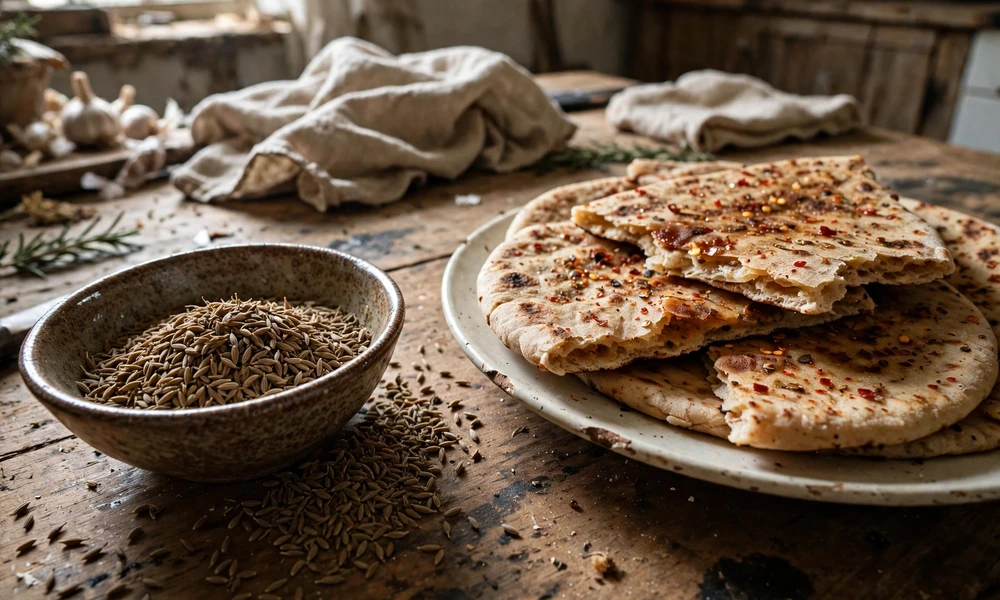
Before you book, ask three questions. First, which week the farm pulls the plants, and whether the dates can move if the weather turns, because a cumin field is ready all at once. Second, whether the kitchen mills its own seed, or buys ground spice in, because a farm that grinds its own cumin will show you more. Third, how the farm copes with flour and bread, if you eat gluten-free, because a kitchen that bakes flatbread every morning needs a clear answer. Our guide to the caraway farm escape follows the same three questions, and they work just as well there.
The 9 steps to plan a cumin farm escape
Pick a farm whose kitchen cooks like yours
What to do: Choose the region whose cooking matches your own kitchen, whether that is the lentil stews of the Harran Plain or the lamb skewers of Xinjiang, because the farm’s food is the trip. What to avoid: Picking a region for the photograph and eating food you do not enjoy for five days. Best for: Travellers who cook with cumin at home and want to see where it comes from. Time needed: An evening with the farm’s menus and your own spice shelf. Standout tip: The farm whose dishes you already love is the farm whose harvest you will enjoy most.
Fix the trip around the farm’s pulling week
What to do: Write to the farm, ask when it expects to pull, and wait for a firm week before you book anything else. What to avoid: Booking a cheap flight first and finding the farm pulls a fortnight later. Best for: Travellers who would rather shift a flight than miss the harvest. Time needed: A week of messages while the dates settle. Standout tip: Ask the farm to hold the room until the pulling week is fixed, and most will.
Judge the umbel by its straw colour, not its size
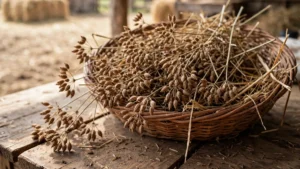
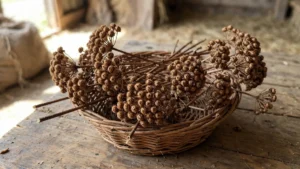
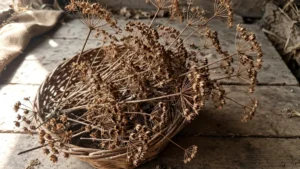
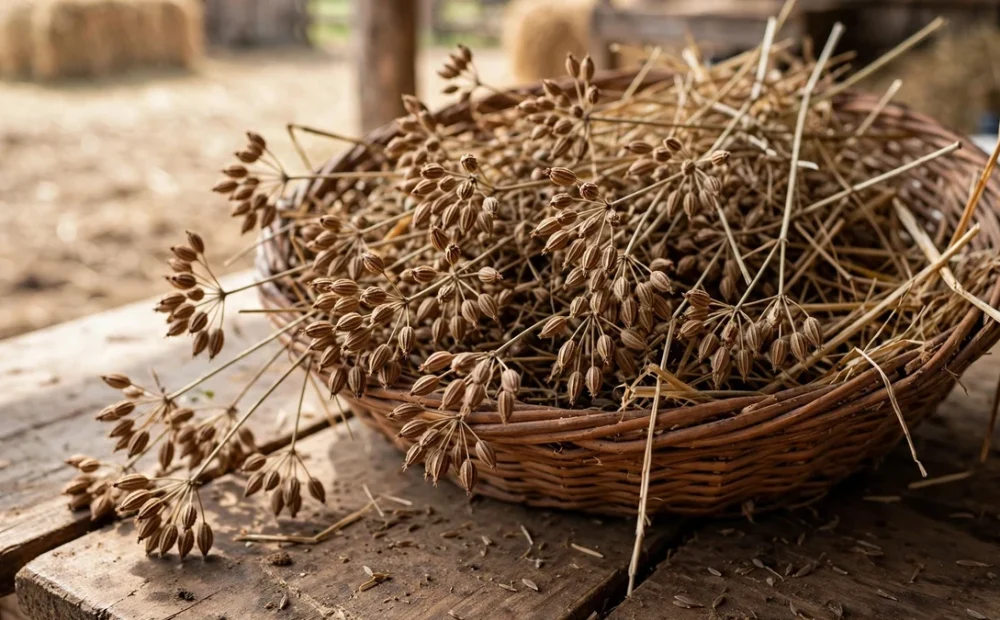
What to do: Learn the shape of a ripe cumin umbel, straw-coloured and dry, with seed that rattles in the hand, so you can tell it from a green one at a glance. What to avoid: Arriving unable to tell ripe from unripe and pulling the wrong rows. Best for: Travellers who want to work in the rows, not just watch. Time needed: An hour with pictures of ripe and unripe umbels before you pack. Standout tip: The farm will show you once, in the field, and after that you will never forget it.
Work the rows at dawn, while the seed stays put
What to do: Work in the rows in the early morning, when the plants are cool and the seed stays in the head, and rest when the sun is high. What to avoid: Pulling at midday, when the dry seed shatters and falls before it reaches the basket. Best for: Travellers who are happy to rise early and rest at noon. Time needed: Three or four hours in the rows each morning. Standout tip: The crew starts at dawn for a reason, and the reason is the seed.
Spread the plants out thin so the sun dries them
What to do: Lay the pulled plants in thin rows in the sun, turning them once in the afternoon, so the seed dries evenly and does not go musty. What to avoid: Piling the bundles thick, where the middle stays damp and the seed spoils. Best for: Travellers who like the slow work of the drying yard. Time needed: An afternoon of turning and spreading, then a day of waiting. Standout tip: Thin layers dry in a day, thick piles take a week and lose the scent.
Thresh only when the seed rattles free
What to do: Wait until the umbels are dry enough that the seed falls with a shake, then thresh on a cloth, winnow the chaff, and bag the clean seed. What to avoid: Threshing damp umbels, which bruise the seed and leave it dull. Best for: Travellers who want to see the whole harvest through. Time needed: Half a day of threshing and winnowing with the crew. Standout tip: The sound of the seed rattling is the farm’s own signal that the work is ready.
Taste the seed in the kitchen the same evening
What to do: Eat the farm’s cooking the night of the threshing, when the seed is freshest, and ask the cook how much goes into each dish. What to avoid: Eating in town and missing the one meal where the harvest is on the table. Best for: Travellers who travel for flavour as much as for fields. Time needed: One long supper at the family’s table. Standout tip: Fresh cumin tastes warmer and rounder than the jar at home, and you will notice it at once.
Sort cumin from caraway and black cumin by hand
What to do: Ask the farmer to lay out cumin, caraway and black cumin side by side, and learn them by shape, colour and smell before you buy any. What to avoid: Buying seed in a market without knowing which of the three you are holding. Best for: Travellers who want to cook with the right seed when they get home. Time needed: Half an hour at the kitchen table with three small bowls. Standout tip: Cumin is straight and pale, caraway is curved and ridged, and black cumin is small, black and teardrop-shaped.
Carry the whole seed home in paper, never ground
What to do: Take dried whole seed home in paper packets, and grind it only when you cook, because whole seed keeps its scent for months. What to avoid: Buying ground cumin at the market, which loses its scent within weeks. Best for: Travellers who cook with cumin every week. Time needed: A short stop at the farm shop before you leave. Standout tip: A paper packet in a dry cupboard keeps the trip alive longer than any photograph.
Picking the right season and region
Cumin is a cool-season crop, so the harvest falls in late spring or early summer in most regions, and the exact week moves with the spring rain. The Harran Plain and Aleppo pull earliest, in the warm lowlands, while the Negev and the Golan pull later, on the higher ground. Ask the farm for its week, not the region’s average, because a single storm can move the whole harvest by a fortnight.
For a first escape, the Harran Plain is the simplest choice: the farm is used to guests, the cutting week is generous, and the kitchen cooks with cumin at every meal. If you want the desert, choose the Negev, where the seed grows on drip water in the sands. If you want the night markets, choose Xinjiang, where the seed ends up on the lamb skewers. Our guide to the dill farm escape uses the same first-timer logic, and it holds here too: pick the farm that cooks with its crop daily, and the rest of the trip follows.
The caveats that matter
Cumin farming is at the mercy of the weather, because the whole plant is pulled in one go and the seed has to dry in the sun. A rainy week can spoil the umbels where they lie, and a fierce wind can scatter the seed before it is gathered. One storm can take a farm’s pulling week away, and a late spring can hold the season back a fortnight. A good farm rings you the day the dates move. Pick a stay that lets you move the week without forfeiting the deposit, and follow the farm’s own weather sense rather than the national forecast.
| Detail | What is known |
|---|---|
| Best time to go | Late spring to early summer, when the umbels turn straw-coloured |
| How long to stay | Three to five nights, covering the pulling, drying, and threshing |
| When to book | Only after the farm names the pulling week, usually a few weeks ahead |
| What to pack | Gloves, a hat, a scarf for dust, and sturdy shoes for the rows |
| Cumin vs caraway | Different plants and different seeds; learn them by shape and smell in the field |
| Who should check first | Anyone with a celery-family allergy, and anyone who eats gluten-free |
| What to bring home | Whole dried seed in paper packets, never ground spice |
| What to avoid | Booking after the pulling week, when the fields are already bare |
Cumin is also easy to mix up with caraway, its cooler cousin, and with black cumin, which is not a cumin at all. The seeds look the same in a jar, yet cumin is straight and pale with a warm, earthy smell, caraway is curved and ridged with a cool, sharp, faintly aniseed smell, and black cumin is small, black and teardrop-shaped with a peppery bite. A farm that grows cumin will show you the difference in the field, and it pays to learn it, because the three cook very differently. Our guide to the coriander farm escape gives the same warning about lookalike crops: trust the farmer’s eye, not the photograph.
Checklist: before you book a cumin farm escape
Work through these checks before you pay, and again the week before you travel.
- Check the week: ask the farm which week it pulls the plants, and whether the dates can move.
- Check the work: ask whether guests may pull in the rows, or only watch.
- Check the mill: ask whether the farm grinds its own cumin seed, or buys ground spice in.
- Check the bread: ask how the kitchen keeps flatbread and pasta apart from your plate, if you eat gluten-free.
- Check the bed: make sure your room is on the farm itself, not in a town an hour’s drive away.
- Check the move: make sure you can shift the week without forfeiting the deposit if the season runs late.
Frequently asked questions
How far ahead should I book a cumin farm stay?
Only a few weeks ahead, once the farm names the pulling week. Cumin is an annual with a short harvest, and the dates depend on the spring weather, so a farm cannot promise a week months in advance. Write early, wait for the dates, and then book everything at once.
What goes in the bag for cumin country?
Gloves for the rows, a hat for the sun, a scarf for the dust, and sturdy shoes that can take dry soil. The farms are in hot, dry country, so carry water on every walk in the heat, and pack a light layer for the cool evenings after the sun drops.
Can children join in on a cumin farm?
Yes, on most of these farms, so long as the children are old enough to follow the crew’s directions. The work is simple, pulling plants and laying them in bundles, but the rows are hot and the days are long, so plan a shorter day for younger children, with a shaded rest at noon and plenty of water.
What should you carry home from a cumin farm?
Whole dried seed in paper packets, from the farm’s own harvest. Whole seed keeps its scent for months, while ground cumin loses it within weeks. Buy from the farm shop, not the market, and grind it only when you cook.
Can you eat gluten-free and still enjoy a cumin farm?
Yes, if you tell the farm when you book. Cumin itself is naturally gluten-free, and the rice, lentils, and vegetables are usually safe. The worry is the flatbread baked every morning, so ask how the farm keeps it away from your plate.
How much does a week on a cumin farm run to?
Most of these stays run from $65 to $380 a night, depending on the region, with meals from the farm kitchen included. The cheapest stays are the plain farmhouses of the Harran Plain, and the dearest are the high farms of the Golan, where the rooms are fewer and the views are wider.
The bottom line
A cumin farm escape suits travellers who like their food to come from the field they are standing in, and who are happy to let the farm set the day. The seed is plain, the season is brief, and the best escapes are the ones that pull it, dry it, and cook with it without fuss.
Pick a farm whose kitchen cooks like yours, wait for the farm to name its pulling week before you book anything else, and take the whole seed home in paper. The seed you take home will keep the trip alive longer than any photograph.