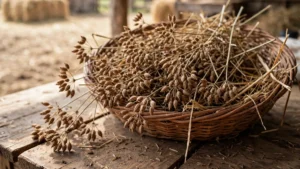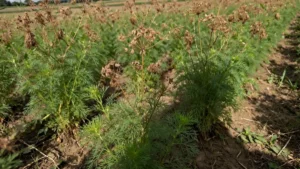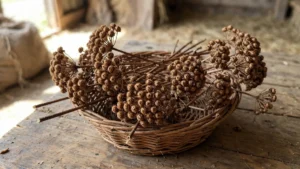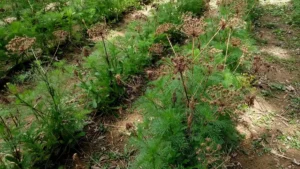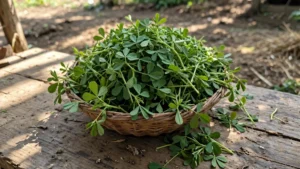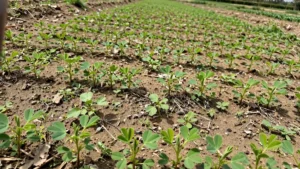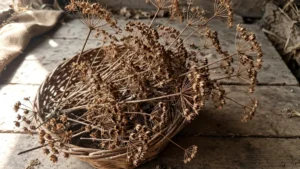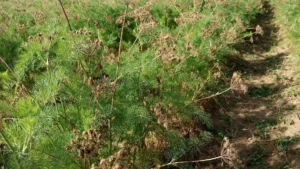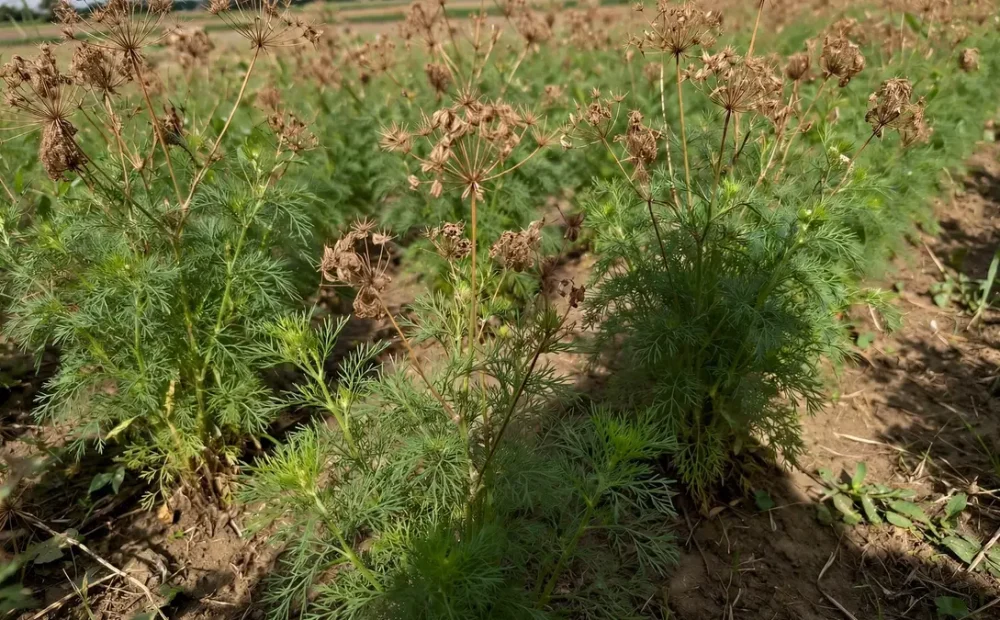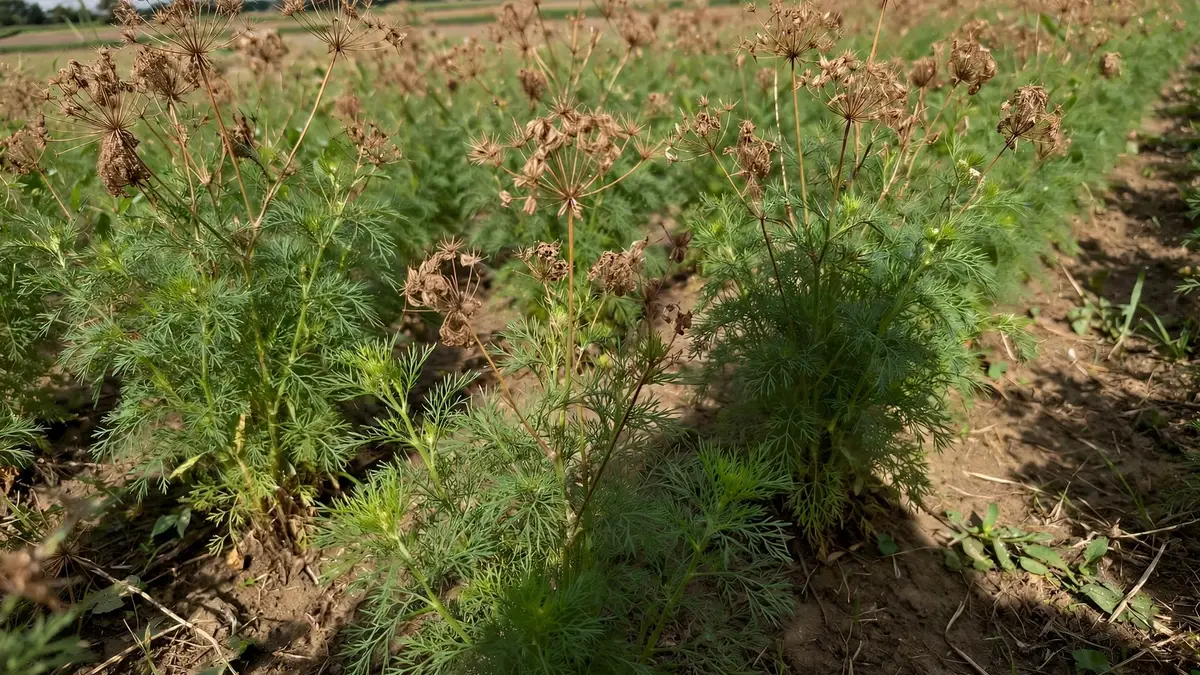
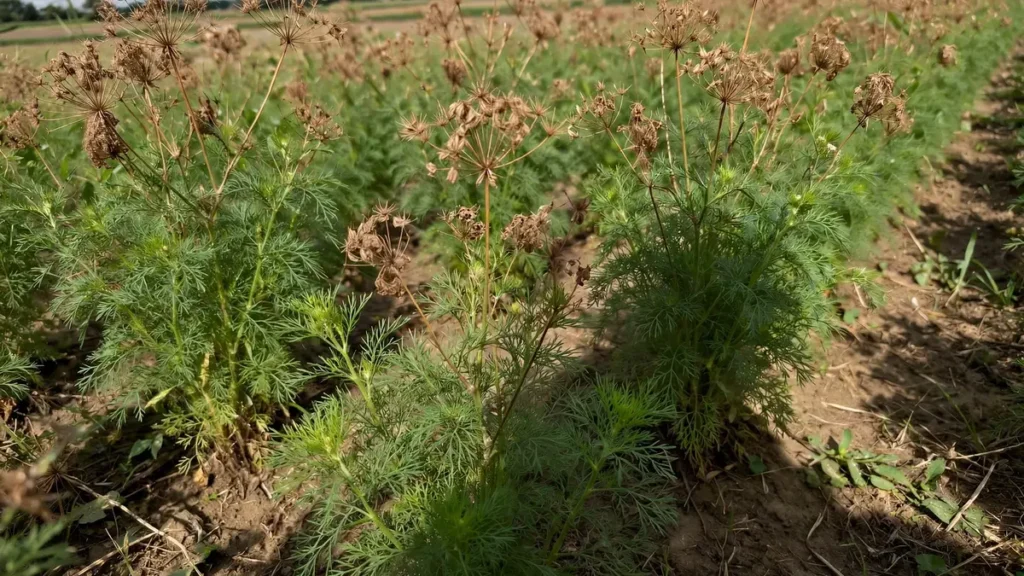
Cumin is the seed that makes a curry smell like a curry, a tagine smell like a tagine, and a chilli smell like a chilli, yet almost nobody who cooks with it has seen where it grows. The plant is a low, feathery annual that lives fast: sown in the cool season and cut whole once the umbels turn the colour of straw. A cumin farm retreat is a stay on a working seed farm at that cutting time, when the fields are pulled by hand, dried in the sun, and threshed while the seed still smells warm and earthy.
Most people meet cumin ground, in a jar, months after it was harvested. On the farm it is a different thing altogether. The seed is pale and straight, nothing like the curved caraway seed it is so often confused with, and a drying yard smells like a spice market at dawn. The farms that welcome guests are small places, and the best of them grow cumin as their main crop, for the spice merchants, rather than as a sideline.
Below are nine cumin farm stays worth considering in 2027, from an ancient plain in south-east Turkey to a volcanic slope in the Levant. Each stay is described by its strengths, its drawbacks, and the traveller it suits best.
Key takeaways
- Cumin is an annual: sown in the cool season and harvested a few months later, so the farm names the cutting week only weeks ahead.
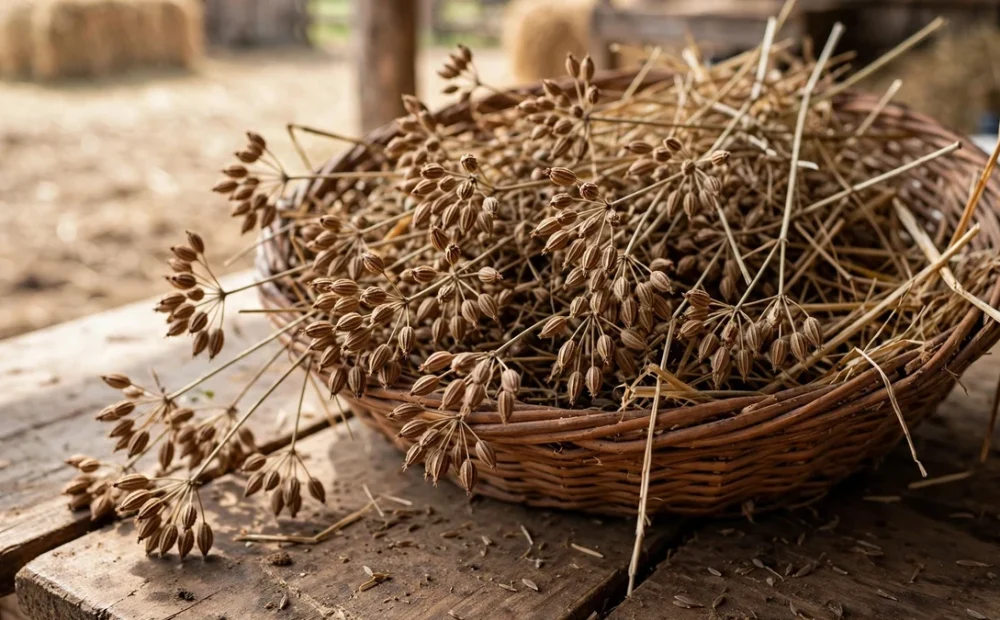
- The seed is cut whole when the umbels turn straw-coloured, dried in the sun, and threshed once the seed rattles free.
- Cumin, caraway and black cumin are three different plants with three different seeds, and a good farm will show you all three in the field.
- Pick a stay by whether you want to see the pulling, the drying, or the threshing, because the three happen on different days.
- Cumin itself is naturally gluten-free, but farm kitchens bake flatbread every morning, so check how the kitchen handles flour before you book.
What a cumin farm retreat actually is
A cumin farm retreat is a stay on a working seed farm during the harvest, usually three to five nights, with a room on the farm and meals from the farm kitchen. The days follow the seed: out in the rows in the early morning to see the plants pulled, back to the yard to watch the bundles dry in the sun, and an evening meal where the seed appears in the rice, the lentils, and the flatbread. Nothing is arranged for show. The farm is growing cumin for the spice trade, and you are there while the work happens.
The best stays keep the group small, often no more than ten guests, because a threshing crew cannot work around a crowd. You sleep on the farm itself, and supper is served at the family’s long table, with the farm’s own cumin in almost everything.
How we picked these stays, and what to ask first
We started with farms that grow cumin as a real crop, sold to spice buyers and merchants, rather than a strip beside the door for show. Each stay on the list pulls its own plants, dries its own umbels, and cooks with the harvest. We then checked that the farm welcomes guests during the cutting season, that the rooms are on the farm, and that the kitchen can feed a table of strangers well. Any farm that missed on one of those three did not make the list, however fine its fields look in a photograph.
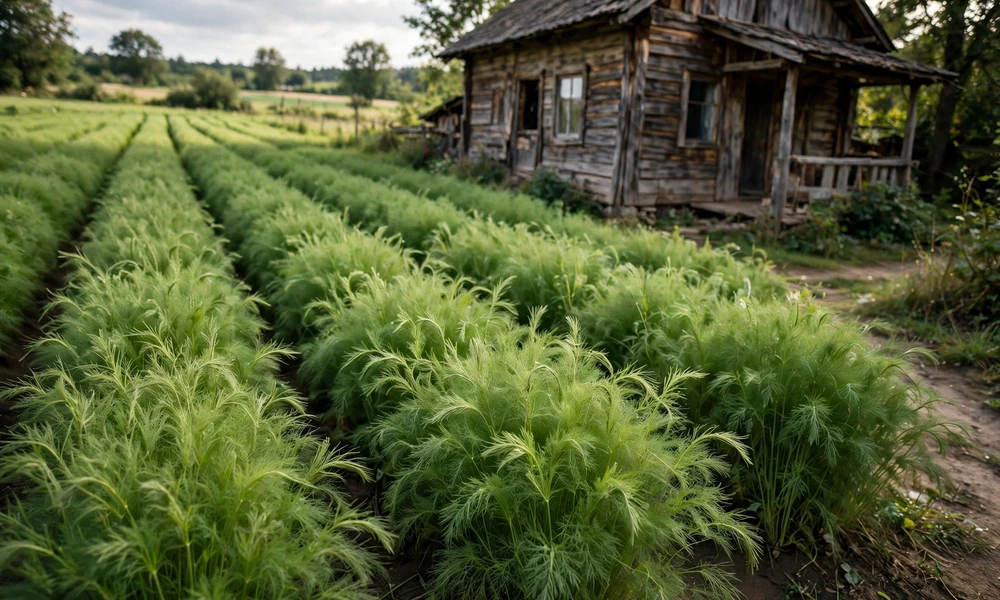
Before you book, ask three questions. First, which week the farm pulls the plants, because a cumin field is ready all at once and the work lasts days, not weeks. Second, whether the kitchen mills its own cumin, or buys ground spice in, because a farm that grinds its own seed will show you more. Third, how the farm deals with flour and bread, if you eat gluten-free, because a kitchen that bakes flatbread every morning needs a clear answer. Our guide to the caraway farm retreats follows the same three questions, and they work just as well there.
The 9 best luxury cumin farm retreats of 2027
Harran Plain, Turkey — Cumin by the Beehive Houses
What we like: Cumin on the Harran Plain grows on one of the oldest farmed landscapes in the world, where the farm’s domed beehive houses keep the rooms cool through the heat. The farm pulls its seed for the spice merchants of Urfa, and the kitchen serves lentil soup, lamb with cumin, and flatbread baked in the clay oven.
What to consider: The plain is hot at harvest time, and the farm is a long drive from the nearest airport.
Style: South-eastern Turkish plain farm stay. Best for: Travellers who want cumin where it has grown for centuries. Price range: $65–$95 per night. Standout feature: Seed pulled on the ancient plain and milled the same week.
Aleppo, Syria — Cumin in the Northern Orchards
What we like: Cumin around Aleppo grows between the pistachio orchards and the olive groves of the north, and the farm dries its umbels on the flat rooftops of the old stone houses. The kitchen serves muhammara, lentil stew, and cumin bread with the farm’s own olive oil.
What to consider: The farm is small and books out early, so check the current travel guidance before you book.
Style: Northern Syrian orchard farm stay. Best for: Travellers who want cumin among old orchards. Price range: $100–$130 per night. Standout feature: Umbels drying on the stone rooftops above the orchards.
Herat, Afghanistan — Cumin on the Western Frontier
What we like: Cumin in Herat grows on the dry frontier land of the west, where the fields are watered by old canals and the farm sells its seed to the spice bazaars of the old city. The kitchen serves qabili pilau, lentil soup, and cumin flatbread with the farm’s yoghurt.
What to consider: The farm sits far from the main roads, so arrange the lift in advance and check the current travel guidance before you book.
Style: Western Afghan frontier farm stay. Best for: Travellers who want cumin from the old spice roads. Price range: $135–$165 per night. Standout feature: Seed sold to the spice bazaars of the old city.
Balochistan, Pakistan — Cumin in the Dry Highlands
What we like: Cumin in Balochistan grows in the dry highlands of the west, where the soil is thin and the rain is rare, and the farm cuts it for the spice merchants of Quetta. The kitchen serves sajji, dal, and cumin bread with the farm’s own ghee.
What to consider: The highland wind is strong at harvest time, and the farm is remote, so book the cutting week as soon as the farm names it.
Style: Pakistani dry-highlands farm stay. Best for: Travellers who want cumin from hard dry country. Price range: $170–$200 per night. Standout feature: Seed cut in the highlands for the Quetta spice trade.
Bukhara, Uzbekistan — Cumin in the Old Caravan City
What we like: Cumin around Bukhara grows on the old Silk Road, where the fields lie flat beside the desert and the farm dries its seed for the plov cooks of the city. The kitchen serves plov, shurpa, and cumin bread with the farm’s own pickles.
What to consider: The desert heat is fierce at midday, and the farm’s English is limited, so learn a few Uzbek words first.
Style: Uzbek Silk Road farm stay. Best for: Travellers who want cumin on the old trade routes. Price range: $205–$235 per night. Standout feature: Seed dried for the plov pots of Bukhara.
Xinjiang, China — Cumin on the Desert Edge
What we like: Cumin in Xinjiang grows on the edge of the desert, where the days are hot, the nights are cool, and the farm sells its seed to the lamb-skewer cooks of the night markets. The kitchen serves hand-pulled noodles, cumin lamb, and flatbread with the farm’s own chilli oil.
What to consider: The farm is a long way from the nearest city, and the desert wind carries dust at harvest time, so pack a scarf and glasses.
Style: Chinese desert-edge farm stay. Best for: Travellers who want cumin where it flavours the night markets. Price range: $240–$270 per night. Standout feature: Seed sold to the lamb-skewer cooks of the night markets.
Negev, Israel — Cumin in the Dry Southern Sands
What we like: Cumin in the Negev grows in the dry southern sands, where the farm waters its fields by drip and the seed comes in small and strong. The kitchen serves shakshuka, lentil stew, and cumin bread with the farm’s own dates.
What to consider: The season is short, and the farm is far from the coast, so travel early in the day and carry water on every walk.
Style: Israeli desert farm stay. Best for: Travellers who want cumin from the desert. Price range: $275–$305 per night. Standout feature: Small, strong seed grown on drip water in the sands.
Thrace, Turkey — Cumin on the European Plain
What we like: Cumin in Thrace grows on the European plain of western Turkey, where the fields are wide and the farm cuts its seed for the spice shops of Istanbul. The kitchen serves lentil köfte, bean stew, and cumin bread with the farm’s own cheese.
What to consider: The plain wind is strong at cutting time, and the farm sits far from the railway, so arrange the lift in advance.
Style: Turkish European-plain farm stay. Best for: Travellers who want cumin on the road to Istanbul. Price range: $310–$340 per night. Standout feature: Seed cut on the plain for the Istanbul spice shops.
Golan Heights — Cumin on the Volcanic Slopes
What we like: Cumin on the Golan Heights grows on dark volcanic soil, where the farm’s fields sit high above the Sea of Galilee and the seed comes in dark and warm. The kitchen serves lentil soup, roast vegetables, and cumin bread with the farm’s own olive oil.
What to consider: The slopes are steep and the sun is strong, so bring a hat and check the current travel guidance before you book.
Style: Levantine volcanic-slope farm stay. Best for: Travellers who want cumin with a view over the lake. Price range: $345–$380 per night. Standout feature: Dark, warm seed grown on volcanic soil above the lake.
Which cumin region fits your trip
If you want the seed at its most traditional, go to Harran Plain or Bukhara, where cumin goes straight to the spice merchants of the old cities. If you want the wildest setting, choose the Negev, where the seed grows on drip water in the sands. If you want the biggest flavours, Xinjiang is the farm to pick, where the seed ends up on the lamb skewers of the night markets.
For a first trip, Harran Plain is the simplest choice: the farm is used to guests, the cutting week is generous, and the kitchen cooks with cumin at every meal, so you taste the seed from morning to night. Our guide to the dill farm retreats makes the same point for first-timers: choose the farm that cooks with its crop every day, and the rest of the trip falls into place.
The caveats that matter
Cumin answers to the weather more than most crops, because the whole plant comes out of the ground at once and the seed needs sun to dry. Rain in the cutting week can rot the umbels where they lie, and a hot wind can shake the seed out before it is gathered. One storm can cost a farm its cutting week, and a cold spring can push the season back a fortnight. A good farm will ring you the moment the dates move. Book a stay that lets you shift the week without losing your deposit, and trust the farm’s own reading of the sky over the national forecast.
| Detail | What is known |
|---|---|
| Cumin seed | The straight, pale seed from the annual umbels, warm and earthy |
| The annual cycle | Sown in the cool season, flowering within weeks, harvested a few months later |
| Best harvest time | Late spring to early summer, when the umbels turn straw-coloured |
| Cumin vs caraway | Different plants and different seeds; cumin is warm and earthy, caraway is cool and sharp |
| Black cumin | A different plant entirely, nigella, with small black teardrop seeds |
| Who should check first | Anyone with a celery-family allergy, and anyone who eats gluten-free |
| What to avoid | Booking after the cutting week, when the fields are already bare |
| How it travels | Whole dried seed in paper packets, never ground, which loses its scent fast |
Cumin is also easy to mix up with caraway, its cooler cousin in the spice trade, and with black cumin, which is no cumin at all. In a jar they look much the same, yet cumin seed is straight and pale with a warm, earthy smell, caraway seed is curved and ridged with a cool, sharp, faintly aniseed smell, and black cumin seed is small, black and teardrop-shaped with a peppery bite. A farm that grows cumin will show you the difference standing in the field, because the three seeds cook in very different ways. Our guide to the coriander farm retreats gives the same warning about lookalike crops: believe the farmer’s eye, not the photograph.
Checklist: booking a cumin farm stay honestly
Work through these checks before you pay, and again the week before you travel.
- Check the week: ask the farm which week it pulls the plants, and which week it threshes.
- Check the drying: ask whether the umbels dry in the sun on the farm, or go straight to a shed.
- Check the mill: ask whether the farm grinds its own seed, or buys ground spice in.
- Check the bread: ask how the kitchen keeps its flatbread apart from your plate, if you eat gluten-free.
- Check the bed: make sure you sleep on the farm itself, not in a town an hour’s drive away.
- Check the move: make sure the week can shift without losing your deposit if the season runs late.
Frequently asked questions
Why is cumin harvested all at once?
Cumin is an annual, and the whole plant ripens together. Once the umbels turn straw-coloured, the farm pulls the plants in a few days, before the seed shatters and falls. That is why the cutting week is short.
When do the farms pull their cumin?
Most farms pull the plants in late spring or early summer, once the umbels turn straw-coloured and the seed rattles in the hand. The dates can move with wet or hot weather. Threshing follows after the plants dry in the sun, usually a few days later.
Is cumin the same plant as caraway?
No. The two seeds look alike in a jar, but they come from different plants in the same family. Cumin seed is straight and pale, with a warm, earthy scent, while caraway seed is curved and ridged, with a cool, sharp, faintly aniseed scent, and the two cook very differently.
May guests pull plants in the rows themselves?
Yes, on most of these farms, as long as you ask the day before. The work is simple, pulling the plants by hand and laying them in bundles, but the crew sets the pace, and guests follow it. Wear gloves if your skin reacts easily, and pull only the rows the farmer shows you.
Where is the simplest cumin farm for a first trip?
Harran Plain, for the easiest journey and the most generous cutting week. The farm bakes with cumin every day, and the kitchen is used to guests.
Can you eat well gluten-free on a cumin farm?
Yes, if you tell the farm when you book. Cumin itself is naturally gluten-free, and the rice and lentils are usually safe. The danger is the flatbread the kitchen bakes each morning, so ask how the farm keeps it away from your plate.
The bottom line
A cumin farm retreat suits travellers who like their food to come from the field they are standing in, and who are happy to let the farm set the day. The seed is plain, the season is brief, and the best stays are the ones that pull it, dry it, and cook with it without any fuss.
Pick the region by whether you want the old spice roads, the desert sands, or the night markets, and take the whole seed home, not the ground spice. The seed you bring home will keep the trip alive longer than any photograph.