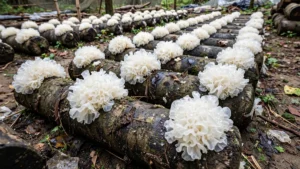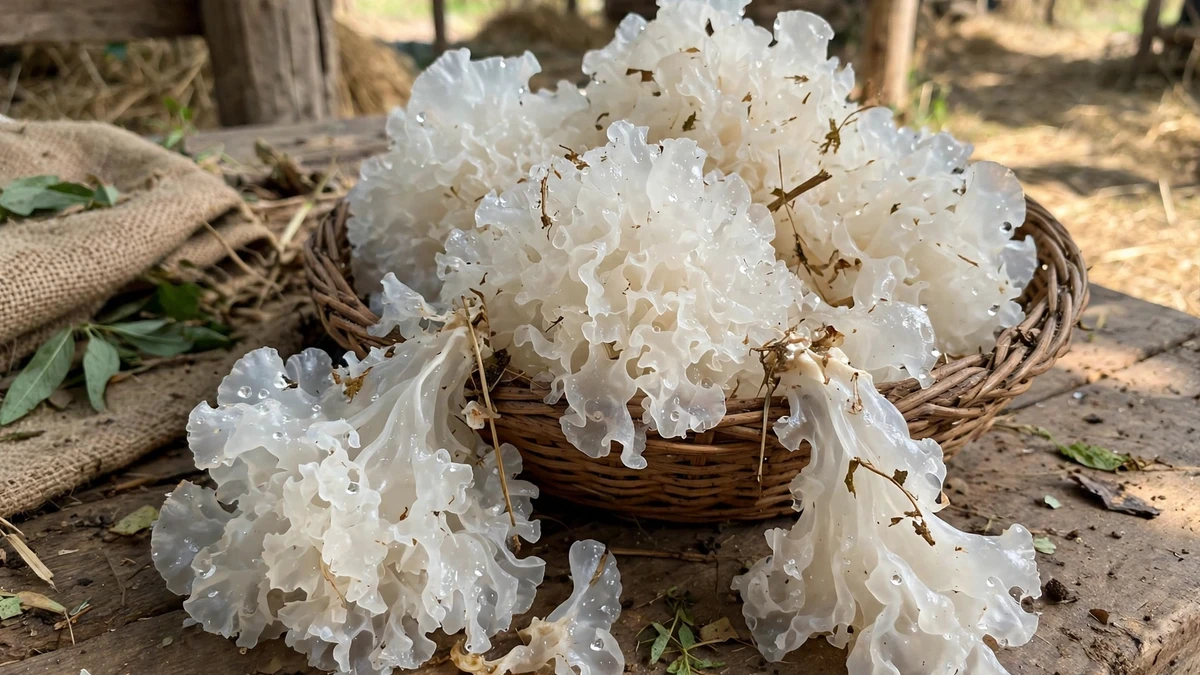
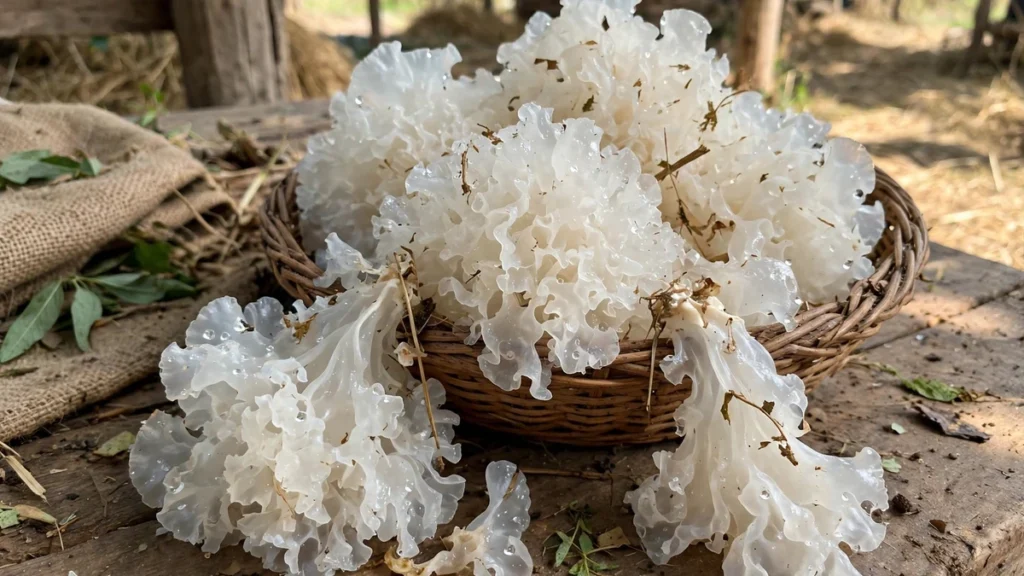
A tremella farm escape is a slow holiday with no moment to chase: no dawn flush to beat, no basket that fills in an hour. The crop opens in white fronds on hardwood logs after rain, then is lifted, soaked and simmered across a single day. The farms are small, the work is gentle, and the payoff is a bowl of sweet soup made from a fungus you picked that morning.
It takes more planning than a hotel booking, because a tremella farm is a working place rather than a resort. The logs fruit in warm damp months, the growing room runs humid, the yard turns muddy after rain, and the kitchen wants to know your diet before you arrive. Sort those details and the stay runs smoothly; miss them and you spend two days working around a sauce you cannot eat.
Nine steps follow, running from the season to the bag of dried tremella you carry home. Every step covers what to do, what to avoid, who it fits, how long it takes, and the tip worth remembering.
Key takeaways
- Sort the season before the farm: log yards fruit best from late spring to autumn, indoor rooms all year.
- Get the sweet-soup cooking class confirmed in writing; it is the heart of a tremella stay and it is not always included.
- Fresh tremella wants a proper cook, and dried tremella wants hours in cold water, a rinse, a trim of the hard base, and a full simmer.
- Tell the farm about allergies and gluten-free needs when you book, since farm kitchens serve wheat snacks and soy sauce dishes beside the soup.
- The fungus itself carries no gluten, but wheat snacks and soy sauce do, so check sauces and snacks before eating.
What a tremella farm escape is
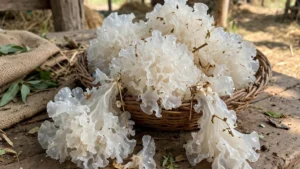
A tremella farm escape is a short stay on a farm growing tremella, Tremella fuciformis, a white translucent jelly fungus in frilly clusters on hardwood logs. Two nights is the usual shape, built around the log yard or growing room, the drying shed, and the kitchen. Guests lift the clusters in the morning, soak the dried harvest at noon, and simmer the crop at lunch or dinner, most often as a sweet soup with lotus seeds and red dates, a tremella and pear dessert, or a light broth with goji berries.
It stands apart from a shiitake stay or a chanterelle walk. Shiitake carries a brown cap, gills and a stem, and chanterelle is gathered in the woods, while tremella is farmed on logs in a shaded yard and the work runs slower and more predictably. The skill lies in judging a cluster open enough to lift, trimming the tough base, and knowing the soak time. Patience is the craft, and the farms are built around that pace.
It suits travellers who enjoy quiet mornings, hands-on work and long lunches, rather than anyone hunting for nightlife, a spa, or a packed schedule. The finest days hold little beyond the yard, the kitchen and a walk, and the farms in this guide are picked for exactly that kind of day.
How to plan a tremella farm escape
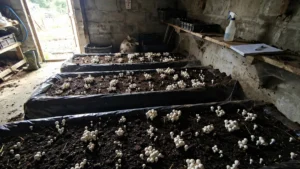
Begin with the season, then the farm, then the journey. Outdoor log yards fruit best from late spring to autumn, when warm damp air and regular rain wake the logs. Indoor growing rooms keep their crop warm and humid, so they fruit through the year, and they suit anyone who can only travel in winter or early spring. Once the kind of farm is settled, check that the sweet-soup cooking class is included, since it is the reason to go and it is not always part of the price.
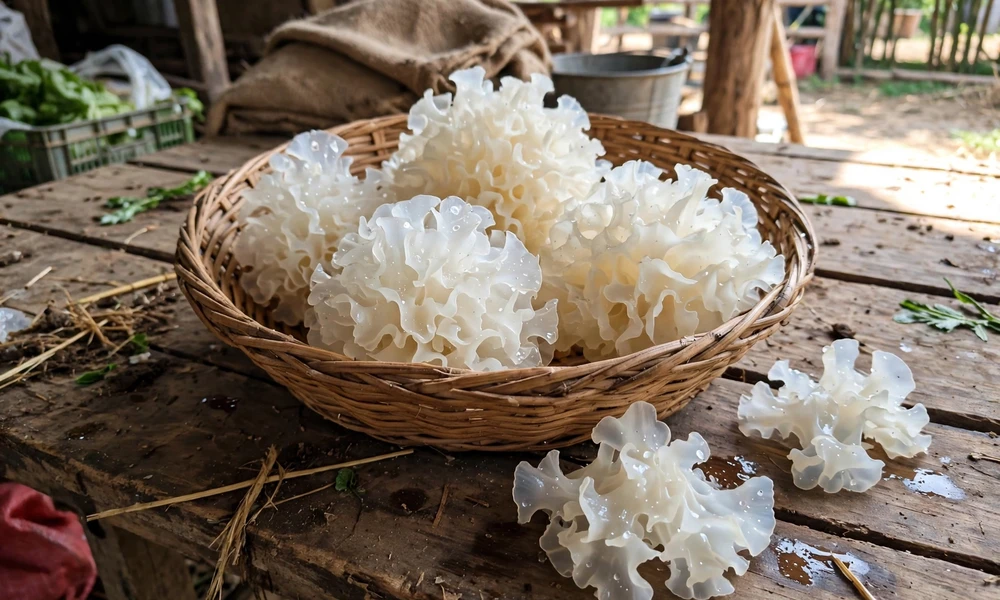
Sort the journey out before booking flights. Many tremella farms sit at the end of a winding road, a bus ride from the station, or a walk up a slope, and the final stretch is often the slowest leg of the trip. A farm that looks near on a map can take half a day to reach, so look up bus times, taxi fares and check-in hours first. Our guide to planning a wood ear farm escape deals with the same journey problem for another jelly-fungus stay: reaching the farm is part of the plan, not an afterthought.
Last, tell the farm about your diet when you book. Tremella itself carries no gluten, but farm kitchens serve wheat snacks and soy sauce dishes beside the soup, and a cook warned in advance can set aside a pan and open a bottle of tamari. A cook told at the table often cannot, and the same holds for allergies and blood-thinning medicine.
The 9 steps to planning your escape
Start by finding the fruiting season
What to do: Pick late spring to autumn for a log yard, when warm damp air and rain wake the fronds. What to avoid: Booking a log-yard farm in cold winter and hoping for a full harvest. Best For: Travellers free to choose their dates. Time Needed: One evening reading farm pages and noting the fruiting months. Standout Tip: Ask which week the logs fruit, then book that week.
The season shapes everything you will see: in the right month the yard is full of soft white clusters, and a month later it can sit quiet.
Settle the yard-versus-room question
What to do: Take a log yard for shade, damp air and a walk between the stacks, and a growing room for a harvest you can count on. What to avoid: Thinking every farm runs both; most run one or the other. Best For: Travellers who already know whether they want the yard or the room. Time Needed: Half an hour weighing farm descriptions and photos. Standout Tip: Judge the farm by photos of the yard or room, not the dining table.
The two settings feel nothing alike: a log yard is outdoors, muddy and quiet, while a growing room runs warm and humid.
Get the cooking class confirmed on email
What to do: Write to the farm: is the class included, and does the soup use the day’s pick? What to avoid: Taking the class for granted; some farms bill it separately. Best For: Anyone travelling as much for the cooking as for the harvest. Time Needed: Ten minutes to send the email and a day to hear back. Standout Tip: Keep the reply and carry it, so check-in stays clear.
The class is the heart of the stay: it is where you learn the soak, the trim and the simmer.
Map the last stretch before you fly
What to do: Look up bus times, taxi fares and check-in hours for the final leg. What to avoid: Landing late and hoping to reach a mountain farm by nightfall. Best For: Travellers bound for a farm at the end of a winding road. Time Needed: An hour on timetables and messages to the farm. Standout Tip: Ask how guests normally arrive, then follow that route.
The final leg is the slowest part of the trip: a farm an hour from the station can take three.
Share your diet needs with the farm early
What to do: Tell the farm about allergies, gluten-free needs and blood-thinning medicine in the booking message. What to avoid: Raising a dietary need at the table, after cooking has begun. Best For: Anyone living with an allergy, a gluten-free diet, or a health condition. Time Needed: A few minutes added to the booking message. Standout Tip: Ask about soy sauce, wheat snacks and shared pans; those carry the usual risks.
A farm kitchen cooks to a plan, and a cook warned early can set aside a pan and open tamari.
Pack for damp yards and humid rooms
What to do: Bring sturdy boots, a rain jacket, and layers for cold mornings. What to avoid: Smooth-soled shoes or light trainers on a wet log yard. Best For: Anyone visiting a log yard in late spring or autumn. Time Needed: Ten minutes packing, plus a check the boots still fit. Standout Tip: Pack spare dry socks; the yard stays damp even on a fine day.
The yard turns muddy after rain and stays damp when it has not rained; the logs are kept moist by design.
Watch a soak through before your first bowl
What to do: Watch the grower soak the dried clusters, trim the hard base and start the simmer, then taste a small bowl first. What to avoid: Taking a large bowl before you know whether you like the sweet broth and the soft crunch. Best For: First-time tremella eaters and anyone unsure about sweet soups. Time Needed: An hour watching the soak and the simmer at lunch. Standout Tip: Ask how long each batch soaked; the time shifts with the season.
The sweet soup is the dish most farms serve first, and its soft crunch shows against lotus seeds and warm broth.
Leave a morning open for the town market
What to do: Leave a morning open for the nearest market town, and arrive early. What to avoid: Staying on the farm every hour and never seeing the town that feeds it. Best For: Travellers who enjoy markets, and anyone buying dried tremella for home. Time Needed: A morning, counting the bus or taxi in both directions. Standout Tip: Weigh dried clusters at three stalls; quality and price shift a lot.
The market is where the crop meets the town: stalls sell dried tremella by weight, and sellers quote the soak time for each batch.
Take dried tremella home for winter soups
What to do: Buy a bag of dried tremella from the farm shop or market, and pack it in checked luggage in a sealed bag. What to avoid: Carrying fresh tremella on a long journey; it spoils fast. Best For: Anyone who wants to cook the crop again back home. Time Needed: Ten minutes in the farm shop or at a market stall. Standout Tip: Note the soak time on the bag; batches need different soaks.
Dried tremella travels well: light, good for months, and a small bag makes a dozen bowls once soaked.
When to go, and how long to stay
Late spring to autumn is the finest window for an outdoor log yard: warm damp air, steady rain, and logs fruiting in waves that run for weeks. Summer can work, yet heat dries the yard and the clusters stay small, and winter is quiet, with the logs resting until the weather warms. An indoor growing room runs differently, since the crop is kept warm and humid and fruits through the year, and it is the right pick when your dates are fixed.
Two nights fits most travellers. A full day covers the harvest, the soak and the cooking, and a second leaves room for a market morning or a walk to a nearby temple. Three nights fits a slower pace, or a farm paired with a town stay. One night falls short: you arrive late, miss the morning harvest, and leave before the soak is learned.
Give it a month for late spring and autumn, since small farms hold few rooms and fruiting weeks fill early. Indoor growing rooms are easier to book at short notice, and winter stays are usually open a week or two ahead. Our guide to planning a reishi farm escape offers the same advice for another log-grown mushroom, since the farms run at the same size.
The caveats that matter
Tremella is a safe and forgiving crop, yet it has rules worth learning before you eat much of it. Fresh clusters want a proper cook, and dried clusters want a long soak, a rinse, a trim of the hard base, and a full simmer; eat neither raw nor barely warmed. Clusters left soaking too long go limp, and dried tremella from a market should be checked for grit and rinsed well. Wild jelly fungi call for expert identification, so never gather them from a park or woodland on your own.
| Detail | What is known |
|---|---|
| Best season | Late spring to autumn outdoors; indoor rooms fruit through the year |
| First step | Settle the season, then the farm, then the journey |
| What to pack | Sturdy boots, rain jacket, layers, dry socks |
| How long to stay | Two nights for most people; three for a slower pace |
| Eating safely | Cook fresh clusters through; soak, rinse, trim and simmer dried ones |
| Dried tremella at home | Soak for hours in cold water, rinse, trim, then simmer |
| Who should check first | People with a mushroom allergy, or anyone on blood-thinning medicine |
| What it does not do | It is not a meal by itself, and it is not a medicine |
Anyone on blood-thinning medicine, or with a mushroom allergy, should ask a clinician before eating much tremella. The fungus is widely eaten and safe for most people, yet a farm stay is a bad place to learn you are sensitive, so check before you travel and spare yourself the trouble.
Checklist: planning a tremella farm escape honestly
Work through these checks before booking, and work through them again before paying in full.
- Mind the season: late spring to autumn for a log yard, any month for a growing room.
- Confirm the class: make sure the sweet-soup cooking session is included and keep the reply.
- Plan the journey: bus times, taxi fares and check-in hour for the final leg.
- Share your diet: tell the farm about allergies and gluten-free needs when you book.
- Pack properly: boots with grip, a rain jacket, layers, and a spare pair of dry socks.
- Plan the return: buy dried tremella for home, and leave the fresh clusters on the farm.
Frequently asked questions
How far ahead should I book a tremella farm stay?
Give it a month for late spring and autumn, since small farms hold few rooms and fruiting weeks fill early. Indoor growing rooms and winter stays are usually open a week or two ahead, and a growing-room farm is safer when your dates are fixed.
Must I have experience before I join a harvest?
No. The grower shows you how to judge a ripe cluster, lift it cleanly from the bark, and trim the hard base. The work is gentle and runs at a walking pace, with no test or skill wanted. Children old enough to handle a small knife safely can join with an adult at their side.
Can I eat tremella if I have never tried it?
Yes, and a farm stay is a fine place to try it, since the kitchen cooks it properly and the grower can answer questions. Begin with a small bowl of sweet soup and see how you feel. With a mushroom allergy or blood-thinning medicine, check with your clinician first. Our guide to planning a nameko farm escape covers the same first-timer question: start small, eat it cooked, and ask the cook.
Are tremella farms safe for children?
Mostly yes, for older children. The yard is muddy and the knife work wants an adult beside them, yet the cooking session is safe and children often enjoy the dessert bar. Very young children do better with one parent while the other joins the harvest; the yard is not a playground.
What should I do if tremella makes me feel unwell?
Stop eating it, drink water, and tell the farm at once. A mild stomach upset usually passes in a few hours, but dizziness, a rash, or trouble breathing means medical help at once, and tell the clinician what you ate and how it was cooked.
Can I take tremella home on a flight?
Dried tremella, yes. It is light, it keeps for months in a dry cupboard, and it clears customs as a dried food in most countries, though you should check your destination’s rules. Fresh tremella, no: it spoils fast.
The bottom line
A tremella farm escape is worth planning properly, and the plan is simple: settle the season, pick a log yard or a growing room, confirm the sweet-soup cooking class in writing, map the journey, and tell the farm about your diet. Two nights is enough, late spring to autumn is best for a log yard, and a growing-room farm is safer with fixed dates.
Follow those nine steps, pack boots that can handle mud, and you will come home knowing how to soak, trim and simmer dried tremella, with a bag of it in your luggage and a sweet soup recipe you cooked yourself. That is the honest return on a slow, warm, satisfying holiday.