Skincare is only as good as the way you store it. A brilliant serum kept on a sunny bathroom shelf can lose its strength in weeks. A rich moisturiser left open in a steamy room can pick up bacteria long before its expiry date. The product itself may be excellent, but heat, light, air and humidity quietly work against it from the day you open the jar.
Most of this damage is preventable, and it costs nothing to fix. You do not need a dedicated skincare fridge or a special cabinet. You need a cool, dark, dry spot, lids closed properly, and a habit of checking dates. A few products genuinely benefit from the fridge, but most are happier in a bedroom drawer than in a bathroom or on a windowsill.
Below are nine storage rules that keep products working in 2027, from the fridge question to the expiry symbols most people ignore. Each rule is explained by what it protects, what it costs, and how long it takes, so you can sort your shelf in an afternoon and stop wasting good skincare.
Key takeaways
- Heat, light, air and humidity are the four things that age skincare fastest, and a cool, dark, dry spot protects against all four.
- Most products are happiest at room temperature in a bedroom, not in a steamy bathroom or on a sunny windowsill.
- The fridge helps a small group of products, mainly vitamin C, eye creams and natural formulas, but it is not needed for everything.
- Close lids tightly, keep fingers out of jars where possible, and respect both the expiry date and the period-after-opening symbol.
- No storage trick rescues a product that has changed colour, smell or texture, and a product that has gone off should be replaced, not saved.
Why where you store skincare matters
Every skincare formula is a balance of active ingredients, preservatives, water and oils. That balance is stable when the product is made, but it is not permanent. Heat speeds up the chemical reactions that break actives down. Light, especially sunlight, does the same to ingredients such as vitamin C and retinol. Air introduces oxygen, which oxidises formulas and dulls their effect. Humidity and steam invite bacteria and mould, particularly in jars you dip your fingers into.
The bathroom is the worst offender, and it is where most people keep everything. A hot shower can push a bathroom to high humidity and warm temperatures several times a day, and a cabinet above the sink sits right in the steam. A bedroom shelf or drawer, away from a radiator and out of direct sun, is cooler, drier and far more stable. The difference shows up over months: a serum that stays clear and fresh, a cream that keeps its texture, a sunscreen that still feels right when you apply it.
Storage also affects safety, not just performance. Preservatives in a formula are tested for normal use, but they are not limitless. A jar left open, a pump touched with wet hands, or a product kept years past its date can become a home for bacteria, and that is how a favourite cream starts causing breakouts instead of preventing them. Good storage is the simplest form of skincare hygiene there is.
How we chose these rules and what to look for
These rules are organised by the four enemies of skincare: heat, light, air and humidity. Each rule targets one or more of them, and each one is practical rather than precious. If a rule needs special equipment, it says so. Most need nothing more than a drawer, a closed lid and a few minutes of attention.
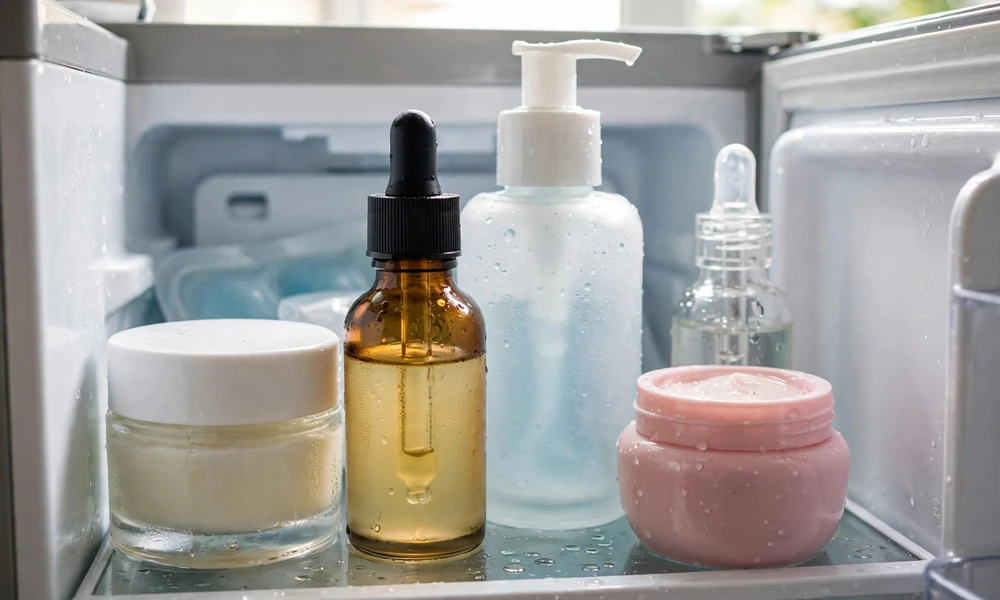
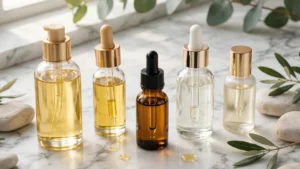
Look first at the packaging. Dark glass, opaque tubes and airless pumps all protect a formula better than a clear jar. A pump or a tube keeps air and fingers out, which is why a rich moisturiser for dry skin in a pump often stays fresh longer than the same formula in a wide jar. If a product comes in a jar, use a clean spatula rather than your fingers, and close the lid properly every time.
Look next at the label. The period-after-opening symbol, a small open jar with a number such as 6M or 12M, tells you how many months the product is meant to stay good after opening. The expiry date, where printed, is the outer limit. A product that is past either one should be replaced, even if it still smells fine, because the preservatives and actives are no longer guaranteed to work as intended.
The 9 rules for storing skincare in 2027
Keep it cool, not cold
Best for: Every product in your routine. Cost: Free. Time needed: Five minutes to move your products.
Room temperature, roughly 15 to 25 degrees, is the sweet spot for most skincare. A cool bedroom shelf or drawer is ideal. Avoid radiators, heated towel rails and the top of a fridge, which is warmer than people expect. If a room regularly gets hotter than 25 degrees in summer, move products to the coolest, darkest spot you have.
Keep it out of the bathroom
Best for: Serums, creams and anything in a jar. Cost: Free. Time needed: Ten minutes to relocate your routine.
The bathroom is convenient and it is the worst place for skincare. Steam from showers raises humidity and temperature several times a day, and that cycle stresses formulas and encourages bacteria. Move your products to a bedroom drawer or shelf, and bring only what you need into the bathroom when you use it. A small tray by the bed is more useful than a crowded bathroom cabinet, and your products will last noticeably longer.
Keep it out of direct sunlight
Best for: Vitamin C, retinol and any product in a clear bottle. Cost: Free. Time needed: Two minutes to move bottles away from the window.
Sunlight breaks down light-sensitive ingredients fast. Vitamin C oxidises and turns orange, retinol loses strength, and even a stable moisturiser can change texture after months in a sunny spot. Keep products away from windowsills and direct sun, and prefer a closed drawer or an opaque box. If a product comes in a clear bottle, that is a sign it was designed for a dark cupboard, not a sunny shelf.
Use the fridge only for the right products
Best for: Vitamin C serums, eye creams, jade rollers and natural or preservative-light formulas. Cost: Free if you use your kitchen fridge, or a small skincare fridge. Time needed: Five minutes to sort what goes in.
A fridge helps products that are unstable or soothing when cold, and a chilled eye cream genuinely feels better on puffy mornings. But most products do not need it, and a fridge can make thick creams hard to spread and cause condensation inside bottles. Keep the fridge for the few products that benefit, and leave the rest at room temperature. If you do use a fridge, keep products in a sealed bag so they do not pick up food smells.
Close the lid every single time
Best for: Jars, serums with droppers and anything without a pump. Cost: Free. Time needed: Seconds, every use.
An open jar is an open invitation to air and bacteria. Every minute a lid is off, oxygen gets in and moisture gets out, and the formula starts to change. Close lids properly after every use, and do not leave a jar open on the counter while you do the rest of your routine. The same applies to droppers: put the dropper back in the bottle rather than leaving it on the surface, and never let the dropper touch your face, because that carries bacteria straight back into the bottle.
Respect the expiry date and the PAO symbol
Best for: Every product, especially sunscreen and actives. Cost: Free. Time needed: Ten minutes to check your whole shelf.
Two dates matter. The expiry date is the last day the product is guaranteed to work. The period-after-opening symbol, such as 6M or 12M, is how long it stays good once opened, and it is often shorter than people expect. Write the opening date on the base of the bottle with a marker so you do not have to guess. Sunscreen deserves particular care, because an expired sunscreen may not protect you properly even if it still looks and smells normal.
Store actives in dark, airtight bottles
Best for: Vitamin C, retinol, exfoliating acids and peptide serums. Cost: Free if the product already comes in the right bottle. Time needed: None, once you choose well.
Actives are the most fragile part of a routine, and packaging is half the protection. Dark glass and airless pumps slow oxidation far better than clear bottles or wide jars. A vitamin C serum in a dark, airtight bottle will stay clear and effective far longer than the same formula in a clear dropper bottle left in the light. When you buy an active, check the bottle as carefully as the ingredients, and decanting into a prettier container is a habit worth dropping.
Keep tools clean and dry
Best for: Jade rollers, gua sha stones, spatulas and brushes. Cost: Free. Time needed: Two minutes after use.
Tools touch your skin and your products, so they carry bacteria if they are left damp or dirty. Wash rollers and spatulas with mild soap and water, dry them properly, and store them in a clean, dry place rather than loose in a steamy bathroom drawer. A damp tool left in a closed drawer is worse than a dry one left on a shelf, because moisture and warmth together are what bacteria need most.
Travel light and decant smartly
Best for: Holidays, weekends away and anyone who flies often. Cost: A few pounds for small travel containers. Time needed: Ten minutes before a trip.
Travel is hard on skincare: hot cars, bright hotel bathrooms, luggage holds and long days in the sun. Decant a small amount into clean, labelled travel containers rather than taking full-size bottles, and keep them in your hand luggage where the temperature is stable. Decant with a clean spatula, never your fingers, and throw away leftovers when you get home rather than pouring them back into the original bottle.
Which storage setup is right for your routine
A simple routine needs a simple setup. If you use three or four products, a single drawer or a small box in the bedroom is enough, with the fridge used only for a vitamin C serum or an eye cream. Keep the products you use every morning together, and the ones you use weekly, such as masks and exfoliants, in the same place so you can find them without rummaging.
A bigger routine needs a little more structure. Group products by step, cleanser, treatment, moisturiser, sunscreen, and keep actives together in the darkest part of your storage. If you collect a lot of products, a simple rotation helps: keep the ones you are currently using in the drawer, and store the rest, unopened, in a cool cupboard. Unopened products last longer than opened ones, so do not open a new bottle until the old one is finished.
Small spaces are not a problem. A single shelf in a wardrobe, a box under the bed, or a drawer in a dressing table all work, as long as the spot is cool, dark and dry. What matters is not the furniture but the conditions. A beautiful vanity in direct sunlight is worse storage than a plain box in a dark cupboard, and a skincare fridge is no substitute for closing lids and checking dates.
The caveats that matter
Good storage slows damage, but it does not stop it entirely. Every product has a limit, and no storage trick rescues a formula that has already changed. If a product smells different, has changed colour, separated, or feels different on the skin, stop using it. That is especially true for sunscreen, where a degraded formula can leave you unprotected without any obvious sign.
| Detail | What is known |
|---|---|
| Best temperature | Room temperature, roughly 15 to 25 degrees, for most products |
| Worst place to store | A steamy bathroom or a sunny windowsill, where heat and light age formulas fast |
| What belongs in the fridge | Vitamin C, eye creams, jade rollers and natural or preservative-light formulas |
| What does not need a fridge | Most moisturisers, cleansers and sunscreens, which are fine at room temperature |
| Expiry and PAO | Check both the expiry date and the period-after-opening symbol, such as 6M or 12M |
| Biggest hygiene mistake | Leaving lids off, dipping fingers into jars, and letting a dropper touch your face |
| When to throw a product away | If it has changed colour, smell or texture, or is past its date, even if it looks fine |
| What storage cannot fix | It cannot rescue a product that has already oxidised or gone off |
If you are pregnant, breastfeeding, or using prescription skincare, check with your clinician or dermatologist before changing how you use an active product, especially at high strength. Storage changes how long a product lasts, not whether it suits your skin, and a simple check avoids weeks of irritation. A healthy skin barrier is what lets your routine work at all, and protecting it starts with products that are fresh enough to do their job.
Checklist: storing your skincare honestly
Use these checks when you reorganise your shelf, and again every few months.
- Move products out of the bathroom and away from windowsills, radiators and direct sun.
- Check the expiry date and the period-after-opening symbol on every bottle, and write the opening date on the base.
- Close every lid properly after use, and use a clean spatula for jars instead of your fingers.
- Keep vitamin C and other actives in dark, airtight bottles, and put only the products that benefit in the fridge.
- Wash and dry rollers, spatulas and brushes after use, and store them somewhere clean and dry.
- Throw away anything that has changed colour, smell or texture, or that is past its date, even if the bottle is still half full.
Frequently asked questions
Should I keep all my skincare in the fridge?
No. A fridge helps a small group of products, mainly vitamin C, eye creams and natural formulas, but most moisturisers, cleansers and sunscreens are designed for room temperature. A fridge can make thick creams hard to use and cause condensation inside bottles.
Is it really that bad to keep skincare in the bathroom?
It is the worst common spot. Steam from showers raises heat and humidity several times a day, which stresses formulas and encourages bacteria. A bedroom drawer or shelf is cooler, drier and far more stable.
How do I know if a product has gone off?
Look for a change in colour, smell or texture, and check the expiry date and the period-after-opening symbol. A vitamin C serum that has turned dark orange, a cream that smells sour, or a product that has separated should be replaced.
Does sunlight really damage skincare?
Yes, especially light-sensitive ingredients such as vitamin C and retinol. Sunlight speeds up oxidation and breaks actives down, which is why dark glass and opaque packaging exist. Keep products out of direct sun, even through a window.
Can I decant products into prettier containers?
It is best not to. Decanting exposes a formula to air and bacteria, and a clear or open container offers less protection than the original dark, airtight bottle. For travel, use small, clean, labelled containers and throw away any leftovers when you return.
How long does skincare last once opened?
It depends on the product, and the period-after-opening symbol tells you. Many serums and creams are 6 to 12 months, while mascara is typically three months. Sunscreen should be used within the season it is opened, and anything past its date should be replaced.
The bottom line
Storing skincare well is the cheapest upgrade you can make to your routine. A cool, dark, dry spot, lids closed properly, and dates checked honestly will keep your products working for as long as they are meant to, and it costs nothing more than ten minutes and a drawer. The fridge is a useful tool for a few products, not a requirement for all of them, and the bathroom, for all its convenience, is the one place your skincare should not live.
Sort your shelf once, write opening dates on the base of each bottle, and make closing lids a habit rather than an afterthought. Your products will stay fresher, your skin will get the benefit you paid for, and you will stop throwing away half-full bottles that went off quietly in the steam.