A spring dress is one of the easiest things in a wardrobe to wear, and one of the easiest to get wrong. Put it on with the wrong shoes and it looks unfinished. Add too many accessories and it looks fussy. Forget a layer and you spend the whole afternoon cold. The dress itself is rarely the problem. It is the styling around it that decides whether the outfit looks effortless or accidental.
The good news is that styling a spring dress is a skill, not a talent, and it follows a few simple rules. Start with the dress, add one layer you can remove, choose shoes for the ground as well as the look, and keep the accessories light. Every step in this guide follows that logic, so you can build an outfit that works from a cool morning to a warm afternoon without a second thought.
Below are nine steps that will help you style any spring dress, from a cotton shirt dress to a flowing floral midi. Each step explains what to do, what to avoid, and how long it takes, so you can put the outfit together in minutes, not hours.
Key takeaways
- Start with the dress and build outwards, because the dress sets the colour, the length and the mood of the whole outfit.
- Always add a light layer in spring, such as a cardigan, a denim jacket or a blazer, so a cool morning never catches you out.
- Choose shoes for where you will actually walk, not just for how they look in a photograph.
- Keep accessories light and simple, because a spring dress already carries the outfit and too much jewellery will fight it.
- No styling formula works for every dress and every occasion, and an outfit that feels uncomfortable will look uncomfortable, whatever the rules say.
What spring dressing actually means
Spring dressing is dressing for change. The morning may be cool and grey, the afternoon warm and bright, and the evening cool again. A good spring outfit is one that can change with the day, which is why layers matter more in spring than in any other season. A dress with a removable layer is more useful than a dress that only works at one temperature.
Spring dressing is also dressing for movement. You will walk further, sit outside, and spend more time on your feet than in winter. Shoes that pinch, a hem that drags, or a bag that slips off your shoulder will all make themselves known by lunchtime. Comfort is not the enemy of style in spring. It is the foundation of it.
Finally, spring dressing is dressing for colour. After months of dark coats and heavy fabrics, spring is the season when lighter colours and softer prints feel right. That does not mean you must wear pastels. It means your outfit should feel light, in colour and in weight, and a dress is the simplest way to get there.
How to build a spring dress outfit
Build your outfit in the same order every time. Dress first, then layer, then shoes, then bag, then jewellery. Working in that order stops you from choosing accessories that fight the dress, and it makes the whole process faster, because each choice narrows the next one. A dress with a busy print needs plain shoes. A dress in a solid colour can take a patterned scarf or a brighter bag.

Before you leave the house, do the full check. Stand in front of a mirror in daylight, walk across the room, sit down, and pick up your bag. If the dress rides up when you sit, the hem drags when you walk, or the layer slips off your shoulders, fix it now. A spring outfit that has been checked in daylight will look right all day, and a denim dress styled for spring is a good example of how a simple layer can change the whole feeling of an outfit.
The 9 steps to styling a spring dress
Follow these nine steps in order, and any spring dress will come together into an outfit that looks intentional and feels comfortable.
Start with the dress, not the accessories
What to do: Put the dress on first and look at it on its own, so you can see its colour, length and shape clearly. What to avoid: Choosing jewellery or shoes before the dress, because they will pull the outfit in a direction the dress does not want to go. Best for: Every spring dress. Time needed: Two minutes. Standout tip: If the dress looks good on its own, the rest of the styling is easy.
A dress that looks right by itself needs very little added. Stand in front of the mirror, check the fit at the shoulders and waist, and decide what the dress is asking for. A plain dress asks for a little colour. A printed dress asks for plain companions.
Add a light layer you can remove
What to do: Choose a cardigan, a denim jacket, a blazer or a light trench coat that you can take off and carry in the afternoon. What to avoid: A heavy coat that hides the dress completely, or a layer so tight that it ruins the shape of the dress underneath. Best for: Cool mornings and changeable days. Time needed: One minute. Standout tip: Drape the layer over your shoulders instead of wearing it, for a relaxed look.
The layer is the most practical part of a spring outfit. It keeps you warm in the morning, and it gives you something to carry when the sun comes out. A denim jacket suits casual dresses, a blazer suits smarter ones, and a cardigan suits almost everything.
Choose shoes for the ground, not just the look
What to do: Think about where you will walk today, and choose shoes that suit the ground as well as the dress. What to avoid: High heels on cobbles or grass, and brand-new shoes on a long day out. Best for: Long spring days, garden visits, and city walks. Time needed: Two minutes. Standout tip: Keep a pair of flat shoes in your bag if you are wearing heels.
Loafers and ballet flats suit smarter dresses, trainers suit casual dresses, and sandals suit warm afternoons. Ankle boots are the safest choice in early spring, when the ground is still damp and the mornings are cool.
Pick one bag that works all day
What to do: Choose a single bag that holds what you need, sits comfortably on your shoulder or across your body, and suits the dress. What to avoid: A bag that is too big for the dress, too small for your day, or in a colour that clashes with the print. Best for: Days out, work, and travel. Time needed: One minute. Standout tip: A cross-body bag leaves your hands free and keeps the outfit looking relaxed.
A small leather bag suits a smart dress, a straw or canvas bag suits a casual dress, and a simple tote suits a day when you need to carry more. One bag, chosen well, is better than two bags carried awkwardly.
Add a belt only where the dress asks for it
What to do: Add a belt when the dress has no waist definition, or when you want to change the shape of a loose dress. What to avoid: Belting a dress that already has a defined waist, or choosing a belt so wide that it cuts the dress in half. Best for: Shift dresses, shirt dresses, and loose midi dresses. Time needed: One minute. Standout tip: A thin leather belt in a neutral colour is the safest choice.
A belt is a tool, not a rule. Use it when the dress needs shape, and leave it off when the dress already has it. A belt that matches your shoes will tie the outfit together quietly.
Keep jewellery light and simple
What to do: Choose one or two light pieces, such as small earrings and a simple necklace, and let the dress carry the outfit. What to avoid: Heavy statement jewellery with a busy print, or several pieces competing for attention at once. Best for: Every spring dress, especially printed ones. Time needed: One minute. Standout tip: If the dress has a high neckline, skip the necklace and wear earrings instead.
Spring jewellery should feel light. A pair of spring brooches can add a charming touch to a plain dress or a light jacket, while small gold or pearl earrings suit almost any spring outfit. Less is usually more.
Match your outerwear to the dress length
What to do: Choose a coat or jacket that ends at a sensible point for your dress, so the hem of the dress does not fight the hem of the coat. What to avoid: A long coat over a short dress that hides the dress entirely, or a short jacket that cuts a maxi dress in half. Best for: Cool spring days and evenings out. Time needed: Two minutes. Standout tip: A trench coat that ends just above the dress hem looks polished and intentional.
Length matters. A cropped jacket suits a midi or maxi dress, a hip-length jacket suits a shorter dress, and a trench coat suits most lengths if the hem sits sensibly. Try the combination on together, not separately.
Plan for a cool evening
What to do: Pack a light scarf, a cardigan or a pair of tights, so an evening that turns cool does not catch you out. What to avoid: Leaving the house with no layer at all on a day that started cool, or relying on a thin dress to keep you warm after sunset. Best for: Dinners, evening walks, and outdoor events. Time needed: Two minutes. Standout tip: A silk scarf weighs almost nothing and adds real warmth around the neck.
Spring evenings can be ten degrees cooler than spring afternoons. A scarf in your bag and a cardigan over your arm are the difference between enjoying the evening and wishing you had stayed at home.
Check the whole outfit in daylight
What to do: Look at the full outfit in natural daylight, walk across the room, sit down, and check the back as well as the front. What to avoid: Checking only in a dim bedroom mirror, or skipping the check entirely and discovering a problem in the middle of the day. Best for: Every outfit, every time. Time needed: Three minutes. Standout tip: Photograph the outfit once, because a photograph shows what a mirror hides.
This is the step most people skip, and it is the step that saves the most embarrassment. Daylight shows colours honestly, and a photograph shows the outfit the way other people will see it. Three minutes now is worth a whole day of comfort later.
Styling for different spring occasions
For work, keep it simple and structured. A shirt dress or a wrap dress with a blazer, loafers and a leather bag will look professional without feeling stiff. For a weekend, relax the outfit. A smocked sundress or a linen shift with trainers, a denim jacket and a canvas bag is comfortable and cheerful, and it will survive a long day out.
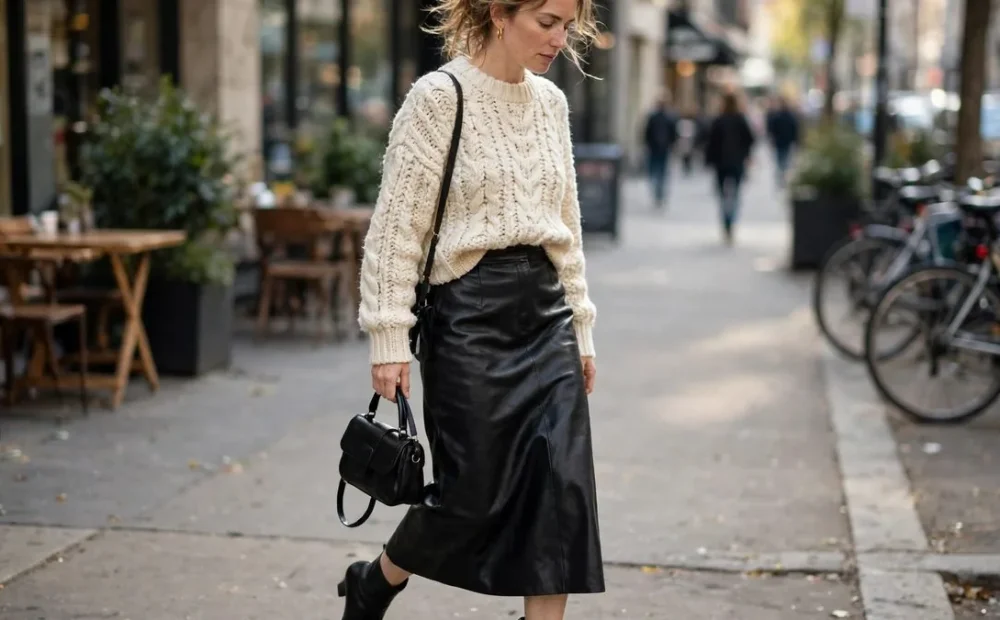
For a wedding or a smarter occasion, add polish rather than volume. A floral midi with heels, a light shawl and a small bag looks dressed up without trying too hard, while a slip skirt styled for spring shows how a simple shape can be dressed up or down with the right shoes and layer. For travel, choose a dress that does not crease badly, flat shoes, and a bag you can carry comfortably for hours.
The caveats that matter
Styling a spring dress is mostly common sense, but a few mistakes appear again and again. The most common is forgetting the weather and leaving the house with no layer. The second is choosing shoes for a photograph rather than for a day of walking. The third is adding too many accessories, so the outfit looks busy instead of fresh. Each of these is easy to avoid with a two-minute check before you leave.
| Detail | What is known |
|---|---|
| Layers | Always add a light layer in spring; mornings and evenings are cooler than afternoons |
| Shoes | Choose shoes for the ground you will walk on, not just for the photograph |
| Bags | One bag that works all day is better than a bag that is too big, too small, or uncomfortable |
| Jewellery | Keep it light and simple; a busy print needs plain jewellery, and a plain dress can take a little more |
| Belts | Use a belt only where the dress needs shape; a dress with a defined waist does not need one |
| Outerwear length | Match the coat or jacket to the dress length, so the two hems do not fight each other |
| Evening chill | Pack a scarf or a cardigan, because spring evenings can be ten degrees cooler than afternoons |
| What it does not do | No styling formula suits every dress and every occasion; comfort and fit matter more than any rule |
If you are unsure about an outfit, simplify it. Remove one accessory, swap the shoes for a comfortable pair, and add a layer. A simpler outfit almost always looks better than a complicated one.
Checklist: styling a spring dress honestly
Use these checks before you leave the house.
- Check the dress on its own: it should fit well at the shoulders and waist before you add anything else.
- Check the layer: it should be light enough to carry, and it should suit the dress, not hide it.
- Check the shoes: walk across the room in them, and make sure they suit the ground you will be on today.
- Check the bag: it should hold what you need and sit comfortably, without slipping off your shoulder.
- Check the jewellery: one or two light pieces are enough, and they should not fight the print of the dress.
- Check the whole outfit in daylight: look at the front and the back, sit down, and fix anything that pulls or rides up.
Frequently asked questions
What should I wear over a spring dress?
A cardigan, a denim jacket, a blazer or a light trench coat all work well. Choose the layer to suit the dress: denim for casual dresses, a blazer for smarter ones, and a trench coat for most lengths.
Can I wear trainers with a spring dress?
Yes. White trainers suit casual dresses such as shirt dresses, sundresses and linen shifts. They are less suited to very formal dresses, where loafers or low heels look better.
How do I style a floral dress without looking too busy?
Keep everything else plain. Choose solid-coloured shoes, a plain bag and simple jewellery, and let the print carry the outfit. One colour picked from the print will tie the outfit together.
Should I wear tights with a spring dress?
On cool days, yes. Sheer or light tights keep you warm without changing the look of the dress. On warm days, bare legs with sandals or loafers feel fresher.
What bag goes best with a spring dress?
A small leather bag suits a smart dress, a straw or canvas bag suits a casual dress, and a cross-body bag is the most practical choice for a long day out. One bag, chosen well, is enough.
How can I make a spring dress work for evening?
Add a light layer, swap flat shoes for heels, and add one slightly dressier piece of jewellery. A silk scarf or a tailored jacket will make the same dress feel evening-ready without a change of outfit.
The bottom line
Styling a spring dress is simpler than it looks. Start with the dress, add a light layer you can remove, choose shoes for the ground you will walk on, pick one bag that works all day, and keep the jewellery light. Those five choices will carry almost any spring dress, from a cotton shirt dress to a flowing floral midi.
Check the whole outfit in daylight before you leave, and pack a scarf for the evening. A spring outfit that feels comfortable will look comfortable, and that is the real secret of spring dressing.