
A plug-in hybrid SUV is the luxury car for drivers who want electric driving most of the time and a petrol engine for the rest. Plug it in at home overnight, and the school run, the commute and the weekly shop can all happen without using a drop of fuel. When the battery runs low, the engine takes over and you keep driving.
In 2027 the luxury plug-in hybrid, or PHEV, has reached a sweet spot. The best models now cover 35 to 54 miles on electricity alone, enough for the average daily drive. They charge from an ordinary home wallbox in a few hours, they are quiet and smooth in electric mode, and they still feel like proper luxury cars.
This guide covers plug-in hybrids only. Every SUV here has a charging port, a battery big enough for real electric-only miles, and a petrol engine as back-up. We compare electric range, charging, power and starting prices, explain how a PHEV differs from a regular hybrid, and help you decide whether plugging in fits the way you actually drive. If you are weighing a fully electric car instead, our guide to the best luxury electric SUVs of 2027 covers the other side of that choice.
Key takeaways
- The Mercedes-Benz GLC 350e leads this group on electric range, with an EPA-estimated 54 miles from a single charge.
- The Range Rover Sport P550e is the range champion among large luxury SUVs, with 53 miles of electric driving and 543 horsepower.
- Most luxury PHEV SUVs now cover 35 to 40 miles on electricity, which is enough for a typical day of driving without using fuel.
- A home wallbox is what makes a PHEV work: charge overnight and you start every morning with a full battery.
- Three-row families are covered too, with the Volvo XC90 T8 and the Lexus TX 550h+ both offering seven seats with a plug.
What makes a plug-in hybrid different from a regular hybrid?
A regular hybrid charges its own small battery from the engine and from braking. You never plug it in, and it can only drive a mile or two on electricity alone. A plug-in hybrid has a much bigger battery, typically 18 to 32 kWh in the luxury SUVs below, and a charging port. Plug it in and it becomes a short-range electric car, with a petrol engine that only wakes up when the battery is low.
That difference changes daily life. A regular hybrid saves fuel; a plug-in hybrid can use no fuel at all on a normal day. The trade-off is that a PHEV only delivers its best if you charge it. Owners who charge at home every night report fuel bills close to zero for months at a time. Owners who never plug in carry a heavy battery for nothing, and a regular hybrid would have served them better and cost less.
Charging is straightforward. A standard 7 kW home wallbox refills most of these batteries in three to five hours, so overnight charging is easy. The BMW X5 xDrive50e, with its 11 kW onboard charger, refills in under three hours. A few, such as the Mercedes-Benz GLE 450e, also accept DC fast charging, which is rare among plug-in hybrids. A three-pin domestic socket works too, but it is slow.
The top luxury plug-in hybrid SUVs of 2027 at a glance
Electric range matters most in a PHEV, so the table leads with it. Prices are approximate US starting prices.
| Model | Electric range | Power | Seats | From about |
|---|---|---|---|---|
| Mercedes-Benz GLC 350e | 54 miles | 313 hp | 5 | $64,000 |
| Range Rover Sport P550e | 53 miles | 543 hp | 5 | $95,000 |
| Range Rover P550e | 50 miles | 543 hp | 5 | $131,000 |
| Mercedes-Benz GLE 450e | 48 miles | 381 hp | 5 | $72,000 |
| BMW X5 xDrive50e | 40 miles | 483 hp | 5 | $77,500 |
| Lexus RX 450h+ | 38 miles | 304 hp | 5 | $66,700 |
| Lexus NX 450h+ | 37 miles | 304 hp | 5 | $59,500 |
| Volvo XC90 T8 | 32 miles | 455 hp | 7 | $77,600 |
Mercedes-Benz GLC 350e and GLE 450e: the range leaders
The GLC 350e is the value case in this group and the electric-range leader. Its 24.8 kWh battery, with 23.3 kWh usable, delivers an EPA-estimated 54 miles on electricity alone, more than any other luxury PHEV SUV on sale. A 2.0-litre turbo four-cylinder and an electric motor make 313 horsepower combined, and the cabin is pure modern Mercedes: quiet, beautifully finished and full of technology. From about $64,000, it undercuts most rivals while out-ranging them.
The larger GLE 450e trades a little range for more space. Its 23.3 kWh usable battery gives around 48 miles of electric driving, and a 2.0-litre turbo four with an electric motor produces 381 horsepower. The GLE is roomier and more comfortable, with a bigger boot and a calmer ride, and it is one of the very few plug-in hybrids that accepts DC fast charging, so a quick top-up on a long journey is genuinely possible, from about $72,000.
BMW X5 xDrive50e: the driver’s plug-in hybrid
The X5 xDrive50e is the PHEV for people who still love driving. A 3.0-litre turbocharged inline-six and an electric motor produce 483 horsepower and 516 lb-ft of torque, enough for 0 to 60 mph in about 4.6 seconds, yet the 25.7 kWh battery still delivers 40 miles of EPA electric range. Once the battery is spent it returns around 22 mpg combined.
Charging is a strength here: the 11 kW onboard charger refills the battery in under three hours on a Level 2 home circuit, one of the fastest home-charging times in this group. Standard adaptive air suspension keeps the big BMW composed and comfortable. From about $77,500, it is the pick if you want a plug-in hybrid that feels like a performance SUV first.
Range Rover and Range Rover Sport P550e: the most luxurious plug-ins
Nothing else in this group feels quite like a Range Rover. The Range Rover Sport P550e pairs a 3.0-litre turbo inline-six with an electric motor for 543 horsepower, and its 31.8 kWh usable battery gives an EPA-estimated 53 miles of electric range, the longest of any large luxury PHEV SUV. It reaches 60 mph in about 4.7 seconds, yet it glides through town in near silence, from about $95,000.
The full-size Range Rover P550e offers the same powertrain and 50 miles of electric range, with even more space and a boot that swallows 40.7 cubic feet behind the rear seats. From about $131,000 it is the most expensive car here, but it makes a plug-in hybrid feel like no compromise at all. For the wider luxury picture, our guide to the best luxury cars of 2027 places these Range Rovers alongside the finest saloons of the year.
Lexus RX 450h+, NX 450h+ and TX 550h+: the sensible plug-ins
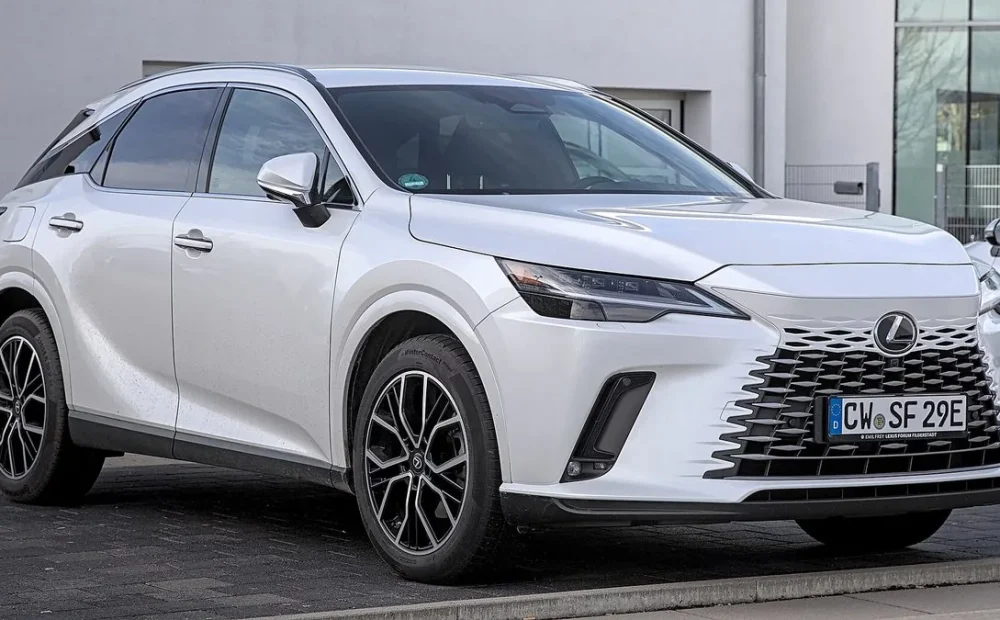
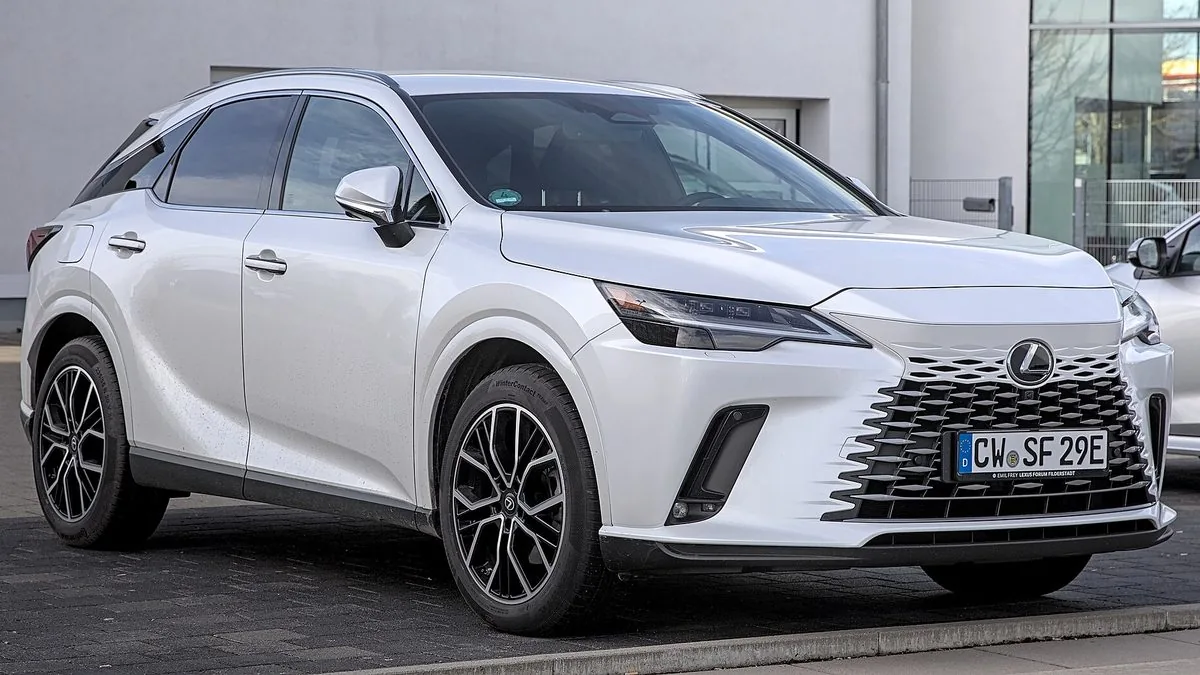
Lexus builds the most straightforward plug-in hybrids in this group. The RX 450h+ pairs a 2.5-litre four-cylinder with electric motors for 304 horsepower and 38 miles of EPA electric range, in a cabin that is quiet, comfortable and beautifully built, from about $66,700.
The smaller NX 450h+ is the entry point to luxury PHEV ownership, from about $59,500, with 37 miles of electric range and the same 304 horsepower. Its compact size makes it the easiest of these SUVs to live with in a city. Families needing a third row should look at the TX 550h+, which pairs a 3.5-litre V6 with electric motors for 404 horsepower, 33 miles of electric range and seating for six, from about $82,000.
Volvo XC60 and XC90 T8: Scandinavian plug-ins with a big update coming
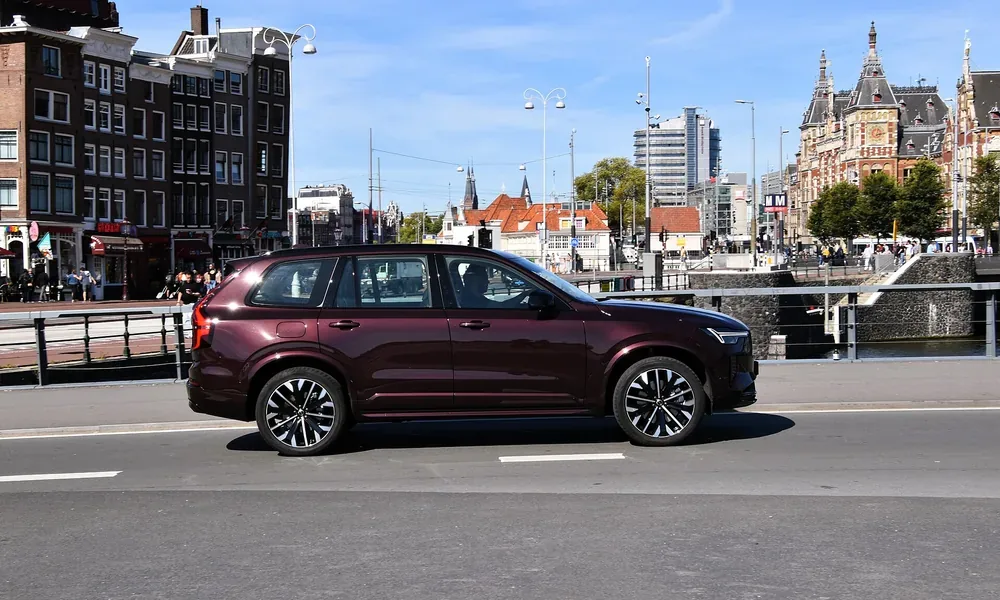
Volvo’s T8 plug-in hybrids pair a 2.0-litre turbocharged and supercharged four-cylinder with a rear electric motor for 455 horsepower, in cabins that are calm, minimalist and genuinely lovely. The XC60 T8 is the smaller of the pair, with 35 miles of EPA electric range and 0 to 60 mph in about 4.6 seconds, from about $63,000. The seven-seat XC90 T8 gives 32 miles of electric range, from about $77,600.
Charging at home: the habit that makes a PHEV pay
A plug-in hybrid only earns its keep if you charge it, and home charging is what makes that effortless. A wallbox costs a few hundred pounds or dollars plus installation, and most owners set the car to charge overnight on a cheap off-peak tariff, waking to a full battery every morning. Preconditioning the cabin while plugged in uses mains power instead of battery, so you leave with a comfortable cabin and a full charge.
Renters and flat-dwellers should think carefully. Without a driveway or a reliable place to plug in, a PHEV loses much of its point, and a regular hybrid is usually the smarter buy. If you have off-street parking, get a quote for a wallbox before you order the car.
Your plug-in hybrid buying checklist
- Measure your daily drive: if it is under 35 miles, most of these SUVs can cover it on electricity alone.
- Confirm home charging first: a driveway and a wallbox matter more than any single specification.
- Check the real electric range, not the headline: cold weather and motorway speeds cut it by a fifth or more.
- Ask about charging speed: an 11 kW onboard charger, as in the BMW X5, halves home charging time.
- Compare total range, not just electric range: the petrol engine still matters on long journeys.
- Check incentives before you buy: grants and tax breaks for plug-in hybrids vary by country and state and change often, so confirm what applies to you and get any dealer promise in writing.
Frequently asked questions
What is the best luxury plug-in hybrid SUV of 2027?
For most buyers it is the Mercedes-Benz GLC 350e: its 54 miles of electric range covers a full day of driving for the lowest price in this group. Drivers who want performance should choose the BMW X5 xDrive50e, and buyers who want the most luxurious plug-in hybrid should choose the Range Rover Sport P550e.
How far can a luxury plug-in hybrid SUV drive on electricity alone?
Between 32 and 54 miles. The Mercedes-Benz GLC 350e manages 54 miles and the Range Rover Sport P550e manages 53, while the Lexus RX 450h+ covers 38 miles and the Volvo XC90 T8 covers 32. Cold weather, heating and motorway speeds all reduce the real figure.
Is a plug-in hybrid better than a regular hybrid?
It is better if you can charge at home, because then most daily driving uses no fuel at all. It is worse if you cannot charge regularly, because you carry a heavy battery you never use, and a regular hybrid is cheaper and simpler. The honest answer depends on your parking, not the car.
Do plug-in hybrid SUVs need a special charger at home?
No, but a wallbox is strongly recommended. A three-pin socket will charge these cars, but it takes most of a night for the bigger batteries. A 7 kW wallbox refills most models in three to five hours, and the BMW X5 xDrive50e charges in under three hours on an 11 kW circuit.
Are plug-in hybrid SUVs cheaper to run than petrol SUVs?
Yes, if you charge them. Electricity for 35 miles of driving typically costs far less than the petrol for the same distance, and many owners go weeks between fill-ups. If you rarely plug in, running costs are close to a regular hybrid.
Should I buy a plug-in hybrid SUV or wait for a fully electric one?
Buy the plug-in hybrid if you do long journeys, tow, or cannot rely on public fast charging, because the petrol engine removes range anxiety entirely. Wait for a fully electric car if your driving is mostly local and you have home charging. Our broader hybrid guide, The Top Hybrid Luxury SUVs of 2027, compares plug-in and regular hybrids side by side if you are still deciding.
The bottom line
The best luxury plug-in hybrid SUV of 2027 is the one whose electric range covers your daily drive and whose charging fits your home. The Mercedes-Benz GLC 350e leads on range per pound or dollar, the BMW X5 xDrive50e leads on driving pleasure, the Range Rover Sport P550e leads on luxury, and the Lexus and Volvo models cover sensible buyers and three-row families. Plug it in every night, and the petrol engine becomes a back-up you rarely need.
Note: Electric range and prices are approximate, based on manufacturer figures and EPA estimates available in late 2026. Range varies with temperature, driving style and equipment, and prices vary by market, trim and options. Always confirm the latest figures with a dealer before buying.