

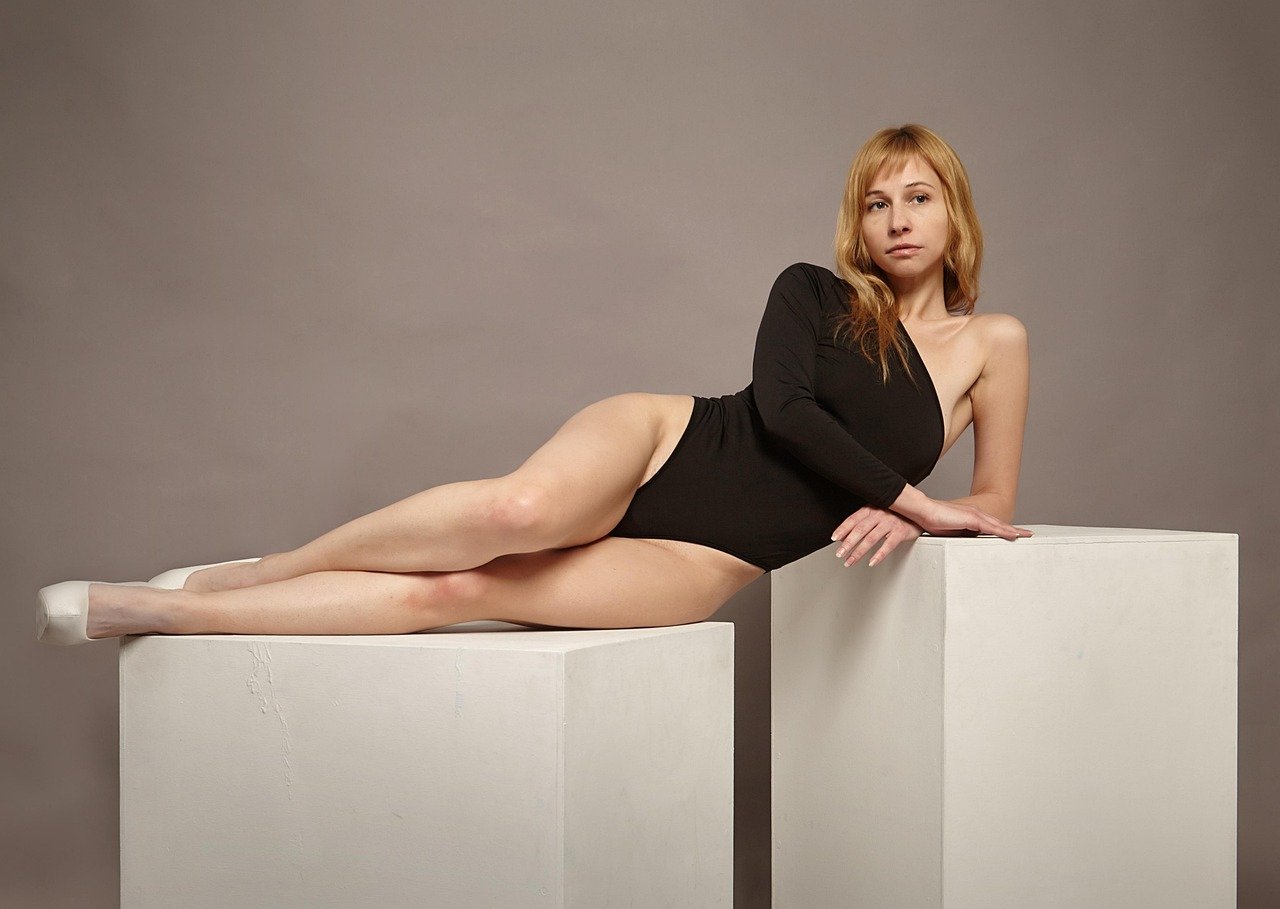

What does a fashion model actually do all day? If your mental image is someone gliding down a runway in couture and then heading to a long lunch, the reality is closer to a small business owner who happens to work in front of a camera. A fashion model is a person employed to display clothing and accessories, usually through runway shows, editorial photography, advertising campaigns, and catalogs. But that tidy definition hides a job built on casting calls, rejection, physical stamina, and a business sense that almost nobody sees.
This article walks through how the profession began, how models get discovered now, what the working conditions actually look like, and which rules and watchdog groups shape the industry. Whether you are curious about the job, considering it, or just want to understand the images you scroll past every day, the picture is more complicated and more interesting than the surface suggests.
Where the Fashion Model Profession Came From
The modern fashion model did not appear with Instagram. The profession grew out of mid-19th-century haute couture, when designers needed real bodies to show clients how fabric would move. Charles Frederick Worth is often credited with using live models in his Paris salon in the 1850s and 1860s. Those women were called “sosies” at the time, a term that has largely vanished from use.
That history still shapes the job. Early models were essentially living mannequins attached to a house, not independent professionals with their own brands. The shift toward the model as a name in her own right took another century. The word supermodel gained real currency in the 1980s and 1990s, when a small group of faces became famous enough to sell magazines on name recognition alone. Cindy Crawford, Claudia Schiffer, Naomi Campbell, Linda Evangelista, and Christy Turlington are the names most often grouped together from that era.
One caution: the exact first printed use of “supermodel” is genuinely disputed. Some trace it to the 1980s, others point earlier. Treat any confident claim about the very first use with suspicion. The same goes for the Worth attribution, which is widely repeated in fashion-history writing but rests on secondary sources rather than primary records.
For anyone interested in how runway moments get translated into cultural memory, the work of illustrators and documentarians matters as much as the photographs. Projects like the story of how Angelica Hicks turns runway moments into illustration show how a single walk can become an image that outlives the season.
The Different Kinds of Modeling Work
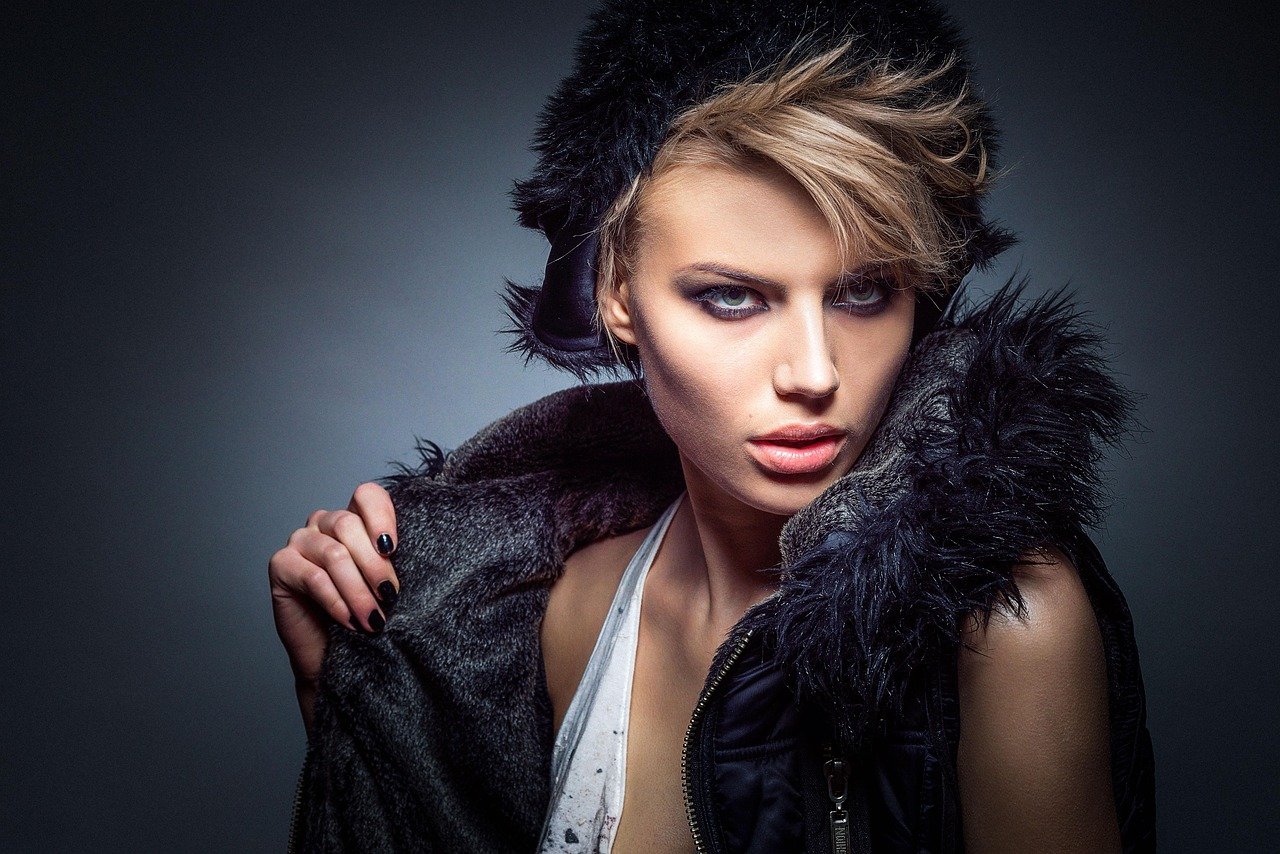
“Fashion model” is an umbrella term, and the day-to-day reality varies wildly depending on which branch you are in. The categories below are not rigid, and many models move between them, but they describe very different working lives.
| Type of work | Typical setting | What it demands most |
|---|---|---|
| Runway (catwalk) | Fashion week shows, presentations | Walking technique, stamina, quick changes |
| Editorial | Magazine shoots, often conceptual | Range of expression, collaboration with creative teams |
| Commercial and catalog | E-commerce, brand advertising | Reliability, versatility, approachability |
| Fit modeling | Design studios, sample fittings | Consistent measurements, precise feedback |
| Street and digital casting | Social media, scouting, open calls | A strong personal portfolio and online presence |
Fit modeling is the least glamorous and most misunderstood branch. Fit models work in-house for brands, trying on samples so designers can adjust patterns. The job rewards consistency over photogenicity, and it is one of the more stable income streams in an unstable field.
How Models Get Discovered Now
Traditional agency scouting still exists, but it is no longer the only road. Since the 2010s, social-media scouting and street casting have changed how people enter the industry, reducing reliance on the old gatekeepers. A model can now build a following, get noticed directly by a brand, and skip the agency introduction entirely.
That shift is real but uneven. It has opened doors for people who live far from fashion capitals, and it has also created new pressures, since a public online presence becomes part of the job application. Practical guidance for anyone building a portfolio today: keep images recent, keep them honest, and keep them consistent, because casting directors compare what they see online with what walks into the room.
The wider culture around fashion discovery has become its own subject. Coverage of how a Barbie world tour book turned a fashion movie into something richer is a reminder that the industry’s storytelling about itself shapes which faces and bodies get framed as aspirational in the first place.
Health, Body Standards, and the Law
This is where the fashion model conversation gets serious. The industry’s relationship with body weight has a documented and troubled history, and several countries have responded with legislation rather than voluntary guidelines.
France passed a law in 2015, in force from 2016, requiring models working in France to provide a medical certificate showing a body-mass index within a healthy range. The same law requires that retouched commercial photographs be labeled. The exact BMI threshold and how aggressively the rules are enforced are details worth checking against the statute text rather than relying on summaries, because reporting on the law has often been loose.
Other countries have taken different approaches. Israel passed a so-called “Photoshop law” in 2012 aimed at manipulated images and underweight models. Italy relied on a voluntary self-regulation charter from 2006 rather than statute. The result is a patchwork: scope and enforcement vary widely, and there is no single global standard for models’ working conditions.
For readers tracking how body ideals shift season to season, the conversation connects directly to broader style coverage. Guides like this 2026 fashion trends guide and the wider tag for 2026 fashion trends female show how quickly the industry’s stated ideals move, which is exactly why written rules matter more than good intentions.
Labor Rights and the Model Alliance
Models are workers, and like many workers in glamorous industries, their labor protections are thinner than outsiders assume. Pay disputes, unsafe conditions, and harassment have all been persistent problems.
The Model Alliance, founded in 2012 by Sara Ziff, is a non-profit that advocates for models’ labor rights, including health protections, fair payment, and safeguards against harassment. It functions as an advocacy organization rather than a neutral regulator, so its public statements should be read as its stated mission rather than as independent fact. Still, it has been one of the few consistent institutional voices on working conditions in an industry that has historically preferred to handle problems quietly.
Child models are a separate and thornier issue. In the United States, child models generally fall under state child-labor laws rather than a single federal standard, which means protections vary significantly depending on where a shoot happens. Anyone booking work with a minor should verify the rules in the specific state or country involved rather than assuming a national baseline exists.
What the Job Is Actually Like Day to Day
Strip away the campaign images and the job looks like this: early call times, long waits, repetitive movement, and a lot of physical endurance. A runway show may involve a dozen outfit changes in minutes. An e-commerce shoot can mean hundreds of near-identical poses under hot lights.
Common mistakes people make when entering the field are worth naming plainly, because they are repeated constantly:
- Treating a portfolio as a photo collection rather than a targeted marketing tool.
- Paying upfront for “guaranteed” agency representation, which is not how legitimate representation works.
- Ignoring contract terms around image usage, which determine how long and where a shoot can be used.
- Skipping the paperwork on payment timelines and cancellation policies.
- Assuming social-media followers translate directly into bookings.
What actually works in practice is less exciting: reliable communication, punctuality, a well-maintained book of recent images, and a clear understanding of what each job pays and permits. Models who last tend to be the ones who treat the work as a business from the start.
Diversity and the Numbers Behind the Runway
Runway diversity has been tracked annually since 2015, most visibly through The Fashion Spot’s “Diversity Report,” which counts models by race, size, age, and gender identity across the four major fashion weeks. The report has been a useful pressure point because it turns vague claims about progress into countable figures.
Two caveats matter. First, the report is published by a magazine section, not a primary dataset, so it should be treated as secondary analysis. Second, its methodology and whether it is still published consistently should be verified rather than assumed. Even with those limits, the existence of the tracking itself changed the conversation, because brands began responding to public scorecards.
The broader cultural conversation around fashion’s imagery and who gets represented connects to how the industry markets itself. Discussions of Italian luxury fashion and the shifting fashion trends 2026 landscape show how casting choices signal a brand’s values as loudly as any ad copy.
Practical Advice for Aspiring Models
For someone seriously considering the work, a few grounded steps beat vague ambition.
- Build a small, current portfolio with a mix of clean digitals and a few styled images. Digitals matter more than glossy retouching at the early stage.
- Research agencies before signing anything, and read the contract’s term length and exclusivity clauses carefully.
- Understand your measurements and keep them current, since submissions usually require them.
- Learn the local rules that apply to you, especially if you are under 18 or working abroad.
- Treat income as irregular and plan for gaps between bookings.
- Keep a record of every job, including usage terms and payment dates.
Reading widely helps too. Industry commentary is scattered across newsletters and independent publications, and a guide to finding the best fashion substacks without flooding your inbox can help separate useful analysis from noise.
Conclusion
The fashion model sits at an odd intersection: a visible public figure and an often-invisible worker. The profession grew out of 19th-century couture salons, produced the supermodel era of the 1980s and 1990s, and now runs on a mix of agency scouting, digital discovery, and street casting. Along the way, the job picked up real regulatory attention, from France’s 2015 health-certificate law to Israel’s image-manipulation rules and Italy’s voluntary charter, plus sustained advocacy from groups like the Model Alliance.
What has not changed is the core of the work: showing clothes in a way that makes people want to look. What has changed is who gets to do it and under what conditions. The next time a campaign image stops your scroll, it is worth remembering the casting call, the contract, the fitting, and the person who showed up early to make it happen.
What exactly does a fashion model do?
A fashion model displays clothing and accessories for audiences and cameras. That includes runway shows, editorial shoots for magazines, advertising campaigns, catalogs, and e-commerce photography. Many models also do fit work in design studios, trying on samples so garments can be adjusted before production.
How did the fashion model profession begin?
The modern profession emerged in the mid-19th century alongside haute couture, when designers began using live models to show clients how clothing moved. Charles Frederick Worth is often credited with using live models in his Paris salon in the 1850s and 1860s. That attribution is widely repeated in fashion-history writing but rests on secondary sources rather than primary records.
Do models have to meet legal health requirements?
In some countries, yes. France’s 2015 law, in force from 2016, requires models working there to provide a medical certificate showing a body-mass index within a healthy range, and it requires retouched commercial images to be labeled. Israel passed image-related rules in 2012, while Italy relied on a voluntary charter from 2006. There is no single global standard, so requirements depend on where the work happens.
What is the Model Alliance?
The Model Alliance is a non-profit founded in 2012 by Sara Ziff that advocates for models’ labor rights, including health protections, fair payment, and safeguards against harassment. It is an advocacy organization, so its public statements reflect its stated mission rather than serving as neutral fact. It has been one of the few consistent institutional voices on working conditions in the industry.
How are models discovered today?
Both traditional agency scouting and newer digital routes are common. Since the 2010s, social-media scouting and street casting have shifted how models are found, reducing reliance on agencies alone. Brands sometimes approach people directly through social platforms. That said, a strong, current portfolio of honest images still matters regardless of how the introduction happens.
Is runway diversity actually improving?
It is tracked, which is a meaningful step. Annual runway diversity reporting, most visibly through The Fashion Spot’s “Diversity Report” published since 2015, counts models by race, size, age, and gender identity across the four major fashion weeks. Because it is published by a magazine section rather than a primary dataset, it should be read as secondary analysis, and its methodology and publication continuity are worth verifying.














